Best Private Jet Charter Companies: Expert Comparison and Booking Guide

0

You want the best private jet charter company for your travel needs — one that balances safety, price, and comfort without surprises. Top providers like NetJets, VistaJet, and Jet Linx often lead the market for consistent safety records, fleet quality, and transparent pricing, but the best choice depends on whether you prioritize membership perks, on-demand flexibility, or global reach.

A private jet on the tarmac with a pilot standing by the open door and a luxury car nearby at an airport.

This article breaks down leading companies, how to compare pricing and memberships, and which operators excel in safety, regional coverage, and sustainability. Expect practical guidance that helps you match your priorities to the right provider and spot red flags before you book.

Top Private Jet Charter Companies

You’ll find operators that prioritize safety, predictable pricing, and large fleets; others specialize in personalized service, niche aircraft, or seamless global access. Choose by what matters: guaranteed availability, membership benefits, or point-to-point international reach.

Industry Leaders

Industry leaders combine safety records, large fleets, and consistent service standards. Companies like Wheels Up and NetJets maintain extensive, well-managed fleets and formal safety programs backed by documented audit processes. That translates into predictable aircraft availability and standardized on-board amenities you can expect across flights.

Leaders also offer membership or fractional ownership options that reduce per-flight uncertainty. Those programs typically include fixed hourly rates, guaranteed access windows, and centralized scheduling teams to minimize operational delays. If you value reliability, look for operators with public safety audits, 24/7 ops centers, and clear cancellation/refund policies.

Boutique Operators

Boutique operators focus on tailored experiences, unusual cabin configurations, or very specific routes. You’ll find smaller providers that’ll customize catering, ground transfers, and in-flight services to your preferences, often assigning a dedicated trip manager to each flight. This makes them a strong fit when privacy, discrete itineraries, or uncommon airports matter.

Expect more flexible pricing models and personally negotiated terms; however, availability depends on fleet size, so plan earlier for peak dates. Boutique firms often market unique aircraft types—turboprops for short-runway access or ultra-long-range jets for non-stop intercontinental flights—so pick one whose assets match your typical trip profile.

Global Networks

Global networks prioritize worldwide reach through large partner bases and international certifications. Operators such as Jet Linx and major brokerage networks give you access to thousands of airports and coordinate international handling, customs clearance, and overflight permits. That reduces the logistics burden when you need multi-leg or cross-border travel.

These networks excel at sourcing the best-fit aircraft near your departure point while managing complex regulations and local ground services. If your travel pattern involves multiple countries or inconsistent origin cities, choose a network with proven international ops, multilingual dispatch, and on-the-ground vendor relationships.

How to Choose the Best Private Jet Charter Company

A businessperson standing beside a private jet on a runway, holding a tablet and looking at the aircraft.

Prioritize measurable safety practices, a fleet that fits your typical mission profile, and a service model that matches how hands-on you want the provider to be. Verify certificates, compare specific aircraft types and ages, and assess responsiveness, contract terms, and on-the-ground support.

Safety Standards

Ask for the operator’s FAA Part 135 or equivalent international certificate and confirm third-party audit status such as ARG/US, Wyvern, or IS-BAO. These audits inspect operations, maintenance, crew training, and record-keeping; a current audit report demonstrates ongoing compliance.

Request the operator’s safety management system (SMS) documentation and crew training syllabi. Verify pilot flight hours for the aircraft type and recent simulator training records. Check maintenance logs for adherence to manufacturer service bulletins and airworthiness directives.

Confirm insurance limits (liability and hull) and whether the policy covers passengers and third parties under typical mission profiles. If you fly internationally, ensure the insurer and operator meet destination-country entry requirements.

Fleet Variety

Match aircraft types to your most common trips: turboprops for short hops under 4 passengers, light jets for regional runs up to 3–4 hours, midsize and super-midsize for transcontinental travel, and long-range heavy jets for intercontinental missions.

Inspect specific models, not just categories. Compare cabin dimensions, baggage capacity, range with typical passenger load, and runway performance for the airports you use. Request current aircraft age, maintenance status, and refurbishment history.

Check availability of mission-specific equipment: Wi‑Fi standards (satcom vs. air-to-ground), medical or pet accommodations, and de-icing capability for operations into cold-weather airports. Ask whether the operator uses owned aircraft, managed aircraft, or a brokered network, and how that affects control over quality and scheduling.

Customer Service

Evaluate response time and booking flexibility: measure how quickly a rep confirms pricing and availability and whether they provide written guarantees for schedule changes or cancellations. Test staff knowledge on routing, slot and ground handling requirements at your frequent airports.

Review contract transparency: look for clear hourly rates, repositioning fees, minimums, and fuel surcharge policies. Confirm who handles ground logistics—catering, ground transport, customs assistance—and whether a single point of contact manages the trip.

Request client references for trips similar to yours and read recent reviews focused on punctuality, in-flight experience, and problem resolution. Prefer operators that provide 24/7 trip support, proactive trip updates, and documented service-level commitments.

Comparing Pricing and Membership Models

Business professionals discussing data around a conference table with a private jet visible outside a large window.

You’ll evaluate cost structures that affect both short trips and regular use: per-hour flight charges, prepaid card access, and flexible on-demand pricing. Focus on fixed hourly rates, upfront commitments, and when each model saves you money.

Hourly Rates

Hourly rates charge you for the aircraft’s flight time and usually range by aircraft category—light jets often $2,000–$3,500/hour, midsize $3,500–$6,000/hour, and large cabins $6,000+/hour. Rates typically include crew, maintenance reserves, and insurance; fuel surcharges and airport fees can appear as add-ons.

You should watch for minimum flight times (commonly 1–2 hours), repositioning (deadhead) fees when the jet must fly empty to your airport, and daily minimums for overnight trips. Inspect sample quotes that list base hourly rate, estimated taxes, and typical extras to compare true out-of-pocket costs.

Jet Cards

Jet cards require an upfront purchase of flight hours or an annual fee in exchange for fixed hourly pricing and guaranteed availability. Typical structures: 25–100 hour blocks with fixed rates by aircraft class, and some programs include peak-day guarantees or capped repositioning fees.

You’ll benefit from predictable billing and simpler booking; however, initial buy-ins often start around $100,000 for premium programs. Check contract terms for rollover rules, cancellation penalties, and whether the card lets you switch aircraft types without penalty.

On-Demand Charters

On-demand charters let you book single trips with no long-term commitment and pay a market-driven rate per flight. This model fits infrequent flyers or one-off needs, but spot pricing can spike during peak travel dates or low aircraft availability.

When using on-demand, compare complete quotes that itemize aircraft hourly rate, fuel surcharge, landing fees, pilot overnight costs, and any broker fees. Ask for firm availability and confirm whether the operator handles positioning flights or passes those costs to you.

Reputation and Client Reviews

Reputation hinges on consistent safety records, on-time performance, and transparent pricing. Client feedback and industry awards reveal which operators deliver reliable aircraft, experienced crews, and clear charter contracts.

Testimonials

Look for recent, verifiable reviews that mention specific routes, aircraft types, and crew performance. Positive testimonials often note punctuality on transcontinental flights, cabin cleanliness on light jets, and responsiveness from charter desks during itinerary changes.
Negative reviews frequently cite hidden fees, last-minute cancellations, or unclear baggage policies. Pay attention to patterns: a single complaint is less concerning than repeated issues about the same topic.

Check source credibility before you rely on a testimonial. Priority sources include verified platform reviews, direct client case studies on a company’s site, and references provided upon request.
When you compare companies, create a short checklist: aircraft model, flight date, reported delays, and how the operator resolved problems.

Industry Accolades

Industry awards can validate safety and service, but read award criteria closely. Some accolades focus on fleet modernization or maintenance standards, while others highlight customer service or route network strength.
You should prioritize recognitions from aviation authorities, safety audit bodies (e.g., ARG/US, Wyvern), and longstanding trade publications over popularity-based rankings.

Use awards as one lens among several when choosing a charter. If a provider lists multiple safety audits and recent operational certifications alongside customer-service awards, that combination signals both regulatory compliance and consistent client experience.

Unique Services and Amenities

Expect tailored cabin layouts, curated menus, and ground logistics that save you time and reduce stress. Operators differentiate by aircraft type, crew training, and the depth of on-demand concierge support.

In-Flight Experience

You’ll find cabin configurations that match specific needs: club seating for meetings, fully flat beds for overnight flights, or large-cabin VIP layouts for groups. Look for details such as Wi‑Fi bandwidth (e.g., Ka‑band vs. L‑band), individual power outlets, and noise insulation ratings when comparing comfort and productivity.

Catering ranges from plated multi-course meals prepared to your dietary specs to chef-curated boxed lunches for short hops. Entertainment options differ by fleet; newer long‑range jets often include satellite TV, integrated AV systems, and tablet controls for lighting and temperature.

Safety and professionalism matter. Request information on pilot duty limits, type‑rating experience, and cabin crew service protocols to ensure consistent, high‑quality in‑flight service.

Concierge Offerings

Concierge services extend beyond booking the aircraft to manage visas, ground transportation, and private terminal (FBO) coordination. You can have a dedicated account manager who arranges last‑minute permits, caterer preferences, and pet handling.

High‑end charters offer door‑to‑door logistics: chauffeured transfers timed to your flight, expedited ground handling, and hotel or event coordination. Some providers bundle jet cards with loyalty credits that you can redeem for upgrades, hangar access, or partner hotel benefits.

Ask about 24/7 availability, escalation paths for disruptions, and whether the concierge uses local ground partners or in‑house teams. That distinction affects reliability, pricing transparency, and your control over itinerary changes.

Safety Records and Certifications

You should expect documented oversight, formal certifications, and measurable safety performance when selecting a charter company. Look for verifiable audit results, maintenance standards, pilot qualifications, and transparent reporting of incidents and corrective actions.

Third-Party Audits

Independent audits from organizations such as ARG/US, Wyvern, and IS-BAO verify operator safety management systems and operational practices. Request the latest audit level or rating; ARG/US Platinum, Wyvern Wingman or IS-BAO Stage 3 indicate the highest documented compliance.

Check the audit scope and date. A recent comprehensive audit will cover maintenance programs, parts traceability, safety management systems (SMS), and operational control processes. Old or partial audits provide less reassurance.

Ask to see the operator’s FAA or EASA oversight history and any enforcement actions. You can often confirm certificate status and enforcement records through public FAA or national aviation authority databases. Keep a copy of the audit certificate on file for your records.

Crew Training

Pilot and cabin-crew training should go beyond minimum regulatory requirements. Review recurrent training frequency, simulator time for type-rated pilots, and crew pairing practices for long or high-complexity flights.

Look for evidence of specific programs: upset prevention and recovery training (UPRT), crew resource management (CRM) refresher courses, and scenario-based emergency procedures. These reduce human-factor risks in abnormal conditions.

Verify experience metrics: total flight hours on type, recent multi-crew operations, and documented line checks or proficiency checks. Also confirm background checks, drug-screening policies, and any program for voluntary incident reporting to improve safety culture.

Global Coverage and Regional Specialists

You’ll find providers that serve thousands of airports worldwide and others that concentrate on specific countries or regions. Consider network size, airport access, and whether the operator handles international regulatory, customs, and ground-transport logistics for your route.

International Routes

When you need intercontinental service, prioritize operators with global fleets and international operating certificates. Companies like NetJets, VistaJet, and XO maintain multi-hub networks and access to 2,000+ aircraft or more, which helps ensure aircraft positioning and one-way availability across continents.

Confirm they manage overflight permits, slot coordination at major hubs, and multi-country crew qualifications. Also check which aircraft types they schedule for long-range sectors (e.g., Gulfstream/G700, Bombardier Global, or similar) so you get required range and cabin comfort without intermediate technical stops.

Look for operators that provide door-to-door logistics: ground handling, customs/immigration assistance, and local ground transfer partners. Those services reduce coordination on your end and speed turnaround in unfamiliar airports.

Domestic Focus

If your travel stays within a country or region, choose a specialist that optimizes short-haul efficiency and regional airport access. U.S.-focused providers like JSX and Jet Linx emphasize frequent short flights, regional FBO networks, and seats-of-choice for business corridors.

Regional specialists often have better pricing for same-day returns, more flexible short-notice availability, and local crew bases that lower repositioning costs. Verify their fleet mix for short-runways and turboprops or light jets if you’ll use smaller airports.

Also confirm local regulatory familiarity—noise restrictions, curfew rules, and state-specific permits—to avoid last-minute diversions and fines on domestic routes.

Sustainability Initiatives in Charter Aviation

Charter operators address emissions through measurable programs and cleaner fuels, while also changing operational practices like fleet selection and ground operations to reduce total impact.

Carbon Offset Programs

You can purchase verified carbon offsets directly from many charter companies or through third-party registries to neutralize flight emissions you can’t eliminate. Offsets typically fund projects such as reforestation, methane capture, or renewable energy; look for verification standards like VCS, Gold Standard, or the Verified Carbon Standard to ensure legitimacy.

Ask your provider for a breakdown showing:

  • tonnes of CO2 calculated per flight,
  • offset project type and location,
  • verification standard and registry ID.

Be aware offsets do not reduce on-board emissions. Use offsets as part of a broader strategy that includes choosing more efficient aircraft and minimizing unnecessary legs. Transparent reporting and third-party audits are the best indicators of a credible offset program.

Sustainable Aviation Fuel

Sustainable Aviation Fuel (SAF) lowers lifecycle carbon compared with conventional jet fuel and can be used in most existing turbine engines with no modification. SAF sources include waste oils, agricultural residues, and synthetic fuels produced with low-carbon hydrogen; lifecycle carbon reductions vary by feedstock and production pathway, typically reported as a percentage reduction versus fossil jet fuel.

When booking, request SAF blended into your fuel uplift and confirm:

  • blend percentage (e.g., 10% SAF),
  • supplier and fuel certification (e.g., ASTM D7566 compliance),
  • any additional cost and logistical constraints.

SAF availability remains limited and often carries a premium. Combining SAF use with operational measures—fleet choice, optimized routing, and reduced empty legs—gives you the most effective emissions reduction per flight.

Trends in the Private Jet Charter Industry

You’ll see demand rebound and reshape the market since the pandemic, with many operators reporting increased flight hours and higher utilization. Growth concentrates among large fractional and charter providers, while smaller brokers fill niche routes and on-demand needs.

Sustainability has moved from buzzword to business driver. Operators add SAF (sustainable aviation fuel) programs, carbon-offset options, and fleet renewal plans to reduce per-flight emissions and meet corporate client expectations.

Technology now underpins booking, safety, and operations. You can book charters via apps and platforms that provide real-time availability, transparent pricing, and digital contract handling. Flight-tracking and predictive maintenance improve safety and reliability.

Pricing and capacity dynamics have become more volatile. Peak-time surges, repositioning costs, and pilot shortages can push charter rates higher, while shared flights and empty-leg offers give you opportunities for savings.

Customer expectations emphasize personalization and privacy. You’ll notice bespoke catering, tailored ground logistics, and enhanced in-flight connectivity as standard features for premium clients.

Key quick facts:

  • Fleet concentration: Top providers operate the largest fleets and account for most hours flown.
  • Flight hours: Many major companies reported year-over-year increases in utilization.
  • Market split: Growth in both fractional ownership and on-demand charter segments.

Regulation and infrastructure are adapting slowly. You should expect incremental changes in environmental rules, airport access, and pilot training standards that will influence availability and cost. For a broader perspective on building your itinerary around premium aviation, see the Ultimate Guide to Luxury Travel 2026.


Aman Rosa Alpina: Luxury Mountain Retreat in Italy

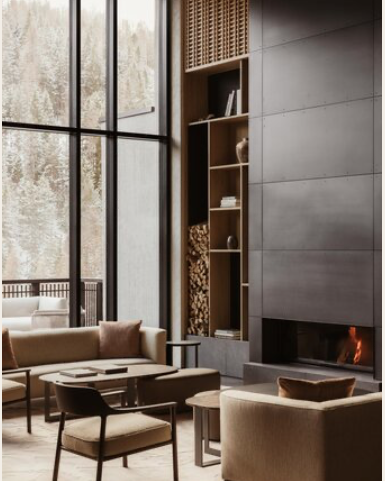
Nestled in the breathtaking UNESCO‑listed Dolomites, Aman Rosa Alpina stands as one of Europe’s most exclusive mountain retreats, offering refined luxury, alpine elegance, and year‑round adventure. This newly reimagined Aman resort in San Cassiano, Italy seamlessly blends local heritage with ultra‑luxury design, making it a must‑visit destination for discerning travelers seeking unparalleled experiences in the heart of the Italian Alps. 

Alpine Luxury Redefined

Aman Rosa Alpina’s transformation is the result of a complete redesign by acclaimed architect Jean‑Michel Gathy, bringing a modern yet timeless aesthetic to the iconic property. Every detail—from natural wood and stone interiors to sweeping views of the jagged Dolomite peaks—evokes serenity and sophistication. Accommodations range from spacious rooms and suites to private Aman Suites, all designed to maximize comfort and connection to nature. 

This thoughtful design approach creates a sense of intimate calm, making the resort a perfect choice whether you’re pursuing outdoor adventure or simply relaxing in style. 

World‑Class Dining in the Dolomites

The culinary offerings at Aman Rosa Alpina celebrate both local Alpine flavors and international gastronomy. Signature venues include The Grill, serving wood‑fire Italian classics, and Il Salotto, a lounge and piano bar perfect for cocktails and social evenings. Guests can also enjoy an all‑day dining menu, a dedicated breakfast room with live cooking stations, and private wine experiences in a sophisticated wine library. Additional seasonal concepts, such as a Japanese shabu‑shabu restaurant, expand the resort’s gourmet appeal. 

Each dining space compellingly enhances the sense of place, offering farm‑to‑fork ingredients and menus influenced by the rich culinary traditions of the Alps. 

Wellness & Outdoor Adventures

At the heart of the resort lies the brand‑new Aman Spa, a 1,684 sqm sanctuary where mountain‑inspired wellness meets cutting‑edge treatment experiences. The spa features multiple pools—including a stunning heated outdoor infinity pool with panoramic views—hydrotherapy facilities, saunas, steam rooms, and dedicated treatment suites for restorative therapies. 

Beyond pampering, Aman Rosa Alpina is a gateway to some of Europe’s most exhilarating outdoor experiences. In winter, guests have direct access to the legendary Dolomiti Superski domain, one of the largest interconnected ski areas in the world. In warmer months, the landscape transforms into a paradise for hiking, mountain biking, climbing, and trail exploration. 

A Timeless Mountain Destination

What truly sets Aman Rosa Alpina apart is its balance of heritage and contemporary luxury. Originally a beloved mountain lodge, the property has evolved into an Aman resort that honors its alpine roots while setting new standards in service, design, and sophistication. The involvement of the Pizzinini family—who owned and operated the property for generations—adds a personal touch to the guest experience. 

Getting There & Planning Your Stay

Located in the heart of the Dolomites, Aman Rosa Alpina is accessible from several major airports: it’s approximately 2½ hours by car from Venice Marco Polo Airport, about 90 minutes from Bolzano Airport, and roughly 2 hours from Innsbruck Airport. For the ultimate luxury arrival, helicopter transfers can be arranged from nearby hubs, providing a seamless start to your alpine getaway. 

What Is a Six-Star Hotel? The World’s Most Exclusive Properties Explained

0

You see “six-star hotel” thrown around a lot, but here’s the thing: no official group actually hands out that rating. The hospitality world tops out at five stars—at least, officially.

Still, some hotels just blow past that ceiling in ways that five stars can’t quite capture. A six-star hotel is really an unofficial badge for properties that go way beyond five-star standards, with insane levels of personalization, over-the-top facilities, and privileges you won’t find elsewhere.

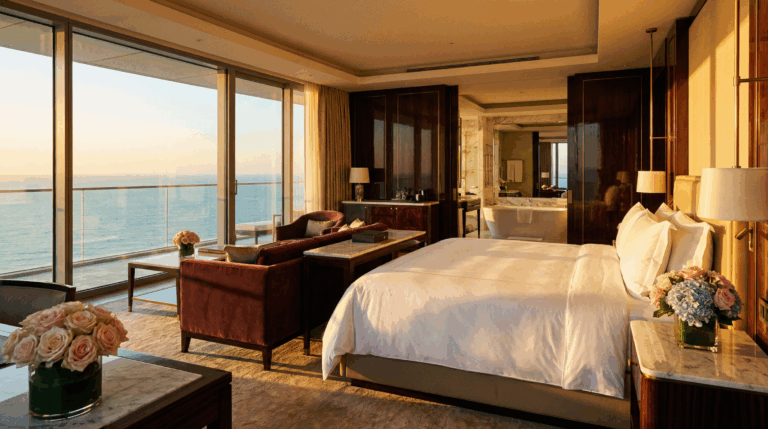
Think private airport transfers, your own butler, sprawling suites, and food from chefs with global reputations. Spas are just the starting point—wellness here means custom treatments and staff who seem to appear the moment you even think you might need something.

When people talk about six-star hotels, icons like the Burj Al Arab almost always come up. You’ll also see the label in places like Singapore, where six star hotels in Singapore are pitched to travelers who want the absolute best.

Most exclusive 6 star hotels in the world lists usually feature these properties, and for good reason.

Key Takeaways

  • Six-star hotels are unofficial, but they’re widely recognized as a cut above five stars.
  • It’s all about hyper-personalized service, next-level amenities, and a staff-to-guest ratio that feels almost decadent.
  • You’ll find them in the world’s most luxurious destinations—think Dubai, Paris, Fiji, and beyond.

Are There 6-Star Hotels?

Yes—six-star hotels exist in practice, even though no official body awards a sixth star. Every recognized hotel rating system stops at five, so “six-star” is an unofficial label the industry and travelers use for properties that clearly outclass standard five-star luxury: staff-to-guest ratios of two or three to one, dedicated butlers, private transfers, and service planned around you before you ever arrive.

The clearest proof is in the properties themselves. Dubai’s Burj Al Arab, Abu Dhabi’s Emirates Palace, and Aman Tokyo are described as six-star so consistently that the extra star has effectively stuck. If a hotel delivers that level of personalization and privacy, the label fits—whether or not it ever appears on an official chart.

The Concept of Six-Star Hotels: Beyond Official Ratings

A six-star hotel sits outside any formal rating system. There’s no secret committee or government agency handing out sixth stars.

It’s more of a marketing term, but also a kind of industry wink. If you see “six-star,” it’s code for “we’re not just fancy—we’re in a league of our own.”

Unofficial Status and Industry Recognition

No country’s hotel regulators have an official six-star category. Five is the cap, everywhere you look.

So, where does the sixth star come from? It’s mostly a mix of marketing, word-of-mouth, and the media spotlighting places that just feel different.

What a 6 star hotel means breaks down how this is really about setting expectations—think of it as a promise that you’re entering rarefied air.

Luxury brands sometimes lean into the label, especially for their flagship properties. It’s a way to say, “Yes, we know five stars is the official top, but we’re aiming higher.”

If you’re booking one of these hotels, focus on what they actually offer, not just the star count.

The Evolution of Luxury Hospitality

Six-star hotels are a response to how luxury itself has changed. It’s not just about chandeliers and marble anymore.

Today, luxury means privacy, anticipation, and experiences tailored specifically to you. The term “six-star” started popping up as a way to describe hotels that were rewriting the rules, even if no official system recognizes it.

6- and 7-star hotels beyond the 5-star scale digs into how this shift happened.

What do these hotels offer? Things like:

  • 24/7 butler service—real people, not just a phone number
  • Private helicopters or Rolls-Royce transfers
  • Suites you could get lost in
  • Dining that feels like a private event, not just a meal

The “six-star” label is a way for developers and brands to signal that you’re getting something truly rare—more staff, more privacy, more wow.

Comparison with Five-Star Hotels

Five-star hotels already bring a lot to the table: fine dining, concierges, big rooms, and attentive service.

But six-star hotels? They take those ideas and crank them up. The difference isn’t just more stuff—it’s how personal and exclusive everything feels.

The distinction between five-star and six-star hotels lays it out: five stars mean luxury, but six stars mean you’re getting something designed just for you.

Here’s one way to look at it:

Feature Five-Star Hotel 6 Star Hotel (Unofficial)
Rating status Officially recognized Not officially recognized
Service model High-touch service Hyper-personalized, often with dedicated staff
Experience Luxury comfort Tailored, exclusive, rarefied

It’s not about regulations. It’s a qualitative leap—six-star hotels are for people who want something almost no one else can get.

Defining Features of Six-Star Hotels

Six-star hotels set themselves apart by focusing on details that most five-star hotels just can’t match. It’s about privacy, space, and service that anticipates your needs before you even say a word.

Personalized and Discreet Service

Service is the heart of the six-star experience. Forget waiting in line at the front desk or asking twice for anything.

What defines a 6-star hotel makes it clear: you’re assigned a private butler, and they’re there from the moment you arrive.

Your butler handles everything—unpacking, pressing your clothes, booking spa appointments, arranging meals in your room. You barely have to ask.

Discretion is key. Staff memorize your preferences, whisk you through private entrances, and can even arrange for you to step off a jet straight into your suite.

Expect things like:

  • Your own butler for every suite or villa
  • Private check-in, often right in your room
  • VIP and celebrity stays handled quietly
  • Lightning-fast responses—no waiting, no hovering

The goal? Anticipate what you want before you even think to ask.

Iconic Design and Architectural Distinction

These hotels don’t just look good—they’re designed to be unforgettable.

Developers splash out on rare materials, custom art, and architectural features that become landmarks in their own right.

Suites might take up an entire floor, or stretch out over the water with private pools and direct ocean access.

Location is a big deal, too. You’ll see:

Feature Typical Execution
Private beach access Gated and only for guests
Private beaches Staffed just for you
Elevated positioning Cliffside, island, or sky-high towers

Trendy décor isn’t the point. These places are designed to be destinations in themselves.

Ultra-Luxury Amenities

Six-star hotels pile on amenities you just don’t see at regular luxury properties.

What a 6 star hotel is points out that the “six-star” label means you can expect things like:

  • Rolls-Royce or Bentley transfers, often complimentary
  • Helipads and private jet coordination
  • Spa suites the size of small apartments, with treatments tailored to you
  • Wine cellars in your room, stocked to your taste

Resorts might offer private, temperature-controlled pools and beach access that’s truly private. Honeymooners get candlelit dinners on the sand, in-villa spa rituals, and private yacht trips.

Everything is about making your stay frictionless and, honestly, a little bit magical.

Bespoke Experiences

Six-star hotels don’t just hand you a brochure of activities. Instead, staff build your itinerary from scratch, based on what you actually want.

That could mean:

  • Private museum tours after hours, led by a curator
  • Expeditions with scientists or conservationists
  • Cooking classes or tasting menus created just for you

Honeymoon hotels go all out—think private island picnics, proposal planning, or helicopter rides at sunset.

Pulling this off takes a team, local connections, and a willingness to say yes to almost any request. The hotel isn’t just a place to sleep—it’s your launchpad for once-in-a-lifetime experiences.

World’s Most Iconic Six-Star Hotels and Where to Find Them

If you want to know what a six-star hotel really looks like, there are a handful of properties that set the standard. It’s not about the official rating—it’s about the experience.

Middle East: Burj Al Arab and Emirates Palace

Dubai’s Burj Al Arab is probably the most famous six-star hotel on the planet. Built on its own island, it’s all suites, all the time. You get a private butler, chauffeur-driven Rolls-Royce, and a level of attention that borders on surreal.

If you’ve ever seen a list of the most exclusive 6 star hotels in the world, Burj Al Arab is always near the top.

Abu Dhabi’s Emirates Palace takes a different approach—massive grounds, a private beach, its own marina, and a calendar full of state events.

Dubai’s Atlantis The Royal is the new kid on the block, with sky-high pools and suites that feel more like private homes. These hotels don’t just compete on service—they’re architectural statements.

Asia-Pacific: Aman Tokyo, COMO Laucala Island, Taj Falaknuma Palace

In Asia-Pacific, the six-star label often means design, privacy, and a sense of place.

Aman Tokyo sits atop a skyscraper, blending sleek Japanese minimalism with huge suites and a spa that overlooks the city. It’s peaceful, even in the heart of Tokyo.

If you want total seclusion, COMO Laucala Island in Fiji is hard to top. It’s a private island with just a handful of villas, each with its own pool and custom dining.

India’s Taj Falaknuma Palace lets you live like royalty—literally. You’re greeted with a procession, and the suites are filled with original artifacts.

Most luxurious 6-star hotels lists often include these, and for good reason.

Other standouts? Amansara Resort in Cambodia for its Angkor Wat experiences, and Viceroy Bali for jungle villas with private pools.

Europe: Hotel Plaza Athénée and Beyond

Paris has its own six-star icon: Hotel Plaza Athénée. Right on Avenue Montaigne, it mixes classic architecture with modern luxury. The Eiffel Tower views from the balconies are hard to beat.

It’s part of the Dorchester Collection, so expect haute cuisine, fashion connections, and service that feels quietly perfect.

Elsewhere in Europe, you’ll find palace hotels in Italy and Switzerland, and creative builds like InterContinental Shanghai Wonderland—okay, not Europe, but it’s too wild to leave out. Built into a quarry, it’s a hotel that’s as much an attraction as a place to stay.

Most exclusive 6 star hotels in the world often spotlight these properties for their singular experiences.

The Americas and Other Destinations

In the Americas, six-star hotels are all about space and nature.

Rosewood Mayakoba in Mexico gives you lagoon-side suites, private plunge pools, and access to protected mangroves.

Other Rosewood Hotels properties are known for residential-style suites and service that feels genuinely personal.

In the Caribbean and Indian Ocean, resorts like Six Senses Zil Pasyon focus on villa privacy, conservation, and beaches you’ll have almost to yourself.

Top 10 6-star hotels for discerning travelers lists pull from all over—urban icons, palaces, islands. What ties them together? Privacy, space, and a sense that you’re getting something no one else can.

Unrivaled Culinary Experiences and Wellness

Six-star hotels don’t just serve food and offer a gym. They aim for dining and wellness that’s as tailored and ambitious as everything else.

Michelin-Starred Dining and Celebrity Chefs

A lot of six-star hotels have Michelin-starred restaurants right on site. Or they bring in chefs who’ve earned those stars elsewhere to create menus you can’t get anywhere else.

You might find multiple restaurants, each with a different focus—French fine dining, omakase sushi, or maybe even an underwater restaurant where fish swim past your table.

Guides like what defines a 6 star hotel point out that food is a central part of the experience, not just an amenity.

Expect:

  • Seasonal tasting menus with wines chosen by top sommeliers
  • Chef’s table dinners in the kitchen itself
  • Cooking classes or masterclasses with the executive chef

At this level, dining is meant to be memorable—sometimes the highlight of your entire stay.

Cutting-Edge Spas and Personalized Wellness

Six-star hotels treat wellness as a deeply personalized journey, not just a quick massage or facial. Here, spa treatments are supported by diagnostics, specialist consultations, and fitness planning that’s tailored for each guest.

Luxury hospitality analysts often point to customized wellness retreats as a defining feature of these top-tier properties. You’ll see programs built around sleep optimization, detox, or stress reduction—like those featured in customized wellness retreats at 6-star hotels.

Facilities usually go way beyond the basics:

  • Hydrotherapy circuits with vitality pools and thermal suites
  • Cryotherapy or infrared therapy rooms
  • Private training studios, sometimes with resident fitness coaches

Many properties offer in-suite spa services for guests who value discretion. Therapists tweak treatments based on medical history, jet lag, or specific recovery goals, while nutritionists collaborate with the kitchen to align meals with wellness plans.

This seamless blend of health, dining, and accommodation is part of what sets the true six-star experience apart.

Bespoke In-Room Dining and Private Events

In-room dining at a six-star hotel isn’t just room service—it’s on par with the property’s signature restaurants. Guests can order elaborate tasting menus, rare wines, or custom dishes that meet their exact dietary needs.

At the very top, a dedicated butler manages everything, from timing to table styling. This kind of flexibility and attention to detail is a hallmark of the six-star hotel experience.

Private events aren’t just “organized”—they’re orchestrated. Think:

  • Rooftop anniversary dinners with live musicians
  • Invitation-only chef’s table gatherings
  • Beach banquets with custom décor

Event teams handle every detail: lighting, flowers, menu tweaks, even sourcing specific ingredients if needed. The result is an atmosphere that feels both intimate and meticulously managed.

Exceptional Experiences and Guest Privileges

Six-star hotels are obsessed with precision, privacy, and personalization. They offer exclusive experiences, seamless private transfers, and trends that push luxury travel into new territory.

Tailored Activities and Cultural Immersion

Every stay is built around the guest. Before you even arrive, a concierge team checks in about dining, security, wellness, and cultural interests.

Instead of generic city tours, they’ll organize private museum viewings, after-hours gallery access, or meetings with local artisans. In places like Dubai and Paris, properties on lists of the world’s most exclusive 6 star hotels are known for this kind of curated access.

Guests might enjoy:

  • Private chefs for in-villa meals
  • One-on-one sessions with historians or cultural experts
  • Medical-grade spa consultations
  • Yacht charters or desert expeditions with trusted guides

It’s about privacy, expertise, and getting behind the velvet rope. The hotel becomes your gateway to experiences you’d never find on your own.

Private Transfers and Exclusive Access

The six-star experience often starts before you even get to the lobby. Many hotels coordinate private jet arrivals, fast-track airport clearance, and chauffeured transfers—sometimes even in armored vehicles if needed.

Some properties, as highlighted in elite six-star hospitality standards, assign a personal butler who’ll unpack your luggage and handle your itinerary within minutes.

Typical privileges include:

Privilege What It Means in Practice
VIP event entry Reserved seats at fashion weeks or film festivals
Priority dining Last-minute tables at Michelin-starred restaurants
Secure transport Discreet drivers trained in privacy protocols
On-demand aviation Helicopter or private jet charter coordination

It’s all about efficiency and discretion. You’ll skip lines, avoid crowds, and breeze past the usual hassles.

Luxury Travel Trends for Six-Star Hotels

Six-star hotels are embracing technology and sustainability, but not at the expense of comfort. Biometric room access, AI-powered concierge messaging, and customizable lighting or climate systems are increasingly common in flagship suites.

It’s important to note, as many six star hotel stay experience articles explain, there’s no official six-star rating. The term signals a level of service, personalization, and rare amenities that’s simply beyond what’s “standard.”

Current trends:

  • Wellness-led travel: in-house clinics, longevity programs
  • Sustainable, design-led architecture
  • Multi-bedroom private residences managed by the hotel
  • Cross-property privileges with top luxury brands

Control is at the core. Guests set the pace and priorities, while the hotel delivers every detail, no matter how small.

The Unofficial Six-Star Rating System: What Does It Really Mean?

Let’s clear this up: there’s no official six-star hotel rating—at least, not from any global hotel authority. The traditional rating systems (like Forbes or AAA) stop at five stars. So where does “six-star” come from?

It’s an unofficial label, born out of industry buzz and media hype, used to describe hotels that go far beyond even the best five-star standards. These are properties where the service, privacy, and personalization are so elevated, it almost feels like a new category.

What makes a hotel “six-star”? It’s not just about more amenities. It’s about things like:

  • Staff-to-guest ratios: Sometimes two or three staff per guest
  • Personalized service: Pre-arrival planning, dedicated butlers, and no request too small
  • Architectural wow-factor: Iconic design, private villas, or even entire islands
  • Unobtainable experiences: Private museum tours, access to events, or chef-led dining nobody else gets

So, which properties actually qualify? Here are a few that come up again and again:

  • Burj Al Arab Jumeirah (Dubai): The original “seven-star” legend, with duplex suites, a private helipad, and a staff-to-suite ratio that’s almost ridiculous.
  • Aman Resorts: Properties like Aman Tokyo and Amanpuri in Thailand are famous for minimalism, privacy, and an almost spiritual level of service.
  • The Brando (French Polynesia): Private island, all-villa setup, eco-luxury, and staff who remember your favorite cocktail from last year.
  • Emirates Palace (Abu Dhabi): Gold-dusted cappuccinos, private beaches, and service that’s both grand and surprisingly personal.
  • One&Only and Cheval Blanc brands: Maldives, St. Barths, Courchevel—these are where you’ll find private butlers, lavish villas, and experiences tailored down to the last detail.

There are others—Six Senses, Rosewood’s top properties, and a handful of independent legends. But the common thread is obsessive attention to detail, privacy, and a willingness to say “yes” to almost anything.

If you’re chasing the true six-star experience, look for these markers. Forget the marketing—ask about staff ratios, pre-arrival planning, and what truly private experiences they can arrange. If the answer sounds like something no other hotel would even attempt, you’re probably in the right place.

How to Book and Make the Most of Your Six-Star Stay

Booking a six-star hotel isn’t just about clicking “reserve.” It takes research, expert advice, and a bit of strategy to unlock the best rooms, amenities, and access that define these ultra-luxury stays.

Selecting the Best Six-Star Hotel for Your Needs

Since “six-star” is unofficial, it pays to know what defines a 6-star hotel before you book. Not every hotel using the label actually delivers.

Look at three main things:

  • Location and setting: Is it a private island, city landmark, or remote retreat?
  • Service model: Dedicated butler? High staff-to-guest ratio? How’s privacy handled?
  • Scale: Intimate boutique or sprawling resort?

If you want seclusion, all-villa properties with private pools and personal attendants are ideal. If you’re after dining and shopping, a landmark city hotel might fit better.

Brand matters too. The Ritz-Carlton, Aman, Cheval Blanc, and similar names set the gold standard, while some independents offer even more flexibility. Always check suite categories—entry-level rooms can be worlds apart from signature suites.

Working With Luxury Travel Advisors

Six-star hotels don’t really do public discounts. What they do offer is access, upgrades, and personalization—if you know how to ask.

A top-tier luxury travel advisor can unlock:

Benefit Why It Matters
Confirmed upgrades Skip the stress—better suites, no negotiation
Flexible check-in/out More time to enjoy the property
Resort credits Spa, dining, or experiences on the house
VIP recognition Priority for dining and exclusive events

Many advisors have direct relationships with the world’s best properties. This isn’t just a perk—it’s real value.

If you’re booking solo, reach out to the hotel’s concierge before arrival. Be clear about dietary needs, pillow preferences, transfers, and any special occasions. The more they know, the better they can tailor your stay.

Maximizing Exclusive Services and Offers

Six-star rates include perks you’ll want to use—otherwise, why pay the premium? Always ask for a full list of inclusions before you arrive.

Industry insiders, like those in how to get the most out of a fancy hotel stay, point out that guests often miss out on complimentary services: pressing, private fitness sessions, cultural workshops, or curated excursions.

When you check in:

  • Meet your butler or guest relations manager
  • Confirm dining reservations right away
  • Book spa treatments early
  • Ask about off-menu experiences

At this level, personalization is the whole point. The more you engage, the more you’ll get from your stay.

Frequently Asked Questions

A lot of travelers wonder about the six-star label—where it comes from, how it’s different from five-star, and where to find these hotels. The differences are real, even if there’s no official rating body handing out six stars.

How do luxury hotels achieve a six-star rating?

There’s no formal organization granting six stars. Standard systems top out at five, as explained in this overview of 6 & 7 star hotels and official ratings.

The six-star label is about reputation, media buzz, and guest perception. Properties earn it by offering exceptional staff ratios, personalized service, and unique design.

Most six-star hotels focus on privacy, sprawling suites, and experiences you won’t find anywhere else.

What distinguishes six-star hotels from five-star hotels in terms of amenities and services?

Five-star hotels already deliver concierge service, fine dining, plush bedding, and top-tier spas. Six-star properties take it further with more proactive personalization and detail.

As seen in what defines a six star hotel stay experience, you’ll find dedicated butlers, pre-arrival preference planning, and highly customized itineraries.

The big difference? Staff anticipate your needs before you even ask, and privacy or exclusivity is guaranteed.

Can you list some of the top destinations for six-star hotel experiences?

Dubai is probably the most famous, especially for its iconic luxury hotels and waterfront resorts.

Paris, the Maldives, and private islands in Southeast Asia are also top picks, as you’ll see in 10 best 6 star hotels in 2024.

These places combine wow-factor locations with architecture, food, and service tailored for high-net-worth travelers.

What exclusive features are typically offered by six-star hotels?

Expect private transfers in luxury cars, personal butlers, and multi-bedroom suites with staff-only access.

According to six-star hotel experience and luxury amenities, you can look forward to private pools, bespoke spa treatments, and chef-led dining that’s tailored just for you.

Some properties go further with restricted-access floors, private beaches, or invitation-only experiences.

How can travelers identify and book a legitimate six-star hotel accommodation?

Check the hotel’s reputation through luxury travel advisors, hospitality awards, and solid editorial coverage.

Reviews from established publications and platforms—like this insider guide to exclusive 6 star hotels—are more reliable than slick marketing.

Booking through reputable agencies or directly with the property is the safest way to get transparent pricing and all the right inclusions.

Are there recognized international standards for rating hotels as six-star?

No, there isn’t any global authority that officially hands out six-star ratings. Most national and international grading systems just stop at five stars.

So, where does this mysterious “six-star” come from? It’s more of a marketing term than a regulated category—think of it as hotels flexing their ultra-luxury status. Here’s a deeper dive on whether six-star hotels actually exist. The industry, in reality, doesn’t have a formal checklist for that extra star.

But let’s talk about what “six-star” really means in practice. The unofficial six-star rating is reserved for properties that go way beyond even the most lavish five-star standards. We’re talking about places that redefine excess: personal butlers, Rolls-Royce fleets, private beaches, in-suite spas, and staff-to-guest ratios that seem almost absurd.

A few names always come up. The Burj Al Arab in Dubai, for instance—its sail-shaped silhouette is iconic, but it’s the gold-plated iPads, underwater restaurants, and helicopter transfers that make people whisper “six stars.” Aman resorts, too, are in a league of their own, with their obsessive attention to detail and locations that feel almost otherworldly. Brands like One&Only and Emirates Palace get thrown into the mix as well, mostly because they consistently deliver experiences that feel, frankly, unreal.

Honestly, if you’re picking a hotel, don’t just chase the label. Look for the real markers: service so attentive it’s almost telepathic, suites that feel like private palaces, and guest reviews that sound more like love letters.

The “six-star” idea is aspirational, sure, but at the end of the day, it’s the experience that counts.

The 10 Best Luxury All-Inclusive Resorts in the World

0

Luxury all-inclusive resorts are pushing the envelope in 2026. Privacy, service, and design have all leveled up.

Travelers now expect refined beachfront villas, private plunge pools, curated dining, and service so seamless you barely notice it. These resorts are scattered from the South Pacific to the Caribbean and the Med.

This list? It’s a roundup of the world’s most iconic island hideaways, overwater sanctuaries, and sophisticated beachfront escapes. If you’re chasing true luxury, here’s where to look.

1) Nihi Sumba Island, Indonesia

Nihi Sumba Island is tucked away on Sumba’s wild western coast, about an hour by air from Bali. It sprawls across protected land along the edge of Nihiwatu Beach—just getting here feels like an adventure.

Nightly rates: Expect to pay $1,200–$3,500 per night, depending on villa and season.

What sets it apart? Each villa is completely private, with its own pool and sweeping ocean views. The architecture borrows from local Sumbanese traditions—think thatched roofs, lots of wood, and a sense of place that’s hard to fake.

This is for travelers who crave privacy and a sense of discovery. Surfing, horseback riding, and hiking to waterfalls are just the start.

Insider tip: Book the spa safari early. It’s a sunrise trek through the hills to a clifftop spa, and it’s as unforgettable as it sounds.

2) Jade Mountain Resort, St. Lucia

Jade Mountain Resort hovers above Anse Chastanet, staring straight at the Pitons on St. Lucia’s lush southwestern coast. It’s part of a 600-acre estate, but feels worlds apart.

Nightly rates: $1,500–$3,000, though the “sanctuaries” with infinity pools are pricier.

The magic here? Open-walled suites—seriously, one side is just open air, framing those volcanic peaks. Private infinity pools, no two rooms alike, and an architecture nerd’s dream.

This spot is for couples who want total seclusion, dramatic design, and those “pinch me” Caribbean views.

Insider tip: Don’t skip the guided snorkeling at Anse Chastanet reef. It’s right below the resort and wildly underrated.

3) Six Senses Zil Pasyon, Seychelles

Six Senses Zil Pasyon claims nearly all of Félicité, a private island in the Seychelles. You arrive by boat or helicopter—there’s no other way.

Nightly rates: $2,000–$4,500, depending on villa category and season.

What’s exceptional? Every villa comes with a private infinity pool and panoramic ocean views. The resort is built into granite hills and coral beaches, with design that’s both eco-conscious and effortlessly chic.

Best for travelers who want space, privacy, and a serious commitment to sustainability. It’s a haven for wellness junkies and anyone who wants to disappear for a while.

Insider tip: Book the “Rock” private dining experience. Sunset, perched on a giant granite boulder, just you and the sea.

4) Royal Davui Island Resort, Fiji

Royal Davui Island Resort is perched on its own speck of an island in Beqa Lagoon, Fiji. With only 16 villas, it’s intimate and adults-only.

Nightly rates: $1,200–$2,000, meals included.

What stands out? Every villa has a private plunge pool and endless ocean views. The vibe is relaxed but polished—think barefoot luxury, not stuffy formality.

It’s ideal for couples who want to unplug and actually hear the waves. Service is personal, thanks to the tiny guest count.

Insider tip: Arrange for a private sand cay picnic. It’s just you, a white sandbar, and a basket packed by the chef.

5) Little Palm Island Resort & Spa, Florida Keys

Little Palm Island Resort & Spa sits on a four-acre private island in the Lower Keys. You get there by boat or seaplane—no cars, no crowds.

Nightly rates: $2,500–$5,000, depending on suite and package.

What makes it special? Bungalow suites with thatched roofs, outdoor showers, and no TVs or phones. It’s all about disconnecting, which honestly feels like a luxury these days.

Best for adults who want privacy, romance, and a touch of Old Florida glam. The no-kids policy keeps things quiet.

Insider tip: Book a spa treatment in one of the outdoor tiki huts—nothing but palms, sea breeze, and the sound of the water.

6) COMO Parrot Cay, Turks and Caicos

COMO Parrot Cay claims its own 1,000-acre island in the Turks and Caicos. Getting there means a boat ride, which is half the fun.

Nightly rates: $1,200–$4,500, with villas at the top end.

What’s the draw? Understated, contemporary design—lots of pale wood, breezy fabrics, and direct beach access. The COMO Shambhala spa is a destination in itself.

It’s best for wellness seekers, privacy lovers, and families who want space to roam. The vibe is calm, never flashy.

Insider tip: Try the daily yoga class at sunrise. It’s included, and the views are next-level.

7) The Brando, French Polynesia

The Brando sits on Tetiaroa, a private atoll just a short flight from Tahiti. This place is as exclusive as it gets.

Nightly rates: $3,800–$12,000, all-inclusive.

Here’s what makes it legendary: Only a handful of beachfront villas, each with its own plunge pool and direct access to a blindingly blue lagoon. The resort is carbon-neutral and deeply committed to conservation.

It’s perfect for privacy-obsessed travelers, honeymooners, or anyone who wants to live out a castaway fantasy—minus the hardship.

Insider tip: Ask about the “Green Tour” with the on-site researchers. You’ll see the conservation work up close.

8) Four Seasons Resort Bora Bora, French Polynesia

Four Seasons Resort Bora Bora is set on a private motu, looking straight at Mount Otemanu. Overwater bungalows and beachfront villas are the name of the game.

Nightly rates: $1,800–$6,000, especially for overwater suites.

What’s exceptional? Direct lagoon access from your deck, private plunge pools, and a staff that seems to anticipate your every whim. It’s polished, but never stuffy.

Best for couples, families, and anyone who wants the classic Bora Bora experience—snorkeling, paddleboarding, and some of the prettiest sunsets on earth.

Insider tip: Book a private beach dinner for two. It’s not on the menu, but the concierge can make it happen.

9) Sandals Royal Bahamian, Bahamas

Sandals Royal Bahamian is one of Nassau’s most established adults-only luxury resorts. It’s got a private offshore island, which is a fun twist.

Nightly rates: $600–$1,200, all-inclusive.

Why does it stand out? Unlimited dining, premium drinks, water sports, and even scuba diving for certified divers—all rolled into the rate. The vibe is British colonial meets Caribbean cool.

Best for honeymooners, couples celebrating something big, or anyone who wants a lively scene with no hidden costs. The airport’s just minutes away, so you’re on the beach fast.

Insider tip: Take the boat to the private island early in the morning for the best beach spots and a quieter vibe before the crowds.

10) Ikos Dassia, Greece

Ikos Dassia is tucked along Corfu’s Ionian coast, right on a private stretch of Dassia beach. This five-star spot runs under the “Infinite Lifestyle” concept—if you’re curious, you can dig into the details on the Ikos Dassia resort page.

There are 411 rooms and suites here, all styled in that crisp, contemporary Mediterranean look. Tripadvisor’s Ikos Dassia listing has plenty of photos if you want a peek.

You’ll find a handful of pools, lush gardens, and direct beachfront access, so it’s just as good for families as it is for couples who want to do nothing at all. The vibe is relaxed but polished.

Dining is where Ikos Dassia really flexes. Booking.com notes six à la carte restaurants and two buffets, and the menus hop from Greek and Italian to French, Asian, and Corfiot specialties.

Everything’s folded into the all-inclusive rate: gourmet meals, premium drinks, and a packed activity calendar. Expedia’s listing highlights the private beach and on-site spa, which honestly, is a big draw.

Location: Corfu, Greece
Nightly Rate Range: €500–€1,200
What Makes It Exceptional: The sheer variety of à la carte dining and the private beach setting.
Best For: Families and couples who want a seamless, spoil-you-rotten experience with no surprise bills.
Insider Tip: Book restaurant reservations well in advance—spots fill up fast, especially for the Greek fine-dining venue.


What Defines a Luxury All-Inclusive Resort

A real luxury all-inclusive is more than just a bundled price tag. It’s about zero guesswork and a sense that you’re being looked after—sometimes before you even realize you need something.

Hallmarks of Ultra-Premium Hospitality

The best luxury all-inclusives nail clarity, quality, and consistency. You get your room, all the food (the good stuff, not just a tired buffet), drinks, and curated activities, all rolled into one price—so you’re not side-eyeing the bill at checkout.

Travelers love this model because it strips out the nickel-and-diming, but keeps things upscale. Here’s why luxury all-inclusives are trending, if you’re interested.

Not every “luxury” hotel is truly all-inclusive, though. Some toss around the term but leave out meals or activities, which, honestly, just muddies the waters. Travel + Leisure Asia breaks it down.

At the top end, guests expect:

  • Spacious suites or private villas
  • Multiple à la carte restaurants (not just buffets)
  • High staff-to-guest ratios
  • Seamless airport transfers

Service is proactive. Staff remember your name, anticipate your preferences, and fix things before you even ask.

That anticipatory service is exactly what has travelers asking what is a six-star hotel—a few resorts on this list, The Brando among them, are regularly described in those terms.

Exclusive Amenities and Personalized Services

If you’re wondering why these places cost what they do, it’s the inclusions. The best resorts show up on lists like this one for good reason: the food, the experiences, the attention to detail.

Some highlights:

Category What Luxury Properties Include
Dining Michelin-level chefs, tasting menus, wine pairings
Wellness Full-service spas, hydrotherapy circuits, private trainers
Experiences Guided cultural tours, water sports, safari drives
Privacy Adults-only areas or stand-alone villas

Personalization is the secret sauce. Think private dinners on the sand, spa itineraries built just for you, and excursions tailored to your style—not just group tours on autopilot.

If you’re weighing if it’s worth it, this value analysis gets into the nitty gritty. When the inclusions map to what you actually want, the value is real.


How to Choose the Ideal Luxury All-Inclusive Resort

There’s more to picking a luxury all-inclusive than just price. It’s about matching the destination, vibe, and what’s actually included to your own wishlist.

Matching Destinations to Travel Aspirations

Start with what you want: are you after total relaxation, cultural immersion, skiing, diving, or a private villa vibe? A Maldives overwater bungalow is a different universe from an alpine ski lodge.

Experts always say: focus on location, resort atmosphere, and activities—not just the sticker price. Here’s some solid advice if you want to go deeper.

Honeymooners might crave adults-only privacy, while families need kids’ clubs and bigger suites. It pays to check what’s actually included—some resorts throw in premium spirits and excursions, others stick to basics. Tripadvisor’s listings show just how much this can vary.

Getting the destination and inclusions right is key. A ski-centric Club Med isn’t the same as a Caribbean beach palace meant for lazy days in the sun.

Evaluating Culinary Experiences and Wellness Offerings

Food can make or break the experience. The best resorts ditch buffets for chef-led tasting menus and specialty restaurants, as you’ll see in this roundup.

Check for:

  • Number of à la carte restaurants
  • Reservation policies
  • Access to premium wines/spirits
  • 24-hour room service (if you’re the midnight snack type)

The spa scene matters, too. True luxury means a full-service spa, hydrotherapy circuits, and pros who know what they’re doing—not just a back room with a massage table.

Wellness is getting more structured at the top resorts. Industry roundups show that fitness classes, guided hikes, and personalized wellness now go hand-in-hand with upgraded rooms.

If the dining and wellness both feel intentional and well-executed, you’re in for an experience—not just a package deal.


Frequently Asked Questions

If you’re planning a luxury all-inclusive getaway in 2026, you’re probably eyeing five-star credentials, privacy, family-friendly options, and standout brands. The top names span private islands, Caribbean hideaways, Indian Ocean escapes, and some pretty lush European estates.

What are the top 5-star all-inclusive resorts for couples in 2026?

Couples always seem to have Jade Mountain Resort in St. Lucia at the top of their lists. Those open-air suites with views of the Pitons and private infinity pools are hard to beat.

Nihi Sumba Island in Indonesia is for couples who want total privacy and a wild, off-the-grid vibe. World’s best all-inclusive hotels for 2026 often mention its secluded villas and attentive service.

Six Senses Zil Pasyon in the Seychelles is another favorite—think private pool villas and a staff that seems to know what you want before you do. Royal Davui Island Resort in Fiji is adults-only and tiny, which keeps the mood intimate.

Which luxury all-inclusive adult-only resorts are renowned globally in 2026?

Royal Davui Island Resort in Fiji is adults-only and set on its own private island. It’s got just a handful of villas, so you’ll never feel crowded, and the inclusions are genuinely thoughtful.

Little Palm Island Resort & Spa in the Florida Keys has a minimum age policy, limits guests, and you can only get there by boat. Spa treatments and fine dining are the main events.

Global rankings like this one keep spotlighting private-island and villa setups—most go child-free for that calm, grown-up energy.

What destinations are leading in luxury all-inclusive family vacations in 2026?

Mexico is still king for high-end all-inclusives with kids’ clubs and family suites. U.S. News’ list puts Mexico alongside Greece and Egypt for family travel.

The Caribbean is a close second—short flights from the U.S. and tons of resort options. Most bundle meals and activities, so families can relax about the budget.

Some Indian Ocean resorts (Seychelles, Maldives) now have multi-bedroom villas, so big families or groups can spread out without giving up privacy.

Which European country is topping the charts for all-inclusive luxury resorts in 2026?

Greece is still at the top for luxury all-inclusives in Europe. The islands—especially Crete—offer beachfront settings, chef-driven dining, and those dreamy private pool suites.

Spain’s Mallorca and the Canaries are strong contenders too, but Greece is outpacing in new openings and international awards.

What brand is setting the 2026 standard for all-inclusive luxury resort experiences?

Six Senses is setting the bar high in 2026—wellness, sustainability, and villa living are their calling cards. Six Senses Zil Pasyon is the poster child: curated excursions, spa days, and a focus on the environment.

Other big players keep popping up on best of the best lists. Gourmet food, personal service, and destination-driven activities are the new must-haves.

People are looking at brands for consistency now. Service, design, and eco-credentials matter just as much as the location—maybe even more.

What are the new award-winning all-inclusive luxury resorts for 2026?

Industry guides like the 19 Best Luxury All-inclusive Resorts in the World are starting to highlight some seriously impressive new faces for 2026.

These properties are dialing up immersive experiences alongside genuinely refined accommodations.

A few of this year’s honorees are leaning hard into the private-island vibe. Some are all about curated cultural excursions, while others have gone all-in on expanded spa sanctuaries.

Recognition usually comes down to service quality, design that actually feels fresh, and guest satisfaction—not just how many rooms they can fill.

Southeast Asia and the Indian Ocean are both having a bit of a moment. Resorts there are keeping things intimate by limiting room counts.

They’re also pouring resources into architecture and blending in local materials and food, which, honestly, makes the whole stay feel that much more authentic.

The Empty Leg Strategy: How to Fly Private for 75% Less Than Retail Price

0

Private jet travel doesn’t always mean shelling out for a full charter. Empty leg flights let you snag a private jet at a steep discount when the plane’s already repositioning without passengers.

You find and book private jet empty leg deals by tracking repositioning flights through charter brokers and platforms, staying flexible with routes and timing, and confirming quickly before the aircraft departs. These flights run on set schedules and routes, so the trick is catching them when your plans line up.

If you crave comfort, privacy, and speed but want a smarter price, empty legs are your foot in the door. It’s all about knowing where to look and acting fast—then you’re flying private for a fraction of the usual cost.

Key Takeaways

  • Empty leg flights are discounted private jet rides when planes reposition empty.
  • Flexibility with your schedule and destination is a must for scoring these deals.
  • Move quickly and work with trusted providers—hesitation means you’ll miss out.

What Are Empty Leg Flights?

Empty leg flights are your ticket to private jet travel at a price that’s actually sane—if you’re willing to give up some control. You’re trading flexibility for savings, but you’re still on the same aircraft, with the same crew, as the folks paying full fare.

Understanding Repositioning Flights

An empty leg flight—sometimes called a repositioning flight—happens when a jet needs to move from one airport to another without passengers.

Picture this: a jet drops clients in New York, then has to get to Miami for its next gig. That New York-to-Miami leg? Empty—unless you snap it up.

Operators toss these segments out at a discount because once the schedule’s set, that seat’s just going to waste if no one grabs it. You get the whole jet for that specific route and date, but don’t expect to tweak the itinerary.

If you want to nerd out on the details, Magellan Jets breaks it down here.

Key characteristics of private jet empty legs:

  • One-way only
  • Fixed departure window
  • Little or no customization
  • Can be canceled if the main charter changes

Why Private Jets Fly Empty

Private jets fly empty more often than you’d think. Charter schedules are a puzzle—planes are constantly moving between trips, maintenance, and wherever the next client is.

Most operators don’t just park jets in one city. They’re always repositioning, which means there’s a steady stream of empty legs, especially on popular routes.

As JetScanner360’s guide explains, operators would otherwise eat the full cost of these flights. By offering empty legs to flexible travelers, they at least cover some of the expense—fuel, crew, airport fees.

If your plans sync up, you’re in luck. But if the main charter cancels or shifts, your empty leg evaporates. That’s the risk.

Cost Structure Compared to Standard Charter

A standard charter is all about you—your schedule, your route, your whims. You pick the airport, the time, everything.

With an empty leg, you’re hitching a ride on a flight that’s happening anyway. Operators cut the price, sometimes up to 75% off, because it’s better than flying empty. JetGuys has a good explainer here.

Here’s how it stacks up:

Feature Standard Charter Empty Leg Flight
Schedule Control Full Limited
Route Flexibility Custom Fixed
Pricing Market rate Discounted
Cancellation Risk Low Higher

You’re still getting the real deal: same plane, same luxury. The lower price is all about your willingness to roll with someone else’s schedule.

Benefits of Booking Empty Leg Flights

Empty leg flights open the door to private jet perks without the sticker shock. If you can play by their rules, you get the comfort, speed, and privacy—at a price that’s actually reasonable.

Significant Cost Savings

Empty legs exist because operators hate flying empty. They’d rather recoup some costs than none.

You can save up to 75% off standard charter rates—sometimes more if you catch a last-minute deal. SavingAdvice breaks it down with real numbers. For example, a midsize jet from New York to Miami might drop from $23,000 to $6,000.

You pay for the whole jet, not per seat. So if you’re traveling with family or a business team, the value multiplies. A discounted midsize jet can rival the cost of several first-class tickets.

Just remember: you’re locked into their timetable and route. If that works for you, you’re winning.

Luxury Experience for Less

You don’t give up the good stuff. It’s the same luxury jet, same crew, same everything. No corners cut.

Operators aren’t downgrading service just because it’s a repositioning flight. WanderAbout explains it here.

Expect:

  • Leather seats you can sink into
  • Full privacy for work or play
  • Custom catering if there’s time
  • Direct access to the crew

If you’re celebrating something—or just want to test private jet life before dropping big bucks on a jet card—empty legs are a smart way in. If it’s your first time flying private, an empty leg is a low-risk way to experience the cabin without committing to a full charter.

Time Efficiency and Private Terminals

Time is the real luxury here. Empty legs don’t mess with that.

You’ll use a private terminal (FBO), not the main airport chaos. PrivateJetInsider lays out the logic.

Typically, you:

  • Show up 15–30 minutes before takeoff
  • Skip TSA lines entirely
  • Walk straight from lounge to jet
  • Land at smaller, closer airports if it fits

You dodge crowds, breeze through security, and get where you’re going faster—even on a discounted flight.

Who Should Consider Empty Leg Flight Deals?

Empty leg flights are best for travelers who value private aviation but can handle a little unpredictability. If you’re flexible, decisive, and want a taste of luxury for less, this is your play.

Ideal Traveler Profiles

You’re the perfect fit if you already know your way around private aviation. Empty legs are for people who can quickly assess a jet, route, and timing—and pull the trigger.

Who gets the most out of empty legs?

  • Executives with wiggle room in their calendars
  • Entrepreneurs bouncing between major cities
  • High-net-worth folks who love a spontaneous trip
  • Jet card or on-demand charter clients keeping an eye on repositioning deals

If you’re often traveling between hubs like New York, Miami, LA, or Dallas, you’ll find more options. These routes are busy, and WanderAbout has a good overview.

One catch: most empty legs are one-way. You’ll need to plan your return separately.

Flexibility Requirements

You’ve got to be cool with three things: fixed route, fixed timing, and the chance your flight could change or vanish.

Operators set these flights based on their next paid trip. You can’t usually tweak the schedule or destination. If the original charter shifts, so does your ride.

Most deals drop last minute. JetScanner360’s breakdown is clear—these are for quick decisions, not months-out planning.

Set your expectations right. The discounts are real, but it’s all about filling unused capacity—not guaranteeing you a spot. PrivateJetInsider explains the economics.

If you need everything set in stone, stick with a standard charter.

VIP and Group Travel Use Cases

Traveling as a couple, family, or small team? The economics really work in your favor. You pay the same whether it’s just you or a full cabin.

Empty legs are perfect for:

  • Weekend escapes
  • One-way moves between homes
  • Event trips with open returns
  • Last-minute site visits

In the US, the busiest corridors (think NYC–South Florida, LA–Vegas) are ripe for these deals. PrivateJetClubs’ guide has more. Mediterranean routes like Nice or Olbia also throw off plenty of repositioning legs, especially during peak season for the Amalfi Coast.

If you want privacy, direct airport access, and less time wasted, empty legs let you sample the private jet lifestyle without the usual price tag. You just have to let go of the idea that you’re in charge of the schedule.

How to Find the Best Empty Leg Private Jet Deals

Getting the best empty leg deals is all about watching the listings, building relationships with brokers, and moving fast. It’s a game of timing, not luck.

Using Online Marketplaces

Online marketplaces are the fastest way to browse real-time empty leg inventory across multiple operators. These platforms show you what’s available, where, and when.

Check out Jettly’s empty leg listings for a daily rundown of discounted one-way charters. Options change constantly, so you’ve got to check often or set up filters.

When you’re scanning listings, look at:

  • Route – Can you get to the departure airport easily?
  • Aircraft type – Light jet, midsize, heavy, turboprop—know what you’re booking.
  • Cancellation risk – Remember, these depend on someone else’s plans.

Premium brokers like Magellan Jets also publish curated lists with detailed aircraft info—cabin size, baggage, range. That’s key if you’re picky.

When you see a match, don’t wait. These deals are one-offs—once it’s gone, it’s gone.

Working with Charter Brokers

A sharp broker can get you access to deals that never hit the open market. Many empty legs are matched directly to clients before they’re posted anywhere.

Ask your broker how they source their flights. Some, like evoJets, lean on public listings. Others have closer ties to operators, which can mean better prices and faster responses. Comparing your broker against the leading private jet charter companies can also help you spot pricing outliers.

A good broker will:

  • Check operator safety and certifications
  • Give you the aircraft tail number and operator details
  • Be upfront about risks and cancellation policies
  • Push for better pricing if there’s room

Sometimes, a flexible one-way charter can be nearly as cheap as an empty leg—your broker should know the difference.

Pick someone who replies fast. These deals don’t sit around.

Setting Up Alerts and Notifications

Speed wins. Set up alerts so you’re the first to know when a flight pops up.

Lots of providers offer notification systems—Jettly’s alert setup is a good example. You can filter by region, destination, or plane type.

Also:

  • Save your favorite searches on different platforms
  • Tell your broker your preferred routes and dates
  • Keep your ID and payment info handy

Think of empty legs as tactical opportunities. If a jet’s going from Teterboro to Palm Beach tomorrow and you’re ready, you can grab it. But the window is short.

If you can flex your schedule by a day or two, your odds of scoring a high-end jet at a bargain jump way up.

How to Book an Empty Leg Flight

You can lock in empty leg flights either through a trusted operator or a vetted marketplace. The key is speed, flexibility, and being crystal clear about what you need.

Direct Booking with Operators

Booking directly with a private jet operator means you’re dealing with the team who actually manages the plane and crew. You get a much clearer sense of what’s available, how well the aircraft is maintained, and who’s in control if anything changes last minute.

A lot of operators post repositioning routes on their own sites—try empty leg charter flights for a start. If you’re serious, get on their email lists; you’ll get pinged the moment something pops up on your preferred route.

Direct booking is most effective if you:

  • Fly between major business cities
  • Can leave at odd hours or change plans on a dime
  • Are ready to confirm and pay almost immediately

But know what you’re signing up for. Empty legs are tied to another client’s main booking—if they change plans, your flight can vanish.

Always double-check cancellation policies, baggage restrictions, catering, and ground handling before wiring any funds. Don’t be shy about asking for the aircraft’s tail number and the operator’s certificate—legitimacy first, always.

Booking through Aggregator Platforms

Aggregator sites round up empty leg options from multiple operators, so you’re not stuck hunting one company at a time. It’s a fast way to see more routes and snag something that actually fits your schedule.

Check out AlbaJet’s empty leg listings for daily updates, including aircraft type and routing. Or, if you like mobile alerts, Catch-a-Jet pushes notifications straight to your phone.

When using these platforms, pay attention to:

  • Jet category (light, midsize, heavy)
  • Actual airport, not just the city
  • Time windows—these flights rarely hold for you

Always verify who’s operating the flight before sending payment. If a marketplace won’t tell you the operator or hides the fine print, move on.

Step-by-Step Booking Process

Empty leg flights don’t wait around. If you see one that works, move—someone else will if you don’t.

1. Define your flexibility.
Decide how much wiggle room you have on departure times, which airports you’ll use, and your total passenger count.

2. Identify available flights.
Scour broker listings, operator websites, and market guides like this 2025 guide to booking empty leg private jets.

3. Review aircraft and pricing.
Look at cabin size, range, luggage space, and the full price—don’t forget taxes and repositioning fees.

4. Confirm terms in writing.
Get a charter agreement that spells out what happens if the original booking changes.

5. Submit payment and documentation.
Send passenger info, IDs, and any special requests right away to lock in your flight.

If you hesitate, someone else will take the deal.

Pricing Factors and Limitations

Empty leg flights can slash your private jet costs, but there’s always a catch. The price you see depends on a handful of real-world factors—schedule, jet size, route, and how much risk you’re willing to take.

Variables Affecting Price

Prices swing wildly. Operators set empty leg rates based on aircraft type, routing, airport fees, and timing. A short hop in a light jet might be $4,000–$7,000, while a heavy jet crossing the country could run $18,000 or more.

Discounts can be dramatic—think 25% to 75% below standard charter rates, as explained here: how empty leg flights are priced. Operators just want to cover costs: fuel, crew, landing fees.

Other factors to watch:

  • Jet size and cabin class
  • Departure/destination airport fees
  • Seasonal swings in demand
  • How last-minute you’re booking

Some listings dangle “from $2,500” on select routes, but don’t get starry-eyed—distance and jet category decide your actual bill. See more details in this empty leg flight costs guide.

Availability and Last-Minute Nature

You can’t plan empty legs like a regular charter. These flights exist only because a jet needs to reposition for its next client.

Inventory changes fast. Sometimes you’ll see a listing days out, sometimes just hours. If the original client tweaks their schedule, the empty leg evaporates.

You need to be nimble—flexible on both departure time and date. Many savvy travelers keep tabs on listings through multiple brokers and operators, ready to pounce when the stars align. This guide on how empty leg flights work makes it clear: speed and direct communication are everything.

Always clarify cancellation terms. If the main charter shifts, your empty leg might get axed, and backup options are rarely guaranteed.

Route and Aircraft Constraints

Empty legs are what they are—fixed route, fixed schedule. You don’t get to pick your own adventure.

If a jet’s repositioning from New York to Miami, it’s not swinging by Chicago just because you ask. Any detour turns it into a standard charter, and the price jumps accordingly.

Jet selection is equally rigid. If the original booking is a light jet, that’s what you get—no free upgrades.

Main constraints:

  • One-way, no round-trip
  • Locked-in departure times
  • No guarantee of a return segment
  • Limited catering or special requests

The savings are real, but so are the trade-offs.

Tips to Maximize Value on Empty Legs

You want the best deals? Move fast, use every tool, and keep your travel plans loose. Timing and precision matter more than anything else.

Be Ready to Book Quickly

Empty legs are here and gone in a flash. Operators want them filled fast, so it’s first come, first served.

Have your documents, passenger info, and payment ready before you even start browsing. Many deals require immediate confirmation and full payment.

Set up alerts with brokers and operators—don’t expect to just stumble onto a deal. Guides like Empty Leg Flights: How to Save Money on Private Jet Travel point out that flexibility is what lets you grab those 75% discounts.

When you spot a good route, double-check:

  • Departure airport and exact time
  • Jet type and seating
  • Baggage limits
  • Whether any tweaks are even possible

If you’re not sure about your schedule, wait. If it’s a perfect fit, don’t hesitate.

Leverage Membership Programs

Memberships can get you early access and better pricing. Jettly and Magellan Jets, for example, send empty leg alerts to members before the public sees them.

Some ask for a deposit, others tack on annual fees. In return, you get curated alerts, priority booking, and sometimes a dedicated account manager who’ll hunt for flights that match your patterns.

Is it worth it? If you fly several times a year and can leave at odd hours, it can pay off. But read the fine print. Empty legs are almost always non-refundable and can vanish if the original flight changes.

Monitor Multiple Platforms

Don’t put all your eggs in one basket. Different operators control different fleets and routes.

GlobeAir is big on European light jets, while U.S. brokers aggregate across multiple operators. P3 Jets’ empty leg rental guide spells out how options vary by region and jet type.

Track:

  • Operator websites
  • Charter brokers
  • Membership sites
  • Email alerts

Don’t just chase the headline price—factor in catering, de-icing, landing fees, and your ground transport.

Biggest wins come when you treat empty legs as opportunistic upgrades, not flights you’re building your whole trip around.

Comparing Leading Providers for Empty Leg Flights

Providers aren’t created equal. How they list inventory, confirm bookings, and handle terms can make or break your experience. Transparency, speed, and access are everything.

Jettly

Jettly’s a digital-first marketplace with a dedicated empty leg flights page. You can browse real-time repositioning segments and request quotes directly.

Savings are often huge—up to 75% off retail rates. But you must stay flexible; inventory changes by the hour.

Jettly doesn’t own jets. It pulls from a network of operators, so aircraft type and amenities can vary a lot.

Before you book, always check:

  • Operator credentials and safety
  • Precise departure windows
  • Cancellation terms

If you see a deal you want, jump. The best routes don’t last.

Magellan Jets

Magellan Jets is more of a high-touch broker and jet card provider than a direct operator. You access empty legs through their network, not a public inventory.

This opens up a wide range of jet categories—from light jets for short hops to heavy jets for coast-to-coast. Actual availability depends on what their partners need to reposition.

Expect concierge service—a rep will walk you through the details before you get a proposal.

Be mindful of:

  • Deposit/payment deadlines
  • Cancellation policies
  • Backup options if your flight cancels

If you like hand-holding and deep vetting, Magellan’s approach fits.

GlobeAir

GlobeAir is all about very light jets in Europe, and they post last-minute repositioning deals often. Their standardized fleet means what you see is what you get—no surprises on layout or baggage.

Check their platform for private jet empty charter flights; empty segments are listed right alongside regular charters. Prices reflect repositioning logic, not the usual hourly rates.

You get certainty on:

  • Cabin size and baggage
  • Typical range
  • Operational standards

Schedule flexibility is still a must. If the main mission changes, your flight may too.

Frequently Asked Questions

Empty leg flights reward folks who are quick, flexible, and plugged into the right networks. The more you know about where to look and how to book, the better your odds.

What are the most reliable booking platforms for empty leg private jet flights?

Stick with established brokers and empty leg marketplaces that vet their operators. Victor’s empty leg charter flights is a good place to start—real segments, real fleets.

Platforms like PrivateLegs.com aggregate routes, aircraft, and schedules in one spot.

For extra access, build a relationship with a reputable charter broker—they often see deals before they hit public lists. If you’re comparing operator credentials, our roundup of the leading NetJets fractional program is also worth a read.

How can travelers secure the best deals on international empty leg flights?

Look for global hubs: New York, Miami, London, Paris, Dubai. These cities see the most repositioning, so your odds improve, as mentioned in this guide.

Stay loose on dates and airports—a 24- to 48-hour shift or flying from a secondary airport can open up more options.

Be ready to confirm fast. International empty legs usually pop up close to departure.

Can you explain the process of booking an empty leg flight on a private jet?

Find a listed empty leg that matches your needs. These flights exist to reposition a jet, letting operators offer big discounts—see this USA booking guide.

Review jet type, departure time, baggage, and cancellation terms. Remember, these are one-way and tied to the primary charter—last-minute changes can happen.

Once you sign and pay, the operator takes your passenger details and any special requests. Show up at the private terminal 15–30 minutes before departure, and you’re off.

What are the most cost-effective strategies for finding cheap empty leg flight options?

Start by keeping a close eye on routes between heavy-traffic business and leisure destinations—think New York to Miami, LA to Vegas, or London to Nice. These corridors are the bread and butter of private jet repositioning, so you’ll spot more empty leg deals if you focus there. (This 2025 guide to booking empty leg flights is a solid resource, actually.)

Don’t just passively wait for something to pop up on JetSmarter, Victor, or PrivateFly. Instead, ask your broker—someone like Air Charter Service or Sentient Jet—to track specific city pairs for you and ping you the moment a matching segment surfaces. You’d be surprised how often that kind of hustle turns up rates 50-70% below standard charters. I’ve seen LA–Aspen legs for $7,500 on a midsize jet, when the usual charter is north of $20k.

Flexibility is really the ace in your hand. If you’re willing to fly one-way and handle your return separately—maybe even with a little commercial hop or another private leg—you can cut your total spend dramatically. It’s not always seamless, but the savings are real.

Are there specific times of the year when empty leg flight deals are more prevalent?

You’ll notice the market heats up during late spring, the summer rush, and right around big holiday stretches. That’s when private jet demand spikes, so more repositioning flights hit the listings—especially on platforms like XO or GlobeAir.

Major events are another goldmine for empty legs. Cannes Film Festival, Art Basel, the Super Bowl, or Davos? All those draw a flood of private jets, and when everyone leaves, the empty legs stack up fast.

If you’re sharp, you’ll watch the days just after these events wrap. Jets have to get back to base or reposition for the next charter, and that’s your window. Sometimes the deals are up for just a few hours—blink and you’ll miss them.

How does one stay informed about last-minute empty leg flight availability?

Subscribe to operator newsletters and set up alerts on reputable platforms. Companies like XO, JetSmarter, and PrivateFly push out real-time updates on repositioning flights—sometimes you’ll see jaw-dropping deals, like NYC to Miami for under $7,000 on a midsize jet.

Check out overviews such as this guide to empty leg flights and savings. These often break down routes, aircraft types, and how much you can realistically save (sometimes 60-75% off the standard charter price, if you’re fast).

Honestly, having a sharp broker in your corner is invaluable. If you work with someone at Air Charter Service or Victor, they’ll ping you the second a leg pops up that fits your usual preferences—no time wasted scrolling endless listings.

You’ll want your passenger info and payment method loaded and ready to go. These flights are gone in a flash, and hesitation usually means you’re out of luck.

How to Fly Private for the First Time: A Complete Step-by-Step Guide

0

Flying private really does change everything about how you travel. You skip the crowds, breeze through a quiet terminal, and set your own schedule—no more rushing for boarding calls or standing in endless lines.

To fly private for the first time, you’ll pick a charter company or membership, choose the right jet for your group and route, confirm all pricing and ID details, and arrive at the private terminal just before departure. Once you get the hang of how booking, aircraft selection, and terminal access fit together, it’s surprisingly straightforward.

You’re in control here—not just of when you leave, but of the cabin size, amenities, and level of service. Whether you’re flying for business or a weekend escape, private aviation’s about tailoring the experience to you. For a broader view of how aviation fits into a luxury itinerary, see our Ultimate Guide to Luxury Travel 2026.
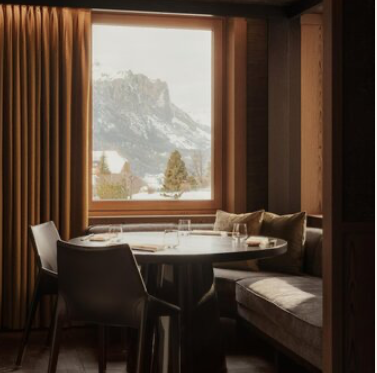
Key Takeaways

  • Book through a charter, broker, or membership, and select an aircraft based on distance and group size.
  • Arrive at a private terminal shortly before departure with proper ID—no waiting around.
  • Confirm safety standards, operator credentials, and all-in pricing before you step on board.

Understanding Private Aviation

Private aviation hands you the keys to your travel schedule, aircraft, and onboard vibe—commercial airlines just can’t compete. To fly private with confidence, you’ll want a grip on how services are structured, what drives pricing, and the lingo operators toss around.

What Sets Private Jet Travel Apart

With a private jet, you depart from a Fixed Base Operator (FBO) instead of the usual terminal chaos. You can show up minutes before takeoff, walk straight to your jet, and forget about TSA lines or crowded gates. There’s a solid overview of this process in this guide to flying private for the first time.

You call the shots on timing. The jet waits for you, and you can often tweak departure times if needed.

Cabins run the gamut—most offer club seating, a real lavatory, and enough space to relax or work in peace. Privacy, time savings, and direct routes to airports airlines ignore are the big draws. Branded options like the Four Seasons private jet take this further, pairing flight with curated hotel-managed itineraries.

Efficiency is the real currency here. You cut out security lines, layovers, and boarding bottlenecks, which can shave hours off your total travel time.

Types of Private Aviation Services

Private aviation comes in three main flavors:

  • On-demand charter
  • Jet card membership
  • Fractional or full ownership

On-demand charter is usually the way to go if you’re new to this. You book a specific flight for a specific trip, pay for just that, and that’s it. There’s a handy breakdown of the process in this guide. To compare operators side by side, our roundup of the leading private jet charter companies is a good starting point.

Jet cards require an upfront deposit for guaranteed hourly rates and access to a set fleet. Fractional ownership means you buy a slice of a specific aircraft, while full ownership means, well, it’s all yours—along with every responsibility. The big fractional player is NetJets, and their pricing model is worth understanding before you commit.

Each model changes the game on flexibility, price predictability, and availability. Compare contracts, peak-day restrictions, and cancellation terms before you jump in.

Key Industry Terms and Concepts

Private flying has its own language—might as well get comfortable with it.

Charter agreement: the contract spelling out terms, cancellations, and liability.
Empty leg: a repositioning flight, often discounted, when the jet needs to move without passengers.
FBO (Fixed Base Operator): the private terminal where you’ll check in and board.

Picking your jet matters. Light jets are perfect for short hops with minimal luggage. Midsize and heavy jets offer more range, stand-up cabins, and extra perks.

Hourly billing is standard. Operators charge from engine start to shutdown. Watch for extras: crew overnight fees, catering, de-icing, and international handling. Knowing these basics keeps you from getting blindsided by surprise fees.

Preparing for Your First Private Flight

You’ll want to lock in the right jet, make sure your documents are in order, and pick airports that actually make sense for your schedule. A little planning up front means a seamless first experience.

Booking Process and Options

Decide how you want to get in the game. Most first-timers go for on-demand jet charter—no need to lock yourself into a membership or ownership yet.

A solid charter provider will lay out your options based on route, passenger count, bags, and range. Expect real details on cabin size, flight time, Wi-Fi, and catering before you commit.

Insist on transparent pricing. Your quote should break down flight time, fuel surcharges, crew costs, repositioning fees, and taxes. If it’s vague, walk away.

If your dates are flexible, ask about empty leg flights. These can save you a chunk of change, but you’ll need to work around fixed departure times and routes.

For a more structured look at the process, check out this complete 2025 guide to your first private jet flight.


Essential Documentation and Requirements

You still need proper ID, even if you’re skipping the commercial chaos. Domestic flights? Bring a government-issued photo ID. International? Passport, and double-check visa rules.

Your charter company takes care of flight plans, permits, and landing slots, but you’ll need to provide full legal names and birthdates—exactly as they appear on your ID.

International trips might mean dealing with customs. Most private terminals offer expedited processing, but you’re still subject to the same entry rules as everyone else.

Baggage limits vary. Light jets are more restrictive than midsize or heavy jets, so confirm with your provider.

Want a deeper dive? This guide on how to prepare for your first private flight covers what your operator will handle for you.


Choosing Departure and Arrival Airports

This is where private aviation really shines. You can fly out of smaller regional airports, often much closer to home or your office, and cut out the long drive to a big hub.

Private flights run from FBOs—not the main terminal. Show up 15–30 minutes before departure, meet your crew, and you’re off.

When picking airports, think about:

  • Runway length (not every jet fits everywhere)
  • Operating hours and possible slot limits
  • Customs (for international arrivals)
  • Ground transportation options

Your charter provider will suggest airport pairs, but you always have the final say. For a step-by-step look at what happens on flight day, this guide covers FBO procedures and timing.

Pick the right airports and your schedule stays in your hands—not the airline’s.

Selecting the Right Private Jet

You’ll want to match your jet to the trip distance, group size, and your own standards for comfort. Aircraft size, range, seating, and onboard features all play into your experience—and your final bill.

Aircraft Types and Cabin Classes

Private jets break down into clear categories. Don’t get distracted by the brand—focus on range and cabin size first.

A light jet usually seats 6–8, ideal for short routes (two to three hours). They’re efficient, great for smaller airports, but don’t expect to stand up straight or bring a ton of luggage.

Midsize and super-midsize jets step it up with more headroom, longer range, and real lavatories. They’re perfect for cross-country flights with 7–9 people.

Heavy and ultra-long-range jets are built for international travel. Full stand-up cabins, big galleys, and real baggage space.

For a rundown of categories and options, see this private aviation fundamentals and aircraft types guide.

Start with your route, then refine based on what you want inside the cabin.

Popular Jet Models for First-Time Flyers

Specific models help set expectations. Operators tend to recommend proven jets with strong safety records and steady availability.

The Hawker 800XP is a classic midsize choice for domestic trips. Seats eight, has a stand-up cabin, and can handle coast-to-coast with a fuel stop.

For nonstop international range, look at the Gulfstream G650 or Global 7500. These are the heavy hitters—multiple cabin zones, beds, and the legs for intercontinental routes.

When comparing, use a practical approach like this guide: passenger count, range, runway requirements, and baggage space all matter more than the paint job.

Pick the jet that fits your mission, not just the biggest one on the tarmac.

Evaluating Amenities and Range

Cabin features can make or break your flight. Check seating layout, Wi-Fi, and storage before you sign anything.

Most jets offer reclining leather seats, fold-out tables, and club-style setups that work for meetings or meals. Larger cabins might have divans that turn into beds.

Wi-Fi varies a lot—ask about speed, coverage, and whether it’s included or billed hourly. Long-range jets usually have better connectivity.

Entertainment can be anything from shared screens to full personal streaming setups.

Range is non-negotiable. A jet might technically reach your destination, but full passengers and bags can limit that. Confirm true nonstop capability under expected loads and weather.

Getting the right jet is about balancing distance, comfort, and features—don’t leave it to guesswork.

Private Flight Membership and Ownership Models

There are structured programs that give you access to private jets without outright ownership. The right choice comes down to how often you fly, how much capital you want to commit, and how hands-on you want to be.

Jet Cards and Membership Programs

A jet card buys you prepaid flight hours (usually 25 at a time) in a specific jet category—light, midsize, or super-midsize. You pay upfront, lock in hourly rates, and usually get guaranteed availability with as little as 24–72 hours’ notice.

Most jet cards offer:

  • Guaranteed access
  • Fixed hourly rates
  • No long-term ownership
  • Access to a vetted operator network

A private plane membership program can bridge the gap between charter and ownership. Some charge initiation and monthly fees, others just require a deposit.

You skip maintenance and crew headaches. Just watch for peak surcharges, fuel adjustments, and blackout dates—they can affect price and availability.

Fractional Ownership Overview

Fractional ownership means buying a share (often 1/16 or 1/8) of a specific jet. Your share equals a set number of flight hours a year—usually 50 to 100.

You’ll sign a multi-year contract and pay:

  • An upfront acquisition fee
  • Monthly management fees
  • Hourly operating costs when you fly

This gets you consistent access and full support from a managed fleet, but with less capital risk than buying outright.

Major providers position fractional as a middle ground. For a side-by-side look, check out this comparison guide.

Expect to commit for three to five years. At the end, you resell your share at market value, which can go up or down.

Full Aircraft Ownership Considerations

Full ownership means it’s your jet, your schedule, your branding, your crew. You decide how it’s run, within regulations.

But you also take on:

  • Purchase price
  • Crew salaries and training
  • Maintenance and inspections
  • Insurance and hangar
  • Fuel and operating costs

Ownership only makes sense if you’re flying at least 200 hours a year. Most first-timers start with charter or jet cards before even thinking about owning. If you want a deep-dive, this beginner’s guide is a good place to start.

If you want total control and don’t mind the investment, ownership delivers. If you want flexibility and less hassle, structured programs are usually smarter.

Arriving and Boarding at the Private Terminal

You’ll show up just before departure, stroll through a calm terminal, and step straight onto your jet from the ramp. The whole process revolves around the FBO, minimal security, and seamless ground transport.

What to Expect at the FBO

Your flight doesn’t begin at the chaos of the main terminal. Instead, you’ll head to an FBO (fixed-base operator)—think of it as your private gateway, tucked away from the crowds and lines.

Most are located on the quieter edges of airports, whether you’re flying out of a boutique airfield or a major city hub.

Arrive just 10 to 15 minutes before wheels-up. That’s not a typo; private aviation respects your time, not the other way around.

Plenty of operators spell out this timing—here’s a straightforward FBO overview if you want a preview.

Inside, you’ll find a reception desk, a calm lounge, restrooms, and usually a spread of snacks and drinks. Staff will greet you by name, sync with your crew, and keep an eye on weather or routing changes as you relax.

When your jet’s ready, you simply stroll out across the ramp—no boarding groups, no gate announcements, no jet bridge shuffle. It’s refreshingly direct.

Security, Check-In, and VIP Lounges

Security at an FBO is, thankfully, nothing like TSA. You’ll still show ID and confirm your details, but the process is smooth and discreet.

For domestic flights, check-in is as simple as giving your name at the desk and flashing a driver’s license. International trips mean a passport check—your operator or crew usually handles customs in advance.

Most FBOs offer a VIP lounge for charter and jet card clients. Expect comfortable seating, fast Wi-Fi, workspaces, and light bites.

You set the pace. As this boarding guide explains, there’s no rush—boarding starts when you and your crew are ready.

Ground Transportation and Valet Services

Ground transfers matter, and the best FBOs know it. Valet parking is standard at most, so you can step from your car straight into the lounge.

If you’d rather not drive, the FBO or your charter company can arrange executive sedans, SUVs, or even chauffeured limos—often staged right at your plane.

At select airports, your car can meet you planeside. That means you step off the jet and into your vehicle, skipping the terminal entirely.

For seamless transfers, share your driver’s contact info ahead of time and double-check pickup details with your crew. It’s a small step that saves hassle.

Onboard Experience and Comfort

The first time you board a private jet, it’s a revelation. The difference in space, privacy, and control is immediate—there’s a reason this is the gold standard.

From plush leather seats to Wi-Fi and personalized meals, every detail is about your comfort and schedule. You’re in charge, not the airline.

Cabin Environment and Seating

The cabin is quiet, climate-controlled, and feels more like a high-end living room than a plane. Light and midsize jets typically seat 4–9, often in club layouts, while larger models add divans, conference tables, and crew rest areas.

You’ll get reclining leather seats with adjustable headrests and serious legroom. Seats swivel and slide, so you can face your travel partners or stretch out solo.

Cabin altitude is lower than commercial, which helps keep you feeling sharp after longer flights. The windows are bigger, and you can control the light with shades or electronic dimmers.

Storage is within arm’s reach. No wrestling with overhead bins—your essentials stay close.

If you want a full breakdown of the private flight experience, check this what to expect when flying private guide.

In-Flight Services and Custom Catering

You call the shots on food and drink before departure. Most operators source from top local restaurants or upscale caterers, not mystery airline kitchens.

Short hops might mean artisanal snacks, fruit, and a curated drink list. Longer routes? Multi-course meals on real plates—yes, it’s as good as it sounds.

Flight attendants are standard on midsize and larger jets. On smaller planes, pilots may step in for light service, but safety always comes first.

You can request:

  • Special diets (gluten-free, vegan, you name it)
  • Your favorite Champagne or wine
  • Kid-friendly meals
  • Celebration touches—think birthday cakes or flowers

For a practical take on booking and what to expect, this first-timer’s guide covers the essentials.

Connectivity and Entertainment Options

Most midsize and large jets offer onboard Wi‑Fi—often included in your charter. Speeds vary, so if you need to stream or video call, ask about bandwidth before booking.

You can work, send big files, or join meetings confidently. Outlets and USB ports are usually at every seat.

Entertainment? Some jets have built-in screens; others let you stream to your own device. Cabin systems often let you set lighting, temperature, and media with a touchscreen or app.

Want to dig deeper into perks and booking? This comprehensive guide lays out the private jet experience from start to finish.

Private Jet Etiquette and Best Practices

Private aviation is built on discretion and respect—for the crew, the aircraft, and your fellow passengers. Knowing the basics of etiquette makes the whole experience smoother (and, frankly, more enjoyable).

Passenger Conduct and Dress Code

Punctuality matters. Arrive at the FBO when your operator suggests—usually 15–20 minutes before takeoff. Last-minute changes are best avoided unless absolutely necessary.

Dress smart, but don’t overthink it. Business casual is the sweet spot: tailored trousers, a blazer, a sharp dress, or elevated leisurewear. Skip flip-flops, wrinkled clothes, or loud graphics.

Once on board, treat the cabin as a refined shared space.

  • Keep your stuff contained.
  • Use a moderate speaking volume.
  • If seating isn’t assigned, let the aircraft owner or principal guest pick first.

For a deeper dive, this etiquette guide is worth a look.

Respect privacy—don’t snap photos of the cabin, other guests, or tail numbers without a clear okay.

Interaction with Crew and Flight Staff

Crew are there for your safety first, service second. Address them professionally, listen to safety briefings, and follow instructions promptly.

Be direct and polite with requests: “Could I get sparkling water with ice?” or “Would you mind lowering the temperature a bit?” Clear communication helps everyone.

Discretion is non-negotiable in private aviation. This Travel + Leisure guide has useful insights on tone, seating, and behavior.

If you’re the charter client, share special requests in advance with your broker or operator. Surprises are better left for parties, not flights.

Tipping and Service Expectations

Tipping customs vary. If you’re chartering, it’s standard to discreetly tip the cabin attendant for excellent service—usually after landing.

If it’s an owner-flown trip, follow your host’s example. Don’t tip unless you’re sure it’s appropriate for that situation.

Service is personal but always professional. For a quick primer on dos and don’ts, check this etiquette list.

Avoid excessive or last-minute requests that disrupt crew schedules. Respecting their time shows you get how this world works.

Safety, Compliance, and Choosing a Provider

Flying private means you’re in control—not just of timing, but of who you trust with your safety and experience. It pays to be a little picky.

Regulatory Standards and Certifications

In the U.S., private charters run under FAA Part 135—strict rules for pilot training, duty hours, maintenance, and operations. In Europe, it’s EASA regulations, which are equally rigorous.

Always confirm your operator holds a current Air Operator Certificate (AOC). That’s your proof they meet national safety standards and can legally fly you.

Top-tier operators stick to manufacturer maintenance programs and document every inspection. For a closer look at the regulatory side, see this private jet regulations primer.

International flights add layers: customs, overflight permits, and cabotage rules. Your provider should handle these directly—not outsource without oversight.

Safety Ratings and Audits

Third-party audits are your friend. Groups like ARGUS and Wyvern dig deep into operator records, pilot hours, and safety protocols.

An ARGUS Platinum rating means on-site audits and continuous monitoring. It’s a serious badge of quality, not just a rubber stamp.

Ask pointed questions:

  • When was your last third-party audit?
  • What’s your current safety rating?
  • Are all flights under your own AOC?

Some brokers resell flights run by others. Always know exactly who’s flying you, and check their credentials. For more on this, here’s a safety regulations breakdown.

Evaluating Charter Providers

Charter providers come in two flavors: some own or manage jets, others are just brokers. The difference matters.

Request:

  • The operator’s legal name
  • Aircraft tail number
  • Proof of insurance
  • A copy of the AOC

Get clear on cancellation terms, peak surcharges, de-icing, and international fees before signing. Transparent contracts mean fewer surprises.

If you’re new to private flights, this cost, safety, and etiquette guide is a smart place to start.

When you pick a provider, you’re choosing a risk manager as much as a travel partner. Prioritize transparency, compliance, and proven safety over mere convenience.

Frequently Asked Questions

Flying private is a world apart, but it comes with its own set of decisions—booking, pricing, airport routines, and membership options. Knowing what to expect helps you get the most from your first flight.

What are the steps involved in booking a private jet for the first time?

Start with the basics: your route, dates, passenger count, and luggage needs. This info determines your aircraft category—light, midsize, or heavy jet.

Request quotes from a broker or operator. This full guide walks through paperwork, aircraft selection, and pricing.

Once you pick an option, you’ll sign a charter agreement and send in passenger details. The operator handles flight planning, crew, catering, and ground arrangements—just watch for your terminal instructions.

How do I find the best deals on flying private without compromising luxury?

Compare one-way charters, jet card rates, and memberships before committing. Flexibility with dates and times can trim costs.

Keep an eye out for repositioning deals and always get multiple quotes for your route. This cost and etiquette guide explains price differences by jet size and trip length.

Luxury isn’t about the lowest price—it’s about verified safety, newer aircraft, and top-tier amenities. Don’t settle.

What should I expect regarding customs and immigration when flying internationally on a private plane?

Customs and immigration are still required, but the process is usually private and efficient at the FBO. Submit passport info ahead so authorities can pre-clear you.

On arrival, officers may board your jet or guide you to a private inspection room. This international guide covers required documents and arrival steps.

Double-check visa and entry requirements well in advance. It’s the one detail you don’t want to leave to chance.

Can I calculate estimated flight times before booking a private jet?

You can get a ballpark idea of flight times by looking at the route distance and the cruising speed of the aircraft. Light jets tend to be a bit slower than midsize or heavy jets, so there’s a difference in total travel time—sometimes it’s more than you’d expect.

Most operators will show you a preliminary estimate during the quoting process. This First Private Jet Flight Complete 2025 Guide covers how booking platforms give you a sense of timing before you commit.

Of course, weather, ATC routing, and the odd fuel stop can nudge your schedule a bit. Still, you’ll usually know what to expect before you sign anything.

What are empty leg flights, and how can they benefit my private travel experience?

Empty leg flights happen when a private jet has to reposition—say, flying back to base or heading to pick up another client—without any passengers on board. Operators will often slash prices for these empty segments just to recover some costs.

If your plans are flexible and you can work with the set route and departure time, you can score charter pricing that’s dramatically lower than usual. The Complete Guide to Flying Private for the First Time breaks down how to book these and why a little flexibility can go a long way.

But don’t expect to tweak the itinerary; you’ll need to adapt to the operator’s timing. That’s the trade-off for the savings.

How do exclusive private jet membership programs work?

Membership programs usually ask for an upfront deposit or an annual fee. In return, you get guaranteed access to jets at set hourly rates—sometimes those rates are locked in for a year or two, which can be a lifesaver if you’re flying often.

You’ll pick your flight hours as you need them, and the provider just deducts them from your balance. If you’re curious about the ins and outs, this First Time Flier’s Guide To Flying On A Private Jet covers how these access models really work for frequent travelers.

Before you sign up, it’s smart to take a close look at blackout dates, peak surcharges, and cancellation policies. Small details, but they matter more than you’d think.

Aman vs. Four Seasons: A Brutally Honest Comparison of Two Luxury Hotel Empires

0

Choosing between Aman and Four Seasons really sets the vibe for a luxury trip. Both serve up five-star comfort, but their philosophies couldn’t be more different.

Aman is for travelers who crave privacy, minimalist design, and far-flung settings. Four Seasons is for those who want reliable service, lots of amenities, and family-friendly flexibility in cities and resorts around the world. Aman goes for intimate resorts with just a handful of rooms and a deep sense of place—often at a premium price for that exclusivity, as discussed in this Aman more luxurious than Four Seasons breakdown.

Four Seasons, on the other hand, runs bigger properties with tons of facilities and more pricing tiers. That’s a huge plus for travelers with different needs, as outlined in Four Seasons vs. Aman: Which is Best?.

Let’s break down how each brand tackles service, design, food, wellness, and value—so you can figure out which one actually matches your style.

Key Takeaways

  • Aman is all about privacy, small-scale resorts, and immersive design.
  • Four Seasons delivers consistency, bigger hotels, and a wider range of amenities.
  • The “better” choice? Depends on your travel style, budget, and destination.

Aman vs Four Seasons: Brand Overview

Aman and Four Seasons are both at the top of the luxury hotel game, but they play very different roles. One’s all about seclusion; the other, consistency and global reach. If you’re curious where these brands sit relative to the rarefied tier of a six-star hotel, that distinction comes down to exclusivity and service intensity more than any official rating.

Brand Philosophy and Heritage

Aman started in 1988 with a single resort in Phuket. Its entire identity is built around intimacy, space, and an almost monastic restraint in architecture.

Aman Resorts usually have just a handful of rooms, often tucked away in remote or culturally rich places. Privacy and a slow, personalized pace are the norm.

Aman’s reputation? It’s the “if you know, you know” brand—ultra-exclusive, with a strong focus on tailored service, as noted in this Aman and Four Seasons luxury positioning piece.

Minimalism, a sense of place, and a sky-high staff-to-guest ratio are the hallmarks.

Four Seasons was founded in 1960 in Toronto. Its big thing: service consistency, no matter if you’re in Paris or Punta Mita.

These hotels are usually bigger, with multiple restaurants, sprawling spas, and plenty of kid-friendly touches, as detailed in Four Seasons vs. Aman hotel differences.

Four Seasons is that dependable luxury brand—urban polish meets resort ease.

Global Presence and Reputation

Four Seasons is everywhere—across North America, Europe, Asia, the Middle East, and Africa. That scale brings strong brand recognition and a sense of, “Yeah, I know what I’m getting.”

It’s consistently ranked among the best non-points luxury hotel brands, right up there with Rosewood and Mandarin Oriental, as seen in this world’s best luxury hotel brands roundup.

For business travelers, families, or anyone who likes a familiar face, Four Seasons is a safe bet.

Aman, meanwhile, is tiny by comparison. Its portfolio is super curated—think handpicked, destination-driven, and often at a higher nightly rate, as shown in Aman Resorts vs Four Seasons positioning.

Aman’s reputation is all about discretion and immersion. Four Seasons? Reliability, a service-first culture, and broad appeal.

Personalized Service and Guest Experience

Service is where these two really split. Both say they’re personalized, but the way they go about it couldn’t be more different.

Intuitive and Bespoke Service Styles

Aman has a reputation for service that feels almost psychic—discreet, intuitive, and deeply personal. Staff often remember your preferences before you even arrive.

With so few rooms, teams can anticipate needs without hovering. This is echoed in the Four Seasons vs. Aman comparison by Luxury Travel Diary, which points out that Aman hotels are smaller and more individual.

Four Seasons is about structure and predictability. Service training is standardized across the globe, so room service, concierge, and in-room touches are always on point.

Book through a Four Seasons Preferred Partner and you might get a welcome amenity or a handwritten note. The whole thing feels polished and organized—less private, maybe, but super reliable.

Staff-to-Guest Ratio and Attention to Detail

Aman keeps a high staff-to-guest ratio. Fewer rooms means staff can keep detailed guest profiles and deliver subtle, near-invisible service.

You’ll often be greeted by name, and the staff seem to just “know” what you want. Housekeeping and dining are coordinated to keep things private and seamless.

Industry chatter often says Aman is about exclusivity and privacy over scale, as highlighted in whether Aman is more luxurious than Four Seasons. That exclusivity is what lets staff really tune in to each guest.

Four Seasons has strong staffing too, especially at resorts. But with bigger properties, service is more visible and a bit more “buzzy.”

Front desk, concierge, spa, and F&B teams work in shifts. You’ll get prompt attention, but the vibe is more lively than secluded.

Family and Business Travel Considerations

Four Seasons really leans into family and business travel. Kids’ clubs, business centers, and a bunch of restaurants are the norm.

That makes it a go-to for multigenerational trips and corporate stays. The Luxury Travel Diary comparison points out that Four Seasons properties have more facilities, which is a big win for families and business travelers.

Aman, by contrast, is for those looking for privacy, romance, or serious wellness. Families aren’t excluded, but the mood is calm, not active.

Business travelers might miss formal meeting spaces at Aman. But if you’re an exec who wants discretion and high-touch service, Aman’s vibe is hard to beat.

Design, Ambience, and Accommodation

Aman and Four Seasons both ooze luxury, but their environments are worlds apart. One’s about space and silence; the other, scale and variety.

Architecture and Interiors

Aman properties feel more like private sanctuaries than hotels. Take Aman Tokyo—massive ceilings, washi paper, stone soaking tubs, and a calm, almost home-like atmosphere high above the city.

Aman Venice is set in a historic palazzo with original frescoes and Murano chandeliers. Designers mix modern furniture into the old bones without clutter. The result? Quiet, curated, and a little magical.

Four Seasons goes for refined, location-specific design with mass appeal. Four Seasons Hotel Tokyo at Otemachi is all sleek lines, skyline views, and marble bathrooms.

At beach resorts like Four Seasons Surfside, it’s about light, ocean views, and big public areas. Interiors are elegant, structured, and consistent, even as the décor shifts by region.

Boutique Hotel vs Large-Scale Luxury

Aman is basically the definition of a boutique hotel brand. Most have fewer than 50 rooms or suites.

That scale means you’ll rarely run into crowds. Staff interactions are discreet and personal.

Industry comparisons point out that Aman is smaller and more individual, while Four Seasons is bigger and more uniform, as discussed in Four Seasons vs. Aman: Which is Best?.

Four Seasons builds for variety and energy. City hotels often have 200+ rooms, multiple restaurants, ballrooms, spas, and family facilities.

This size works for business travelers, events, and big family trips. It’s lively, but don’t expect the same level of seclusion as Aman.

Room Categories and Private Residences

Aman’s standard rooms are big, with lots of symmetry, natural materials, and seamless living spaces. Tech is hidden—think TVs behind panels and low-key lighting.

Suites often expand into pavilions or villas. Some properties even offer private residences with their own entrances but full hotel services.

Four Seasons has a wider range of room types, from basic guest rooms to presidential suites. Urban hotels like Four Seasons Tokyo at Otemachi focus on ergonomic workspaces, walk-in closets, and bathrooms with city views.

There’s also a robust residential program, with standalone towers and mixed-use developments like Four Seasons Surfside. These residences offer concierge, security, and housekeeping, so you get the hotel vibe but with more permanence.

Culinary Experiences and Dining

Food is a huge part of any stay, right? Aman and Four Seasons have very different takes, from Michelin-starred restaurants to private, chef-driven experiences.

Fine Dining and Michelin-Starred Restaurants

Four Seasons is known for fine dining at scale. Many properties partner with celebrity chefs, and some have Michelin stars or award-winning culinary teams, as seen in this Four Seasons, Mandarin Oriental, Aman Resorts luxury hotel comparison.

Expect polished rooms, deep wine lists, and formal service. Not every Four Seasons has a Michelin star, but the brand aims for high-level gastronomy in its flagship locations.

Aman, meanwhile, doesn’t chase awards. Its focus is on culinary identity and setting. Reviews of elite hotel brands including Four Seasons and Aman highlight Aman’s emphasis on atmosphere, ingredient quality, and intimate spaces.

So, Four Seasons is about recognizable world-class dining. Aman is more about refined, local cuisine in peaceful settings.

Private and Destination-Focused Dining

Private dining is where Aman shines. With fewer rooms and more staff, they can pull off customized dinners—beachside, temple-view, or in your villa.

A comparison of Four Seasons vs Aman hotel styles notes Aman’s intimate approach extends to dining, too.

You might get a multi-course kaiseki in a private pavilion or a candlelit meal in the desert. It’s all about privacy and sense of place.

Four Seasons does private dining too, especially at resorts. But it’s usually within a bigger ecosystem of restaurants, lounges, and event spaces.

That’s great for events, business dinners, or big family celebrations. Aman is better for couples or anyone craving a deeply personal dining experience.

Diversity of Culinary Offerings

Four Seasons wins on variety. Big hotels mean multiple restaurants—steakhouses, Asian, Italian, pool grills, lobby bars—all under one roof.

That’s perfect for families or groups with different tastes. Urban Four Seasons hotels often double as hot local dining spots, not just hotel eateries.

Aman, on the other hand, curates just a few outlets per property, but each fits the brand’s philosophy. In Bangkok, Aman Nai Lert takes a thoughtful, locally grounded approach, as explored in how Aman Nai Lert Bangkok is reinventing hotel dining.

Seasonal ingredients, regional cooking, and a calm setting are the focus. So, do you want lots of variety, or a tightly focused, destination-driven dining scene?

Wellness, Spas, and Holistic Offerings

Aman and Four Seasons both pour serious resources into wellness, but their approach is pretty different. Aman goes for immersive, retreat-style experiences.

Four Seasons delivers high-end spas and a consistent set of wellness facilities, whether you’re in a city or at a resort.

Signature Spa Treatments

Aman’s spas are these quiet sanctuaries—almost like little worlds within each property. They’re usually woven into the destination itself, with treatments that riff on local traditions and natural materials.

You’ll notice the pace is slower, the rituals longer. It’s all about privacy, a small menu of services, and therapists who get to know you a bit, especially if you’re there for one of their Aman wellness retreats.

Four Seasons, on the other hand, is all about consistency and scale. You get high standards, a broad spa menu, and facilities that rarely disappoint.

They’re reliable, and that’s not a bad thing. This Aman vs Four Seasons luxury positioning piece sums it up: Four Seasons wins on breadth and dependability, Aman on depth and immersion.

If you want predictability, big-name skincare brands, and lots of choices, you’ll probably go for Four Seasons. But if you crave a quiet, design-forward spa where you feel like the only guest, Aman’s got the edge.

Holistic Wellness Programs

Aman crafts these multi-day wellness programs—detox, yoga, mindfulness, longevity. They’re structured but personal, often including private consults and meals designed just for you.

It’s intimate, and staff can tweak your plan as you go. Feels bespoke, honestly.

Four Seasons weaves wellness into the bigger hotel experience. Think curated sleep menus, visiting specialists, and a focus on nutrition, but not usually full-on retreats.

Aman tends to charge more for these deeper, more immersive programs. That’s partly because of their smaller scale, as this Aman Resorts vs Four Seasons article points out.

If you want to unplug and reset in a place that feels far from the world, Aman’s probably your pick. For strong wellness options in a lively or family-friendly setting, Four Seasons is the safer bet.

Fitness and Recreation Facilities

Four Seasons usually goes big—multiple pools, large gyms, trainers, classes. Most properties are built to keep active travelers and families happy.

Reviews often mention how Four Seasons hotels have more facilities overall. They’re great if you want options or have kids in tow (Four Seasons vs Aman).

Aman’s approach is almost the opposite. Fitness spaces are discreet, often minimalist, and the activities lean toward yoga, nature walks, or private sessions.

It’s less about high-energy group classes, more about calm and control.

If you want variety and a social vibe, Four Seasons is the clear winner. For privacy and a slower pace, Aman feels more special.

Location and Destination Appeal

Where you stay shapes everything, right? Aman and Four Seasons have totally different philosophies on location and how they connect you to the place.

Urban Icons and Rural Retreats

Aman loves low-density, architecturally distinct settings. Their properties are often tucked away in remote landscapes or hidden city corners—never just another hotel.

In urban settings, Aman picks symbolic spots. For example, Aman Tokyo sits atop a modern tower in Otemachi, with minimalist design and sweeping city views.

If you want to see how Aman Tokyo and Four Seasons Otemachi stack up, check out this detailed comparison. Aman feels like a peaceful retreat above the city, not part of the hustle.

Four Seasons is more about balance. They’ve got showpiece city hotels—like Madrid or business hubs—plus big resorts in beach and mountain locations.

Industry folks looking at Aman Resorts vs Four Seasons often say Aman leans into destination, while Four Seasons blends city buzz with classic resort comfort.

Access to Local Attractions

Four Seasons usually picks addresses within walking distance of main attractions, shopping, and business centers. That’s a huge plus for business travelers and families who don’t want to waste time in transit.

In places like Tokyo or Madrid, you can reach museums, restaurants, or meetings in minutes. Plus, with several on-site dining options, you don’t have to leave unless you want to.

Aman’s focus is immersion, not convenience. Some properties are outside city centers or need a transfer from the airport, which amps up privacy but adds travel time.

Comparative reviews like Four Seasons vs. Aman: Which is Best? note that Four Seasons hotels are larger and more facility-driven, while Aman’s are smaller and more individual.

If you’re booking through a preferred partner, your location strategy can mean better upgrades in busy cities or longer stays in secluded retreats.

Comparison of Flagship Properties

Aman Tokyo and Four Seasons Hotel Tokyo at Otemachi are a great case study—they’re neighbors, but worlds apart in feel.

Aman Tokyo is all about calm: big spaces, quiet design, and a vibe that makes you forget you’re in the business district. The public areas feel like an upscale private home.

Four Seasons Otemachi is more about accessibility and modern luxury in a high-rise. You get meeting rooms, destination dining, and those classic city views, but in a more conventional hotel format.

Both brands rank among the world’s best luxury hotel brands, so the difference really comes down to philosophy and location.

Aman picks fewer, highly curated spots. Four Seasons offers a wider network, so if you want consistency wherever you go, they’re tough to beat.

Value, Pricing, and Loyalty Programs

Rates, perks, and upgrades—these can make or break your choice. Aman and Four Seasons have very different takes on pricing and loyalty, especially if you care about elite benefits or booking through a preferred partner.

Price Comparison and Inclusions

Aman almost always charges more per night. Smaller properties, fewer rooms, and destination-driven design push the rates up.

They can “often command higher nightly rates,” as you’ll see in this Aman Resorts vs Four Seasons pricing differences breakdown.

Four Seasons runs bigger hotels with more standardized facilities—multiple restaurants, pools, family amenities—which means you might get more for your money.

Both brands are at the top end of the market. Aman’s intimacy comes at a premium, with fewer inclusions in the base rate.

If you love privacy and architecture, you might be fine paying Aman’s prices. If you want more facilities for your dollar, Four Seasons is the more flexible choice.

Preferred Partner and Elite Benefits

Four Seasons has a well-oiled preferred partner program. Book through certain advisors and you’ll get daily breakfast, hotel credits, early check-in, late check-out, and priority for upgrades—all complimentary.

That’s a big deal and often gets mentioned in Aman and Four Seasons value propositions comparisons.

Aman works with select advisors too, but the perks aren’t as standardized and vary by property.

Neither brand is in a big points-based ecosystem like Marriott Bonvoy or Rosewood Elite. No earning or redeeming points across dozens of hotels.

If you’re already booking premium rates, those partner perks can save you a few hundred bucks per stay.

Loyalty Programs and Room Upgrades

Aman doesn’t do formal loyalty. Regular guests might get special treatment or perks, but it’s more about relationships than status tiers.

This is confirmed in comparisons like Four Seasons vs Aman hotel programs.

Four Seasons is similar—no points program, just a focus on consistent service and advisor-driven perks.

Room upgrades at both depend on occupancy and how you book. Go through a preferred partner for the best shot at a one-category upgrade at check-in.

If you want guaranteed upgrades and elite tiers, you’ll be happier with a points-driven brand. If personal recognition matters more than collecting points, Aman and Four Seasons both work.

Awards, Industry Recognition, and Market Position

Aman and Four Seasons sit at the very top of the luxury hotel scene, but their reputations are built differently. Aman’s all about scarcity and design, while Four Seasons relies on scale and consistent accolades.

World’s 50 Best Hotels Rankings

The World’s 50 Best Hotels list is a solid pulse check on luxury. Aman pops up with individual resorts—architecture, privacy, and a sense of place are the usual reasons.

Since Aman has a smaller portfolio, their wins are about standout destinations rather than brand dominance.

Four Seasons, with its huge footprint, gets multiple properties on the list. That breadth is their strength.

Comparisons like Aman vs Four Seasons luxury positioning often say Aman is more exclusive, Four Seasons more consistent.

Rankings are nice, but they don’t always predict the vibe or reliability you’ll get at every property.

Travel + Leisure and Industry Awards

Travel + Leisure awards matter to a lot of travelers. Four Seasons usually scores high, thanks to its global reach and loyal guests.

They even keep a running tally of Four Seasons awards and accolades. That visibility cements their reputation for service.

Aman gets love for intimacy and design but shows up less in big reader polls, simply because there are fewer of them. Editorials focus on their architecture and the depth of the experience.

In mass-market awards, Four Seasons has the edge. In niche, design-driven circles, Aman tugs at the heartstrings.

Comparison to Other Elite Brands

In the broader luxury world, Aman and Four Seasons go up against Mandarin Oriental, Rosewood, Belmond, and Capella. Each has its own spin on luxury.

Four Seasons is the king of big urban hotels and full-service resorts. Analysts looking at Four Seasons vs Aman hotel differences say Four Seasons usually has more facilities and is great for families.

Aman is smaller, more secluded, and restrained in design. According to world’s best luxury hotel brands, quality can vary across all these brands, but Aman’s individuality stands out.

Belmond is about heritage—think historic trains and grand old hotels. Its rail icons, led by the Venice Simplon-Orient-Express, headline our guide to the world’s best luxury train journeys. Capella is boutique, high-touch, and loves big gateway cities.

Here’s how they stack up:

  • Aman: Ultra-luxury, understated, expensive
  • Four Seasons: Global leader, operational powerhouse, huge portfolio
  • Mandarin Oriental / Rosewood: Stylish global competitors
  • Belmond / Capella: Heritage and boutique specialists

These brands set the tone for modern luxury, but Aman and Four Seasons are the clear heavyweights—each with their own crowd.


Verdict:
If you want privacy, design, and a sense of being somewhere truly special, Aman is hard to top—though you’ll pay for it. Four Seasons is the choice for travelers who want consistency, top-notch service, and lots of options, whether you’re in a city or at a resort. Personally? If I’m splurging for a once-in-a-lifetime escape, I’d lean Aman. For regular luxury travel, Four Seasons is just easier and more reliable. It really comes down to what matters most to you: retreat or reach?

Aman vs. Four Seasons: Which Luxury Hotel Brand Really Wins?

Let’s be honest: nobody books Aman or Four Seasons by accident. These are the big leagues of luxury, but they don’t play the same game.

Aman is for travelers who crave privacy and peace. Think minimalist design, architecture that blends into the landscape, and a vibe so hushed you might feel like you’re in a private home—if your home just happened to sit on a Balinese cliff or a Bhutanese mountaintop.

Most Aman properties are tiny. We’re talking 20–50 rooms, tops. That means you’ll rarely bump into other guests, and the whole place feels like it’s been built just for you.

On the flip side, Four Seasons is the gold standard for consistency. You know what you’re getting, whether you’re in Paris or Punta Mita: polished service, a sprawling pool, and more dining options than you’ll have time to try. Their properties are bigger, sometimes massive.

Four Seasons leans into family travel, business, and big occasions. There’s usually a kids’ club, a spa that could double as a wellness resort, and enough meeting space for a corporate retreat.

Aman’s approach to dining is focused and limited—usually one or two restaurants, but each is dialed in to the local scene and the overall design. Four Seasons? You’ll find multiple restaurants, bars, and sometimes even Michelin stars.

When it comes to spas, Aman’s are serene, design-forward, and often tied into local wellness traditions. Four Seasons spas are larger, more menu-driven, and built to impress with their sheer scale.

Location-wise, Aman likes the road less traveled. You’ll find them in remote jungles, islands, or tucked away in ancient cities. Four Seasons is everywhere: city centers, beach resorts, ski slopes, and even private islands.

Pricing? Neither is a bargain, let’s be real. Aman often edges higher, especially at their most exclusive properties. Four Seasons sometimes offers better value in cities, especially if you’re using points or booking a suite for the family.

Speaking of points, Four Seasons doesn’t have a traditional loyalty program. Aman doesn’t either, but their regulars often get perks just for being repeat guests—think room upgrades or special experiences, but nothing advertised.

Who’s each brand best for? Aman is for design lovers, honeymooners, and anyone who wants to disappear for a while. It’s not really built for groups or families with kids. Four Seasons is the move for families, business travelers, and anyone who wants high-touch service plus a social scene.

Frequently Asked Questions

Aman and Four Seasons both do luxury, but in wildly different ways. One’s about privacy and minimalism; the other’s about scale and polished consistency.

What sets Aman Resorts apart from Four Seasons in terms of luxury?

Aman is all about seclusion. Their properties are small, often under 50 rooms, and designed to blend into the surroundings. The architecture is a statement, but it never shouts.

Industry deep-dives like this one point out that Aman is obsessed with how you feel—the emotional tone is everything.

Four Seasons, meanwhile, is about infrastructure and reliability. Big hotels, multiple restaurants, and the kind of spa you could get lost in.

How do the amenities compare?

Four Seasons comes out swinging with facilities. Multiple dining options, huge spas, kids’ clubs, and plenty of space for meetings or events.

Reviews like this make it clear: Four Seasons is built for families and groups who want options.

Aman keeps things pared back. Fewer restaurants, smaller wellness spaces, and public areas that are blissfully quiet.

Is Aman really more exclusive than Four Seasons?

Honestly, yes. Aman’s exclusivity comes from its small size and out-of-the-way locations. They’re hard to get to—and that’s the point.

Four Seasons has over 100 hotels worldwide; Aman has a fraction of that. The scarcity factor makes Aman feel rare.

But Four Seasons is exclusive in its own way: service is razor-sharp, and their reach is global.

How does the service differ?

Four Seasons trains its staff to anticipate what you need, sometimes before you even know you need it. There’s a system, and it works—especially in bigger hotels.

Aman’s service is quieter. Staff are there when you want them, invisible when you don’t. There’s less formality, and more of a sense that you’re being looked after by friends.

Business travelers tend to prefer Four Seasons for its efficiency, while Aman’s slower pace suits those looking to unplug.

Which brand delivers a more tailored guest experience?

Aman wins for uniqueness. Every property has a strong design narrative, and the experience is always tied to the local culture.

Four Seasons customizes through concierge teams and curated experiences, but you’ll always know what to expect.

Industry rankings like this one put both brands at the top, but for different reasons.

Verdict

If you want to disappear into a world of tranquility, design, and privacy, Aman is the clear winner. For families, business, or anyone who wants a guaranteed level of service and amenities, Four Seasons is unbeatable. It’s not even close—pick the one that matches your mood, and you won’t regret it.

How do the locations and destinations of Aman Resorts compare to those of the Four Seasons?

Aman goes out of its way to pick settings that are either jaw-droppingly beautiful or soaked in local culture. You’ll find their properties tucked away in remote deserts, perched on untouched coastlines, or hidden inside centuries-old compounds.

Four Seasons, on the other hand, is everywhere you’d expect—and probably a few places you wouldn’t. They’ve got a foothold in big-city capitals and all the classic resort hotspots, from ski mountains to sparkling beaches.

If you’re trying to choose between the two in a specific city, it’s a toss-up depending on what you want. For example, Aman Tokyo vs Four Seasons Otemachi shows Aman favoring a tranquil, design-forward vibe, while Four Seasons usually grabs the prime real estate and packs in more amenities.

15 Best Luxury Hotels in the Maldives with Overwater Bungalows

You’re thinking Maldives, right? Privacy, direct lagoon access, and refined service—all floating above the Indian Ocean. In 2026, the top luxury hotels with overwater bungalows are pushing things even further with sprawling decks, private pools, clever design, and seamless transfers from Malé.

This guide is here to help you figure out which luxury overwater bungalow in the Maldives is right for you in 2026. We’re comparing the big names (Soneva Jani, Gili Lankanfushi) and a handful of boutique and all-inclusive options. What really sets these water villas apart? And how do you make sure you’re not just booking a pretty photo? Let’s get into it.

1) Soneva Jani

Location: Noonu Atoll
Nightly Rate: $2,100–$20,000+
Standout Features: Retractable bedroom roofs, private pools, water slides, absurdly spacious decks
Insider Tip: Book villa #37 for the best sunset views and easy access to the main amenities. If you’re coming for stargazing, dry season (Nov–Apr) is your best bet.

Soneva Jani is the stuff of Maldives legend. It’s all about privacy, space, and design that feels more thoughtful than flashy.

Villas—one to four bedrooms—are scattered across both island and water settings. Each overwater option brings a private pool and a deck that basically hovers above glass-clear shallows.

Some villas have retractable roofs over the master. Stargazing from bed? Yes, it’s as dreamy as it sounds. A few even come with water slides that drop you straight into the lagoon.

Families, couples, or groups who need space and discretion will feel right at home here. The vibe is chill, sustainable, and quietly luxurious.

2) Gili Lankanfushi

Location: North Malé Atoll
Nightly Rate: $1,400–$18,000
Standout Features: All-overwater villas, rustic-chic design, the jaw-dropping Private Reserve
Insider Tip: Villa Suite #37 is especially private, but if you want the full “wow,” the Private Reserve is legendary (and bookable if you plan way ahead).

Gili Lankanfushi is a quick speedboat ride from Malé, so you’re not wasting vacation time on transfers.

The entire place floats above a shallow lagoon. No beach rooms—just overwater everything.

Suites are sprawling, with sun decks and direct lagoon access. If you’re after serious seclusion, the Private Reserve is a floating mansion—multiple living spaces, a private pool, and staff to take care of anything you dream up.

It’s a favorite for privacy, ocean immersion, and a sense of laid-back, barefoot luxury.

3) Kuramathi Maldives Deluxe Water Villa

Location: Rasdhoo Atoll
Nightly Rate: $700–$1,200
Standout Features: Large island setting, private deck, direct sea steps, in-villa wine chiller
Insider Tip: Villas at the very tip of the jetty (like #330) get the best uninterrupted ocean views—worth requesting if you like your neighbors distant.

Kuramathi is one of the Maldives’ bigger islands, so there’s room to roam.

Deluxe Water Villas perch right above the lagoon. Each comes with a private deck, king-sized bed, a daybed, and a bathroom with a freestanding tub.

The in-villa wine chiller is a nice touch, especially after a long swim.

You get the best of both worlds: privacy and the buzz of a larger island if you want it.

4) Baros Maldives Overwater Pool Villa

Location: North Malé Atoll
Nightly Rate: $950–$1,700
Standout Features: Private infinity pool, strong house reef, quick transfer from Malé
Insider Tip: Villa #314 is a sweet spot—close to the reef drop-off for snorkeling and not far from the main restaurant.

Baros is a classic—one of the originals, still keeping things polished.

Overwater Pool Villas come with a king-size bed, a wooden sun deck, loungers, and your own infinity pool. Step right into the ocean or just watch the reef life from your deck.

The interiors mix timber, sandstone, and thatch, giving it a true Maldivian feel. Each villa has a dedicated host, and the service is quietly attentive.

5) Constance Moofushi Overwater Suite

Location: South Ari Atoll
Nightly Rate: $1,100–$1,700 (all-inclusive)
Standout Features: Top-notch house reef, premium all-inclusive, open-plan terraces
Insider Tip: Book during manta season (Dec–May) for the best underwater action. Water Villa #82 is a favorite for privacy and reef access.

Constance Moofushi is a diver’s dream, but you don’t need a tank to enjoy it.

The resort is all-inclusive, so you can actually relax about the bill. Overwater Suites are perched above turquoise shallows, with open terraces and direct lagoon access.

Snorkeling starts right from your deck. Interiors are understated, with lots of natural wood and light.

Couples love it for the easy-going vibe and reliable service.

6) Six Senses Laamu Water Pavilion

Location: Laamu Atoll
Nightly Rate: $1,450–$6,500
Standout Features: Sustainability focus, remote location, oversized decks, glass-bottom bathtubs
Insider Tip: Water Pavilion West #80 is the one to snag for sunset—plus, dolphins often cruise by in the evenings.

Six Senses Laamu is the only resort in this atoll, so privacy is practically guaranteed.

The Water Pavilions are the showstoppers—huge decks, direct lagoon access, and interiors that let in tons of natural light.

Everything’s built with sustainability in mind. The vibe is barefoot, but with all the luxuries you’d expect.

You’re a bit off the beaten path here, but that’s the point.

7) Vakkaru Maldives Overwater Villa

Location: Baa Atoll (UNESCO Biosphere Reserve)
Nightly Rate: $1,200–$2,800
Standout Features: Modern Maldivian design, sunset views, family-friendly residences
Insider Tip: Overwater Villa #140 has especially good privacy and a front-row seat for the sunset.

Vakkaru is set within a protected biosphere, so the snorkeling and marine life are top-notch.

Overwater villas line the lagoon, each with direct ocean access and big views. The design is contemporary Maldivian—lots of space, big bathrooms, and some suites with private pools.

Dining options are varied, and the service is reliably attentive.

8) Anantara Dhigu Maldives Water Villa

Location: South Malé Atoll
Nightly Rate: $1,000–$2,000
Standout Features: Recently refurbished, family-friendly, private pools in select villas
Insider Tip: Villa #119 is especially quiet, with the best sunrise views. The dry season (Dec–Apr) means calmer seas and clearer snorkeling.

Anantara Dhigu is a quick speedboat hop from Malé, so you’re on the sand in no time.

Water Villas come with private sun decks, indoor/outdoor bathing, and steps right into the lagoon. Some have private pools—worth the splurge if you’re celebrating.

Families and couples both find their groove here, and there’s plenty to do if you get restless.

9) Kandolhu Maldives Overwater Suite

Location: North Ari Atoll
Nightly Rate: $1,000–$1,600
Standout Features: Boutique scale (just 30 villas), direct reef access, strong dining
Insider Tip: Overwater Villa #205 is closest to the house reef and a favorite for snorkelers. Book early—this place fills up fast.

Kandolhu is tiny, intimate, and quietly luxurious. Just 30 villas—so it never feels crowded.

Overwater Suites float above a clear lagoon, with sundecks and steps right into the sea. Interiors are crisp and modern, but not overdone.

The house reef is a major draw, especially if you like snorkeling without the hassle of boat trips.

Dining is surprisingly varied for such a small resort, and Wi‑Fi is complimentary (handy for bragging to your friends back home).

This one’s for couples who want privacy, great food, and a reef at their doorstep.

10) COMO Cocoa Island Water Villa

COMO Cocoa Island is tucked away in South Malé Atoll, about 40 minutes by speedboat from Malé International Airport. You’ll find just 33 overwater villas here, so the vibe is quiet and blissfully low-key—details on the COMO Cocoa Island official site.

The Water Villas are inspired by traditional Maldivian dhoni boats, and you can really feel that in the design. Interiors are clean-lined, with lots of natural textures, thanks to a 2020 revamp (see Tripadvisor’s COMO Cocoa Island overview).

Each villa sits right over a turquoise lagoon, so you can step straight into the water. Some categories come with private pools, and the house reef is seriously impressive for snorkeling, as noted on the COMO Group property page.

Wellness is a big deal here—COMO Shambhala Retreat offers spa treatments, yoga, and holistic therapies. The small scale of the island means you’ll rarely bump into another soul.

Nightly rate range: $1,200–$2,500+
Standout features: Dhoni-inspired design, direct lagoon access, strong house reef, some villas with private pools
Insider tip: Book Villa 803 for the best sunset views and easy reef access. April is a sweet spot for weather and fewer crowds.


What Sets Maldives Overwater Bungalows Apart

Maldives overwater bungalows are in a league of their own. The engineering is wild—villas perched above open water, with direct lagoon access and thoughtful, sometimes over-the-top, in-villa features.

Design, location, and amenities come together to create that “wow, am I dreaming?” feeling. Privacy is a huge selling point, but so is the sense of place—there’s nothing generic about these stays.

Architectural Excellence and Privacy

Maldivian resorts build overwater villas on stilts anchored in shallow lagoons, spacing them out so you’re not peeking into your neighbor’s deck. Jetties often snake along the reef’s curve, which isn’t just pretty—it keeps things private and lets marine life flow underneath.

Soneva Jani, for example, has retractable roofs for stargazing and sprawling decks over the lagoon. It’s not just about looks; the architecture is clever, blending indoors and out without cutting corners on safety.

Gili Lankanfushi does things differently, with only overwater villas, many with rooftop decks. The villas are spaced out, and you get your own walkway—zero chance of awkward run-ins in your robe.

Key features you’ll spot:

  • Living and sleeping pavilions separated for space
  • High ceilings (hello, breezes)
  • Walls of glass that slide open
  • Private jetties or gated decks

The design is all about privacy and making the most of outdoor space.

Direct Lagoon Access and Views

Direct lagoon access is the main event. You’re not walking to a shared beach—you’re stepping off your own deck into the water.

Villas are angled for sunrise or sunset, and resorts are picky about orientation to guarantee those jaw-dropping views. Decks jut out so you’re not staring at another villa.

At Siyam World, you get direct access to the lagoon or the Snow White reef, plus private pools and even slides (see top overwater bungalows in the Maldives for 2026). Snorkeling straight from your villa? Yes, please.

Panoramic windows and open-air lounges mean you can see the sea from your bed. Some villas even have glass floor panels, so you can watch fish without getting wet.

Signature In-Villa Amenities

The bar for amenities keeps rising. Private infinity pools are pretty standard at the top resorts now.

Some places have slides from your deck into the lagoon, which is just as fun as it sounds (see best overwater bungalows in the Maldives). It’s not just for kids—adults love it too.

You’ll often find:

  • Butler or host service
  • In-villa spa rooms
  • Outdoor rain showers and soaking tubs
  • Wine fridges (sometimes climate-controlled)

Kudadoo Maldives is famous for its private island feel and butler service, plus spa treatments on your own terrace (overwater bungalows in the Maldives).

These perks make your villa feel like a mini-resort all on its own.


Insider Tips for Choosing the Best Luxury Experience

A Maldives trip can go from great to “best ever” based on how you book and when you visit. Knowing the ins and outs of packages and timing makes a big difference.

Understanding All-Inclusive vs. À La Carte Packages

Maldives luxury resorts usually offer two pricing styles: all-inclusive or à la carte. Which is better? Depends on how much you plan to eat, drink, and explore.

All-inclusive at the high end often means gourmet dining, top-shelf drinks, water sports, and sometimes spa credits. Resorts like those in the best luxury resorts in Maldives for 2026 make a big deal out of their dining and wine offerings. If you’re staying on property, it’s a no-brainer for budgeting.

À la carte is for those who want freedom—maybe you’ll skip breakfast or splurge on a private dinner once. You only pay for what you use.

It’s smart to compare:

  • Dining: Are signature restaurants included, or just buffets?
  • Alcohol: Are premium brands included?
  • Excursions: Which trips are free?
  • Spa: Any treatments or credits thrown in?

At these price points, food and drinks can really add up. Do the math before you book, so nothing catches you off guard.

Seasonal Considerations for 2026 Bookings

Maldives pricing swings a lot between high and low seasons. Dry season—January to April—is prime time, with calm seas and barely any rain.

If you want the best villas at places like those in the TOP 10 Best Luxury Resorts in the Maldives for 2026, book six to nine months ahead. Sunset-facing bungalows and those with private pools go first.

Shoulder season, usually May and November, is less crowded and often 15–30% cheaper. You might get a quick shower, but it’s rarely a washout. If you’re more about value than perfect weather, this is your window.

Here’s a quick look:

Factor High Season Shoulder Season
Nightly Rates Highest 15–30% lower
Weather Drier, calm seas Intermittent showers
Villa Availability Limited More options

Booking early means better villa choices, smoother transfers, and prime dinner reservations. Timing really shapes your trip.


Frequently Asked Questions

If you’re dreaming of a Maldives overwater bungalow in 2026, you probably have questions—about resorts, rates, packages, glass floors, and what’s actually included. Here’s what’s worth knowing about top picks like Soneva Jani, Gili Lankanfushi, Baros Maldives, Kuramathi Maldives, and Constance Moofushi.

What are the top-rated overwater bungalow resorts in the Maldives for 2026?

Soneva Jani and Gili Lankanfushi are still the gold standard for privacy and bold design.

Top Maldives Over Water Bungalows puts these two at the top for their massive decks, eco-friendly builds, and residential-style villas.

Other strong contenders in the best overwater bungalows in Maldives in 2026 include Baros Maldives and a few boutique spots, especially for couples who want privacy and thoughtful service.

How much does a stay at an overwater bungalow in the Maldives typically cost in 2026?

Nightly rates in 2026 start around the mid–three-figure USD mark at larger resorts, but the best villas at the top properties can easily run over $2,000 per night.

Wondering how the South Pacific stacks up? Our breakdown of Bora Bora overwater bungalow prices shows what those iconic villas run night for night by resort.

The Maldives Overwater Bungalows 2026 guide points out that rates depend on season, meal plan, and transfers. Winter holidays and villas with private pools are always pricier.

Soneva Jani and Gili Lankanfushi are usually at the upper end, while bigger resorts like Kuramathi Maldives have more affordable entry categories.

Which Maldives overwater bungalows offer an all-inclusive experience?

Constance Moofushi is the classic pick for all-inclusive overwater suites—meals, drinks, and some excursions are bundled in. It’s a relief if you don’t want to think about bills.

Listings like best Maldivian resorts with water villas break down which properties do full-board or all-inclusive. Some luxury brands stick to à la carte and focus on custom dining.

Always check if transfers, spa, and premium wines are included—there’s a lot of variation.

Can you recommend affordable overwater bungalow options in the Maldives?

Affordable is relative here, but bigger resorts sometimes have entry-level water villas at less eye-watering prices, especially outside peak season.

Maldives Villas Guide 2026 is handy for comparing options, including where water villas cost less than at the ultra-luxe spots.

Kuramathi Maldives, for instance, has several villa types, and the Deluxe Water Villas are usually a good value compared to boutique private islands.

Are there overwater bungalows in the Maldives that feature glass floors for viewing marine life?

Absolutely. Many new water villas have glass floor panels in the living room or bedroom, so you can watch fish and rays glide by.

Advice from Everything to Know Before Booking an Overwater Bungalow in the Maldives says these features vary by villa. Higher categories usually get bigger glass panels and better lagoon access.

If you’re all about marine life, double-check the reef quality near your villa’s jetty—not all lagoons are teeming with fish.

What special amenities are included in Maldives water villa packages for luxury travelers?

High-end water villa packages in the Maldives? They’re on another level. Think private infinity pools, outdoor bathrooms, and personal butler service—basically, the works.

Soneva Jani and Baros Maldives are two standouts when it comes to these perks. Their sun decks are massive, often dotted with plush daybeds and sweeping lagoon views.

According to the best luxury resorts in Maldives 2026 update, top-tier packages might throw in spa credits, private dining under the stars, or even a tailor-made excursion you won’t soon forget.

If you really want to go all out, some villas sprawl across two stories, with slides that drop right into the lagoon. Retractable roofs for stargazing and even private wine cellars—yes, that’s a thing—take the experience up yet another notch.

Insider tip: If you’re after the most privacy and the best sunset views, request a villa at the far end of the jetty. But honestly, is there ever a bad time to visit?

The 5-Star Tipping Guide: Exactly How Much to Give the Butler, Concierge, and Doorman

Staying at a five-star hotel? The service is almost invisible, but you’ll notice the results. Maybe your butler unpacks your suitcase, or the concierge lands you a table you’d never get on your own.

But when’s the right moment to tip—and how much? That’s where things get a little tricky.

At a five-star hotel, you’ll want to tip your butler about 5% of the room rate or $20–$50 per day, depending on the attention you get. For the concierge, $5–$20 per request is standard, but go higher if they pull off something special. Always tip after the service is delivered, not before.

If you tip well, you’re not just being polite—you’re making sure the staff remembers you for all the right reasons. Once you get the hang of it, you’ll breeze through every interaction like you’ve done this a hundred times.

Key Takeaways

  • For butlers, aim for 5% of the room rate or $20–$50 per day, based on how much they actually help.
  • Concierges get $5–$20 per request, scaling up for tough or last-minute asks.
  • Always match your tip to the quality of service and local customs—don’t just default to U.S. standards everywhere.

Tipping Etiquette for Hotel Butlers

A great butler can make your stay feel effortless. Their job goes way beyond what you’d expect from housekeeping or the front desk.

What Does a Hotel Butler Do

The moment you walk in, a butler at a top-tier hotel is ready to help. They might unpack your bags, press your clothes, or set up in-suite dining.

Need a bath drawn or spa appointments? That’s their territory too. In some suites, your butler even repacks your bags before you check out and handles laundry with same-day turnaround.

Unlike concierges, butlers usually serve just a handful of suites. That means you get their full attention—and yes, that should definitely affect your tip.

If your butler nails your preferences, gets you impossible reservations, or answers a late-night call without blinking, don’t be stingy. That’s the kind of service you reward.

Recommended Tip Amounts for Butlers

How much should you actually hand over? It depends on how much you use them, how long you’re staying, and if you’ve had multiple butlers.

Here’s what the pros suggest: $10–$20 per day if you’re using butler services here and there. If you’re getting full-on, hands-on service, consider 5% of the room rate—especially when your butler is basically your personal assistant.

Level of Service Suggested Butler Tip
Light assistance (occasional requests) $10–$20 per day
Daily, personalized service $20+ per day
Dedicated, high‑touch service in luxury suites ~5% of room rate

Check your bill for a service charge. Sometimes it’s spread across all staff, but it rarely covers the butler’s full effort—especially when they go above and beyond.

When and How to Tip Your Butler

You can tip daily or just at the end—it’s up to you. For short stays, most guests put everything in one envelope at checkout.

If you’ve had a team of butlers, ask (quietly) how they split tips. Some pool them, some don’t.

Cash is king. Put your tip in a labeled envelope, hand it straight to your butler, and mention what you appreciated—like that flawless packing job or a last-minute dinner setup.

Didn’t use the butler much? A small tip still shows you noticed. If they were your lifeline all week, don’t be shy about upping the amount.

How Much to Tip the Concierge at a 5 Star Hotel

Concierges at five-star hotels are magicians. They can get you into places you didn’t know existed, or solve problems you thought were hopeless.

Concierge Responsibilities and Value

A real concierge isn’t just a living Google Maps. They’re your ticket to sold-out shows, impossible reservations, and private tours.

These folks have connections—sometimes with chefs, sometimes with local guides, sometimes with the city’s gatekeepers. That’s worth something, especially when you’re after something exclusive.

Most U.S. hotels don’t include concierge tips in the bill, so don’t assume it’s covered. If you’re unsure, ask.

Standard Tipping Guidelines for Concierge

For simple stuff—like dinner reservations or printing tickets—$5–$10 is fine. That’s the baseline in the U.S.

If your concierge lines up multiple experiences, tip per request. Don’t wait until checkout.

If they arrange a private driver, a hard-to-get spa slot, or a special tour, bump it up to $15–$25. If you’re in the U.S., that’s expected. If you’re abroad, check local customs—Europe and Asia can be totally different.

Tipping Based on Complexity of Service

Not all requests are equal. If your concierge gets you a table at a booked-out Michelin spot or rebooks your flight after a cancellation, that’s a $25–$50 (or more) moment.

When they really save your trip, you can add a thank-you tip at the end. Hand it over in person so they actually get it.

Think about time, access, and how much they pulled off. In luxury hotels, a thoughtful tip shows you get how things work—and staff will remember you next time.

Luxury Hotel Tipping Customs: Regional Differences

Tipping isn’t universal. The rules change depending on where you are, and sometimes even by hotel brand.

United States Tipping Practices

In the U.S., tipping is non-negotiable—especially at luxury hotels. Even if you see a “service charge,” it usually doesn’t cover everyone.

Butlers should get $25–$50 per day for hands-on service. If they’re just checking in occasionally, you can go lower, but if they’re unpacking, arranging, or making your life easier every day, tip on the higher end.

Concierges? $10–$20 per request—more if they work miracles. Housekeeping gets $5–$10 per night, left daily.

Service charges rarely replace direct tips. If someone goes the extra mile, show your appreciation with cash.

Europe and Asia: Service Charges and Norms

In Europe, you’ll often see a service charge on your bill. That usually means tips are optional, but a small extra is still appreciated.

  • Butler: €10–€20 per day for hands-on help
  • Concierge: €5–€20, depending on what they pull off
  • Housekeeping: €2–€5 per night

In Asia, it’s complicated. In Japan, tipping is basically a no-go and can even be considered rude. But in places like Thailand or India, a small tip is welcomed, especially at international chains.

Check local customs before you land. Some hotels pool tips; others expect you to tip individuals.

If there’s no service charge and staff go out of their way, tip discreetly in cash.

Middle East and Caribbean Guidelines

In the Middle East, even if you see a 10%–15% service charge, staff still expect tips. For butlers, $20–$40 per day is typical—especially in resorts with private villas. Concierges get $10–$25 per request.

Caribbean resorts are all over the map. All-inclusives sometimes pool tips, but many still expect you to tip directly for standout service.

Always check your resort’s policy before you go. If staff do something special, tip in cash unless it’s strictly forbidden.

Tipping Other Key Hotel Staff

Five-star hotels are a team effort. Don’t forget the folks behind the scenes.

Housekeeping Tip Standards

Housekeeping is the backbone of a luxury stay. Tip $5 to $10 per night, depending on how spotless your room is or if you have special requests.

Leave cash daily, not just at checkout—different people may clean your room each day. Use an envelope or a note that says “Housekeeping” so it’s clear.

Check your bill for a service charge, but don’t assume it covers the cleaning crew unless the front desk says so.

Bellhop and Porter Tips

Bellhops and porters make arrivals and departures painless. Standard is $5 for the first bag, $2 to $5 for each extra.

If you’ve got awkward luggage or need a room tour, tip at the higher end. Hand the cash over right after the bags are delivered.

If you carry your own bags, skip the tip—no guilt.

Valet and Room Service Gratuities

Valet? Tip $5 to $10 each time you pick up your car—not when you drop it off. If it’s raining or crazy busy, go higher.

For room service, check your bill. If there’s an 18%–22% service charge, just add a couple of dollars for great service. If not, tip 15%–20% of the total.

Digital tipping is catching on, but in five-star hotels, cash is still the most appreciated.

Special Considerations and Expert Advice

Tipping at luxury hotels isn’t about following a chart—it’s about reading the room, knowing who actually helped, and matching your gratitude to real effort. If someone made your trip memorable, don’t hesitate to show it.

Dealing with Multiple Butlers or Concierges

At plenty of top-tier hotels, you’ll notice more than one butler or concierge popping in to help during your stay. It’s worth clarifying up front: is there a main person managing your experience, or does the team rotate?

If you’ve got a primary butler but others fill in on days off, tip the main butler directly—think $20–$40 per day. That’s the baseline at most high-end spots (source). If you’ve kept half the staff busy with special requests, bump it up.

For concierges, don’t just hand the whole tip to whoever’s at the desk when you leave. Quietly ask who actually pulled off your reservations or snagged those sold-out event tickets. Split the tip accordingly—maybe $10–$20 for each, or more if they went above and beyond.

You don’t want to guess and risk shortchanging the real MVPs. A little tactful communication saves everyone from awkward moments.

All-Inclusive and No-Tipping Policies

Some luxury resorts—especially all-inclusives—have strict no-tipping rules. Seriously, check at the front desk or read the policy in your room before you even think about offering cash.

Certain brands (think Aman or Six Senses) bake gratuities right into your room rate and tell staff not to accept anything extra. Trying to slip a tip can actually get the employee in trouble.

If tipping’s allowed but not expected, stick to the usual luxury hotel playbook. For routine concierge help, $5–$10 is standard (reference).

If you’re unsure, just ask the front desk how it works at that property. Saves you from a faux pas—and protects staff, too.

Adjusting Tips for Outstanding Service

When someone pulls off the impossible—like last-minute reservations at a booked-out spot or arranging private transport on a busy weekend—that’s your cue to tip more.

For butlers, some seasoned travelers use a percentage of the room rate—5 percent for truly exceptional service (source). That’s especially fair if your butler unpacks, presses clothes, manages in-room dining, and sorts out your daily plans.

Concierge tips should match the challenge. Scoring a table at a Michelin-starred spot or finding backstage passes? That’s not a $10 job—think $25–$40 or more.

Don’t just tip for charm—reward real effort. That’s the insider move in the world of luxury hotels.

Practical Tips for Tipping with Confidence

Tipping in style isn’t about the amount alone. It’s about timing, discretion, and knowing if there’s already a service charge on your bill.

Ensuring Proper Delivery of Tips

Always try to hand your cash tip directly to your butler or concierge. Look them in the eye, thank them by name, and either use a folded envelope or a subtle handoff—no need to make a scene.

If you’re in a place with rotating butlers, tip daily. If you’ve had one superstar the whole time, give the full amount at checkout.

Before you tip, scan your folio for a service charge. Many hotels outside the US add a mandatory or suggested gratuity—sometimes 10–15% (hotel tipping guide for 2026).

If that’s already there, only add a cash tip for truly standout service, like a butler pulling off a miracle or a concierge who rescues your itinerary from disaster.

Best Practices for Cash vs. Card Tips

Cash is king at luxury properties. It goes straight to the person who helped you—no waiting, no splitting with the pool.

Use the local currency. Keep small bills on hand so you’re ready when someone delivers something special.

If you want to tip by card, double-check that it’ll go directly to the person—not just into a generic fund. Some hotels now accept contactless payments or digital gratuities (reference), but honestly, a sealed envelope with a handwritten thank you and cash still feels right at five-star hotels.

Frequently Asked Questions

At a five-star hotel, tipping depends on the service, time spent, and—let’s be honest—local customs. Butlers, concierges, housekeeping, valet: each has its own range.

What is the standard tipping amount for a butler at a luxury hotel?

Tip your butler based on how much you actually use them and how long you’re staying. Most luxury travelers say $10–$20 per day if you’re making regular requests (how much to tip a butler).

Some go with around 5% of the room rate for hands-on service—especially if your butler handles unpacking, special dining setups, or daily requests (tipping hotel butlers). If you’re barely using the service, you can go lower.

Is tipping a hotel concierge expected at a 5-star establishment, and if so, how much?

Absolutely—if the concierge lands you a reservation, arranges a car, or tackles a special request, tip them. Start with $5–$10 per task for routine help, but for big wins or tricky arrangements, $25–$40 is fair (how much to tip at a 5-star resort).

If you just needed directions or a map, don’t feel pressured to tip.

For outstanding service, what is an appropriate gratuity for a butler at an upscale hotel?

When your butler goes above and beyond, tip more than the daily minimum. $20+ per day or over 5% of your room rate isn’t unusual for round-the-clock, personalized attention.

Even if the hotel claims gratuities are included, a little extra for a truly dedicated butler is always appreciated (tipping hotel staff at resorts).

In the context of 5-star accommodations, what guidelines should guests follow for tipping housekeeping staff?

For housekeeping, $5–$10 per night is standard at luxury hotels, depending on your room size and how much you ask of them (hotel tipping etiquette).

Leave it daily with a note labeled “housekeeping” so it reaches the right person. If you’re in a suite or multi-bedroom villa, bump it up.

When staying in a suite with butler service such as those on Norwegian Cruise Line’s Haven, what is the tipping etiquette?

If your butler’s managing dining, reservations, and daily details, plan on $10–$20 per day or more—just like at a luxury hotel.

Even if gratuities are prepaid, give a cash tip directly to your butler at the end of your stay for standout service. It makes a real difference.

Within the realm of luxury hotels, is a $20 tip considered adequate for valet services?

If you’re pulling up to a five-star property, the usual tip for valet is $2–$5 each time they bring your car around. That’s per retrieval, not per day, and yes, they do notice if you skip it.

A $20 tip? That’s honestly above and beyond for just one trip. Maybe you’d give that much if the valet hustles for you all weekend, keeps your classic convertible out of the rain, or helps with a complicated request.

In the U.S. and Canada, this $2–$5 standard holds pretty steady. In the UK or much of Europe, tipping valets isn’t really expected at all—sometimes it’s even refused. Same goes for Japan; tipping can be awkward or even offensive.

Skip tipping altogether if the valet is rude, damages your car, or you’re at a hotel where a service charge is already tacked onto your bill. Don’t feel pressured if you’re not actually using the valet, either.

The Biohacker’s Guide to Eliminating Jet Lag on Ultra-Long-Haul Flights

You pay for comfort, privacy, and a seamless experience—yet jet lag can still throw off even the best-laid plans. Crossing time zones messes with your circadian rhythm, leaving you exhausted when you should be sharp. Shouldn’t luxury travel feel, well, luxurious from the moment you land?

The key to dodging jet lag on ultra-long-haul flights? Adjust your sleep schedule before you leave, control your exposure to light and food timing in the air, and get strategic about rest from takeoff to touchdown. When you sync your body clock with your destination and use your cabin environment with intention, you actually arrive ready to go, not wiped out.

Refined travel isn’t just about lie-flat seats and Dom Pérignon. You manage hydration, movement, sleep, and post-flight recovery with the same precision you expect from a five-star crew. Whether you’re headed to Tokyo for business or to the Maldives for an overwater escape, the same playbook applies.

Key Takeaways

  • Start shifting your body clock before you fly, and reinforce it in the air with light and meal timing.
  • Use the perks of premium cabins—hydration, space, and movement—to support deep sleep.
  • Stick to a structured arrival routine that helps your body snap to local time.

Understanding Jet Lag and Circadian Rhythm

Jet lag scrambles your internal clock, messing with your sleep, mood, and performance after a long-haul. If you know how your circadian rhythm reacts to time zone jumps, you can plan your rest and light exposure with almost scientific precision.

What is Jet Lag?

Jet lag is what happens when your internal clock and the local time at your destination are completely out of sync. Medical experts call it a temporary sleep and performance disorder, but anyone who’s landed in Singapore at 6 a.m. after a red-eye knows it’s more than just feeling tired. The Cleveland Clinic breaks it down well.

Your circadian rhythm is a 24-hour cycle running in every cell, telling your body when to sleep, eat, and release hormones. It’s mostly locked onto light and darkness.

When you cross three or more time zones, your body doesn’t just “catch up” overnight. It lags—sometimes by a full day per time zone. So you’re stuck living on two clocks, and your body is stuck somewhere over the Atlantic.

How Circadian Rhythm is Disrupted by Long-Haul Flights

Planes move fast. Biology? Not so much. Shifting time zones throws your circadian rhythm out of whack, which can mess with everything from your sleep to your metabolism. There’s some solid science on this—see the research on maintaining circadian health.

Light is the main culprit. Morning light pushes your clock forward; evening light drags it back. When you land, the local daylight might be telling your brain it’s time to wake up, even if your cells are screaming for bed.

Cabin life doesn’t help. You’re sitting for hours, surrounded by artificial light, and often trying to sleep at a time your body thinks is lunch. Eastward flights are usually tougher—you have to sleep earlier than your body wants. Westward, you need to stay up later.

Symptoms and Impacts on Wellbeing

Jet lag’s not just about sleep. The Sleep Foundation lists common issues: insomnia, waking up too early, daytime tiredness, brain fog, and even digestive weirdness.

You might also notice:

  • Sluggish reflexes
  • Irritability or mood dips
  • Physical performance drops
  • Weird hunger at odd times

For high-end travelers with packed schedules, these symptoms can sabotage important meetings or once-in-a-lifetime experiences. If you want to stay sharp, balanced, and on rhythm, you need to treat jet lag as a circadian problem—not just “being tired.”

Pre-Trip Preparation for Luxury Travelers

Jet lag prevention starts days before you board. With a little planning—think sleep tweaks, meal timing, and a few smart apps—you can get your circadian rhythm lined up with your destination before you even buckle in.

Gradually Adjusting Your Sleep Schedule

Your body clock needs gentle nudges, not a sledgehammer.

Start shifting your sleep and wake times 3–5 days out. Move in 30–60 minute increments toward your new time zone. Eastbound? Bed earlier. Westbound? Stay up later.

Light is your secret weapon. Early daylight helps you shift east; evening light helps you shift west. If you’re headed east, get outside early and avoid late-night screens. Going west? Keep things bright in the evening and dim it down in the morning.

Luxury travelers thrive on routine. Book spa sessions, workouts, and meals according to your destination’s clock a few days before you leave. It’s not always convenient, but it pays off.

Pre-Flight Nutrition and Meal Timing

When you eat tells your body what time it “thinks” it is.

Start eating on destination time 2–3 days before you fly. If you’re landing in London at 7 a.m., have breakfast at London time—even if you’re still in New York. This helps your metabolism catch up.

Stick to:

  • Lean protein and veggies for stable energy
  • Complex carbs at dinner to help you sleep
  • Steady hydration; go easy on the booze and coffee

Skip heavy, late-night dinners before your flight. Big meals close to bedtime tank your sleep and slow your clock shift.

Eat on destination time during the flight too, even if the crew serves meals on their own schedule. The LA Times guide is spot-on: meal timing is part of the secret sauce.

Using Technology: Jet Lag Apps and Timeshifter

No need to guess when to nap or seek sunlight. Good jet lag apps do the heavy lifting.

Timeshifter is a favorite. Plug in your flight, cities, and sleep habits, and it spits out a custom plan: when to sleep, when to avoid light, when to take caffeine, and when (if ever) to use melatonin.

Here’s what matters:

Factor Why It Matters How to Use It
Light exposure It’s the main circadian driver Stick to the app’s timing
Sleep timing Reinforces your new clock Nap only if/when it says so
Caffeine/melatonin Fine-tunes alertness/sleep Only as scheduled

Stick to the plan. Half-measures get you half-results.

For ultra-long-haul trips, letting science steer your schedule is just as important as picking the right seat.

Seat Selection and Cabin Comfort Strategies

Your seat isn’t just about legroom—it’s about how well you’ll sleep, how good your circulation stays, and how fast you’ll bounce back. Get this right, and you’re halfway to conquering jet lag.

Choosing the Right Seat for Rest and Comfort

Before you worry about supplements, nail your seat selection. On a 12-hour flight, the wrong spot can mean a rough arrival.

Lie-flat business or first class seats are a game-changer for jet lag. They let you sleep on your destination’s schedule—huge advantage. The DesmoTravel guide nails it: flat is best, angle-flat is second-best, and everything else is a compromise. For ultimate flexibility on schedule and routing, a private jet charter lets you depart and arrive on your own circadian terms.

If you’re in premium economy, go for:

  • Window seats—better head support, fewer interruptions
  • Spots away from galleys and toilets
  • Rows with extra legroom

A window seat also gives you more control over light, which is critical for melatonin.

Utilizing SeatGuru and Bulkhead Seats

Don’t trust airline seat maps blindly. Use SeatGuru to check for hidden annoyances like limited recline, bassinet rows, or high-traffic zones.

Bulkhead seats mean more knee room, which is great for circulation. Downside? Sometimes they’re near bassinets or restrooms, so noise can be an issue. If leg space trumps quiet for you, go for it.

Exit rows have loads of pitch but often narrower seats due to fixed armrests. On overnight flights, prioritize seat width and recline over legroom if you want real sleep.

Crafting a Deluxe In-Flight Sleep Environment

Once you’re in your seat, it’s time to take control.

Bring a structured travel pillow—memory foam or a wraparound style works best. Keeps your neck happy and your sleep deep.

Set up your sleep zone:

  • Silk or padded eye mask to block light
  • Noise-canceling headphones to drown out the engines
  • Lightweight cashmere or merino wrap (way better than airline blankets)

Drink water steadily but start tapering off about 90 minutes before you plan to sleep—no one wants to wake up for the lav. Make your seat feel like nighttime, and your body will start to believe it.

Mastering In-Flight Wellness

Cabin pressure, bone-dry air, and hours of sitting hit hard. But you can fight back with a few simple moves—hydration, movement, and some biohacker tricks.

Staying Hydrated in Style

Airplane humidity is a joke—usually under 20%. That means dehydration sneaks up fast.

Aim for 250 ml of water every hour. Electrolyte tablets (like Nuun or LMNT) or mineral water help keep things balanced.

Keep booze and coffee to a minimum, especially if you’re fighting jet lag. Both mess with sleep and dry you out, which just makes everything worse.

Eat light, favoring protein and produce. Flight attendants swear by simple meals and steady hydration—see these Lufthansa tips.

Bring your own glass or stainless bottle. It’s a little thing, but it makes a difference.

Luxury In-Seat Exercises and Stretching

Sitting still for hours is brutal for your body. Counter it with in-seat moves every hour or so.

Try:

  • Ankle circles: 10 times each direction
  • Heel lifts/toe taps: 20 reps
  • Seated knee lifts: 10 per leg
  • Shoulder rolls/neck stretches: 5 slow reps

When you can, stand and walk the aisle. Even two minutes helps with blood flow and swelling.

Athletic travel pros swear by syncing movement and light with your destination—see these strategies.

Wear breathable, tailored travel clothes. Comfort makes it easier to stick to your routine.

Compression Socks and Circulation Health

Compression socks are a must for long-haul. Graduated compression (15–20 mmHg is standard) keeps blood moving and fights swelling.

They’re especially useful on flights over six hours. Most frequent flyer guides—like these recommendations—put them near the top of the list.

Fit matters: snug at the ankle, not too tight at the calf. Combine with in-seat moves and hydration for best results.

Optimizing Sleep and Relaxation Techniques

You can get ahead of jet lag by taking charge of your in-flight sleep environment. The right tools and a bit of structure help you fall asleep faster and stay asleep longer—even if the cabin’s buzzing and the lights never really go out.

Essential Sleep Accessories: Eye Masks and Earplugs

Light and noise sabotage melatonin and shatter sleep cycles—especially at 38,000 feet. On a long-haul, you need to take both seriously.

Opt for a contoured eye mask that blocks cabin glare without squishing your eyelids. Adjustable straps and breathable fabric are non-negotiable if you want to wear it for hours without that sticky, claustrophobic feeling.

Cabin lights, seatback screens, and those abrupt breakfast services become non-issues with complete darkness. It’s oddly empowering.

Pair your mask with high-quality earplugs. Foam works, but many of us swear by silicone or custom-molded options (try Decibullz or Mack’s Pillow Soft) for a tighter seal and less pressure.

Insert them before the meal service wraps up—don’t wait until the clatter starts. Give them a moment to expand and settle.

For best results:

  • Put your eye mask on before the lights dim.
  • Earplugs in before the crew rolls out the trays.
  • Recline fully, neck pillow on, and get your alignment right.

A tiny ritual, but it tells your body: time to sleep, never mind what your watch says.

Noise-Canceling Headphones for Tranquility

Cabin noise isn’t just a nuisance—it hovers around 75–85 decibels, which is enough to keep your brain on edge. Noise-canceling headphones (think Bose QuietComfort Ultra or Sony WH-1000XM5) cut the engine drone and create a cocoon.

Go for over-ear, active noise cancellation, and a battery that’ll last the flight. Wireless is less hassle, but always pack a cable for the entertainment system. I put mine on during boarding—instant buffer from the chaos.

Use them wisely:

  • Low-volume white noise or ambient music.
  • No true crime podcasts or action movies before you plan to sleep.
  • Combine with your eye mask—sensory deprivation, but make it luxury.

Science backs this up: managing light and sound is central to resetting your clock (Stanford Sleep & Travel). Headphones help you control your world, not just react to it.

Relaxation Techniques and Progressive Muscle Relaxation

Stress is jet lag’s accomplice—cortisol spikes, sleep tanks. Lowering your body’s arousal is non-negotiable.

Start with progressive muscle relaxation: tense your feet for five seconds, release for ten, then move up. Calves, thighs, stomach, shoulders, jaw—slow and methodical.

Add in:

  • Slow breathing: inhale four, exhale six.
  • Guided meditations (Calm or Headspace, downloaded before you board).
  • Quick body scans—notice tension, let it go.

Experts are adamant: these techniques improve sleep quality on the road (how to avoid jet lag). Practice at home so it’s second nature at altitude.

Managing Light, Meal Timing, and Technology

Jet lag isn’t fate. Direct your light, tweak your meals, and be strict with screens—you’ll shift your internal clock with surgical precision.

Strategic Light Exposure to Reset Your Body Clock

Light exposure is the main lever for your circadian rhythm. Cross time zones, and your brain needs clear signals for when to be alert and when to wind down.

Traveling east? Chase morning light at your destination, avoid brightness in late afternoon and evening. That’s how you nudge your body clock forward (light travel guide).

Flying west? Bask in late-afternoon or early-evening light—delay your rhythm. Either way, skip the bright cabin lights and screens when it’s “night” at your destination.

Onboard, eye mask on and reading light dimmed once it’s “night” where you’re headed. In business or first, ask the crew to skip unnecessary wake-ups. Protect your dark window.

Aligning Meals and Snacks With Destination Time

When you eat tells your body what time it is almost as much as when you sleep. Use it to reinforce your new schedule.

Set your watch to destination time the second you board. Eat like you’re already there—even if it feels weird.

If it’s night at your destination, skip the multi-course meal and stick to water or herbal tea. If it’s morning, go for protein (eggs, yogurt, nuts). Research supports syncing meals and hydration with local time (circadian health).

Keep in mind:

  • Hydrate—more than you think, especially on ultra-long flights.
  • Caffeine only in the first half of your destination’s day.
  • Skip heavy, high-fat meals before sleep.

In the lounge, choose lighter fare before a red-eye. Your body will thank you.

Avoiding Screens Before Bed and Downloading Entertainment

Blue light from screens is the enemy of melatonin. If you want to sleep, you’ve got to ditch the screens before bed—no exceptions.

Shut down phones, tablets, and seatback screens at least an hour before you plan to sleep. Switch to an audiobook or mellow playlist.

Download your entertainment ahead of time so you’re not scrolling through glaring menus at midnight. There are also specialized apps (apps to help you beat jet lag) for personalized sleep and light schedules—worth a look if you’re serious.

Use tech on your terms: movies and emails during “daytime” at your destination, then power down for sleep. It’s not always easy, but it pays off.

Arrival and Post-Flight Recovery Rituals

Your first few hours on the ground set the tone for recovery. Light exposure, strict timing, and a controlled sleep environment—these are your tools for a quick reset.

Staying Awake Until Local Bedtime

Land in the morning or early afternoon? Stay up until local bedtime, no matter how tired you are. This is the single most effective move you can make.

Set your watch and phone to local time right away. Don’t even peek at what time it is back home; it’s irrelevant now.

Get outside within an hour of arrival. Natural daylight tells your brain to kill melatonin and speeds up your adjustment (Rick Steves’ advice).

If you’re fading in the afternoon, move—don’t nap. A brisk walk, stretching, even a swim—all better than collapsing in bed.

Aim for a realistic local bedtime, usually between 9:00 and 10:30 p.m. Resist crashing at 6:00 p.m.—that just means you’ll be up at 2:00 a.m. staring at the ceiling.

Taking Short Naps and Adjusting Activity

Short naps can work, but only if you’re strict. Cap them at 20–30 minutes, and never after 2:00 p.m. local time.

Set an alarm, nap in a chair or on top of the covers—avoid deep sleep. Longer naps just make things worse.

Balance rest with movement. Light activity during the day keeps stiffness at bay—compression socks (like Bombas or CEP) can help with circulation (compression socks for flyers).

Try this:

  • Morning arrival: Stay active, eat light, nap only if desperate.
  • Afternoon arrival: Skip naps, have an early dinner, slow down in the evening.
  • Evening arrival: Light meal, hydrate, bed close to local time.

Skip intense workouts, big meals, and heavy drinking—none of those help.

Establishing a Restful Sleep Environment at Your Destination

Where you sleep matters—sometimes more than when. Aim for darkness, cool air, and quiet.

Set your room to 60–67°F (15–19°C). Blackout curtains closed, electronics covered or unplugged. If you need to, keep your mask and earplugs handy.

Luxury hotels usually offer turndown service, pillow menus, even aromatherapy sprays. Use them. Ask for your preferred pillow firmness, adjust bedding layers—don’t just accept what’s there.

Screens off at least an hour before bed. Blue light is still blue light, no matter how nice the suite.

Hydrate, but ease up 60–90 minutes before bed to avoid midnight bathroom runs. If you wake up at 3 a.m., keep it dark and skip the phone.

Perfection isn’t required—consistency is. Control your environment, and you’ll bounce back faster than most.

Frequently Asked Questions

You can outsmart jet lag by prepping your sleep schedule, managing light, staying hydrated, and using targeted tools like timed melatonin or in-flight protocols. Direction, cabin, and arrival habits all play their part.

What are the most effective strategies for mitigating jet lag on eastbound luxury flights?

Eastbound flights are brutal—you lose hours and your body wants to rebel. Most experts agree: shifting your bedtime earlier by 30–60 minutes for several nights before departure helps.

Eat dinner early, dim the lights, and cue melatonin before you even leave home. Onboard, sleep during the destination’s night (even if it feels off). Eye mask, noise-canceling headphones, no alcohol—arrive ready to stay up until a proper local bedtime (proven tips).

How can travelers minimize jet lag symptoms when flying west on opulent journeys?

Westbound is easier—you gain time, so staying up late feels natural. But you still need to manage light and avoid overdoing it on arrival.

Stay awake during the first part of the flight if it’s “day” at your destination. Cabin lighting or reading light helps. After landing, soak up afternoon sun and don’t hit the sack before 9 or 10 p.m. local time. This keeps your clock from snapping back to old habits.

What premium comfort measures can one take to prevent jet lag on transcontinental voyages?

Start shifting your sleep and meal times toward your destination before you even pack (10 pro tips). Even a small adjustment helps.

In first or business class, turn your seat into a flat bed as soon as it’s night at your destination. Change into sleepwear (Lunya or Sleeper make great travel sets) and ask for mattress pads or extra pillows if available.

Stay hydrated—water and electrolyte packets (try LMNT or Nuun). Caffeine only early in the flight, and keep meals light before sleep.

What are expert tips for managing time zone changes when flying luxury class from Europe to the US?

Treat westbound Europe-US flights like an endless afternoon. Stay up for most of the flight, maybe a short nap if you must.

Circadian experts stress: manage light, sleep timing, and routine (complete guide). Use bright light in the late afternoon, keep it dim late at night.

Eat dinner at a normal local time after landing. A short outdoor walk before bed helps anchor your body clock.

What luxe wellness practices aid in jet lag recovery post long-haul travel?

Book a private yoga or gentle stretching session on arrival. It’ll boost circulation and signal your body it’s daytime, but won’t spike stress hormones. For a deeper reset, dedicated wellness retreats pair circadian-friendly programming with biohacking protocols.

Hydrate, eat balanced meals on local time, and avoid long daytime naps. Even seasoned flyers lean on structure: sleep, light, and measured caffeine (advisor report). Consistency, not heroics, wins recovery.

Are there bespoke tactics involving melatonin that the affluent traveler can use to combat jet lag?

Low-dose melatonin—think 0.5 to 3 mg—is your go-to, but it’s all about timing. Take it 30 to 60 minutes before your target bedtime at your destination, not haphazardly mid-flight.

Don’t mix melatonin with alcohol or sedative sleep meds unless your doctor gives the green light. Getting the timing wrong? That can actually nudge your internal clock in the wrong direction, which is the last thing you want after a long-haul.

Pair it with total darkness and a disciplined sleep window. If you’re in a first-class suite, use that lighting control to your advantage and block out every stray photon. Commit to a full, uninterrupted sleep period that matches your arrival city’s night—no cheating with mid-flight naps if you can help it.