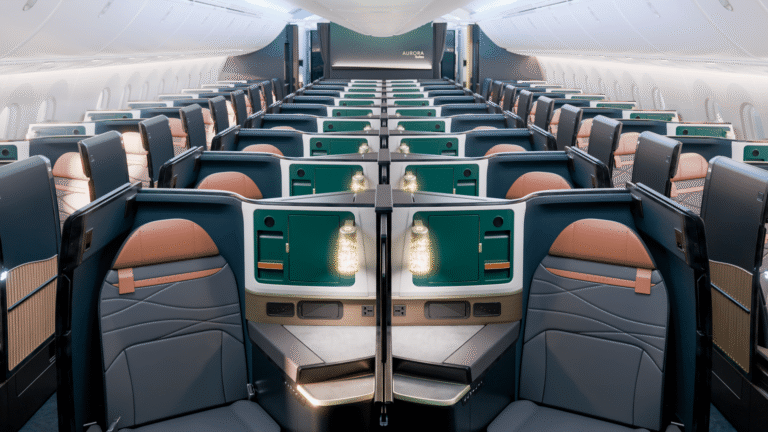
Alaska Air Group just made its biggest bet yet on the front of the plane. On September 29, the parent company of Alaska Airlines and Hawaiian Airlines unveiled two flagship premium brands, Aurora for Alaska and Leihōkū for Hawaiian, along with a new premium economy cabin called Premium Reserve, chef-led menus and three new lounges. One of them will be the largest lounge in Seattle.
The news landed alongside the group’s investor update on its Alaska Accelerate plan, where the company said it expects premium revenue to pass 40% of total revenue by 2030, up from about 35% today. This is a strategy, not a new seat cushion. For anyone flying long-haul out of Seattle or Honolulu, it changes what an Alaska or Hawaiian ticket buys over the next two years. Here’s what’s coming, what it’s like and when you can actually experience it.
The Short Version
- Aurora is Alaska’s new flagship brand for international business class on its 787 Dreamliners. From 2028 it also covers lie-flat first class on select transcontinental 737-10 MAX flights.
- Leihōkū (“lei of stars”) is Hawaiian’s flagship brand. It’s anchored by 22 new suites with privacy doors on the Airbus A330 fleet, beginning in 2028.
- Premium Reserve is a true premium economy cabin with 38 inches of pitch. It goes on sale in summer 2027 and starts flying in 2028.
- New lounges: a nearly 41,000-square-foot Alaska Lounge and Aurora Lounge complex in Seattle (late 2027), a 13,000-square-foot Hawaiian lounge in Honolulu (early 2028) and a 14,000-square-foot Alaska Lounge in San Diego (2028).
What Are Aurora and Leihōkū?
Think of them as end-to-end experiences rather than seats, the way Delta One or United Polaris bundle a named cabin with dedicated check-in, a premium lounge and a matching dining program. Alaska Air Group CEO Ben Minicucci put it this way: “We believe premium is more than a seat. It’s how guests feel from the moment they book their trip to the moment they arrive at the airport to when they’re in the air with us.”
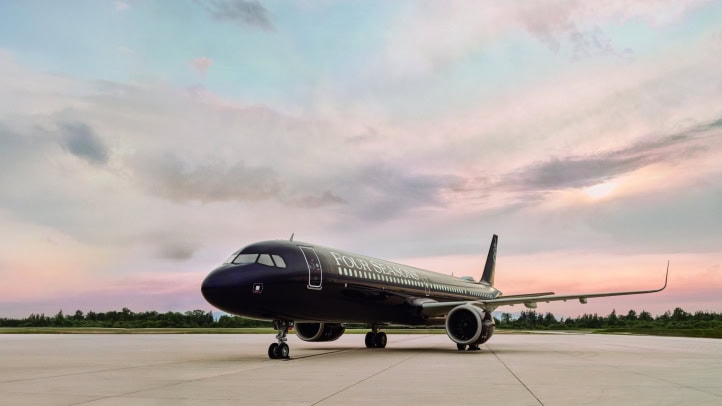
Aurora takes its name from the northern lights and Alaska’s roots in Alaska and the Pacific Northwest. The same idea is behind the aurora livery already painted on Alaska’s 787s. Leihōkū means “lei of stars” in Hawaiian and draws on early Polynesian navigation and wayfinding. Hawaiian regulars will know the name: it’s what the airline called the business class suites on the 787-9s it introduced in 2024. Now it becomes the umbrella for Hawaiian’s whole premium experience.
Aurora Suites on the 787 Dreamliner
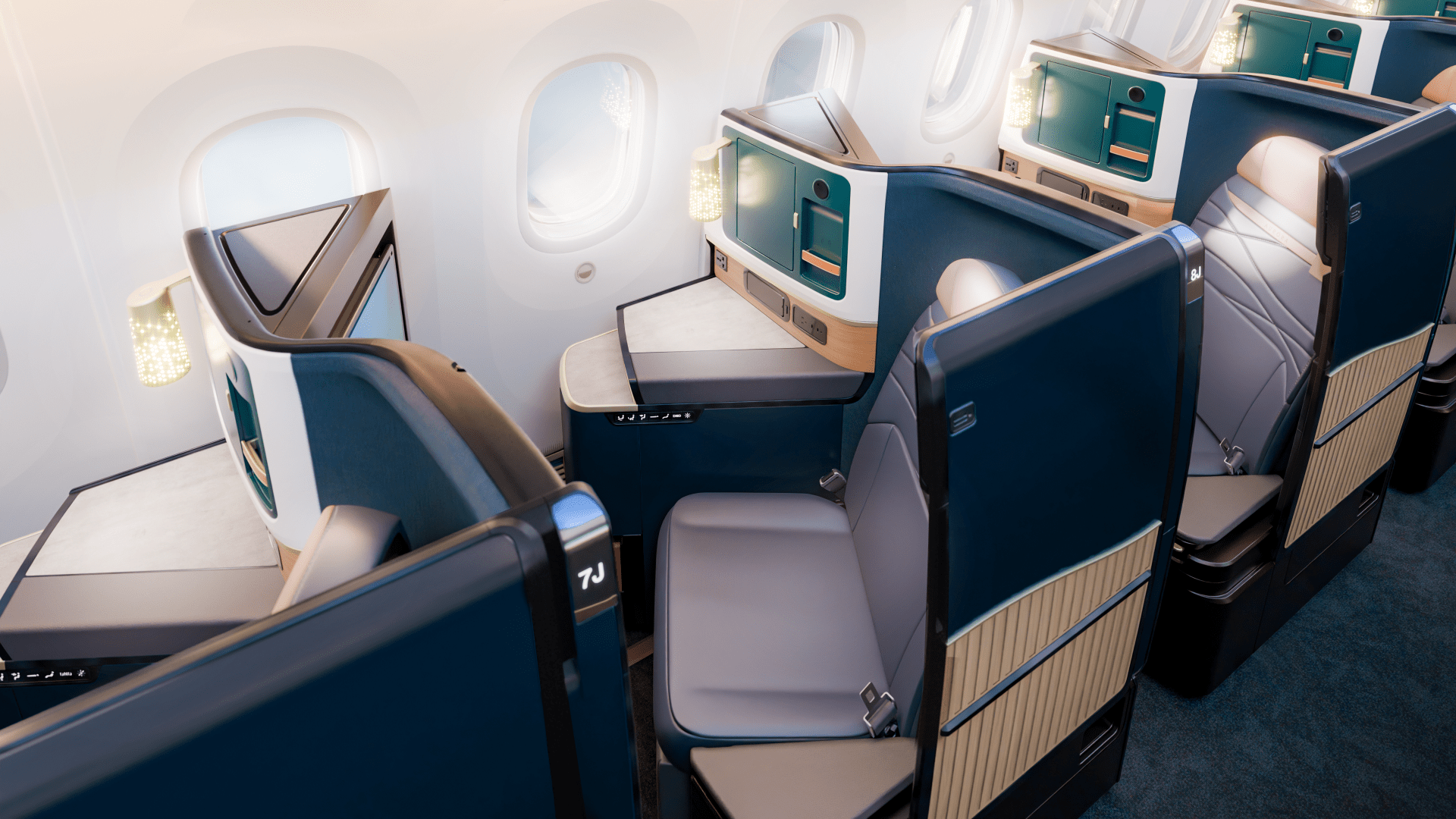
Aurora is now the name for business class on every Alaska 787-9 flight. Each 787-9 has 34 suites, and the future 787-10 Dreamliners will have 40. These are the aircraft behind Alaska’s new long-haul network from Seattle: London, Rome, Tokyo Narita and Seoul, with Paris and Athens joining in spring 2027. The updated 787-9 also adds Premium Reserve, which raises premium seating to about 46% of the cabin from 38% today.
Here’s what Aurora Suites guests get:
- A fully lie-flat bed, 78 inches long and 21 inches wide, in a 1-2-1 layout so every suite has direct aisle access
- Privacy doors on the 787s
- A 19-inch 4K screen with Bluetooth audio, plus wireless charging, USB-C and AC power
- Softer, more breathable Ultraleather upholstery and premium bedding
- Multi-course, destination-inspired dining from a curated chef program, with on-demand service
- Exclusive Aurora Suites check-in and concierge service at Seattle
- Access to the new Aurora Lounge in Seattle once it opens
- Two free checked bags, and free Starlink Wi-Fi for Atmos Rewards members, courtesy of T-Mobile
If you read our look at Alaska’s first international business class Suites in July, Aurora is the next chapter. It keeps the same door-equipped suite and adds its own brand, a dedicated lounge and a named chef program. The Aurora spec also calls for 19-inch 4K screens; the Suites launched with 18-inch HD monitors.
Lie-Flat Suites Come to Alaska’s Transcontinental Flights
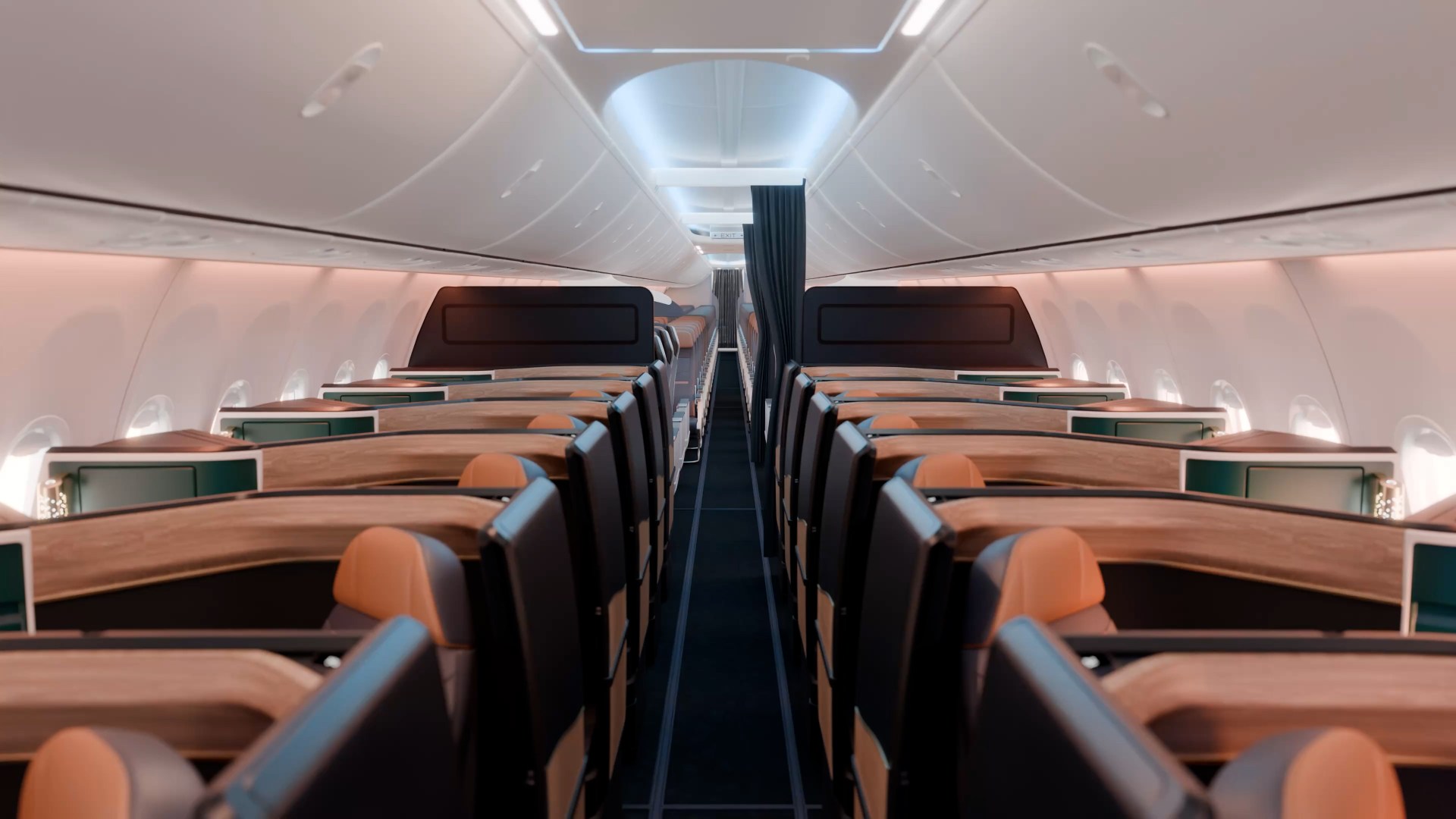
The bigger surprise for domestic flyers is that Alaska will offer lie-flat first class on select transcontinental routes, a first in the airline’s history. At least 25 Boeing 737-10 MAX aircraft will each carry 12 Aurora Suites starting in 2028. The bed is 80 inches, two inches longer than on the 787, and the suites get the same 19-inch 4K screens. Alaska only specifies privacy doors for the 787s. These aircraft will also wear the Aurora livery.
According to Alaska’s fact sheet, the 737-10 will have four cabins: 12 Aurora Suites, 12 Premium Reserve seats, 48 Premium Class seats and 87 Main Cabin seats. That puts Alaska in the premium coast-to-coast market that JetBlue Mint and the legacy carriers’ lie-flat transcon cabins have owned for years. It also means West Coast Atmos Rewards loyalists can get a flat bed across the country without switching airlines. One caveat: Boeing has been slow to get the 737-10 certified, so treat 2028 as a target rather than a promise.
Leihōkū Suites: A Long-Overdue Upgrade for Hawaiian’s A330s
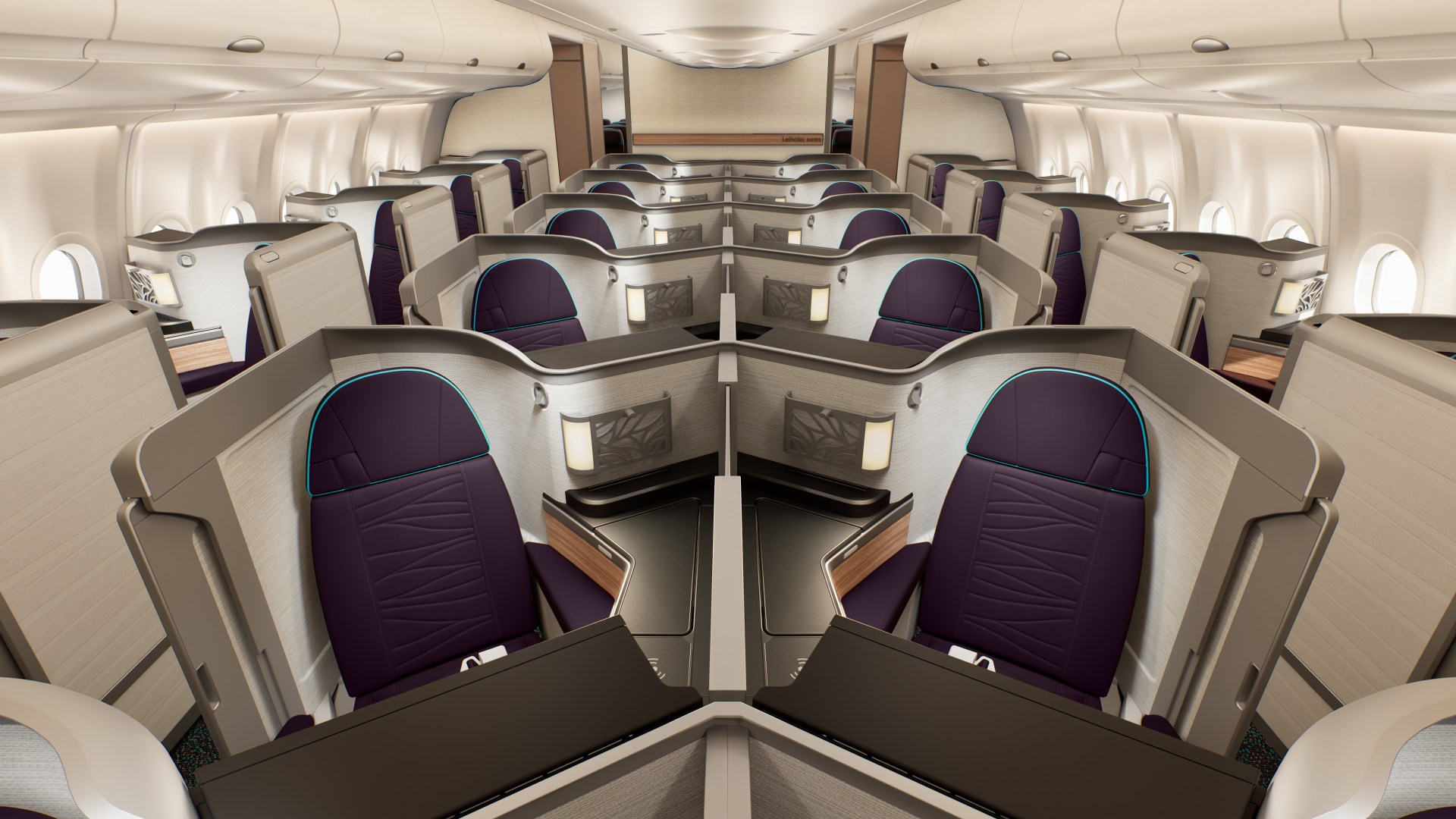
Hawaiian’s 24 Airbus A330s fly from Honolulu to Tokyo Haneda, Osaka, Sydney, Tahiti and American Samoa, plus select mainland routes. Starting in 2028, they’ll get all-new interiors “from the first row to the last.” Up front, today’s 18 lie-flat seats in a 2-2-2 layout, where not every seat has aisle access, will be replaced by 22 Leihōkū Suites in a 1-2-1 layout with privacy doors.
Leihōkū Suites guests will get:
- Direct aisle access, a 78-inch lie-flat bed and a privacy door
- A 19-inch 4K screen with Bluetooth, wireless and USB-C charging and AC power
- Hotel-quality bedding and enhanced onboard amenities
- Curated multi-course dining by local chefs, with wine pairings
- Exclusive check-in and concierge service in Honolulu and Seattle
- Free Starlink Wi-Fi for Atmos Rewards members
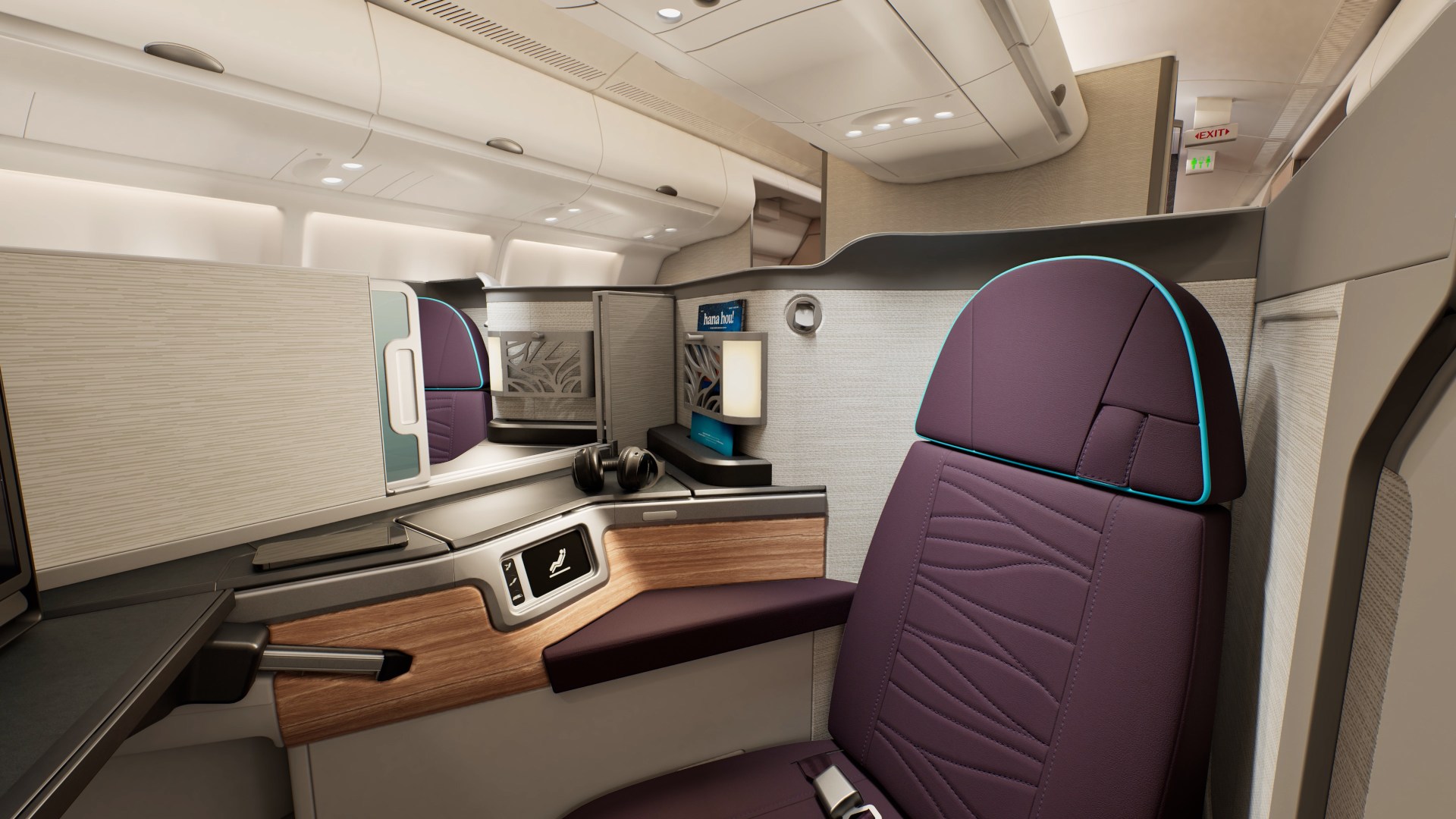
The rest of the A330 gets new interiors too, including an upgraded entertainment system with 4K screens and Bluetooth, and premium seating rises to about 40% of the aircraft from 30%. “These investments, part of our Kahu‘ewai Hawai‘i Investment Plan, help us take that to the next level to deliver a unique, elevated experience today’s travelers seek while continuing to connect our guests with aloha,” said Hawaiian Airlines CEO Diana Birkett Rakow.
Premium Reserve: A Real Premium Economy Cabin
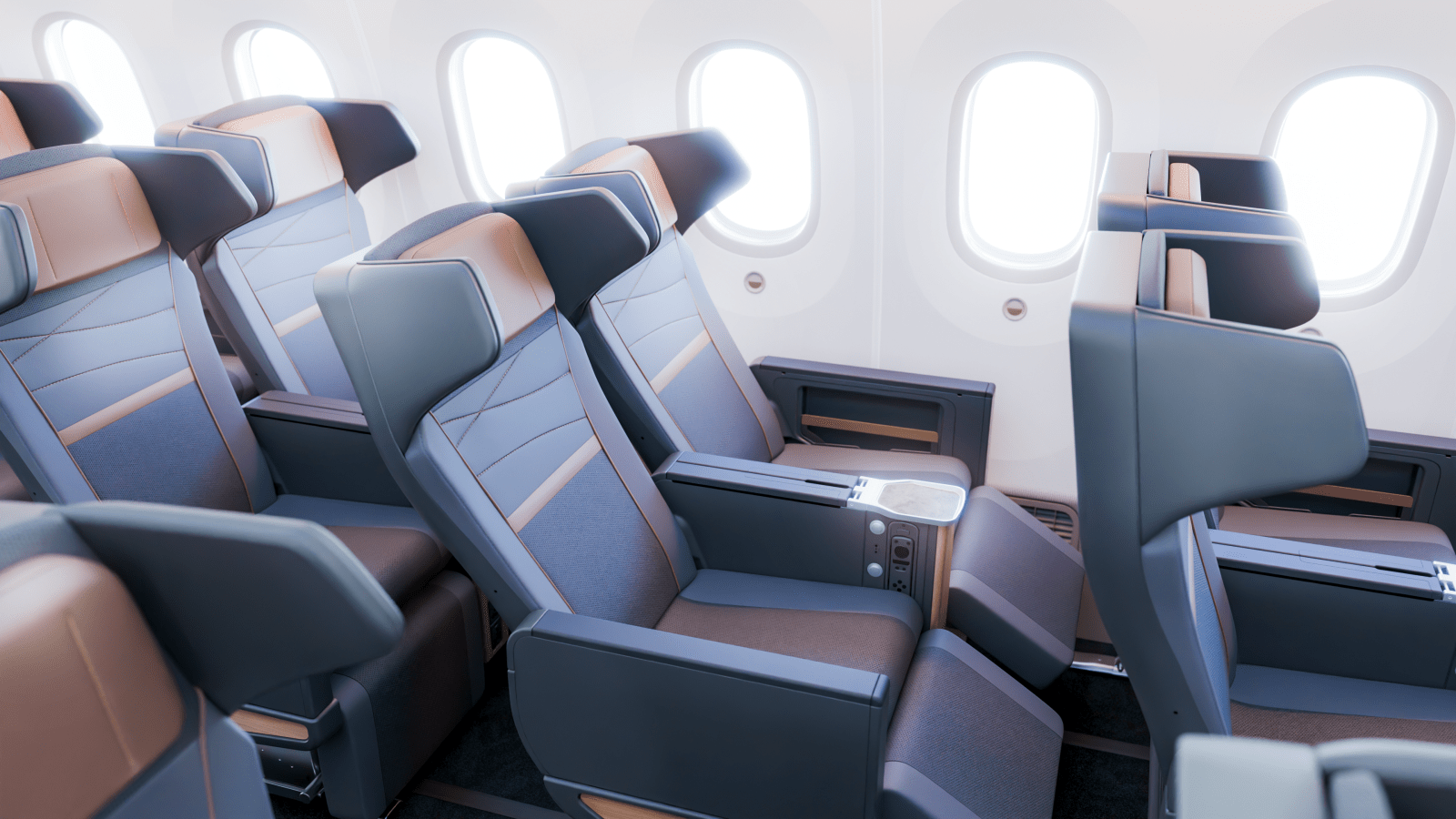
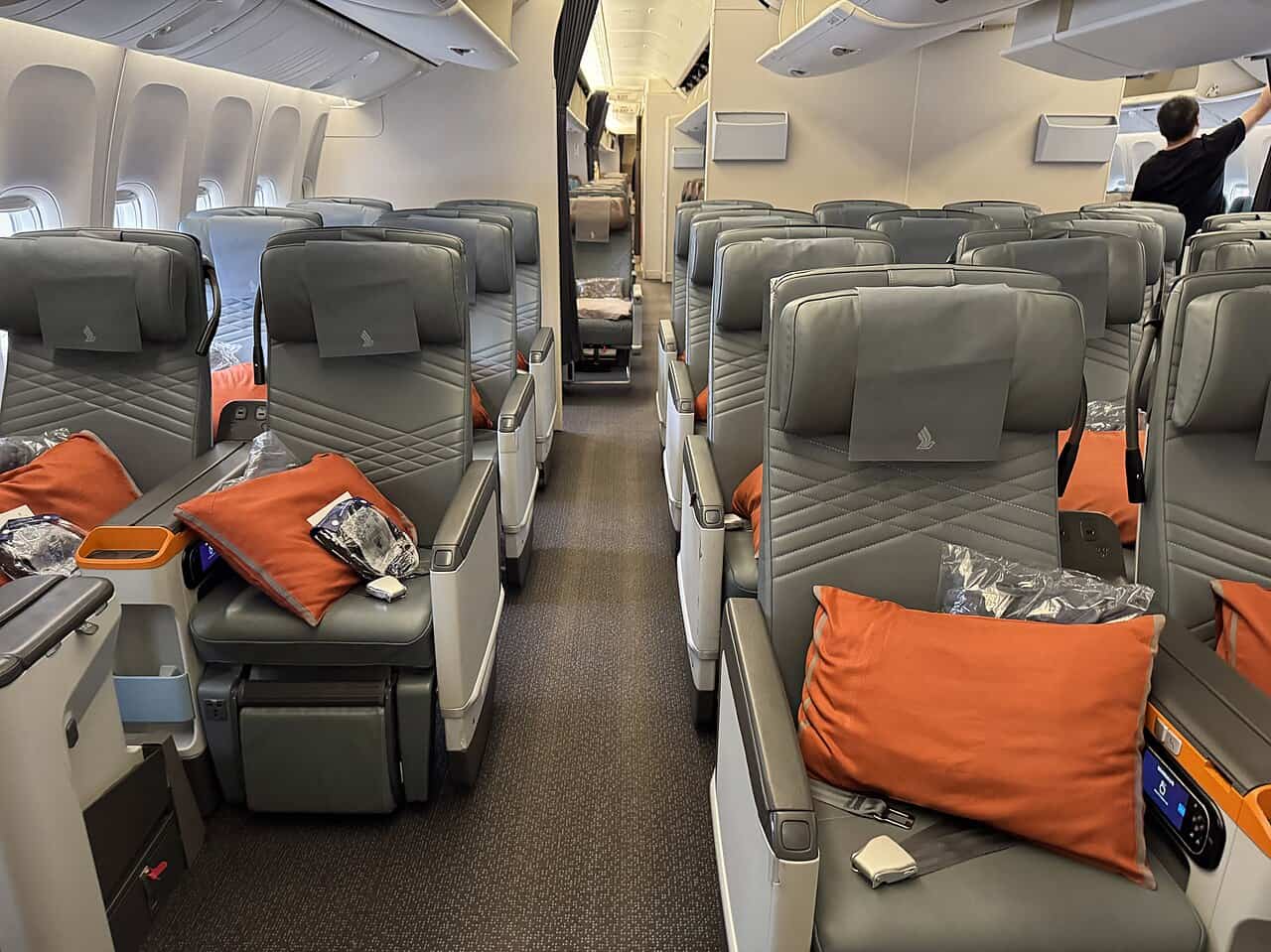
Until now, the only step between the suites and economy on these widebodies has been an extra-legroom seat. Premium Reserve fills the gap and gives both airlines a four-cabin lineup: Aurora or Leihōkū Suites, Premium Reserve, Premium Class and Main Cabin.
- 38 inches of pitch, a 19-inch-wide seat and 6 inches of recline
- A leg and calf rest, a large tray table and storage pockets
- A 16-inch 4K OLED screen with Bluetooth, plus AC power and USB-C at every seat
- Complimentary meals and alcoholic drinks, upgraded amenities, priority boarding and two free checked bags
The 787-9 and 787-10 each get 35 Premium Reserve seats, the A330 gets 28 and the 737-10 MAX gets 12. The layout is 2-3-2 on the 787s and 2-4-2 on the A330. Seats go on sale in summer 2027, and the cabin starts flying in 2028.
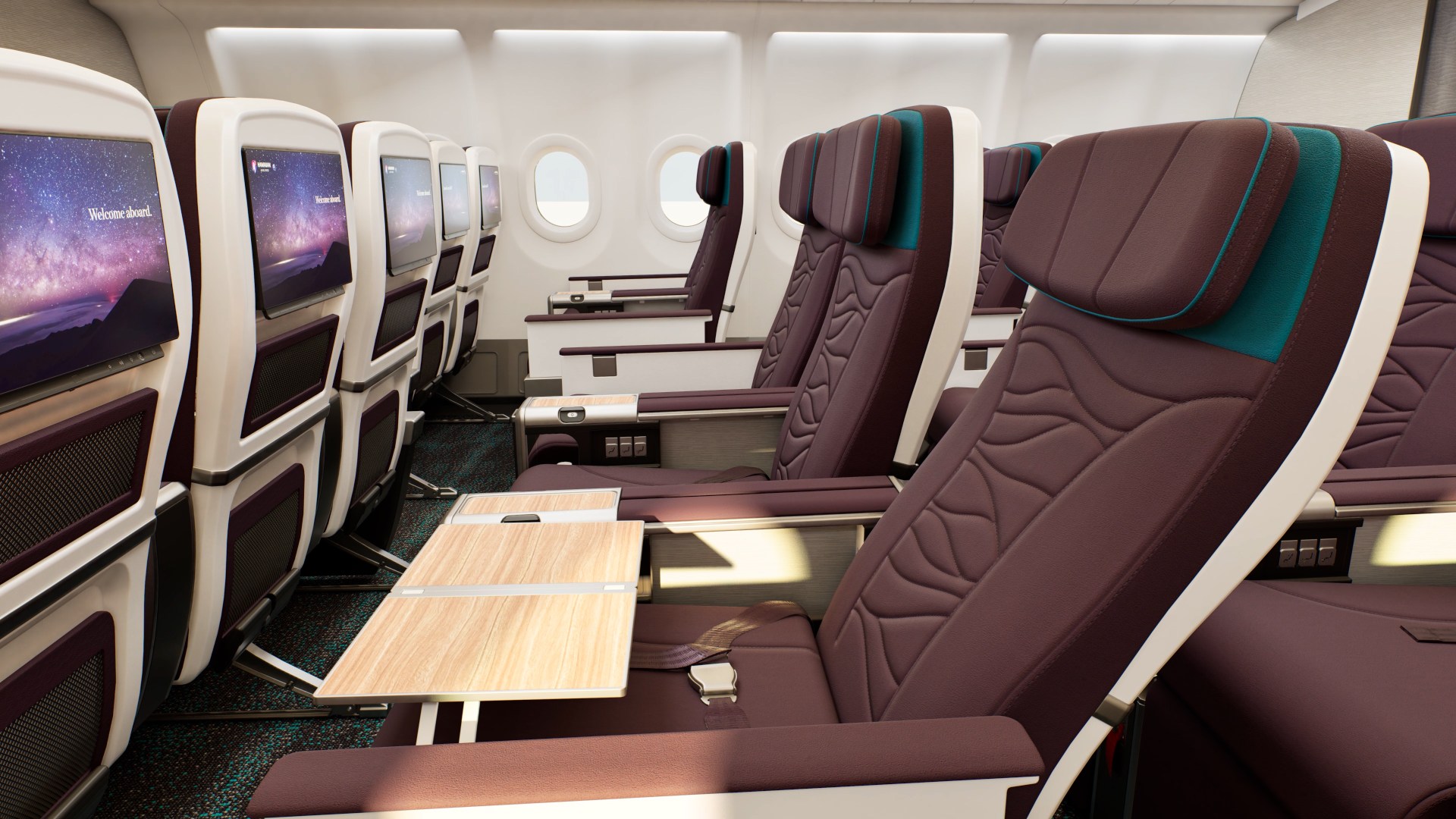
If you can’t justify a suite fare on a 10-hour flight to Europe or Asia, this is the cabin to watch. Our guide to whether premium economy is worth it explains how to judge the value.
Chef-Led Dining on Both Airlines
Alaska is leaning into its Seattle roots. Chef Renee Erickson, the restaurateur behind Seattle favorites including The Walrus and the Carpenter and Bateau, will create menus for Alaska’s European routes: London, Rome and, from spring 2027, Athens and Paris. James Beard Award-winning chef Brady Ishiwata Williams of Seattle’s Tomo is expanding his program with Alaska to its Asia routes from Seattle. Every international guest starts with a cheese and charcuterie welcome board, a refined version of Alaska’s well-known Signature Fruit & Cheese Platter, and Alaska is adding a new international wine program.
At Hawaiian, Executive Chef Dell Valdez will keep leading the Leihōkū Suites and First Class menus, which are built on local ingredients and paired with selected wines. This summer Hawaiian also launched chef-driven pre-order meals in Main Cabin on most flights between Hawaiʻi and the mainland. That program was developed with Maui chef and James Beard Award finalist Sheldon Simeon.
New Lounges in Seattle, Honolulu and San Diego
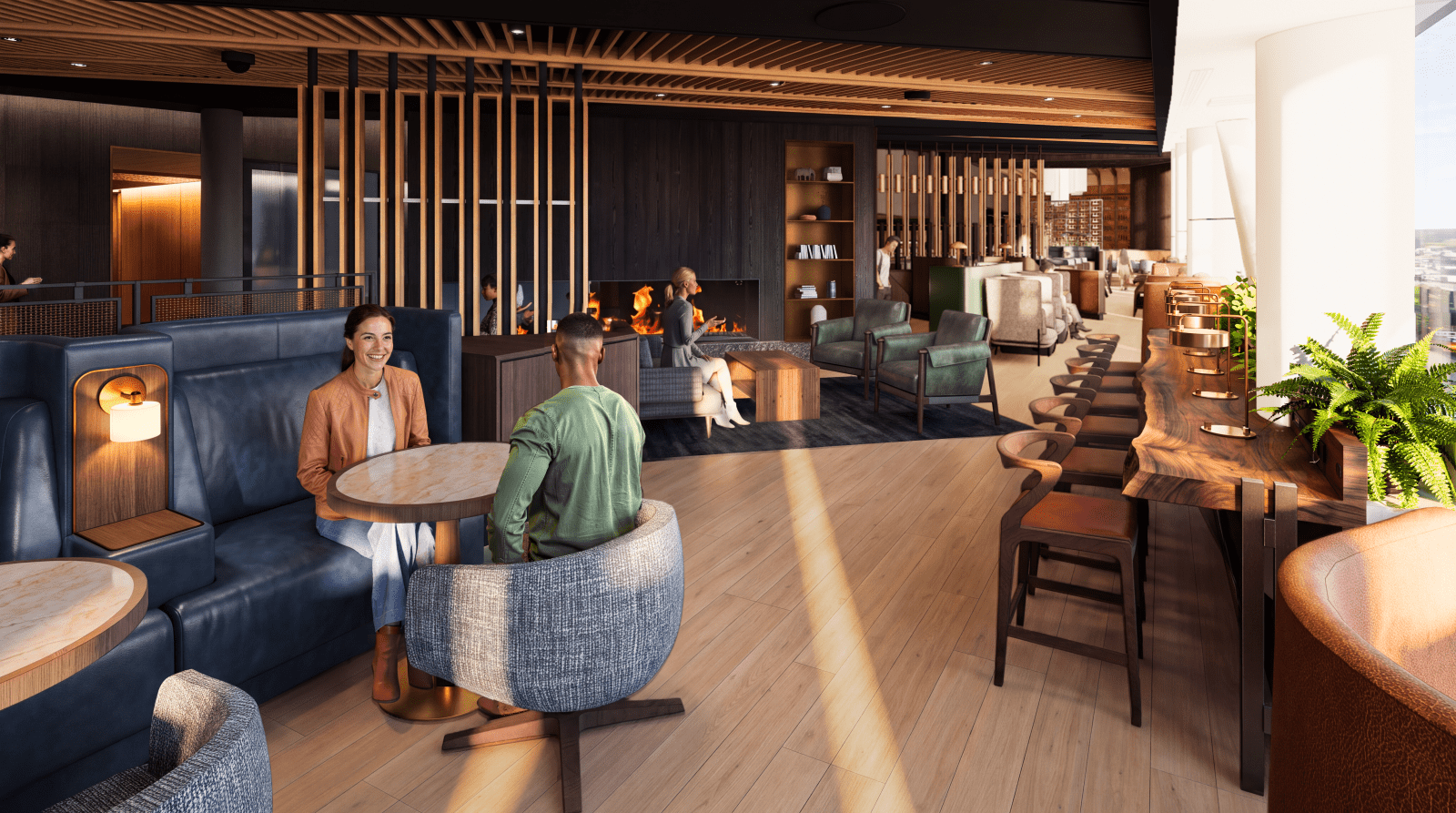
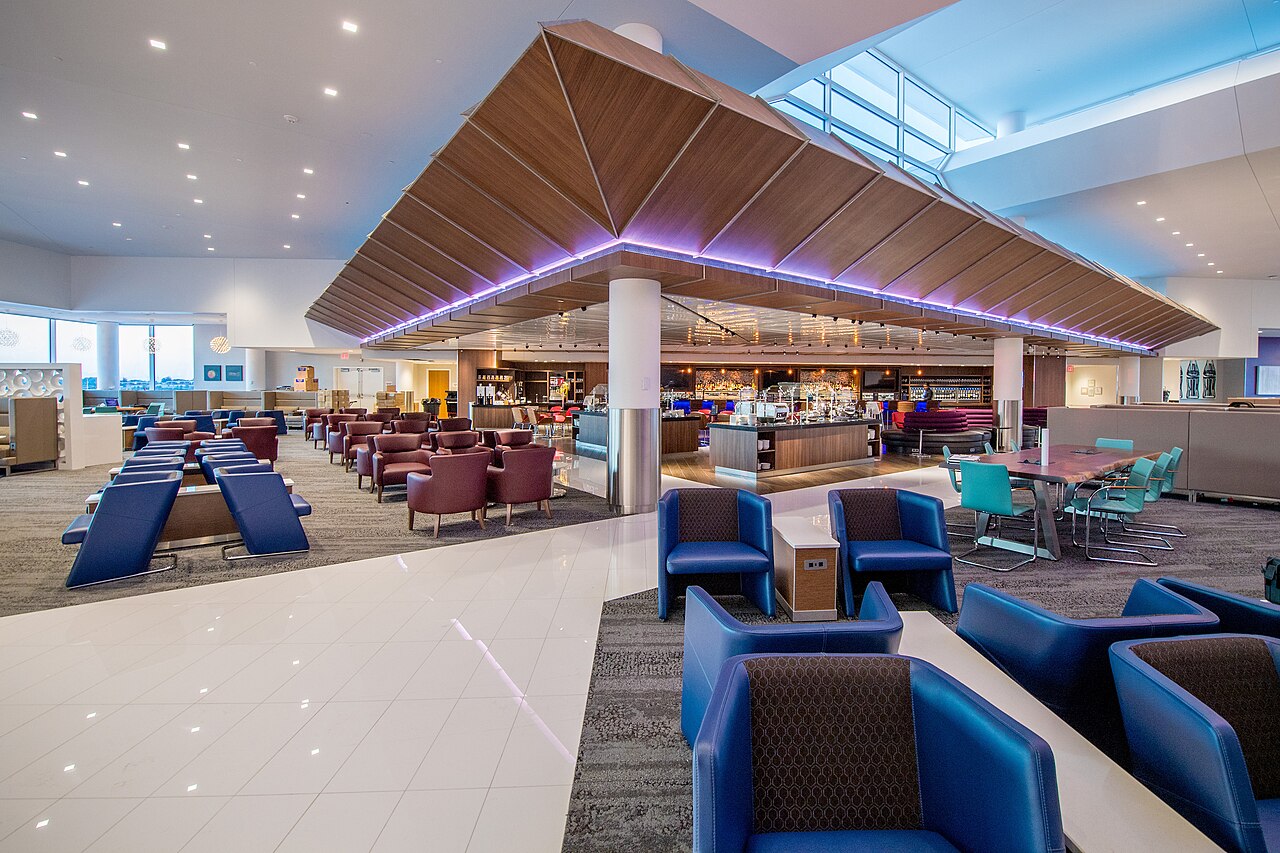
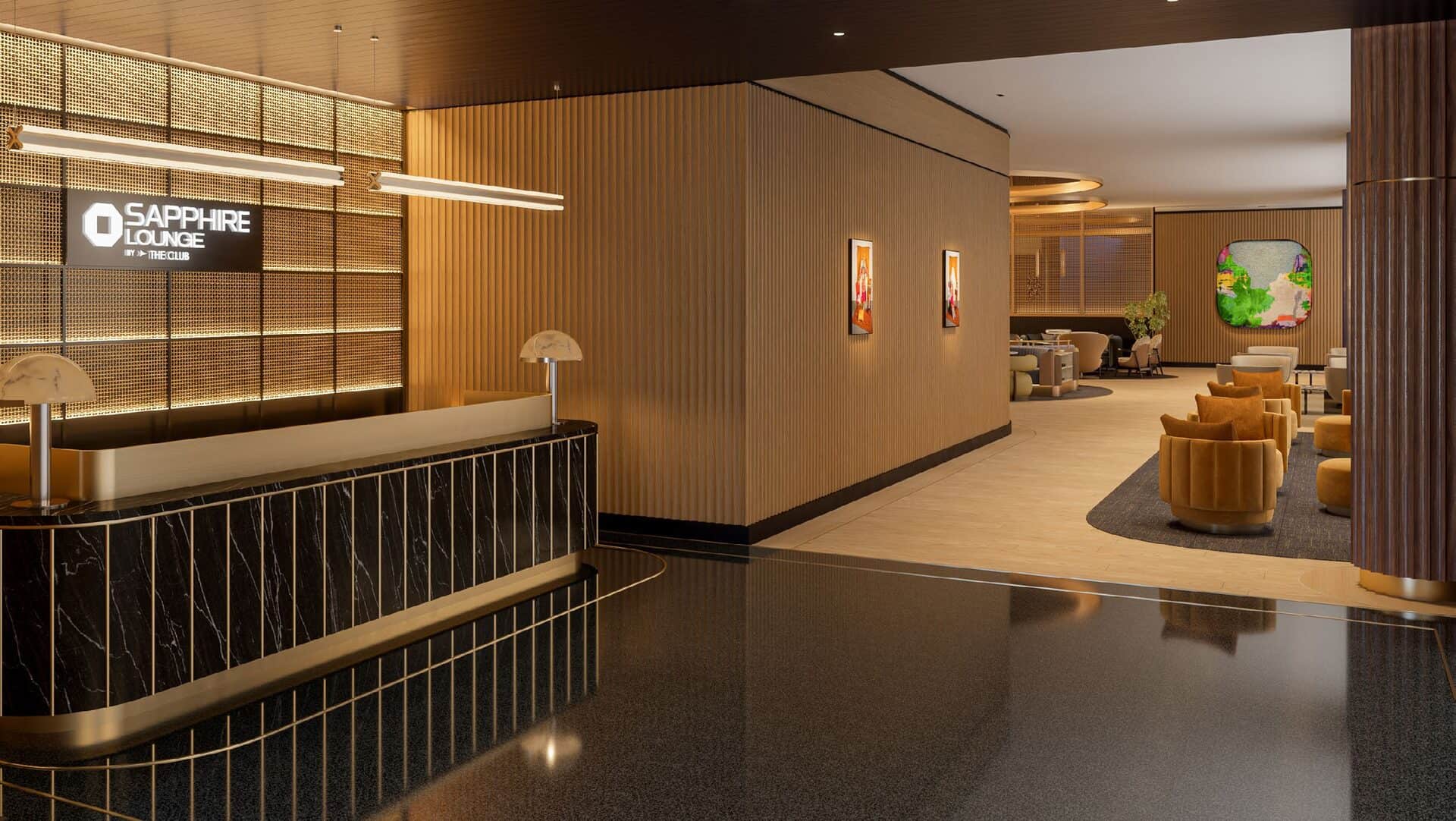
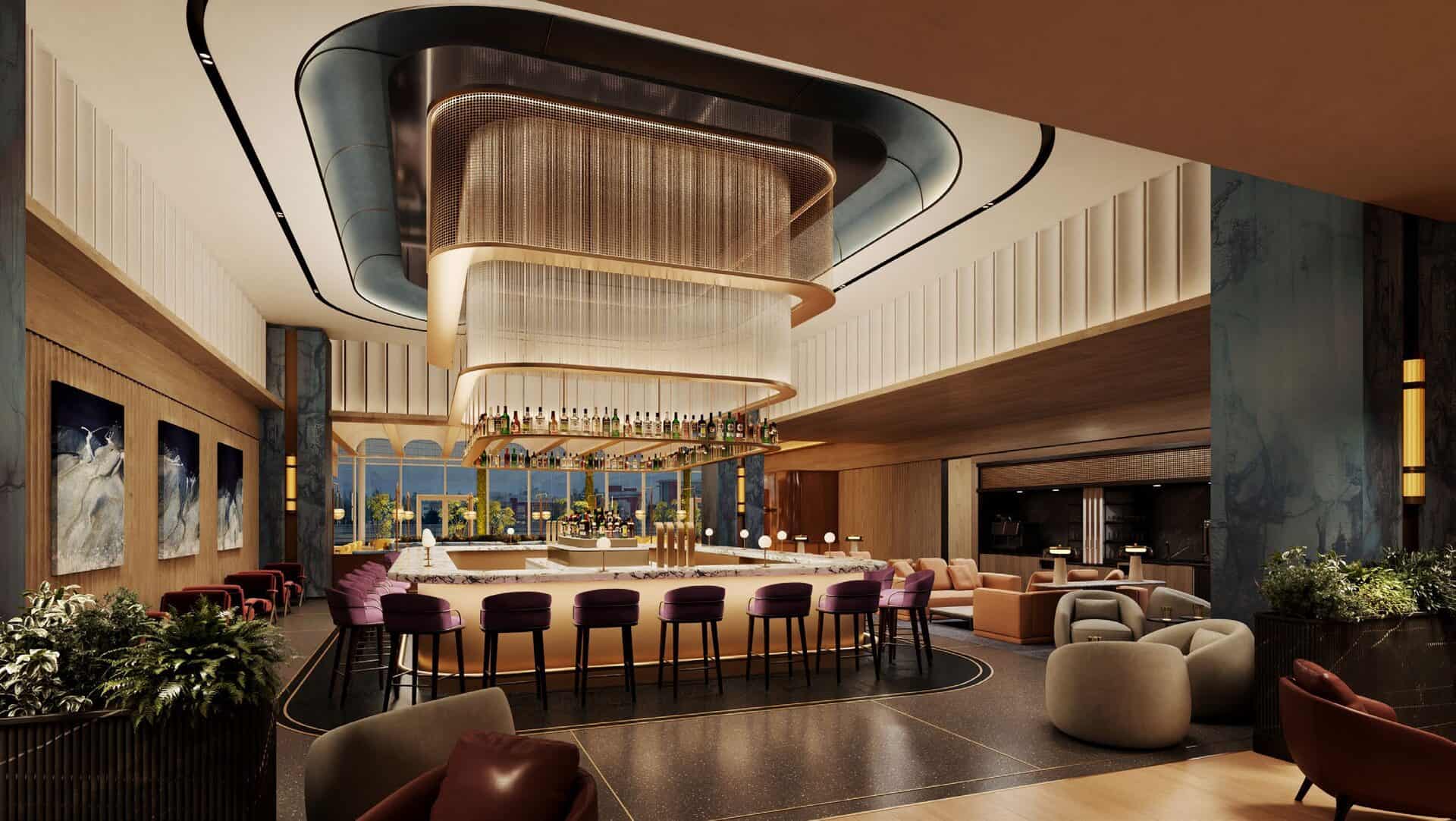
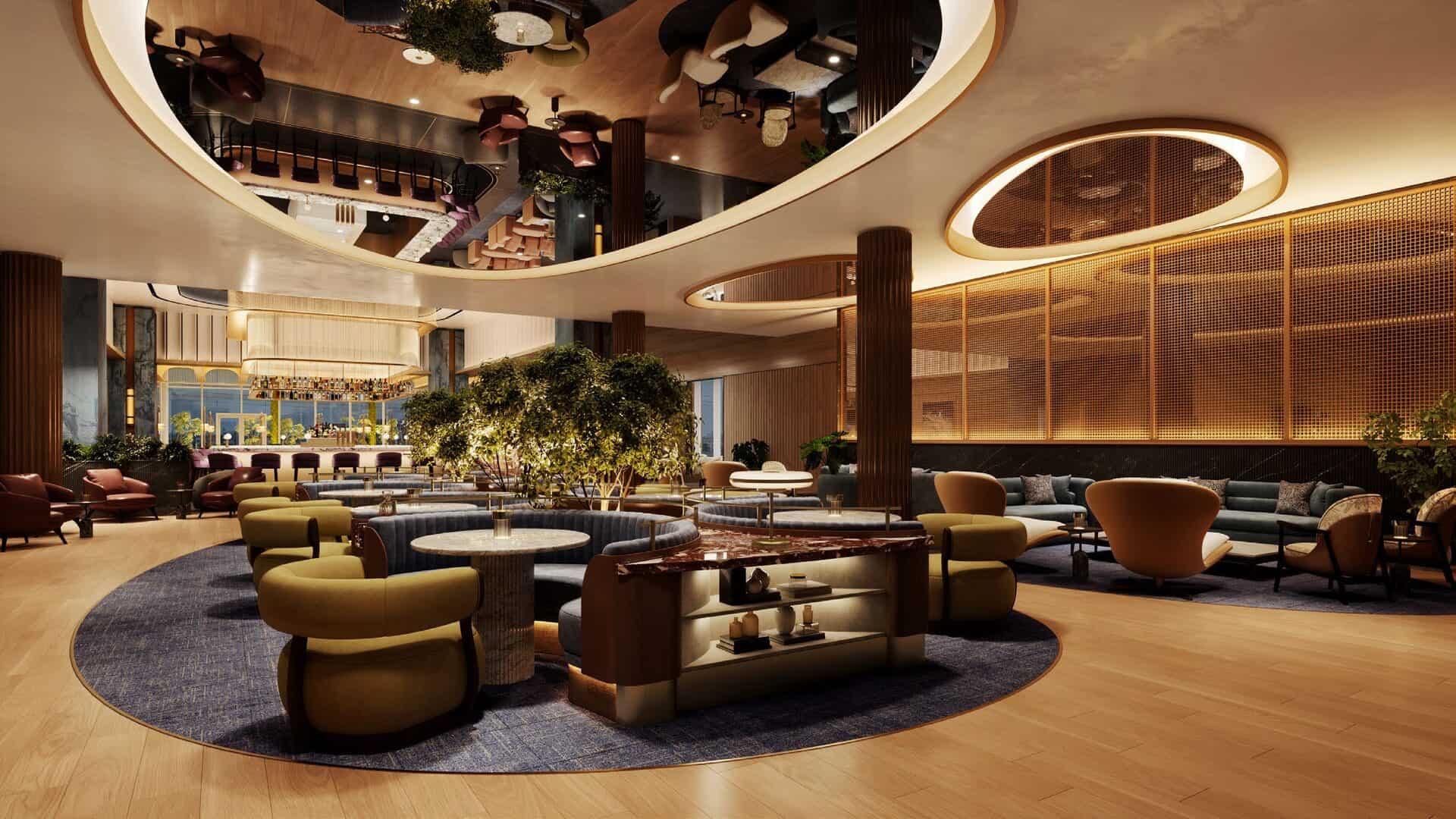
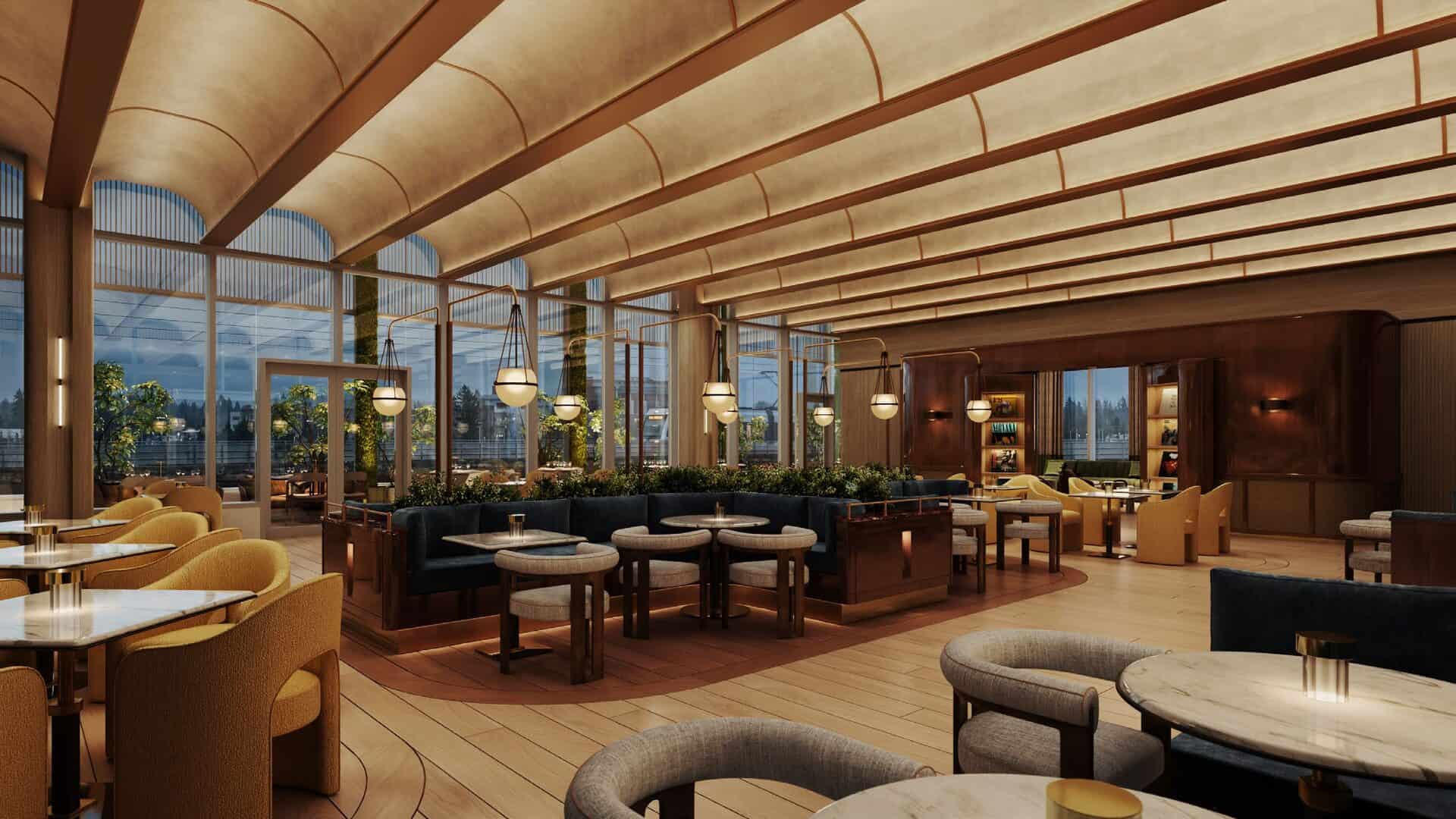
Seattle (late 2027). The headline lounge is a two-part complex on Sea-Tac’s newly expanded C Concourse. At nearly 41,000 square feet, Alaska says it will be Seattle’s largest lounge and one of the largest in the country. It combines a 500-seat Alaska Lounge, open to anyone who qualifies under today’s access rules, with a 200-seat Aurora Lounge reserved for Aurora Suites guests on intercontinental flights.
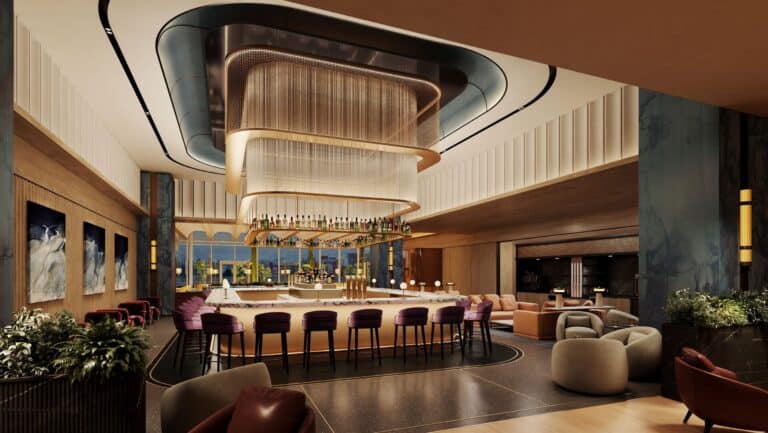
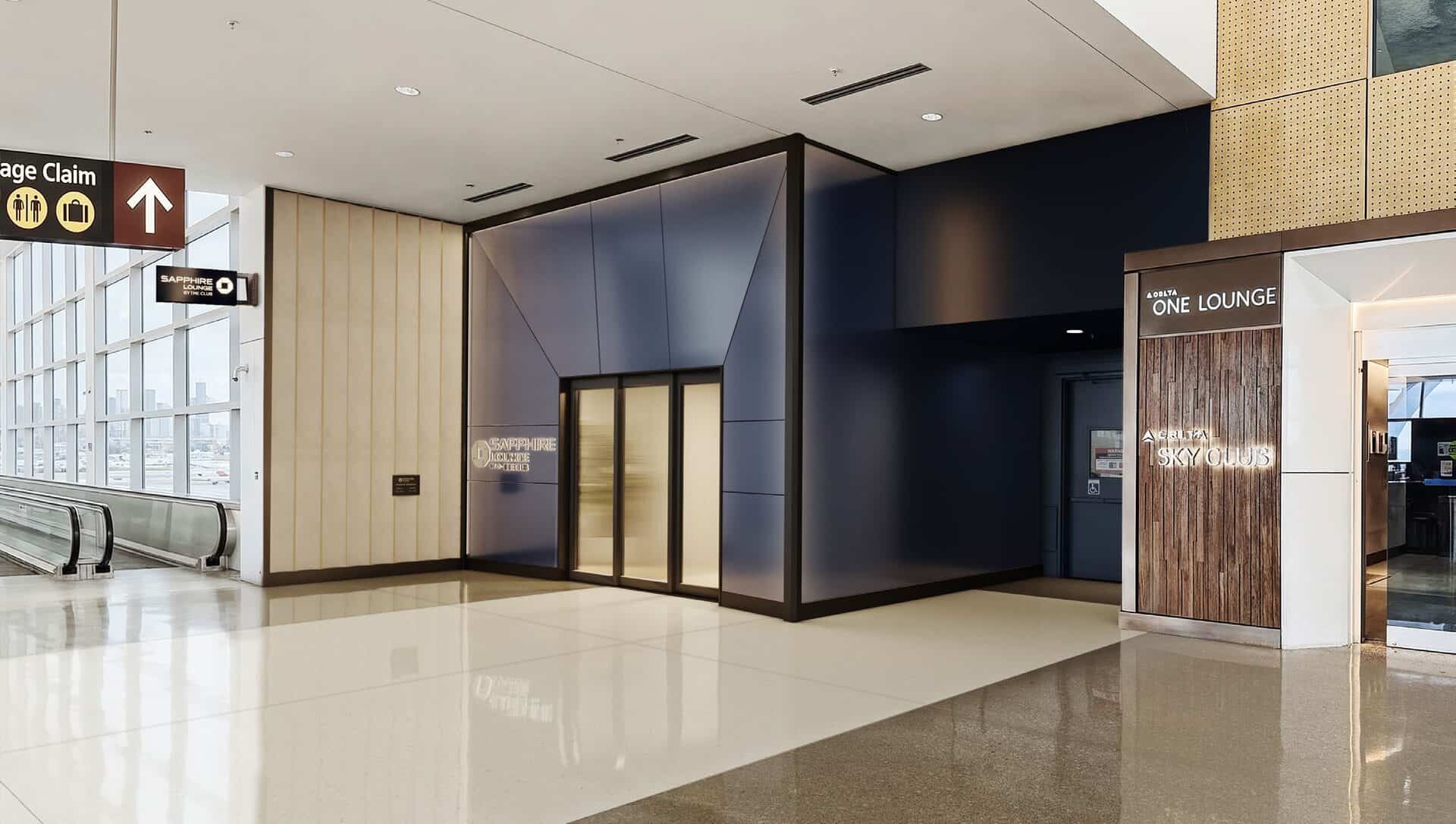
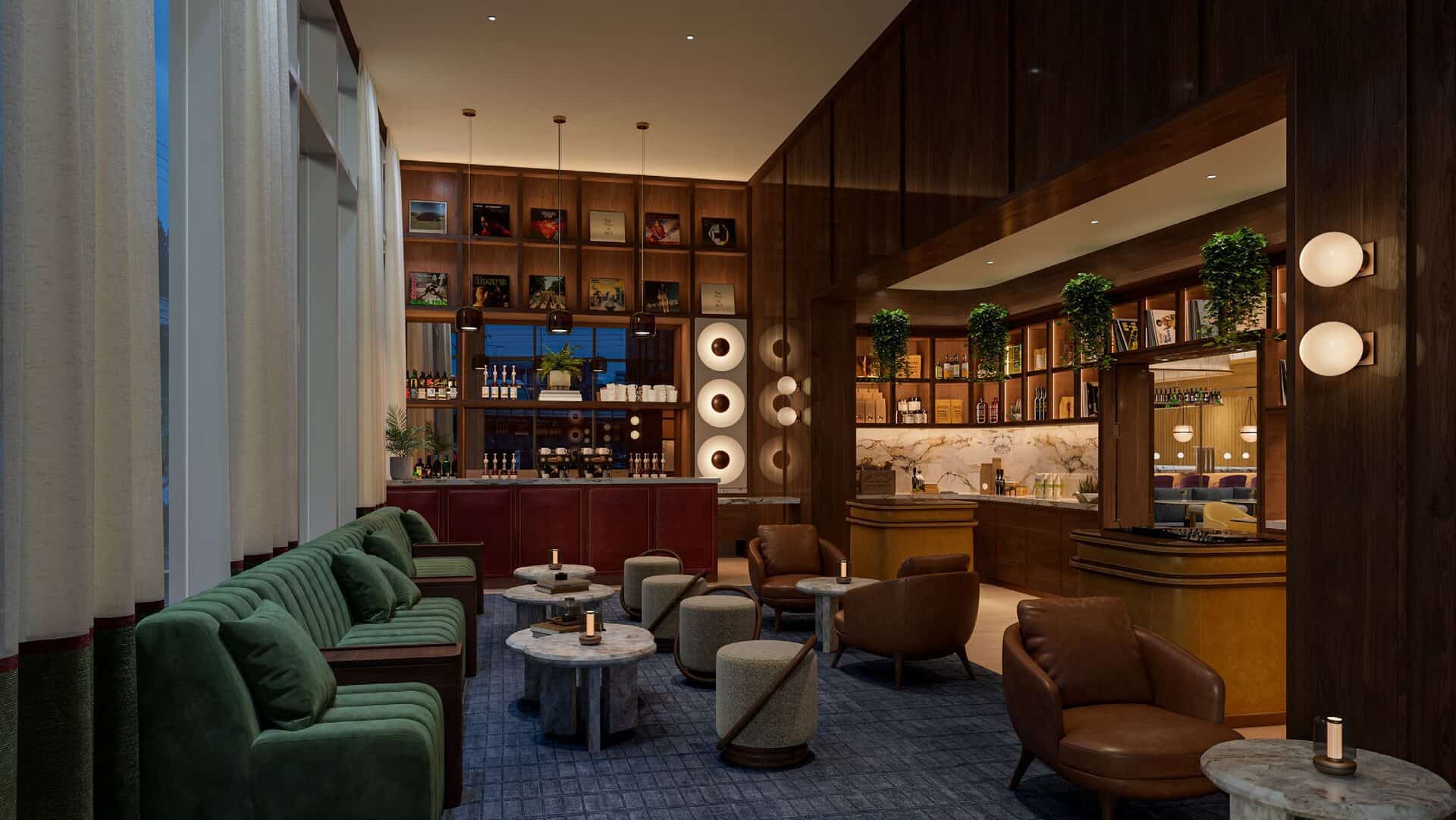
Shared features include an outdoor patio with a fireplace, private work pods, a pizza oven, a coffee lab, fresh pastries and three premium bars across two floors serving craft cocktails, curated wines and local beer. The Aurora Lounge adds private shower suites, wellness spaces and chef-prepared, made-to-order food with à la carte dining and tableside service. That’s the kind of business-class-only space United and Delta have made the standard at their big hubs. It also heats up the premium lounge race at Sea-Tac, where Chase is building a Sapphire Lounge.
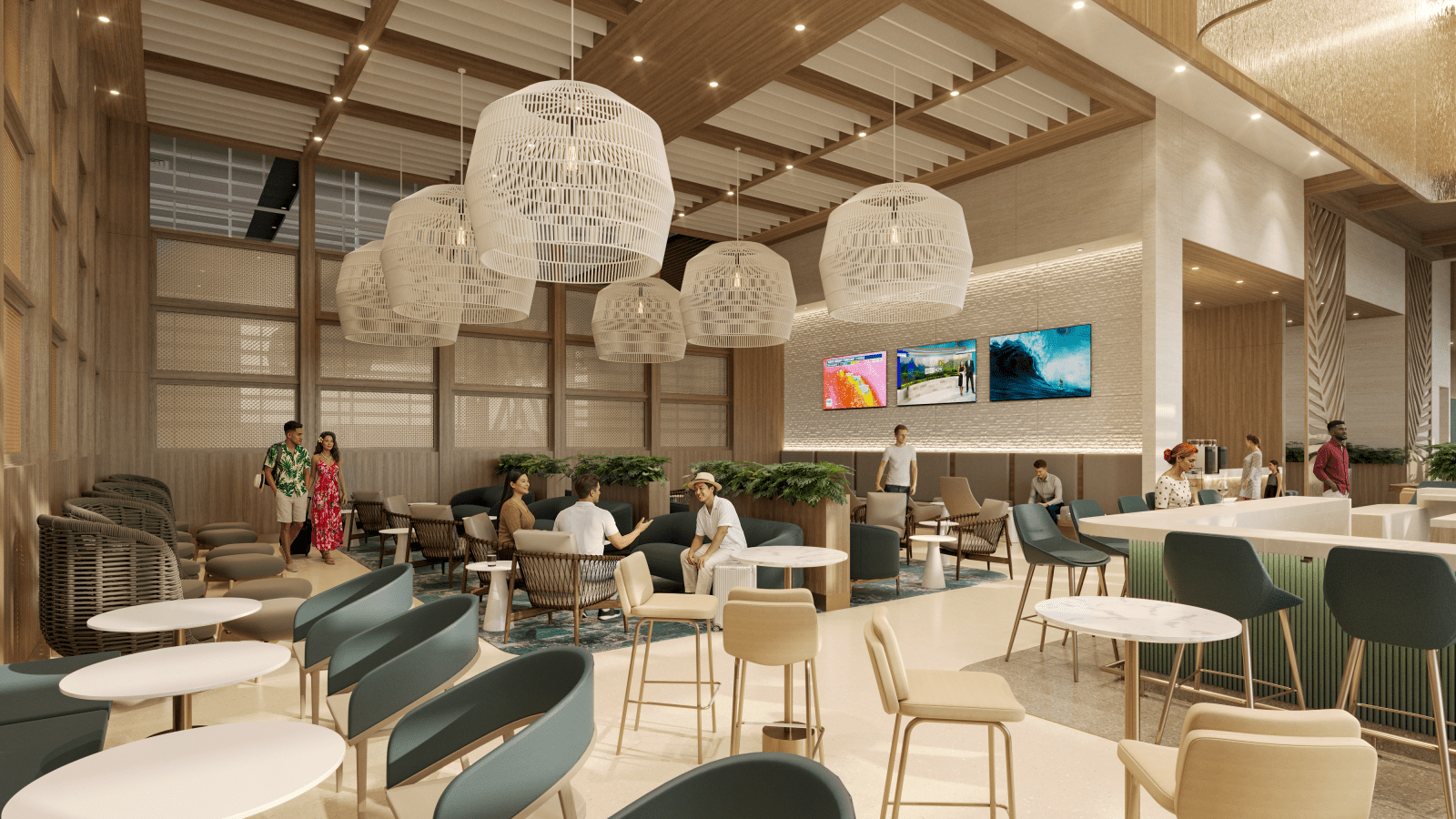
Honolulu (early 2028). Hawaiian will open a nearly 13,000-square-foot lounge at the entrance to the Mauka Concourse in Terminal 1, with seating for about 200 guests. Access will be similar to today’s Plumeria Lounge and will include Leihōkū Suites guests. Expect locally inspired food and drink, a signature local coffee experience, a full-service cocktail bar, private workspaces and art by local artists.
San Diego (2028). A new 14,000-square-foot Alaska Lounge will open, adding to the airline’s West Coast footprint.
Aurora vs. Leihōkū vs. Premium Reserve at a Glance
| Aurora Suites (787) | Aurora Suites (737-10 MAX) | Leihōkū Suites (A330) | Premium Reserve | |
|---|---|---|---|---|
| Seats per aircraft | 34 (787-9), 40 (787-10) | 12 | 22 | 35 (787s), 28 (A330), 12 (737-10) |
| Bed or pitch | 78-inch flat bed | 80-inch flat bed | 78-inch flat bed | 38-inch pitch, 6-inch recline |
| Seat width | 21 in. | 21 in. | 20 in. | 19 in. |
| Layout | 1-2-1 | Not yet published | 1-2-1 | 2-3-2 (787), 2-4-2 (A330) |
| Privacy door | Yes | Not specified | Yes | No |
| Screen | 19-inch 4K | 19-inch 4K | 19-inch 4K | 16-inch 4K OLED |
| Seat model | Elevate Ascent | Elevate Ascent | Collins Elevation | Recaro PL3530 (Alaska), Collins MiQ (Hawaiian) |
| Timing | Suites flying on the 787-9 today; 787-10 to come | 2028 | From 2028 | On sale summer 2027; flying 2028 |
Timeline: When You Can Experience It
- Now: Aurora branding on Alaska’s 787-9 business class suites, dedicated Suites check-in in Seattle, and free Starlink Wi-Fi for Atmos Rewards members as it rolls out across the fleet.
- Spring 2027: Paris and Athens join Alaska’s long-haul network, with menus by Renee Erickson.
- Summer 2027: Premium Reserve goes on sale.
- Late 2027: Seattle’s Alaska Lounge and Aurora Lounge open on C Concourse.
- Early 2028: The new Hawaiian Airlines Lounge opens in Honolulu.
- 2028: Leihōkū Suites and new A330 interiors begin rolling out, Premium Reserve starts flying, Aurora Suites debut on transcontinental 737-10 MAX flights and the San Diego lounge opens.
Our Take
For luxury travelers, the most important piece of this announcement is the Aurora Lounge, not a seat. Alaska’s long-haul product has lacked a business-class-only lounge with shower suites and à la carte dining at its global gateway, and this one arrives in late 2027, ahead of most of the new aircraft hardware. The A330 overhaul is the other big win. Replacing 2-2-2 flat beds with suites that have doors finally brings Hawaiian’s long-haul business class up to what travelers expect on a 10-hour flight to Sydney or Tokyo.
The catch is timing. Almost everything new on board, including Premium Reserve, the A330 suites and the transcontinental 737-10 cabin, starts in 2028 or later, and every image here is a rendering, not a photo. If you book Alaska long-haul in the next year, you’ll fly the existing door-equipped 787-9 Suites with free Starlink, which is already a strong product. Alaska also announced Atmos Rewards changes on the same day; see our guide to the best hotel and airline loyalty programs, and our overview of flying first and business class to see how Aurora compares with the world’s best first class airlines.
Frequently Asked Questions
What is Alaska Airlines Aurora?
Aurora is Alaska’s new flagship premium brand. It covers international business class on the airline’s 787 Dreamliners and, from 2028, lie-flat first class on select transcontinental 737-10 MAX flights. It also includes dedicated check-in, a new Aurora Lounge in Seattle and chef-led dining.
What does Leihōkū mean?
Leihōkū means “lei of stars” in Hawaiian and is inspired by early Polynesian navigation. It’s the name of Hawaiian Airlines’ flagship premium experience, which centers on 22 new suites on its A330s from 2028.
When can I book Premium Reserve?
Premium Reserve seats go on sale in summer 2027. The cabin starts flying in 2028 on Alaska’s 787-9, 787-10 and select 737-10 MAX aircraft, and on Hawaiian’s A330s.
Who can use the new Aurora Lounge in Seattle?
The 200-seat Aurora Lounge is for Aurora Suites guests on intercontinental flights. Travelers who qualify for today’s Alaska Lounge will use the adjoining 500-seat Alaska Lounge.
Renderings courtesy of Alaska Airlines and Hawaiian Airlines. Sources: Alaska Airlines newsroom: Aurora and Leihōkū announcement, Aurora and Leihōkū fact sheet (PDF) and Alaska Accelerate update. Current A330 cabin details via One Mile at a Time.