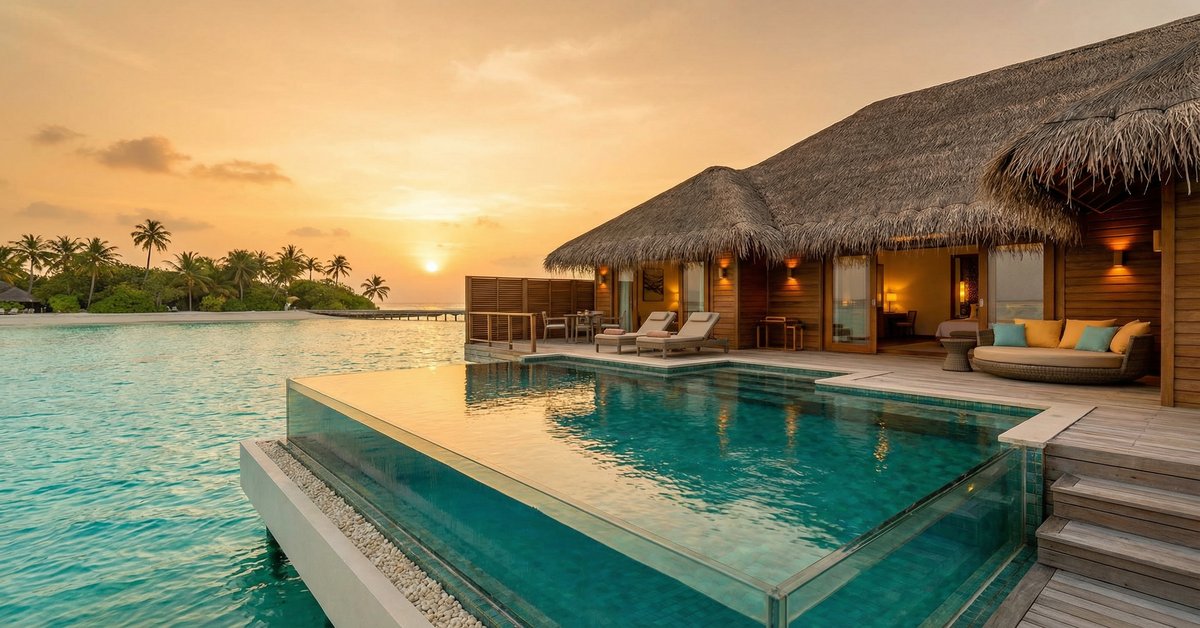




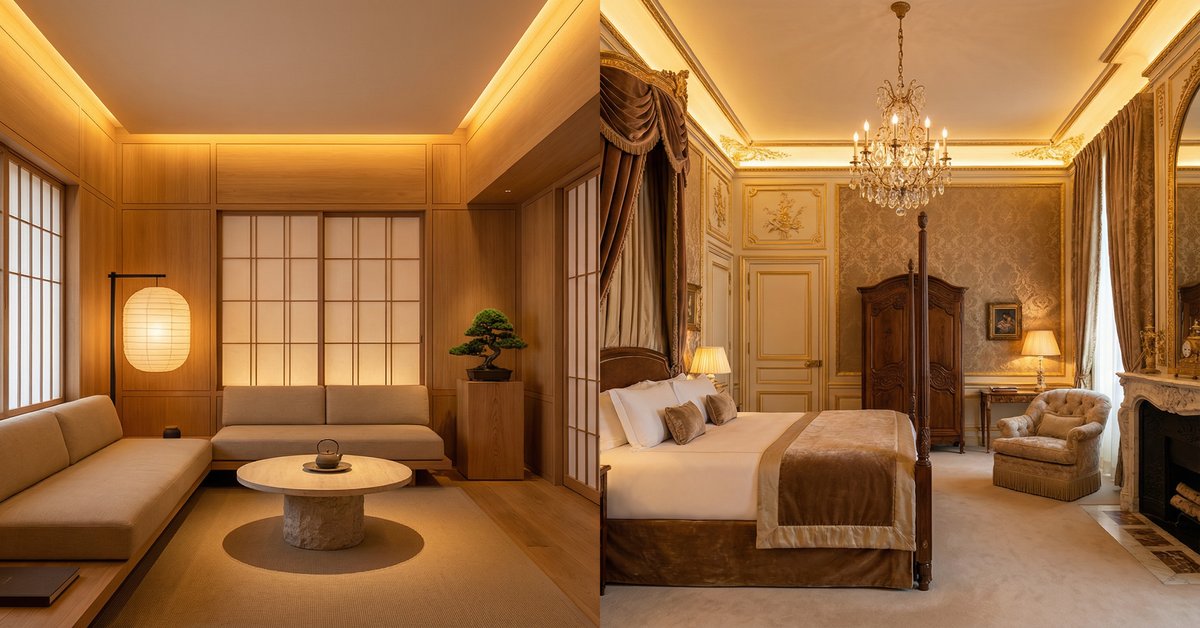
Choosing between Aman and Four Seasons really sets the vibe for a luxury trip. Both serve up five-star comfort, but their philosophies couldn’t be more different.
Aman is for travelers who crave privacy, minimalist design, and far-flung settings. Four Seasons is for those who want reliable service, lots of amenities, and family-friendly flexibility in cities and resorts around the world. Aman goes for intimate resorts with just a handful of rooms and a deep sense of place—often at a premium price for that exclusivity, as discussed in this Aman more luxurious than Four Seasons breakdown.
Four Seasons, on the other hand, runs bigger properties with tons of facilities and more pricing tiers. That’s a huge plus for travelers with different needs, as outlined in Four Seasons vs. Aman: Which is Best?.
Let’s break down how each brand tackles service, design, food, wellness, and value—so you can figure out which one actually matches your style.
Key Takeaways
- Aman is all about privacy, small-scale resorts, and immersive design.
- Four Seasons delivers consistency, bigger hotels, and a wider range of amenities.
- The “better” choice? Depends on your travel style, budget, and destination.
Aman vs Four Seasons: Brand Overview
Aman and Four Seasons are both at the top of the luxury hotel game, but they play very different roles. One’s all about seclusion; the other, consistency and global reach. If you’re curious where these brands sit relative to the rarefied tier of a six-star hotel, that distinction comes down to exclusivity and service intensity more than any official rating.
Brand Philosophy and Heritage
Aman started in 1988 with a single resort in Phuket. Its entire identity is built around intimacy, space, and an almost monastic restraint in architecture.
Aman Resorts usually have just a handful of rooms, often tucked away in remote or culturally rich places. Privacy and a slow, personalized pace are the norm.
Aman’s reputation? It’s the “if you know, you know” brand—ultra-exclusive, with a strong focus on tailored service, as noted in this Aman and Four Seasons luxury positioning piece.
Minimalism, a sense of place, and a sky-high staff-to-guest ratio are the hallmarks.
Four Seasons was founded in 1960 in Toronto. Its big thing: service consistency, no matter if you’re in Paris or Punta Mita.
These hotels are usually bigger, with multiple restaurants, sprawling spas, and plenty of kid-friendly touches, as detailed in Four Seasons vs. Aman hotel differences.
Four Seasons is that dependable luxury brand—urban polish meets resort ease.
Global Presence and Reputation
Four Seasons is everywhere—across North America, Europe, Asia, the Middle East, and Africa. That scale brings strong brand recognition and a sense of, “Yeah, I know what I’m getting.”
It’s consistently ranked among the best non-points luxury hotel brands, right up there with Rosewood and Mandarin Oriental, as seen in this world’s best luxury hotel brands roundup.
For business travelers, families, or anyone who likes a familiar face, Four Seasons is a safe bet.
Aman, meanwhile, is tiny by comparison. Its portfolio is super curated—think handpicked, destination-driven, and often at a higher nightly rate, as shown in Aman Resorts vs Four Seasons positioning.
Aman’s reputation is all about discretion and immersion. Four Seasons? Reliability, a service-first culture, and broad appeal.
Personalized Service and Guest Experience
Service is where these two really split. Both say they’re personalized, but the way they go about it couldn’t be more different.
Intuitive and Bespoke Service Styles
Aman has a reputation for service that feels almost psychic—discreet, intuitive, and deeply personal. Staff often remember your preferences before you even arrive.
With so few rooms, teams can anticipate needs without hovering. This is echoed in the Four Seasons vs. Aman comparison by Luxury Travel Diary, which points out that Aman hotels are smaller and more individual.
Four Seasons is about structure and predictability. Service training is standardized across the globe, so room service, concierge, and in-room touches are always on point.
Book through a Four Seasons Preferred Partner and you might get a welcome amenity or a handwritten note. The whole thing feels polished and organized—less private, maybe, but super reliable.
Staff-to-Guest Ratio and Attention to Detail
Aman keeps a high staff-to-guest ratio. Fewer rooms means staff can keep detailed guest profiles and deliver subtle, near-invisible service.
You’ll often be greeted by name, and the staff seem to just “know” what you want. Housekeeping and dining are coordinated to keep things private and seamless.
Industry chatter often says Aman is about exclusivity and privacy over scale, as highlighted in whether Aman is more luxurious than Four Seasons. That exclusivity is what lets staff really tune in to each guest.
Four Seasons has strong staffing too, especially at resorts. But with bigger properties, service is more visible and a bit more “buzzy.”
Front desk, concierge, spa, and F&B teams work in shifts. You’ll get prompt attention, but the vibe is more lively than secluded.
Family and Business Travel Considerations
Four Seasons really leans into family and business travel. Kids’ clubs, business centers, and a bunch of restaurants are the norm.
That makes it a go-to for multigenerational trips and corporate stays. The Luxury Travel Diary comparison points out that Four Seasons properties have more facilities, which is a big win for families and business travelers.
Aman, by contrast, is for those looking for privacy, romance, or serious wellness. Families aren’t excluded, but the mood is calm, not active.
Business travelers might miss formal meeting spaces at Aman. But if you’re an exec who wants discretion and high-touch service, Aman’s vibe is hard to beat.
Design, Ambience, and Accommodation
Aman and Four Seasons both ooze luxury, but their environments are worlds apart. One’s about space and silence; the other, scale and variety.
Architecture and Interiors
Aman properties feel more like private sanctuaries than hotels. Take Aman Tokyo—massive ceilings, washi paper, stone soaking tubs, and a calm, almost home-like atmosphere high above the city.
Aman Venice is set in a historic palazzo with original frescoes and Murano chandeliers. Designers mix modern furniture into the old bones without clutter. The result? Quiet, curated, and a little magical.
Four Seasons goes for refined, location-specific design with mass appeal. Four Seasons Hotel Tokyo at Otemachi is all sleek lines, skyline views, and marble bathrooms.
At beach resorts like Four Seasons Surfside, it’s about light, ocean views, and big public areas. Interiors are elegant, structured, and consistent, even as the décor shifts by region.
Boutique Hotel vs Large-Scale Luxury
Aman is basically the definition of a boutique hotel brand. Most have fewer than 50 rooms or suites.
That scale means you’ll rarely run into crowds. Staff interactions are discreet and personal.
Industry comparisons point out that Aman is smaller and more individual, while Four Seasons is bigger and more uniform, as discussed in Four Seasons vs. Aman: Which is Best?.
Four Seasons builds for variety and energy. City hotels often have 200+ rooms, multiple restaurants, ballrooms, spas, and family facilities.
This size works for business travelers, events, and big family trips. It’s lively, but don’t expect the same level of seclusion as Aman.
Room Categories and Private Residences
Aman’s standard rooms are big, with lots of symmetry, natural materials, and seamless living spaces. Tech is hidden—think TVs behind panels and low-key lighting.
Suites often expand into pavilions or villas. Some properties even offer private residences with their own entrances but full hotel services.
Four Seasons has a wider range of room types, from basic guest rooms to presidential suites. Urban hotels like Four Seasons Tokyo at Otemachi focus on ergonomic workspaces, walk-in closets, and bathrooms with city views.
There’s also a robust residential program, with standalone towers and mixed-use developments like Four Seasons Surfside. These residences offer concierge, security, and housekeeping, so you get the hotel vibe but with more permanence.
Culinary Experiences and Dining
Food is a huge part of any stay, right? Aman and Four Seasons have very different takes, from Michelin-starred restaurants to private, chef-driven experiences.
Fine Dining and Michelin-Starred Restaurants
Four Seasons is known for fine dining at scale. Many properties partner with celebrity chefs, and some have Michelin stars or award-winning culinary teams, as seen in this Four Seasons, Mandarin Oriental, Aman Resorts luxury hotel comparison.
Expect polished rooms, deep wine lists, and formal service. Not every Four Seasons has a Michelin star, but the brand aims for high-level gastronomy in its flagship locations.
Aman, meanwhile, doesn’t chase awards. Its focus is on culinary identity and setting. Reviews of elite hotel brands including Four Seasons and Aman highlight Aman’s emphasis on atmosphere, ingredient quality, and intimate spaces.
So, Four Seasons is about recognizable world-class dining. Aman is more about refined, local cuisine in peaceful settings.
Private and Destination-Focused Dining
Private dining is where Aman shines. With fewer rooms and more staff, they can pull off customized dinners—beachside, temple-view, or in your villa.
A comparison of Four Seasons vs Aman hotel styles notes Aman’s intimate approach extends to dining, too.
You might get a multi-course kaiseki in a private pavilion or a candlelit meal in the desert. It’s all about privacy and sense of place.
Four Seasons does private dining too, especially at resorts. But it’s usually within a bigger ecosystem of restaurants, lounges, and event spaces.
That’s great for events, business dinners, or big family celebrations. Aman is better for couples or anyone craving a deeply personal dining experience.
Diversity of Culinary Offerings
Four Seasons wins on variety. Big hotels mean multiple restaurants—steakhouses, Asian, Italian, pool grills, lobby bars—all under one roof.
That’s perfect for families or groups with different tastes. Urban Four Seasons hotels often double as hot local dining spots, not just hotel eateries.
Aman, on the other hand, curates just a few outlets per property, but each fits the brand’s philosophy. In Bangkok, Aman Nai Lert takes a thoughtful, locally grounded approach, as explored in how Aman Nai Lert Bangkok is reinventing hotel dining.
Seasonal ingredients, regional cooking, and a calm setting are the focus. So, do you want lots of variety, or a tightly focused, destination-driven dining scene?
Wellness, Spas, and Holistic Offerings
Aman and Four Seasons both pour serious resources into wellness, but their approach is pretty different. Aman goes for immersive, retreat-style experiences.
Four Seasons delivers high-end spas and a consistent set of wellness facilities, whether you’re in a city or at a resort.
Signature Spa Treatments
Aman’s spas are these quiet sanctuaries—almost like little worlds within each property. They’re usually woven into the destination itself, with treatments that riff on local traditions and natural materials.
You’ll notice the pace is slower, the rituals longer. It’s all about privacy, a small menu of services, and therapists who get to know you a bit, especially if you’re there for one of their Aman wellness retreats.
Four Seasons, on the other hand, is all about consistency and scale. You get high standards, a broad spa menu, and facilities that rarely disappoint.
They’re reliable, and that’s not a bad thing. This Aman vs Four Seasons luxury positioning piece sums it up: Four Seasons wins on breadth and dependability, Aman on depth and immersion.
If you want predictability, big-name skincare brands, and lots of choices, you’ll probably go for Four Seasons. But if you crave a quiet, design-forward spa where you feel like the only guest, Aman’s got the edge.
Holistic Wellness Programs
Aman crafts these multi-day wellness programs—detox, yoga, mindfulness, longevity. They’re structured but personal, often including private consults and meals designed just for you.
It’s intimate, and staff can tweak your plan as you go. Feels bespoke, honestly.
Four Seasons weaves wellness into the bigger hotel experience. Think curated sleep menus, visiting specialists, and a focus on nutrition, but not usually full-on retreats.
Aman tends to charge more for these deeper, more immersive programs. That’s partly because of their smaller scale, as this Aman Resorts vs Four Seasons article points out.
If you want to unplug and reset in a place that feels far from the world, Aman’s probably your pick. For strong wellness options in a lively or family-friendly setting, Four Seasons is the safer bet.
Fitness and Recreation Facilities
Four Seasons usually goes big—multiple pools, large gyms, trainers, classes. Most properties are built to keep active travelers and families happy.
Reviews often mention how Four Seasons hotels have more facilities overall. They’re great if you want options or have kids in tow (Four Seasons vs Aman).
Aman’s approach is almost the opposite. Fitness spaces are discreet, often minimalist, and the activities lean toward yoga, nature walks, or private sessions.
It’s less about high-energy group classes, more about calm and control.
If you want variety and a social vibe, Four Seasons is the clear winner. For privacy and a slower pace, Aman feels more special.
Location and Destination Appeal
Where you stay shapes everything, right? Aman and Four Seasons have totally different philosophies on location and how they connect you to the place.
Urban Icons and Rural Retreats
Aman loves low-density, architecturally distinct settings. Their properties are often tucked away in remote landscapes or hidden city corners—never just another hotel.
In urban settings, Aman picks symbolic spots. For example, Aman Tokyo sits atop a modern tower in Otemachi, with minimalist design and sweeping city views.
If you want to see how Aman Tokyo and Four Seasons Otemachi stack up, check out this detailed comparison. Aman feels like a peaceful retreat above the city, not part of the hustle.
Four Seasons is more about balance. They’ve got showpiece city hotels—like Madrid or business hubs—plus big resorts in beach and mountain locations.
Industry folks looking at Aman Resorts vs Four Seasons often say Aman leans into destination, while Four Seasons blends city buzz with classic resort comfort.
Access to Local Attractions
Four Seasons usually picks addresses within walking distance of main attractions, shopping, and business centers. That’s a huge plus for business travelers and families who don’t want to waste time in transit.
In places like Tokyo or Madrid, you can reach museums, restaurants, or meetings in minutes. Plus, with several on-site dining options, you don’t have to leave unless you want to.
Aman’s focus is immersion, not convenience. Some properties are outside city centers or need a transfer from the airport, which amps up privacy but adds travel time.
Comparative reviews like Four Seasons vs. Aman: Which is Best? note that Four Seasons hotels are larger and more facility-driven, while Aman’s are smaller and more individual.
If you’re booking through a preferred partner, your location strategy can mean better upgrades in busy cities or longer stays in secluded retreats.
Comparison of Flagship Properties
Aman Tokyo and Four Seasons Hotel Tokyo at Otemachi are a great case study—they’re neighbors, but worlds apart in feel.
Aman Tokyo is all about calm: big spaces, quiet design, and a vibe that makes you forget you’re in the business district. The public areas feel like an upscale private home.
Four Seasons Otemachi is more about accessibility and modern luxury in a high-rise. You get meeting rooms, destination dining, and those classic city views, but in a more conventional hotel format.
Both brands rank among the world’s best luxury hotel brands, so the difference really comes down to philosophy and location.
Aman picks fewer, highly curated spots. Four Seasons offers a wider network, so if you want consistency wherever you go, they’re tough to beat.
Value, Pricing, and Loyalty Programs
Rates, perks, and upgrades—these can make or break your choice. Aman and Four Seasons have very different takes on pricing and loyalty, especially if you care about elite benefits or booking through a preferred partner.
Price Comparison and Inclusions
Aman almost always charges more per night. Smaller properties, fewer rooms, and destination-driven design push the rates up.
They can “often command higher nightly rates,” as you’ll see in this Aman Resorts vs Four Seasons pricing differences breakdown.
Four Seasons runs bigger hotels with more standardized facilities—multiple restaurants, pools, family amenities—which means you might get more for your money.
Both brands are at the top end of the market. Aman’s intimacy comes at a premium, with fewer inclusions in the base rate.
If you love privacy and architecture, you might be fine paying Aman’s prices. If you want more facilities for your dollar, Four Seasons is the more flexible choice.
Preferred Partner and Elite Benefits
Four Seasons has a well-oiled preferred partner program. Book through certain advisors and you’ll get daily breakfast, hotel credits, early check-in, late check-out, and priority for upgrades—all complimentary.
That’s a big deal and often gets mentioned in Aman and Four Seasons value propositions comparisons.
Aman works with select advisors too, but the perks aren’t as standardized and vary by property.
Neither brand is in a big points-based ecosystem like Marriott Bonvoy or Rosewood Elite. No earning or redeeming points across dozens of hotels.
If you’re already booking premium rates, those partner perks can save you a few hundred bucks per stay.
Loyalty Programs and Room Upgrades
Aman doesn’t do formal loyalty. Regular guests might get special treatment or perks, but it’s more about relationships than status tiers.
This is confirmed in comparisons like Four Seasons vs Aman hotel programs.
Four Seasons is similar—no points program, just a focus on consistent service and advisor-driven perks.
Room upgrades at both depend on occupancy and how you book. Go through a preferred partner for the best shot at a one-category upgrade at check-in.
If you want guaranteed upgrades and elite tiers, you’ll be happier with a points-driven brand. If personal recognition matters more than collecting points, Aman and Four Seasons both work.
Awards, Industry Recognition, and Market Position
Aman and Four Seasons sit at the very top of the luxury hotel scene, but their reputations are built differently. Aman’s all about scarcity and design, while Four Seasons relies on scale and consistent accolades.
World’s 50 Best Hotels Rankings
The World’s 50 Best Hotels list is a solid pulse check on luxury. Aman pops up with individual resorts—architecture, privacy, and a sense of place are the usual reasons.
Since Aman has a smaller portfolio, their wins are about standout destinations rather than brand dominance.
Four Seasons, with its huge footprint, gets multiple properties on the list. That breadth is their strength.
Comparisons like Aman vs Four Seasons luxury positioning often say Aman is more exclusive, Four Seasons more consistent.
Rankings are nice, but they don’t always predict the vibe or reliability you’ll get at every property.
Travel + Leisure and Industry Awards
Travel + Leisure awards matter to a lot of travelers. Four Seasons usually scores high, thanks to its global reach and loyal guests.
They even keep a running tally of Four Seasons awards and accolades. That visibility cements their reputation for service.
Aman gets love for intimacy and design but shows up less in big reader polls, simply because there are fewer of them. Editorials focus on their architecture and the depth of the experience.
In mass-market awards, Four Seasons has the edge. In niche, design-driven circles, Aman tugs at the heartstrings.
Comparison to Other Elite Brands
In the broader luxury world, Aman and Four Seasons go up against Mandarin Oriental, Rosewood, Belmond, and Capella. Each has its own spin on luxury.
Four Seasons is the king of big urban hotels and full-service resorts. Analysts looking at Four Seasons vs Aman hotel differences say Four Seasons usually has more facilities and is great for families.
Aman is smaller, more secluded, and restrained in design. According to world’s best luxury hotel brands, quality can vary across all these brands, but Aman’s individuality stands out.
Belmond is about heritage—think historic trains and grand old hotels. Its rail icons, led by the Venice Simplon-Orient-Express, headline our guide to the world’s best luxury train journeys. Capella is boutique, high-touch, and loves big gateway cities.
Here’s how they stack up:
- Aman: Ultra-luxury, understated, expensive
- Four Seasons: Global leader, operational powerhouse, huge portfolio
- Mandarin Oriental / Rosewood: Stylish global competitors
- Belmond / Capella: Heritage and boutique specialists
These brands set the tone for modern luxury, but Aman and Four Seasons are the clear heavyweights—each with their own crowd.
Verdict:
If you want privacy, design, and a sense of being somewhere truly special, Aman is hard to top—though you’ll pay for it. Four Seasons is the choice for travelers who want consistency, top-notch service, and lots of options, whether you’re in a city or at a resort. Personally? If I’m splurging for a once-in-a-lifetime escape, I’d lean Aman. For regular luxury travel, Four Seasons is just easier and more reliable. It really comes down to what matters most to you: retreat or reach?
Aman vs. Four Seasons: Which Luxury Hotel Brand Really Wins?
Let’s be honest: nobody books Aman or Four Seasons by accident. These are the big leagues of luxury, but they don’t play the same game.
Aman is for travelers who crave privacy and peace. Think minimalist design, architecture that blends into the landscape, and a vibe so hushed you might feel like you’re in a private home—if your home just happened to sit on a Balinese cliff or a Bhutanese mountaintop.
Most Aman properties are tiny. We’re talking 20–50 rooms, tops. That means you’ll rarely bump into other guests, and the whole place feels like it’s been built just for you.
On the flip side, Four Seasons is the gold standard for consistency. You know what you’re getting, whether you’re in Paris or Punta Mita: polished service, a sprawling pool, and more dining options than you’ll have time to try. Their properties are bigger, sometimes massive.
Four Seasons leans into family travel, business, and big occasions. There’s usually a kids’ club, a spa that could double as a wellness resort, and enough meeting space for a corporate retreat.
Aman’s approach to dining is focused and limited—usually one or two restaurants, but each is dialed in to the local scene and the overall design. Four Seasons? You’ll find multiple restaurants, bars, and sometimes even Michelin stars.
When it comes to spas, Aman’s are serene, design-forward, and often tied into local wellness traditions. Four Seasons spas are larger, more menu-driven, and built to impress with their sheer scale.
Location-wise, Aman likes the road less traveled. You’ll find them in remote jungles, islands, or tucked away in ancient cities. Four Seasons is everywhere: city centers, beach resorts, ski slopes, and even private islands.
Pricing? Neither is a bargain, let’s be real. Aman often edges higher, especially at their most exclusive properties. Four Seasons sometimes offers better value in cities, especially if you’re using points or booking a suite for the family.
Speaking of points, Four Seasons doesn’t have a traditional loyalty program. Aman doesn’t either, but their regulars often get perks just for being repeat guests—think room upgrades or special experiences, but nothing advertised.
Who’s each brand best for? Aman is for design lovers, honeymooners, and anyone who wants to disappear for a while. It’s not really built for groups or families with kids. Four Seasons is the move for families, business travelers, and anyone who wants high-touch service plus a social scene.
Frequently Asked Questions
Aman and Four Seasons both do luxury, but in wildly different ways. One’s about privacy and minimalism; the other’s about scale and polished consistency.
What sets Aman Resorts apart from Four Seasons in terms of luxury?
Aman is all about seclusion. Their properties are small, often under 50 rooms, and designed to blend into the surroundings. The architecture is a statement, but it never shouts.
Industry deep-dives like this one point out that Aman is obsessed with how you feel—the emotional tone is everything.
Four Seasons, meanwhile, is about infrastructure and reliability. Big hotels, multiple restaurants, and the kind of spa you could get lost in.
How do the amenities compare?
Four Seasons comes out swinging with facilities. Multiple dining options, huge spas, kids’ clubs, and plenty of space for meetings or events.
Reviews like this make it clear: Four Seasons is built for families and groups who want options.
Aman keeps things pared back. Fewer restaurants, smaller wellness spaces, and public areas that are blissfully quiet.
Is Aman really more exclusive than Four Seasons?
Honestly, yes. Aman’s exclusivity comes from its small size and out-of-the-way locations. They’re hard to get to—and that’s the point.
Four Seasons has over 100 hotels worldwide; Aman has a fraction of that. The scarcity factor makes Aman feel rare.
But Four Seasons is exclusive in its own way: service is razor-sharp, and their reach is global.
How does the service differ?
Four Seasons trains its staff to anticipate what you need, sometimes before you even know you need it. There’s a system, and it works—especially in bigger hotels.
Aman’s service is quieter. Staff are there when you want them, invisible when you don’t. There’s less formality, and more of a sense that you’re being looked after by friends.
Business travelers tend to prefer Four Seasons for its efficiency, while Aman’s slower pace suits those looking to unplug.
Which brand delivers a more tailored guest experience?
Aman wins for uniqueness. Every property has a strong design narrative, and the experience is always tied to the local culture.
Four Seasons customizes through concierge teams and curated experiences, but you’ll always know what to expect.
Industry rankings like this one put both brands at the top, but for different reasons.
Verdict
If you want to disappear into a world of tranquility, design, and privacy, Aman is the clear winner. For families, business, or anyone who wants a guaranteed level of service and amenities, Four Seasons is unbeatable. It’s not even close—pick the one that matches your mood, and you won’t regret it.
How do the locations and destinations of Aman Resorts compare to those of the Four Seasons?
Aman goes out of its way to pick settings that are either jaw-droppingly beautiful or soaked in local culture. You’ll find their properties tucked away in remote deserts, perched on untouched coastlines, or hidden inside centuries-old compounds.
Four Seasons, on the other hand, is everywhere you’d expect—and probably a few places you wouldn’t. They’ve got a foothold in big-city capitals and all the classic resort hotspots, from ski mountains to sparkling beaches.
If you’re trying to choose between the two in a specific city, it’s a toss-up depending on what you want. For example, Aman Tokyo vs Four Seasons Otemachi shows Aman favoring a tranquil, design-forward vibe, while Four Seasons usually grabs the prime real estate and packs in more amenities.