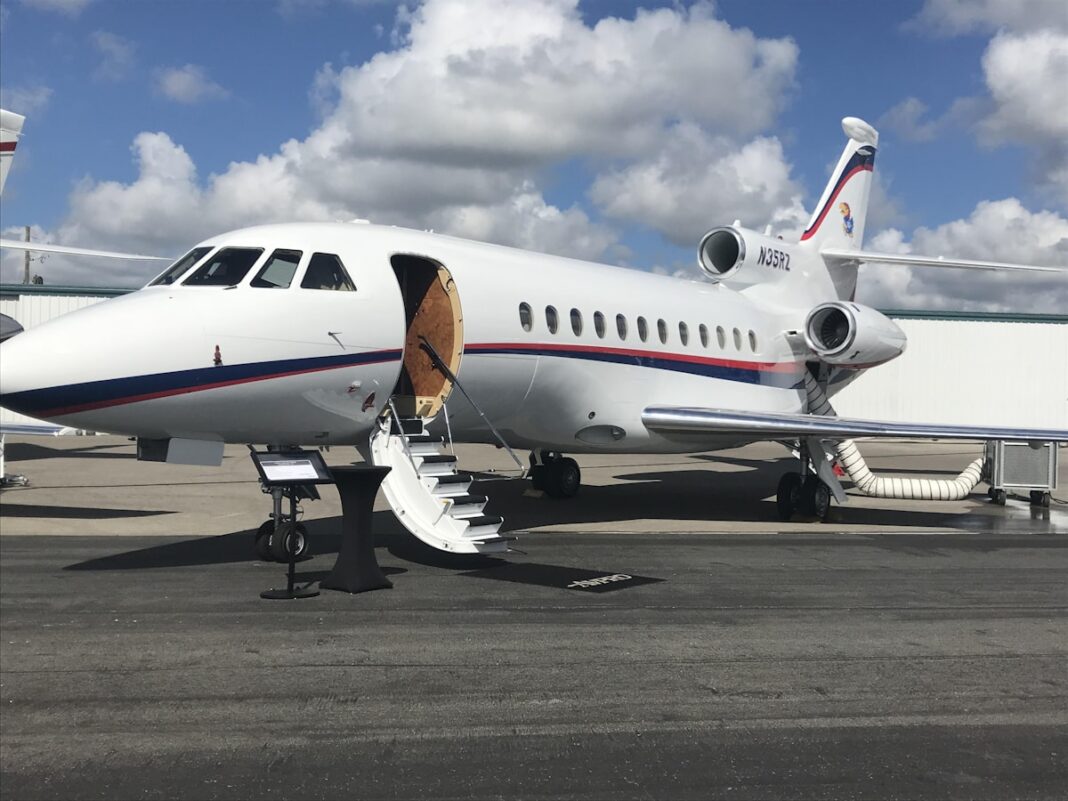

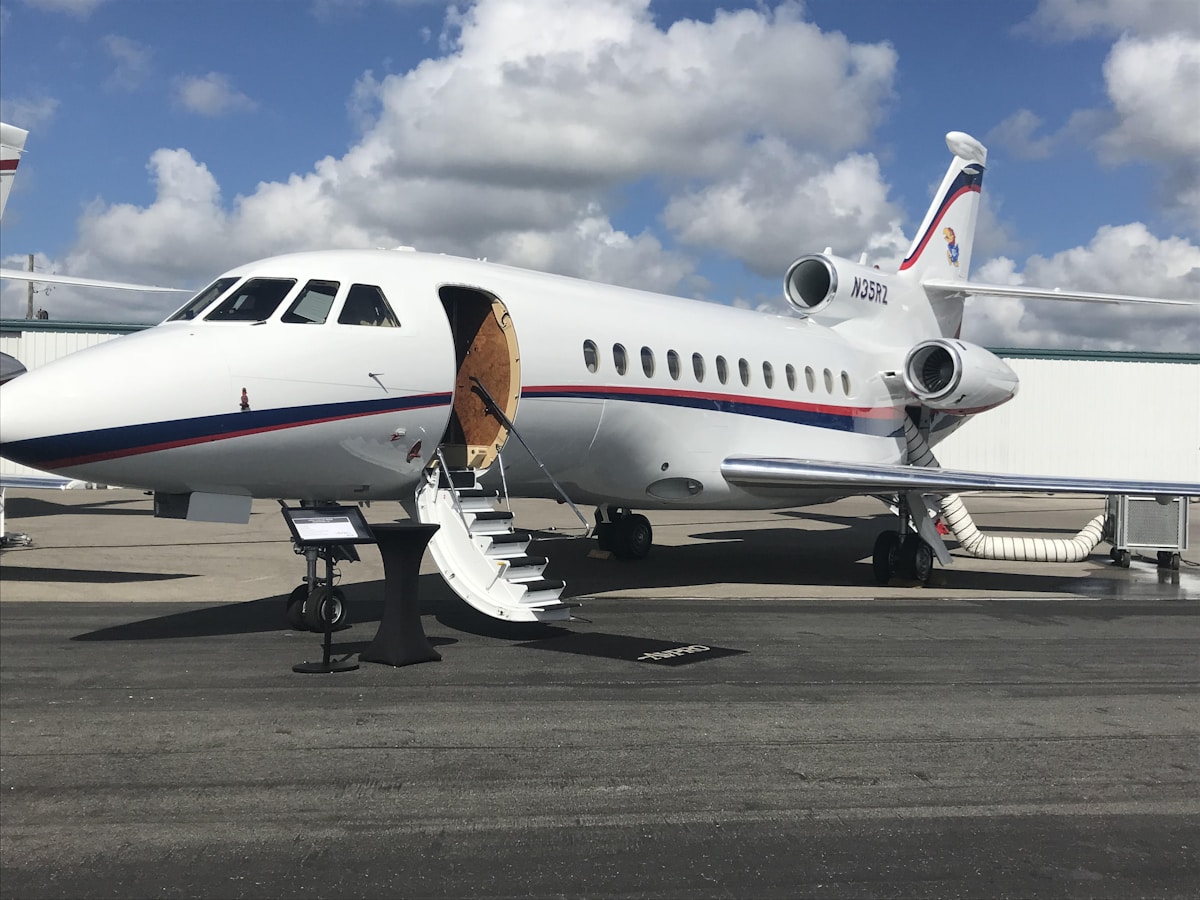
NetJets fractional jet ownership offers a middle ground between full private jet ownership and on-demand chartering. It appeals to travelers seeking a balance of convenience, cost-efficiency, and access.
Understanding the pricing structure and how it aligns with individual travel needs is essential to determining its value.
Fractional ownership includes upfront acquisition costs, fixed management fees, and variable hourly rates. These are influenced by factors such as aircraft type and usage.
Compared to jet cards or full ownership, NetJets provides a comprehensive service with consistent scheduling and maintenance. This can add to its appeal for corporate and high-net-worth users.
Potential buyers should assess how often they fly and the routes they use. Flexibility requirements should also be weighed against NetJets’ pricing and benefits.
This evaluation helps clarify if fractional ownership is a smart investment or if alternative options might be more suitable.
Key Takeways
- NetJets pricing includes upfront, fixed, and hourly costs that vary by usage and aircraft type.
- Fractional ownership offers reliable availability and service compared to other private aviation solutions.
- Evaluating travel frequency and needs is critical to deciding if NetJets fractional ownership is worthwhile.
How NetJets Fractional Jet Ownership Works
NetJets fractional ownership lets clients purchase a share of a private jet. This gives them guaranteed flight access without full ownership responsibilities.
The program includes clear fee structures and a variety of aircraft options tailored to flight needs. It is supported by a long-term commitment.
Overview of Fractional Ownership
Fractional ownership means buying a percentage of an aircraft, typically starting at 1/16th of a jet. This share grants a set number of flight hours annually based on ownership size.
Owners commit for a minimum of 36 months. This balances usage with shared operational costs.
NetJets handles all aircraft management, including maintenance, crew, and scheduling. Clients avoid hassles of full ownership while receiving consistent availability and high safety standards.
Structure of NetJets Shares
NetJets ownership is broken into fixed shares that correspond to flight hours per year. For example, a 1/16 share gives roughly 50 hours.
Pricing includes two main fees:
- Monthly Management Fee (MMF): Covers fixed costs like maintenance, hangaring, and crew salaries.
- Occupied Hourly Fee (OHF): Covers costs incurred only when the jet flies, such as fuel and handling.
Shares are transferable and can be sold back or leased. Multi-year contracts provide predictable budgeting and include benefits like guaranteed availability within the NetJets fleet.
Types of Aircraft Available
NetJets offers a range of aircraft models covering different mission profiles:
| Jet Class | Typical Range | Seating Capacity |
|---|---|---|
| Light Jets | ~1,200 miles | 6-8 passengers |
| Midsize Jets | ~2,000 miles | 7-9 passengers |
| Super-Midsize Jets | ~3,200 miles | 8-10 passengers |
| Large Jets | 3,500+ miles | 10-16 passengers |
| Ultra Long-Range | 5,000+ miles | 12-16 passengers |
Clients select aircraft matching trip length and passenger count. NetJets’ fleet of over 750 aircraft ensures access to the appropriate jet type, backed by professional crews and global operational infrastructure.
More detailed information on fractional ownership pricing and fleet options can be found at FlyCraft’s comprehensive NetJets Fractional Ownership guide.
NetJets Pricing Breakdown
NetJets pricing involves multiple components that together define the total cost of fractional ownership. These include the initial investment, ongoing management fees, and charges based on actual flight hours.
Each part plays a critical role in budgeting for ownership.
Initial Purchase Cost
The initial purchase cost is tied to the share size and the type of aircraft selected. NetJets offers fractional shares starting typically at 1/16 ownership.
Prices for these shares can begin at around $215,000 and increase significantly depending on the jet model and the share fraction. This upfront payment provides access to a portion of the jet with guaranteed availability.
It often covers the aircraft acquisition cost. Buyers should consider that larger or more luxurious models command higher initial fees.
Monthly Management Fees
Monthly management fees cover the fixed costs of aircraft upkeep, including hangar storage, insurance, maintenance, and staff salaries. These fees usually vary based on the aircraft model and operational requirements.
Owners can expect these fees to range from approximately $10,000 to $20,000 monthly. This ensures that the jet is maintained to high safety and performance standards.
This predictable expense also supports scheduling and operational logistics handled by NetJets.
Hourly Flight Charges
Hourly flight charges reflect the actual usage of the aircraft and include fuel, crew expenses, maintenance per flight hour, and other variable costs. Rates fluctuate by aircraft type; for example, light jets cost less per hour than large-cabin jets.
Typical hourly rates range from $5,000 to over $10,000. These charges are billed based on flight time, ensuring owners pay in accordance with their usage.
This structure balances fixed costs with operational flexibility. For a detailed guide on fractional ownership pricing, review NetJets fractional ownership costs at FlyCraft.
Comparing NetJets Fractional Ownership to Alternatives
NetJets fractional ownership offers a balance between control, convenience, and cost. It competes with several alternatives that suit different travel profiles.
Each option varies in upfront investment, ongoing fees, and flexibility. This can impact the value and experience depending on flight frequency and user priorities.
Full Jet Ownership vs. Fractional
Full jet ownership requires a significant capital outlay, often millions, and involves complete responsibility for maintenance, crew, storage, and management. Owners gain full control over schedules and aircraft customization but face unpredictably high fixed and variable costs.
Fractional ownership through NetJets reduces upfront costs by allowing purchase of a share, typically 1/16th, representing about 50 flight hours annually. NetJets handles maintenance, management, and crew, passing along predictable fixed fees plus hourly flight costs.
This structure lowers risks and administrative burden but limits flight hours and aircraft availability to the share size. For those flying 50-300 hours yearly, fractional ownership provides cost efficiencies without full ownership’s operational complexity.
Jet Cards vs. Fractional Shares
Jet card programs sell prepaid blocks of flight hours without ownership equity or long-term commitments. They offer flexibility to fly various aircraft types on demand with fixed hourly rates.
Jet cards suit travelers with irregular schedules or fluctuating flight needs. NetJets jet cards include access to its fleet with guaranteed availability and shorter notice periods than many competitors.
Cards avoid fixed ownership fees, making them less costly upfront compared to fractional shares. However, per-hour rates are typically higher, and users do not build equity or share costs related to aircraft management.
Fractional shares are more cost-effective for regular users flying dozens of hours yearly. Jet cards benefit travelers seeking flexibility without long-term contracts. For travelers who prefer scheduled service instead, the best first class airlines offer a comparably refined experience without the long-term commitment.
On-Demand Charter Services
On-demand charter allows booking entire aircraft for single trips with no ownership or fixed fees. Prices depend on aircraft type, distance, and availability.
This offers maximum flexibility and no ongoing commitment. NetJets fractional owners pay a combination of fixed monthly fees plus hourly operating costs, whereas charter clients pay per flight with no equity.
Charter services can be more economical for occasional flyers or very infrequent use. However, charters typically require booking well in advance to secure preferred aircraft and schedules. For first-timers weighing their options, our guide on how to fly private for the first time walks through the booking process step by step.
They also may lack the consistency and guaranteed availability that fractional ownership or jet cards provide.
| Feature | Fractional Ownership | Jet Cards | On-Demand Charter |
|---|---|---|---|
| Upfront Cost | Moderate (share purchase) | Low (prepaid hours) | None |
| Fixed Fees | Yes (management & maintenance) | No | No |
| Hourly Cost | Lower than jet cards/charter | Higher than fractional | Variable, often highest |
| Flexibility | Moderate | High | Very High |
| Commitment Length | Multi-year | Typically 1-3 years | Per flight |
| Equity/Asset Ownership | Yes | No | No |
Is Fractional Jet Ownership With NetJets Worth It?
Fractional jet ownership with NetJets involves balancing several factors. How often one flies, the financial tradeoffs between cost and convenience, and the degree of personalized service offered all shape the value proposition for potential owners.
Value for Frequent Flyers
NetJets fractional ownership typically appeals most to travelers logging around 50 or more flight hours annually. Purchasing a one-sixteenth share generally grants roughly that amount, providing access to an aircraft without full ownership expenses.
Frequent flyers benefit from guaranteed availability and reduced wait times compared to charter services. The convenience of flying on demand to various destinations without scheduling headaches is a major advantage.
Operational costs are shared among owners, which can lower the per-hour flight expense compared to sole ownership or last-minute charters. However, the initial share acquisition cost, monthly management fees, and occupied hourly rates add up, making it less suitable for infrequent flyers. Savvy travelers also keep an eye on empty leg flights as a flexible, low-cost alternative for occasional trips.
Cost Versus Convenience
NetJets requires an upfront capital investment starting around $215,000 for fractional shares, plus monthly management fees and hourly flight charges. This structure smooths out unpredictable costs found in chartering and full ownership.
The model offers convenience by including aircraft management, maintenance, crew, and scheduling. Owners pay for a share of the asset and only use hours as needed, reducing fixed costs compared to owning a jet outright.
Those flying less frequently may find jet cards or charter options more cost-effective. The consistent monthly fees and occupied hourly rates require careful consideration against personal travel patterns and budget.
Personalization of Service
NetJets emphasizes a tailored experience with flexible aircraft choices, customized amenities, and dedicated customer support. Owners can select specific aircraft models and base locations aligned with their travel habits.
The fleet’s size allows for upgrades or changes mid-contract, adapting to evolving needs. Personalized ground services, in-flight catering preferences, and consistent crew assignments enhance comfort and familiarity.
This level of customization supports business travelers and high-net-worth individuals who prioritize reliable, efficient travel with minimal disruptions. Such service refinement contributes to NetJets’ reputation but also factors into the overall cost structure.
Explore more details on how fractional ownership compares with other options at NetJets’ comprehensive cost guide.
Factors Impacting NetJets Ownership Cost
Several elements influence the total cost when investing in NetJets fractional ownership. These factors affect not only the initial price but also ongoing expenses and potential returns.
Understanding these key variables helps owners make informed decisions about their investment.
Tax Considerations
Tax treatment is a critical component in NetJets fractional ownership costs. Owners may benefit from depreciation deductions, which can be significant from a federal tax perspective.
This depreciation is typically claimed under the Modified Accelerated Cost Recovery System (MACRS), allowing for accelerated write-offs in the first several years. Additionally, sales tax varies by state and jurisdiction, impacting the upfront purchase price.
Some regions may exempt aircraft purchases or offer rebates, while others impose full sales tax. Owners must also consider use tax or personal property tax, which can increase annual expenses.
Operating costs related to NetJets, such as management fees, may also be deductible when used for business purposes. Tax regulations change frequently, so consulting a tax professional experienced in aviation is essential to optimize benefits and compliance.
Resale Value of Shares
The resale value of ownership shares influences the long-term cost-effectiveness of fractional ownership. NetJets shares typically depreciate over time, but the rate depends on demand, aircraft model, and market conditions.
Owners often factor in the estimated buyback price when evaluating overall expenses. NetJets manages the resale process, providing liquidity by purchasing shares back at a determined value based on current market factors and aircraft age.
Timing is important; shares sold closer to the end of the contract may fetch lower prices due to decreasing asset value. NetJets’ established market presence helps maintain some stability in resale pricing compared to independent fractional programs.
Understanding potential resale outcomes gives owners a clearer picture of the true cost and helps plan their ownership horizon.
Tips for Evaluating NetJets Fractional Ownership
When considering NetJets fractional ownership, it is crucial to analyze both upfront and ongoing costs. Buyers purchase a share of an aircraft, which involves an initial acquisition fee plus monthly management fees.
Additionally, hourly flight costs and variable expenses like fuel and landing fees can significantly affect the total price. Evaluating usage patterns helps determine value.
Those who fly frequently may benefit more from fractional ownership compared to occasional travelers. NetJets offers a range of jet types—Light, Midsize, Super-Midsize, and Large—each with different cost structures and capabilities.
Matching aircraft size to typical trip length and passenger needs is essential. It is important to consider the flexibility and benefits NetJets provides.
These include guaranteed availability, access to over 5,000 airports, and personalized service. However, the commitment to long-term ownership contrasts with more flexible options like jet cards or charter services.
A simple framework to evaluate costs looks like this:
| Cost Component | Description | Impact on Total Cost |
|---|---|---|
| Acquisition Price | Initial share purchase | Large upfront investment |
| Management Fees | Monthly fixed fees for operation & upkeep | Ongoing predictable expense |
| Hourly Flight Costs | Variable costs based on flight time | Varies with usage frequency |
| Additional Variable Fees | Fuel surcharges, landing fees, repositioning | Can fluctuate significantly |
Reviewing alternatives and running detailed cost comparisons with a NetJets price calculator can help clarify which model aligns best with travel needs and financial expectations.