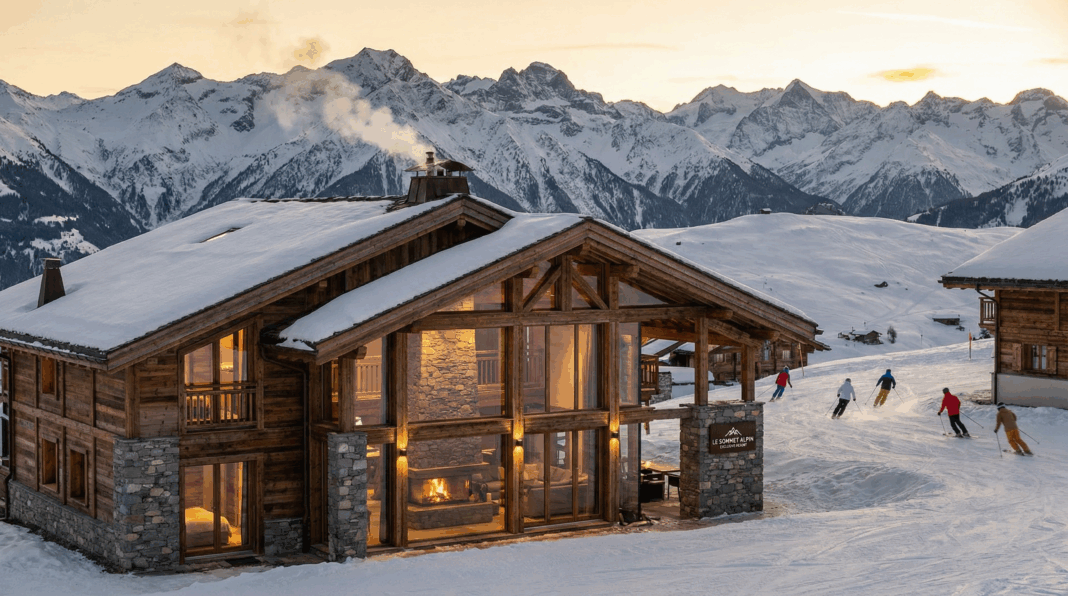

Getting a hotel room upgrade can transform an ordinary stay into a memorable experience without extra cost. The key to securing an upgrade lies in thoughtful preparation, booking directly with the hotel, and knowing when and how to ask politely.
Many travelers assume upgrades are only for elite members or those who pay more, but there are practical steps anyone can take to improve their chances. Understanding the right strategies—from joining loyalty programs to timing check-ins—makes a significant difference.
Personal touches, such as mentioning special occasions or clear communication about preferences, can also sway hotel staff to offer better accommodations. Small actions, done well, often lead to impressive results.
Key Takeaways
- Booking directly and engaging politely boosts upgrade chances.
- Loyalty programs and personal requests often lead to better rooms.
- Timing and clear communication are essential for successful upgrades.
Understanding Hotel Room Upgrades
Hotel room upgrades enhance the guest experience by providing better accommodations, amenities, or views than the standard booking. These upgrades vary by hotel, brand, and availability.
Knowing what qualifies, the types of upgrades, and their benefits helps travelers approach requests more effectively.
What Qualifies as a Room Upgrade
A hotel room upgrade means moving from a basic or standard room to one with improved features. This could be a larger room, a room on a higher floor, or one with superior views.
Upgrades might also include additional amenities like a balcony, enhanced bathroom facilities, or access to exclusive lounges. Not every change counts as an upgrade; a simple room change without added benefits often doesn’t qualify.
Upgrades can be confirmable (guaranteed through loyalty status or certificates) or based on availability at check-in. Some programs require booking upgraded room categories upfront to secure certain benefits.
Types of Hotel Room Upgrades
Room upgrades range widely depending on the hotel’s offerings. Common types include:
- Suite Upgrades: Moving from a standard room to a suite with separate living areas.
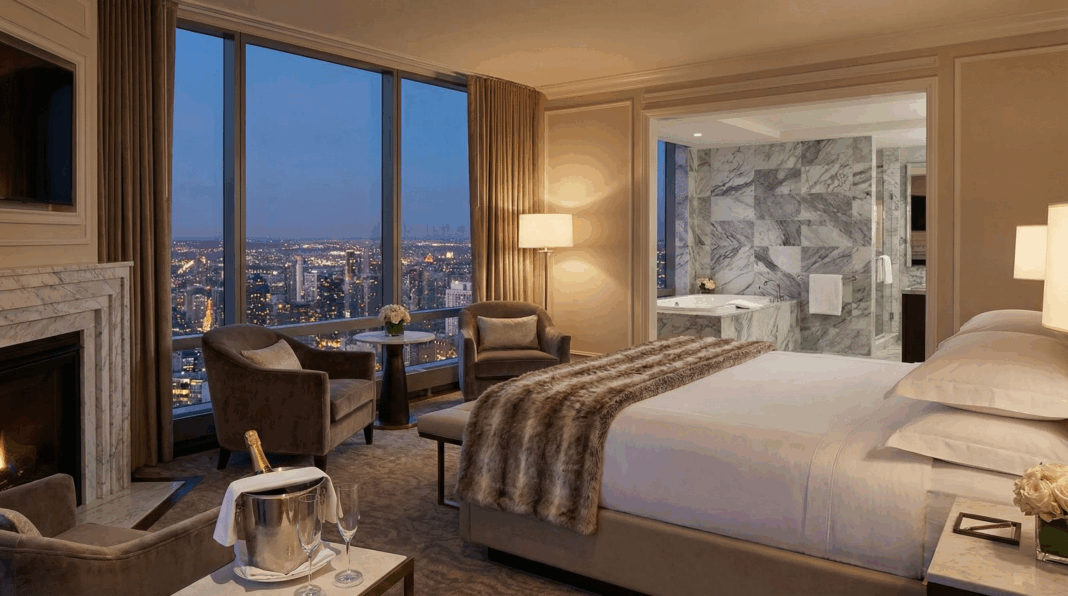
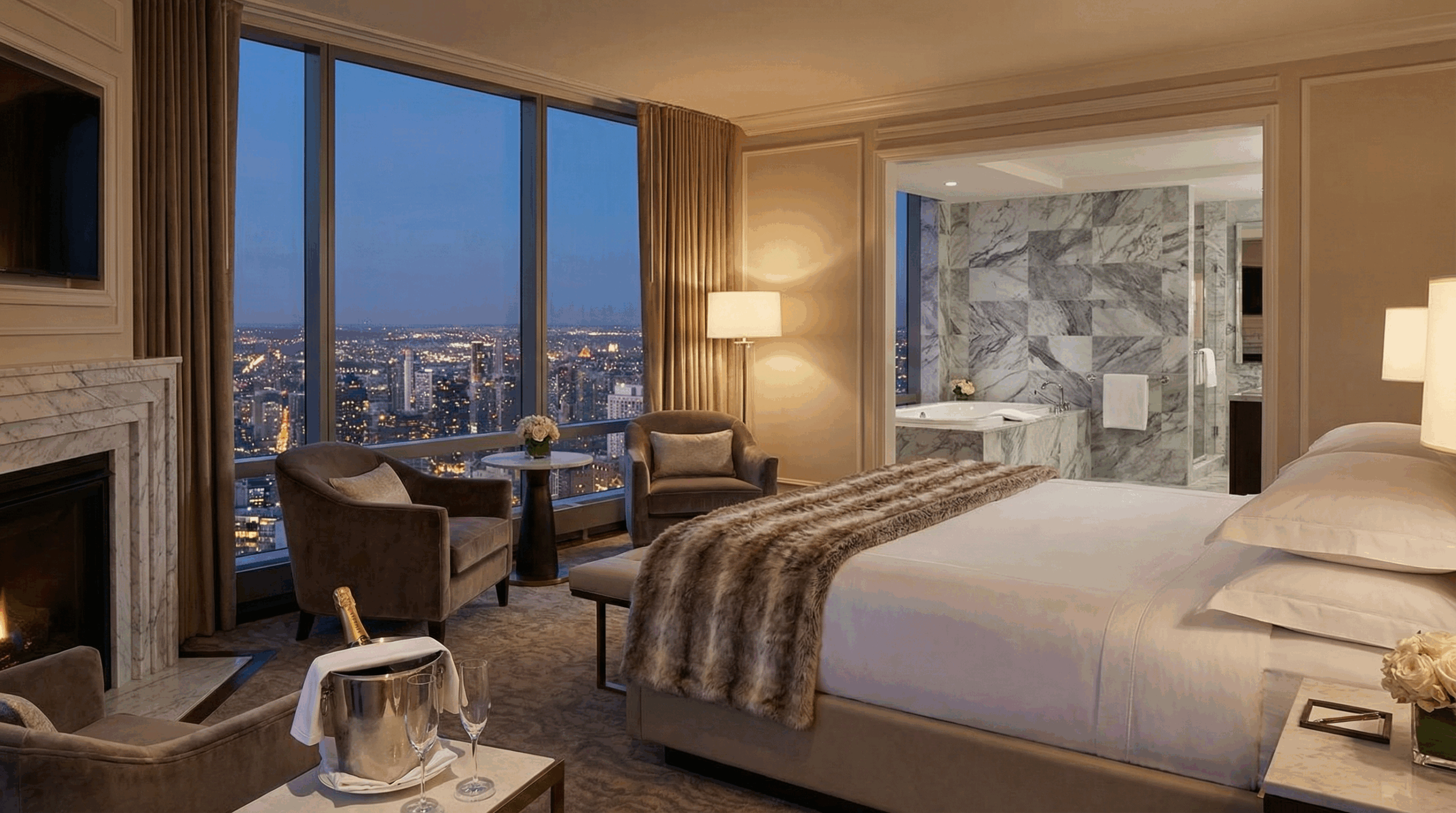
- View Upgrades: Transitioning to a room with city skyline, oceanfront, or scenic views.
- Club or Executive Floor Access: Providing entry to exclusive lounges with added services like complimentary food or drinks.
- Larger or Better-Located Rooms: Rooms with more space or positioned in quieter or more desirable areas of the hotel.
- Amenity Enhancements: Extras like a jacuzzi tub, upgraded toiletries, or in-room technology enhancements.
These upgrades can be complimentary or involve a small fee or points redemption, depending on the booking channel or loyalty program. At the very top of the market, upgrades may extend to entirely different service tiers; our explainer on what defines a six-star hotel outlines the kind of accommodation a generous upgrade can land you in.
Benefits of Room Upgrades
Upgrades improve comfort, privacy, and convenience, which can significantly enhance a guest’s stay. A suite upgrade, for example, offers more space and often includes a living room or workspace.
Access to exclusive lounges adds value through complimentary food, drinks, and a quiet environment. Better views or quieter locations contribute to a more relaxing experience.
Some upgrades include perks like late checkout or free Wi-Fi upgrades. At the highest tiers, an upgrade can also unlock dedicated luxury hotel butler service, which transforms the day-to-day rhythm of a stay far more than a bigger room alone.
Additionally, room upgrades can increase overall satisfaction, making trips more enjoyable and renewing loyalty to the hotel brand.
Hotel room upgrades also represent cost savings compared to booking premium rooms outright, especially when secured through loyalty programs or elite status. For detailed upgrade tactics, see how to increase upgrade chances at The Points Guy.
Strategies to Secure an Upgrade
Success in getting a hotel room upgrade often depends on when and how guests engage with the hotel. Preparation, strategic booking choices, and clear communication at check-in play crucial roles in improving chances.
Timing Your Request
The timing of the upgrade request matters significantly. Guests who ask at less busy times, such as midweek or during lower occupancy periods, usually have better odds of receiving an upgrade.
Early check-in can help, but sometimes waiting until late afternoon or evening—when the front desk has a clear view of room availability—can be more effective. Planning an upgrade request around special occasions like birthdays or anniversaries can also increase chances.
Hotels often prioritize upgrades to guests celebrating such events, especially when mentioned in advance during booking or check-in.
Direct Booking Tactics
Booking directly with the hotel often results in better upgrade opportunities compared to third-party sites. Hotels favor direct customers because it reduces commission fees and makes communication easier.
Enrolling in the hotel’s loyalty program further enhances upgrade potential since elite members frequently receive confirmed or priority upgrades. Using booking options that include flexible rates or upgrade certificates can secure a better room upfront.
Requesting an upgraded room type during booking also puts a guest ahead of others who only ask at arrival.
Effective Communication at Check-In
How guests communicate at check-in can influence upgrade decisions. Polite, confident requests that clearly express preferences carry more weight.
Mentioning loyalty status, special occasions, or a desire for a quieter or better-located room can help front desk staff consider upgrades. Framing the request with gratitude rather than entitlement creates a positive interaction.
Asking questions like, “Are there any upgrades available today?” opens the door for staff to offer options. Being flexible and willing to accept last-minute offers can also increase upgrade chances. If an upgrade does come through, a small gesture of thanks goes a long way; our 5-star hotel tipping guide covers appropriate amounts for the front desk, concierge, and butler staff who make those decisions.
For more detailed tactics on communicating effectively, see travel experts’ advice on how to ask for a hotel upgrade.
Leveraging Loyalty Programs
Loyalty programs can significantly boost chances of receiving a hotel room upgrade. Earning elite status, using reward points wisely, and understanding specific brand policies are crucial factors that affect upgrade eligibility and availability.
Elite Status Advantages
Elite status in a hotel loyalty program often grants priority access to upgrades before non-members or lower-tier members. This status is usually earned by accumulating a certain number of nights stayed or points within a calendar year.
The highest tiers typically receive automatic room upgrades, early check-in, and late checkout privileges. Upgrades can include better views, larger rooms, or even suites, depending on availability.
It’s important to note that upgrades are rarely guaranteed, but elite members almost always have better odds than casual guests. Many programs also offer dedicated customer service lines for elite members, which can help negotiate upgrades during booking or check-in.
Maximizing Reward Points
Reward points in loyalty programs can be exchanged for room upgrades, often at a fixed point cost or as part of a nightly upgrade award. Booking directly through the hotel’s website or app frequently earns more points and may qualify the guest for exclusive upgrade offers.
Some programs allow members to apply points toward suite upgrades, while others provide free upgraded nights when reaching a point threshold. To maximize points, guests should focus on stays at brands within one loyalty program network and combine points with elite status benefits.
Redeeming points strategically during less busy periods can increase the likelihood of successful upgrades.
Brand-Specific Upgrade Policies
Each hotel brand has distinct rules regarding upgrades. For example, some brands offer guaranteed upgrades to top-tier elites, while others use a space-available system.
Certain brands may require points for suite upgrades, while others prioritize elite status or direct bookings. It is helpful to research the specific upgrade policies of the hotel brand before booking. The differences can be striking even between the most prestigious names; our comparison of Aman vs Four Seasons highlights how loyalty philosophies and upgrade culture can vary between top-tier brands.
Some programs provide upgrade awards that can be redeemed in advance, while others only upgrade at check-in. Asking the front desk about possible upgrades, including mentioning loyalty status or willingness to join the program, can sway the decision.
For a detailed comparison of various hotel loyalty programs’ upgrade policies, see this guide on the best hotel loyalty program for suite upgrades.
Special Occasions and Personalization
Knowing when and how to communicate personal details can significantly increase the chances of receiving a hotel room upgrade. Making the right information known upfront and crafting specific requests tailored to the stay can influence hotel staff decisions.
Highlighting Celebrations
Guests should always mention special occasions like birthdays, anniversaries, honeymoons, or significant milestones when booking or checking in. Hotels often prioritize making these stays memorable by offering complimentary upgrades or added amenities such as room with a view or extra perks.
It is best to notify the hotel at least a week in advance, either by phone or email. This timing allows the staff to prepare and better accommodate the request.
Simply stating the occasion and its importance without overstating can increase upgrade odds, as hotels aim to enhance guests’ experiences on meaningful celebrations. For examples of how special occasions boost upgrade chances, see this detailed guide on announcing special occasions during hotel booking.
Personalized Requests That Work
Specific, polite, and clear requests improve the likelihood of a room upgrade. Guests should specify what type of room or amenities appeal to them, such as a quieter corner, higher floor, or a suite with a balcony.
Mentioning loyalty status, previous stays, or any preferences that contribute to a personalized experience also helps. When writing an upgrade request email, including relevant details about the trip’s purpose and desired experience increases effectiveness.
Requesting an upgrade without demanding it, combined with a positive tone, can influence the hotel positively. It is helpful to make these requests at booking and follow up at check-in to reinforce the ask.
More advice on crafting upgrade requests is available with examples on writing hotel upgrade emails.
Utilizing Credit Cards and Memberships
Hotel room upgrades often come through strategic use of certain credit cards and membership programs. These financial products and loyalty statuses can grant automatic elite benefits, access to exclusive offers, and confirmable upgrades.
Maximizing these tools requires understanding which cards and memberships provide the best perks.
Premium Credit Card Perks
Many premium credit cards come with automatic hotel elite statuses or partnered benefits that boost upgrade chances. Cards like the Hilton Aspire, Chase Sapphire Reserve, and American Express Platinum grant elite status or access to programs like Fine Hotels & Resorts.
These often include complimentary upgrades, early check-in, late check-out, and lounge access. Some cards offer confirmed suite upgrades or upgrade certificates annually.
For example, American Express Fine Hotels & Resorts members receive room upgrades when available. Additionally, these cards allow booking through exclusive portals, increasing the chance of an upgrade compared to standard bookings.
Carrying a card with these benefits helps travelers enjoy perks without needing to reach elite status through paid stays, providing a straightforward upgrade path without additional spending.
Partnered Membership Privileges
Hotel loyalty programs like Marriott Bonvoy, World of Hyatt, and Hilton Honors reward frequent guests with elite status tiers that unlock upgrade opportunities. Higher tiers such as Marriott Platinum or Hyatt Globalist often guarantee complimentary upgrades, including suites or club lounge access, depending on availability.
Some programs issue upgrade certificates as part of elite benefits or as rewards redeemable with points. Others offer special promotions tied to co-branded credit cards, enhancing upgrade odds when booking with the membership linked card.
Maintaining elite status through stays or credit card spend solidifies priority in the upgrade queue. Combining these memberships with premium card perks creates synergy that significantly increases the likelihood of upgraded accommodations.
For more insights, see how to get a hotel room upgrade through elite status and credit cards.
Best Practices for Hotel Interactions
Successful hotel room upgrades often depend on how guests communicate and engage with hotel staff. Demonstrating respect and building genuine rapport can increase the likelihood of receiving an upgrade.
Politeness and Professionalism
Being polite and professional at check-in sets the tone for the entire stay. Guests should greet staff warmly, use their names if known, and speak clearly and respectfully.
Making requests calmly rather than demanding is crucial. For example, saying “If possible, I would appreciate an upgrade” sounds better than insisting on one.
Maintaining a positive attitude, even if the hotel is busy or issues arise, shows patience and understanding. A sincere compliment about the hotel or staff also helps.
Staff members deal with hundreds of guests, so those who stand out by being courteous are more likely to receive preferential treatment.
Building Relationships with Staff
Developing a connection with hotel employees can lead to upgrades and other benefits. Frequent visitors should try to remember staff names and roles.
Small talk that feels natural—such as asking for local recommendations—builds rapport while showing genuine interest. Guests who engage staff early, such as during online check-in messages or at arrival, have a better chance of being recognized by name.
Loyalty program members benefit from these interactions more often, but any guest can gain from being friendly and authentic. Consistency in behavior across visits strengthens relations, increasing upgrade possibilities over time.
Hospitality experts emphasize authenticity; staff notice insincerity quickly, which can backfire. The key is to be genuinely polite and interested without pushing too hard.
For more techniques on getting hotel upgrades, see how experts recommend improving guest interactions.
Common Mistakes to Avoid
Failing to consider key factors can reduce the chances of receiving a complimentary hotel room upgrade. Timing, booking details, and program benefits often determine success more than simply asking.
Overlooking Availability
One frequent error is neglecting the actual room availability at the time of check-in. If the hotel is fully booked or only higher-tier rooms are available, the chances of an upgrade decrease significantly.
Guests should check hotel occupancy levels before arrival, when possible. Booking during off-peak times or midweek often improves upgrade odds because there is more inventory.
Additionally, requesting an upgrade too late or during busy periods may be ineffective. Hotels prioritize upgrades when inventory allows, especially if entry-level rooms have been sold out and larger suites remain free.
Ignoring these details can waste the opportunity to secure a better room.
Ignoring Loyalty Programs
Another common mistake is not leveraging loyalty programs. Many hotels offer automatic upgrade priority to members with status in their rewards programs.
Failing to join or use loyalty accounts means missing benefits like complimentary upgrades, late check-out, or welcome amenities.
Travelers should enroll in the relevant hotel’s program well before booking. Maintaining consistent stays to build status can dramatically increase the likelihood of upgrades.
Some hotel chains also allow upgrades when booking through preferred partners. Credit cards linked to their programs can also provide access to upgrades.
Ignoring these options limits access to perks that come without additional cost or effort.
For more detailed strategies on how loyalty can influence upgrades, visit this hotel upgrade insider guide.
Final Tips for Success
Treating hotel staff with respect and friendliness significantly increases the chance of an upgrade. Genuine politeness helps create a positive interaction during check-in.
Timing matters. Arriving mid-week or during off-peak seasons often means more availability for upgrades.
Early or late check-in can also boost the odds when the front desk is less busy. It helps to have a clear idea of the room type desired.
Politely asking for a specific upgrade shows preparedness without being demanding. Expressing flexibility while still stating preferences works best.
Many travelers benefit from being repeat guests or staying at newly opened hotels. Loyalty and familiarity with the property can improve upgrade chances.
Here’s a quick checklist for better results:
| Action | Reason |
|---|---|
| Be polite and personable | Builds rapport with staff |
| Check in during off-peak times | More upgrade availability |
| Ask specifically yet politely | Shows clear interest |
| Use loyalty status if applicable | Increases upgrade priority |
Avoid sounding entitled or pushy, which often backfires. A confident but courteous approach combined with some flexibility maximizes opportunities.
For more tips on improving the odds, see this ultimate hotel room upgrade guide.
You Might Also Like
 The 5-Star Tipping Guide: Exactly How Much to Give the Butler, Concierge, and Doorman
 Aman vs. Four Seasons: A Brutally Honest Comparison of Two Luxury Hotel Empires
 The Biohacker’s Guide to Eliminating Jet Lag on Ultra-Long-Haul Flights
 Luxury Hotel Butler Service Enhancing Personalized Guest Experiences