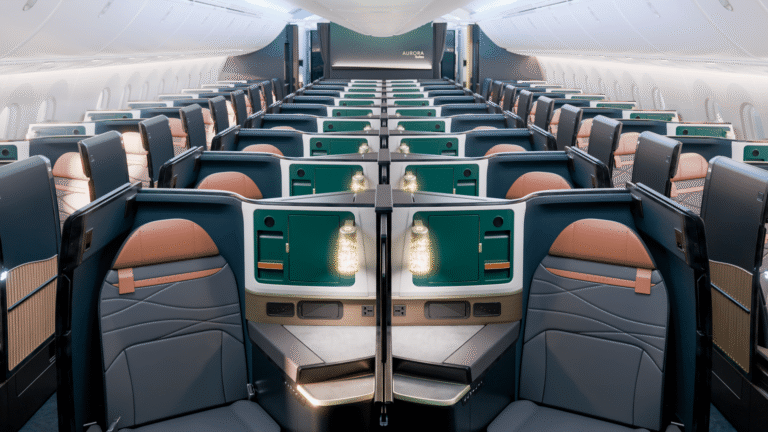
Best Jet Card Programs 2026: NetJets, VistaJet, Sentient & Wheels Up Compared

Jet cards are the middle path in private aviation. You prepay a block of flight hours at a locked hourly rate — usually 25 or 50 hours — and in exchange you get guaranteed availability, capped rates through peak periods, and one phone number to call. No aircraft ownership, no fractional share, no scrambling for a broker every trip.

For anyone flying 25 to 100 hours a year, a jet card is almost always the right answer. Under 25 hours, on-demand charter still wins on total spend. Above 100, fractional ownership starts to make financial sense. But between those numbers — where most serious private flyers actually live — the question isn’t “should I get a jet card?” It’s “which one?”

The four programs that matter in 2026 are NetJets Marquis Jet Card, VistaJet Program, Sentient Jet, and Wheels Up. Each is built for a different flyer. Here’s how they compare on the metrics that actually change the bill and the experience.

Jet Card Programs at a Glance

Program Minimum Hours Fleet Access Peak Days/Year Best For
NetJets Marquis 25 hours NetJets fleet (~800 aircraft) ~30 days Reliability at any cost
VistaJet Program 50 hours VistaJet fleet (Global 7500s and Challengers) 0 restricted days International, ultra-long-haul
Sentient Jet Card 25 hours Vetted operator network ~15 days Domestic US, price-sensitive
Wheels Up Connect/Core Variable (deposit-based) Wheels Up fleet + partners Varies Flexible commitment, mixed cabin

1. NetJets Marquis Jet Card — The Benchmark

NetJets is the largest fractional operator in the world, and the Marquis Jet Card is its access product for flyers who want NetJets service without buying into a fractional share. You prepay 25 hours at a fixed hourly rate — currently ranging from roughly $13,500/hour on a light Citation Latitude to over $22,000/hour on a Gulfstream G650 — and you get the exact same aircraft, crew, and dispatch that fractional owners fly.

What it costs: A 25-hour Marquis card in a mid-cabin Citation Latitude runs approximately $337,500 for the block. Larger cabins move the number higher — G450s and G650s can push a 25-hour card past $500,000. Federal excise tax (7.5%) is on top.

What you get: Guaranteed availability with as little as 10 hours’ notice, capped hourly rates through the entire term (typically 24 months to use the hours), and NetJets’ safety and training record — which is the strongest in the industry. On peak days (roughly 30 per year — Thanksgiving Wednesday, Super Bowl weekend, major holidays), NetJets requires longer lead time but does not refuse service.

Where it falls short: Price. Marquis is 15–25% more expensive per hour than a comparable ad-hoc charter on a slow day. You’re paying for the guarantee, not the flight. If you fly mostly off-peak and have a great broker, on-demand charter can beat Marquis on straight cost every time.

Verdict: Marquis is the default for anyone who cannot tolerate a canceled trip. Family offices, C-suite executives, and pro athletes cluster here for a reason.

2. VistaJet Program — The International Choice

VistaJet is the only global operator with a single, uniformly branded fleet flying under one operating certificate on multiple continents. Every aircraft is silver with a red stripe, every cabin is Kelly Hoppen–designed, every crew wears the same uniform, and the food is Nobu-catered on request. This matters more than it sounds — for someone flying New York to Dubai to Milan in the same week, VistaJet delivers a genuinely consistent experience.

What it costs: The VistaJet Program starts at 50 hours minimum (double NetJets), and hourly rates on the Global 7500 flagship run roughly $17,000–$22,000. That puts a 50-hour block at $850,000 to $1.1M+. Not for the occasional flyer.

What you get: Access to VistaJet’s fleet of Bombardier Globals (Global 6000, 7500) and Challengers (350, 605), all young, all wide-cabin, and all capable of true intercontinental range. Zero blackout days — VistaJet doesn’t operate a peak-day system. Membership includes VistaJet’s spa, culinary, and family programs (kids’ amenity kits, in-flight private chef service, pet accommodations).

Where it falls short: If you fly mostly short domestic hops (New York to Nantucket, LA to Aspen), you’re paying for capability you don’t need. Light-cabin flyers save 40%+ on other programs.

Verdict: VistaJet is the answer for international ultra-high-net-worth flyers whose trips regularly cross oceans. For domestic US flying only, it is over-specified and over-priced.

3. Sentient Jet Card — The Domestic Value Play

Sentient (a Directional Aviation company, sister to Flexjet) operates a curated network model instead of a single owned fleet. You buy the card, and Sentient sources your flights from a vetted list of ARG/US Platinum operators — the top ~5% of US charter operators by safety and audit rating. Because Sentient isn’t carrying the cost of ownership, hourly rates run 10–20% below NetJets Marquis for equivalent cabins.

What it costs: The Sentient Jet Card starts at 25 hours; a light-cabin card runs roughly $175,000–$225,000, and mid-cabin cards land around $250,000–$325,000 for the same 25-hour block. FET is included in some Sentient contracts — read the fine print.

What you get: Guaranteed availability with 10 hours’ notice, capped rates on non-peak days, and a much shorter list of restricted peak days (roughly 15) than NetJets. Sentient publishes its safety and operator audit standards publicly, and its dispatch consistently draws from a well-known operator set.

Where it falls short: You will not fly the same tail number twice. Cabins vary from flight to flight (though they’re always the same category), and there’s less consistency in flight attendant service and catering than on NetJets or VistaJet. For domestic transactional flying that’s not an issue; for a client who values the ritual of the same crew, it matters.

Verdict: The best pure-value jet card in the market. If your flying is 80%+ domestic and you care more about getting there than about the tail number, Sentient wins on math.

4. Wheels Up — The Flexible Entry Point

Wheels Up has reinvented itself several times since its 2013 launch, most recently as a membership-and-block-hours hybrid backed by Delta Air Lines. The current structure has two tiers: Connect (annual membership with pay-as-you-go charter access) and Core (deposit-based pre-funded flight credits). It’s the most flexible of the four programs — you can start with a $17,500 initiation fee and scale up as you fly more.

What it costs: Highly variable. Wheels Up publishes standard hourly rates by aircraft category, but the effective cost depends on your deposit tier and membership level. Expect roughly $8,000–$10,000/hour on a King Air 350i (turboprop), $12,000–$14,000 on a Citation Excel/XLS (mid-size jet), and $18,000+ on Citation X or Falcon 2000 super-mid aircraft.

What you get: Access to Wheels Up’s owned fleet plus a broad third-party operator network, especially strong on the East Coast. Delta status match perks (Diamond Medallion for top Wheels Up members) is a genuine differentiator for anyone who also flies commercial. Community programming (member events, private tastings) is more active than any competitor’s.

Where it falls short: Financial and operational turbulence. Wheels Up has restructured multiple times. Service consistency has been criticized in recent years, and turboprop-heavy routes still make up a meaningful share of dispatched flights — fine if you knew, disappointing if you assumed pure jet.

Verdict: The right answer for someone new to private aviation who wants to try it before committing $300K+. Also strong for East Coast short-haul flyers where the King Air fleet is genuinely useful. Not the answer for coast-to-coast or transcontinental as a primary use case.

How to Actually Choose

The honest decision tree looks like this:

  • You fly under 25 hours a year: Skip jet cards entirely. Use on-demand charter through a reputable broker. See our private jet charter cost guide for what to expect.
  • You fly 25–50 hours, mostly domestic US, price matters: Sentient Jet Card.
  • You fly 25–50 hours and cannot tolerate a canceled trip: NetJets Marquis.
  • You fly 50+ hours, international routes matter: VistaJet Program.
  • You want to test private aviation before big spend: Wheels Up Connect.
  • You fly 100+ hours a year: Do the math on fractional ownership — jet cards are inefficient at that volume.

What to Watch in the Fine Print

Every jet card contract has fine print that matters more than the hourly rate on the marketing page:

  • Peak day definition and count. Some programs have 30+ peak days with 96-hour lead time requirements. Others have zero. Check specifically for the holidays you actually fly.
  • Repositioning fees and daily minimums. Many cards bill a minimum daily flight time (typically 2 hours) even if your actual leg is 45 minutes. Round-trip same-day flights get expensive fast.
  • Federal Excise Tax (FET) treatment. Some programs include the 7.5% tax in the quoted rate; most don’t. That’s a $25,000+ swing on a large card.
  • Refund and cancellation rules. Some cards let you refund unused hours at cost. Others charge a 10–20% penalty. On a $500K commitment, that matters.
  • Aircraft substitution. Most cards guarantee a cabin category, not a specific model. If you booked a Citation Latitude and get a smaller Citation CJ4, is that acceptable?

FAQ

Are jet cards worth it in 2026? If you fly 25–100 hours a year, yes. The math on capped rates, guaranteed availability, and reduced sourcing time favors a card over on-demand for most flyers in that range.

Which jet card is cheapest? Sentient Jet Card, as a rule, for equivalent cabin categories. Wheels Up can undercut Sentient on turboprop-class flying but not on jets.

Do jet cards expire? Yes. Most contracts require you to fly the hours within 24 to 36 months of purchase. Unused hours typically refund at initial cost minus a penalty.

Can I upgrade or downgrade cabin? Most programs allow it, but you pay the difference in hourly rate. Downgrading rarely gives you extra hours — it just refunds cash.

What’s the difference between a jet card and a membership program? Cards prepay a block of hours at a locked rate. Memberships (like Wheels Up Connect) charge an annual fee for access to book at prevailing rates, with no prepaid block. Cards give price certainty; memberships give flexibility.

Still weighing whether to buy hours or a fractional share? Read our breakdown of private jet membership vs charter costs and NetJets fractional pricing to see where the crossover actually happens.

Rates and program details are current as of 2026 and change frequently. Confirm all pricing directly with the operator before signing.

Business Class vs First Class: What You Actually Get for the Upgrade (2026)

Twenty years ago the difference between business class and first class was obvious: business got you a recliner, first got you a bed. Then business class stole the bed. Today every serious long-haul business product is a lie-flat seat with direct aisle access, which raises the question travelers actually type into Google: what does first class still get you that business doesn’t — and is it worth paying two to three times the fare?

The honest answer is that it depends on the airline, the route, and how you’re paying. On some carriers the gap is a closed door and better champagne. On others — Emirates, Singapore Airlines, Air France — first class remains a genuinely different category of travel, closer to a private jet cabin than to the business seats forty feet behind it. Here’s the full comparison: seats, service, ground experience, and real 2026 fare gaps, with a verdict on when the upgrade earns its price.

Business Class vs First Class: The Short Answer

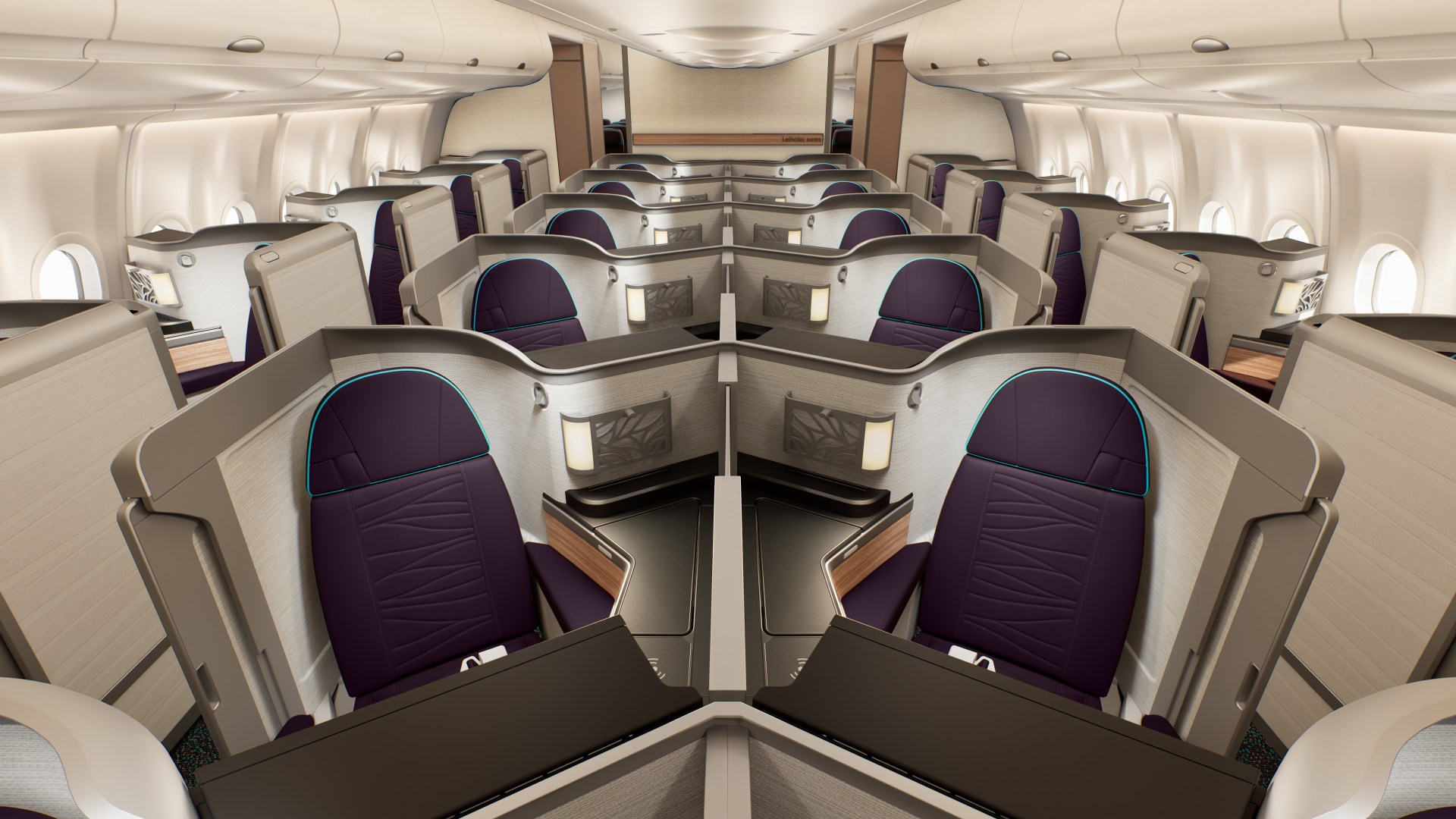
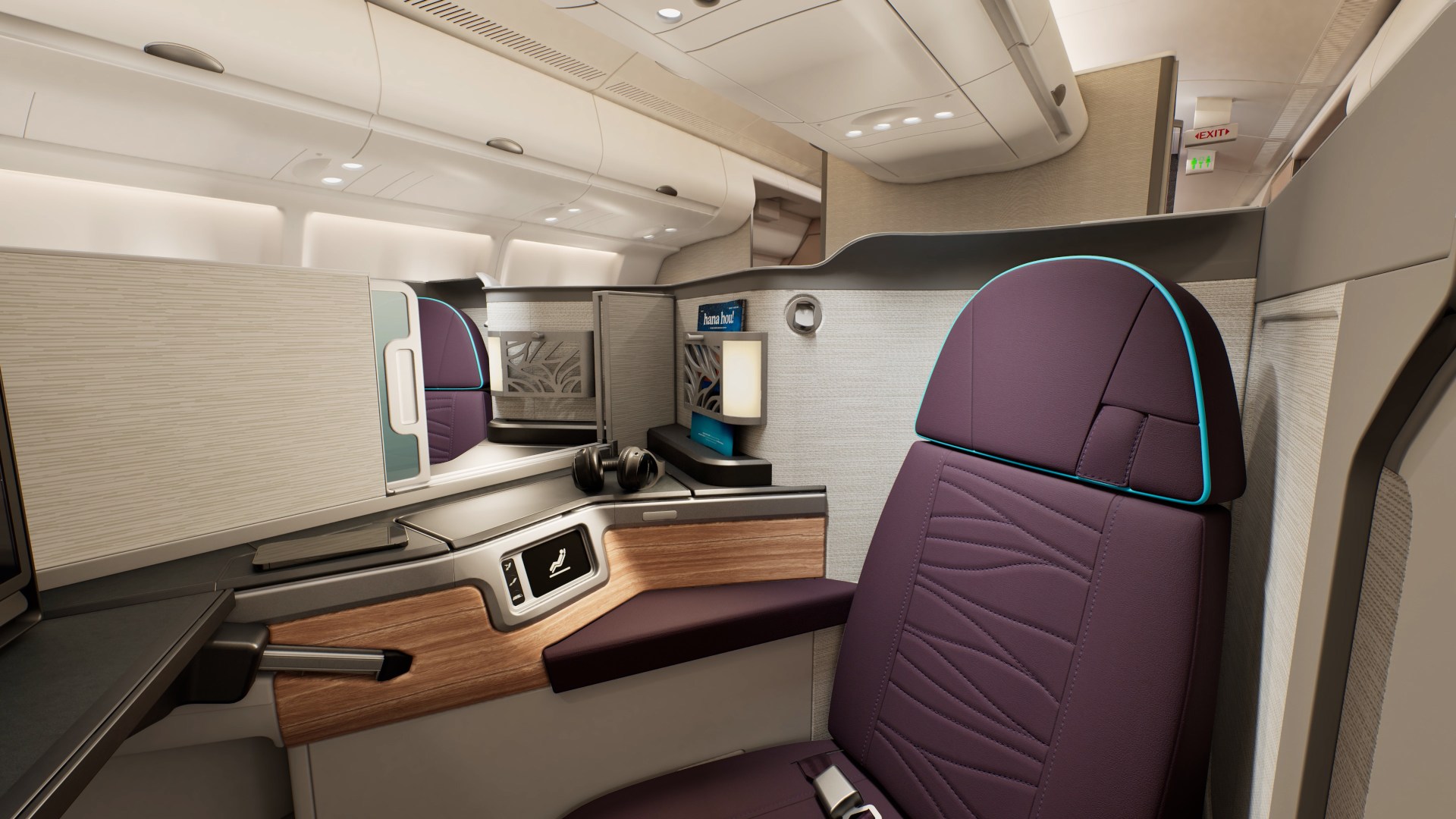
Business class on a competitive long-haul airline in 2026 means a lie-flat seat (roughly 20-22 inches wide), direct aisle access, multi-course dining, lounge access, priority check-in and boarding, and — on the best carriers — a sliding privacy door. It’s designed to get you across an ocean rested and working.

First class means an enclosed suite (30-35 inches wide, sometimes with a separate bed), a dramatically higher crew-to-passenger ratio, on-demand restaurant-style dining with caviar and prestige champagne, exclusive first-only lounges, and frequently a chauffeur on both ends. It’s designed to make the flight itself the indulgence.

The structural difference: business class optimizes for rest; first class optimizes for experience. The price difference is typically 2-3x — and on many routes, first class no longer exists at all. Delta, United, and most European and U.S. carriers have dropped international first entirely, betting that a business suite with a door is close enough for 95 percent of premium travelers. On those airlines, the debate is settled for you.

The Seat: Lie-Flat Pods vs Private Suites (With Real Cabin Examples)

Start with what you’re actually sitting in, because the hardware gap varies wildly by carrier.

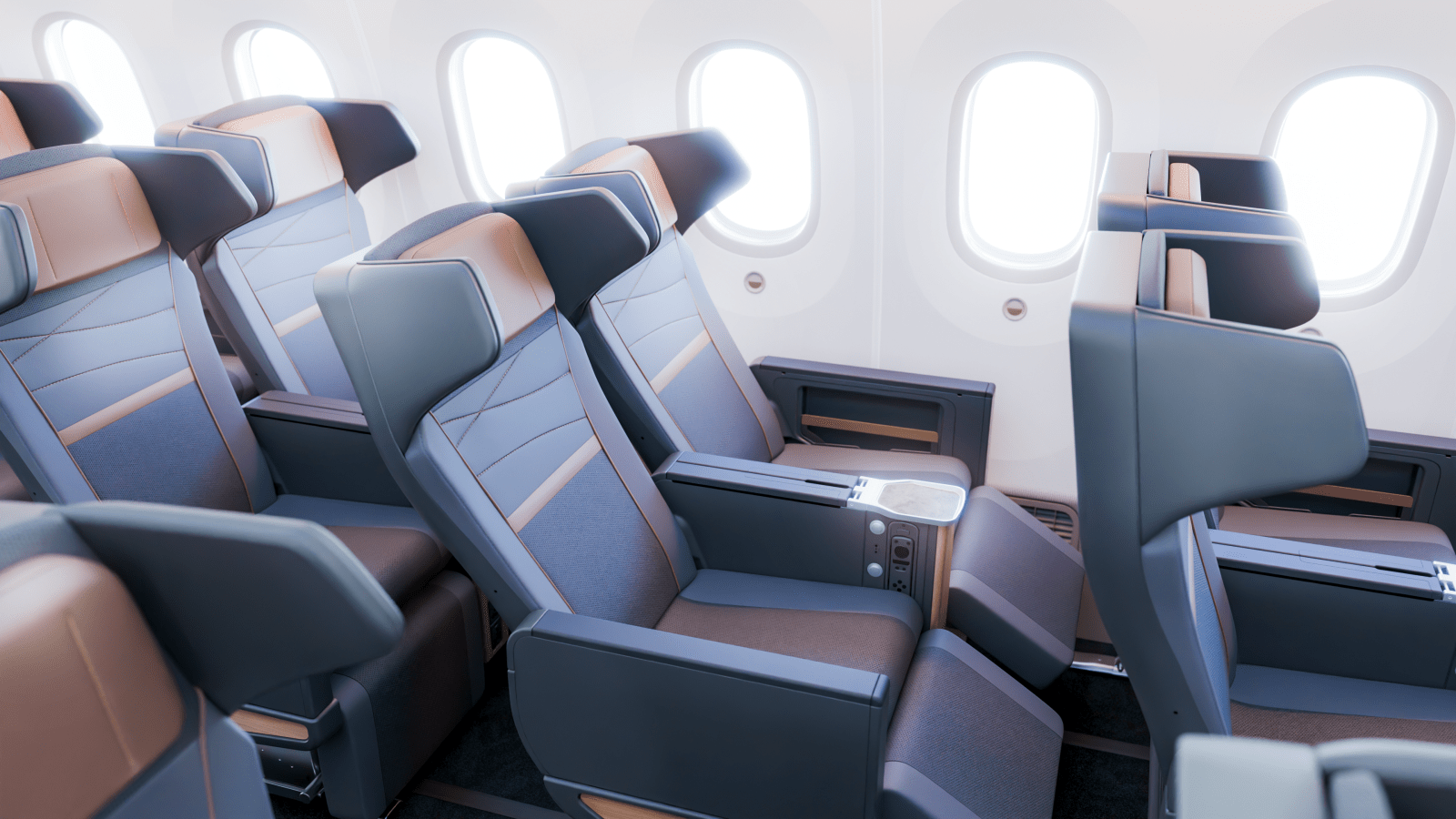
The business class benchmark in 2026: Qatar Airways’ Qsuite remains the reference product — a lie-flat pod with a sliding door, and middle pairs that convert into a double bed. Delta One Suites, ANA’s The Room, JAL’s A350-1000 business, and British Airways’ Club Suite all follow the same formula: full-flat bed, door, direct aisle access. ANA’s The Room deserves special mention — at nearly the width of some competitors’ first class seats, it’s the widest business bed flying.

What first class adds: enclosed real estate. Emirates’ 777 first suites are fully enclosed floor-to-ceiling compartments with virtual windows for the middle seats and a video-call button to the galley. Singapore Airlines’ A380 Suites give you a separate full-width bed and a standalone leather armchair — the bed isn’t your seat folded flat, it’s a bed. ANA’s The Suite pairs a 33-inch-wide seat with a 43-inch 4K monitor. Lufthansa’s Allegris first, now flying on the A350, offers a Suite Plus double cabin with a table for two. Air France’s new La Première suite — rolling out on the 777-300ER through 2026 — stretches across five windows with a separate chaise longue, making it the longest first class cabin space in the sky.

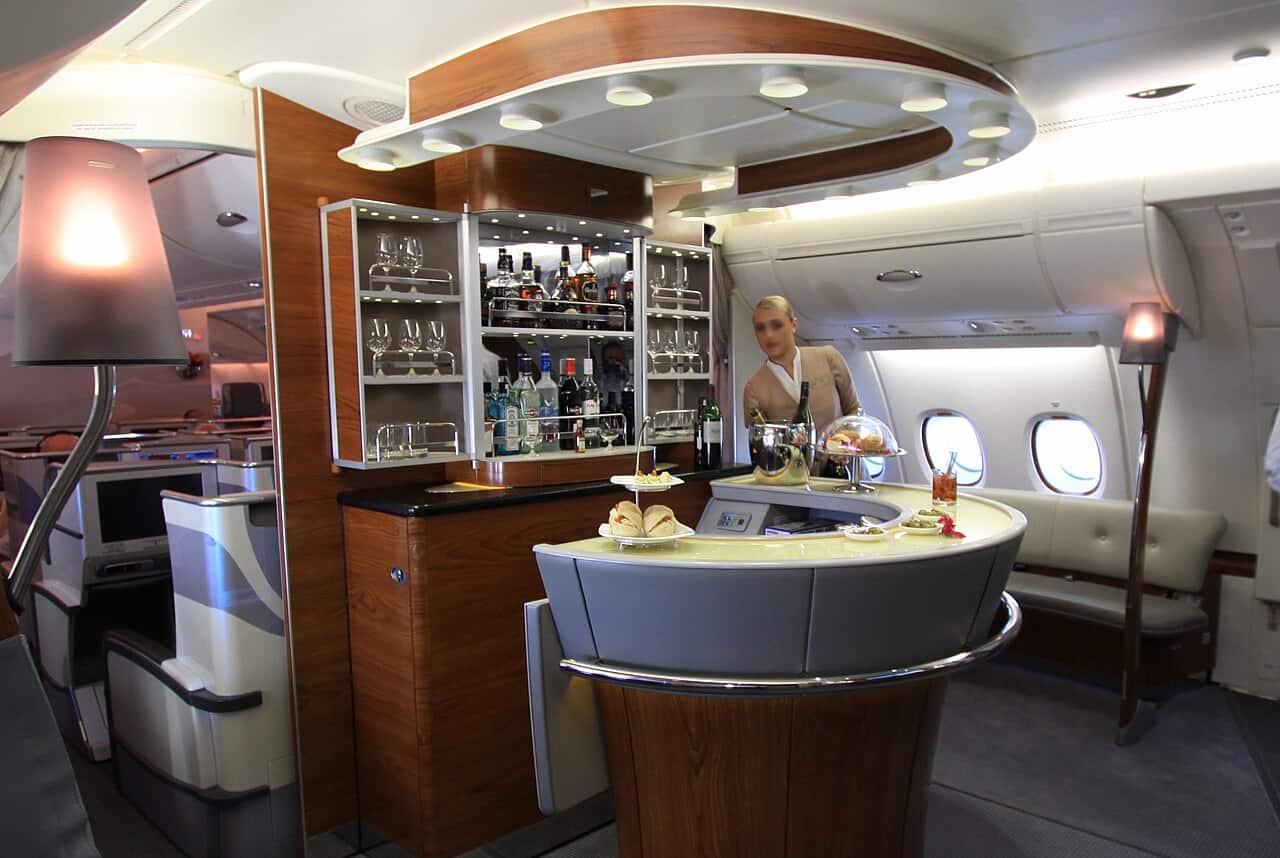
And then there’s the hardware nobody else bothers with: Emirates’ A380 still carries two onboard shower spas for first class passengers, and its bar at the back of the upper deck is shared with business — one of the few places the two cabins mingle. For a full ranking of who does the top cabin best, see our guide to the best first class airlines in the world.

The honest assessment: a Qsuite or The Room gets you 85 percent of the sleep quality of first class. What it can’t replicate is the space to move — to change into pajamas without gymnastics, to have a meal across a table from a companion, to shower at 40,000 feet.

Service and Dining: Where First Class Actually Pulls Away

If the seat gap has narrowed, the service gap hasn’t. This is where first class still earns its keep.

Crew ratio. A long-haul business cabin typically runs one flight attendant per 8-10 passengers. In first, it’s closer to one per 2-4. That math shows up everywhere: your glass is refilled before you notice it’s empty, your bed is made while you’re in the lavatory, and dining happens on your schedule, not the galley’s.

Dining. Business class dining in 2026 is genuinely good — multi-course menus, dine-on-demand on carriers like Qatar and Virgin Atlantic, respectable champagne (think mid-tier vintage labels). First class is a different restaurant. Emirates pours Dom Pérignon and serves unlimited caviar; Cathay Pacific and Singapore Airlines pour Krug; ANA and JAL lay out multi-course kaiseki alongside Western menus designed by named chefs. Table settings are linen and porcelain; on Singapore Suites and Emirates A380, two passengers can dine face-to-face.

The soft touches. First class amenity kits come from houses like Bulgari (Emirates) and skincare specialist BABOR (Lufthansa’s new 2026 kits); pajamas are standard in first and still the exception in business (Qantas and Virgin Atlantic being notable business-class holdouts that provide them on select routes). Turndown service — mattress pads, duvets, an actual “would you like your bed made?” — is universal in first, inconsistent in business.

Ground Experience: Lounges, Chauffeurs, and Terminal Perks Compared

The ground game may be the most underrated part of this comparison, because it’s where the two cabins diverge before you ever board.

Business class gets you priority check-in, fast-track security at most hubs, and the airline’s flagship business lounge — which at the top end (Qatar’s Al Mourjan in Doha, Cathay’s The Pier in Hong Kong) is excellent: à la carte dining rooms, shower suites, quiet zones.

First class gets you a separate universe:

  • Lufthansa’s First Class Terminal in Frankfurt is exactly what it sounds like — a dedicated building with its own security, a personal assistant, a cigar lounge, and a Porsche or Mercedes transfer across the tarmac to your aircraft door.
  • Air France’s La Première lounge at CDG offers dining by Alain Ducasse and a chauffeured car to the plane.
  • The Private Room at Singapore Changi sits behind — not beside — the first class lounge, with waiter-service dining.
  • Emirates’ first class lounge in Dubai occupies an entire floor of Concourse A, with direct boarding bridges from the lounge into the A380’s upper deck.
  • Qantas’ First lounges in Sydney and Melbourne include complimentary spa treatments and a Neil Perry menu.

Chauffeur service is the other first-class-only staple: Emirates and Etihad include chauffeured transfers on both ends of the journey for first class passengers (Emirates extends it to most business fares as well, though the cheapest “Special” fares are excluded). No business class product includes a dedicated terminal or a car to the aircraft stairs.

The Price Gap: Real Fare Examples on Popular Routes

Here’s what the upgrade actually costs in 2026, using typical round-trip cash fares booked one to three months out. Fares move constantly — treat these as realistic ranges, not quotes.

  • New York (JFK) – London (LHR): business class typically $3,500-$6,500 round-trip across BA, Virgin Atlantic, American, and Delta; British Airways First on the same route generally runs $6,000-$11,000, with occasional sale fares below that. Gap: roughly 1.5-2x.
  • New York (JFK) – Dubai (DXB): Emirates business commonly prices at $6,500-$9,000 round-trip; Emirates First on the A380 runs $18,000-$26,000. Gap: roughly 3x.
  • New York (JFK) – Tokyo (HND/NRT): business on ANA or JAL typically $5,500-$8,500; first class $14,000-$20,000. Gap: 2-2.5x.
  • Los Angeles (LAX) – Sydney (SYD): business $6,000-$9,500 round-trip; Qantas First on the A380 typically $16,000-$22,000. Gap: 2.5x.
  • Domestic U.S. transcontinental (JFK–LAX): the exception that proves the rule — Delta One, American Flagship, and JetBlue Mint business-style seats run $1,200-$2,500 round-trip, and true first class is vanishing from the route as American phases out its A321T Flagship First cabins.

So the real-money question is rarely “$4,000 or $5,000?” It’s “$6,000 or $20,000?” That framing matters — because at the top end, first class starts brushing against an entirely different option. On short and mid-range routes with two or more passengers, a light-jet charter can land in the same total-spend conversation; we ran that math in our private jet vs first class comparison.

When First Class Is Worth It — and When Business Is the Smarter Buy

First class is worth the premium when:

  • The flight is the occasion. Anniversary, honeymoon, milestone birthday — Singapore Suites or Emirates A380 First is a destination in itself, and no business cabin replicates it.
  • You’re flying a true first-class flagship. Emirates A380, Singapore Suites, ANA The Suite, Air France La Première, Lufthansa Allegris First. These are categorically different products, not incrementally better seats.
  • The ground experience matters to your itinerary. Connecting through Frankfurt or Paris, the first-class terminal treatment removes the airport from the equation entirely.
  • You’re paying with points. When the cash gap is 3x but the miles gap is 1.5x, the value calculation flips (more below).

Business class is the smarter buy when:

  • Sleep is the goal. A Qsuite, Delta One Suite, or The Room delivers essentially the same eight horizontal hours for a third to half the price.
  • The airline’s first class is dated. An older open-cabin first seat is frequently outclassed by a modern business suite with a door — paying first-class money for it is the worst deal in premium travel.
  • You’re flying routes where first doesn’t exist. Across the Atlantic on Delta, United, Virgin Atlantic, or most of SkyTeam and Star Alliance, business is the top cabin. Buy it without regret.
  • You’d rather bank the difference. The $12,000 gap on a Dubai round-trip funds three nights at Atlantis The Royal or a full safari extension.

Airlines Where Business Class Beats Other Carriers’ First

This is the dirty secret of the premium cabin market: the best business class products embarrass the weakest first class products.

Qatar Airways Qsuite — with its closing door, double-bed configuration, and dine-on-demand service — outperforms most legacy open-cabin first class seats still flying. It’s the reason Qatar spent years saying publicly that it saw no need for first class — though the airline has since reversed course, with an all-new first class in development for its incoming Boeing 777-9s. We put it head-to-head with the industry’s benchmark first cabin in our Emirates First vs Qatar Qsuite comparison — and the fact that the matchup is even close tells you everything.

ANA’s The Room is wider than several competitors’ first class seats. JAL’s A350-1000 business features a privacy door and headphone-free spatial audio built into the headrest. Delta One Suites and United Polaris aren’t at Gulf-carrier level, but they’re strong enough that both airlines dropped international first without meaningful customer defection.

The practical takeaway: never assume “first class” on Airline A beats “business class” on Airline B. Compare the actual hardware on your actual route and aircraft — SeatGuru-era complacency costs real money here.

Booking Smart: Points, Upgrades, and Fare Sales

Points are where first class stops being irrational. Cash gaps of 3x often shrink to 1.5-2x in miles. The classic sweet spots still deliver in 2026: ANA First via Virgin Atlantic Flying Club transfers remains one of the best-value premium redemptions in the game (rates have risen since the program’s heyday, but the value is still exceptional); Lufthansa First opens award space to partners like Aeroplan and LifeMiles close to departure; Emirates First is bookable with Skywards miles transferred from major transferable-points currencies. Award availability in first is scarcer than business — typically one or two seats per flight, released unpredictably — so flexibility matters more than volume of points.

Paid upgrades at booking and check-in are the quiet middle path. Airlines increasingly sell business-to-first upgrades via bid platforms or flat-rate offers at check-in; a $1,500-$3,000 one-way upgrade on a flagship route can be a fraction of the fare difference at purchase.

Fare sales favor business. Transatlantic business class sales from East Coast cities regularly dip to $2,400-$3,200 round-trip — usually on itineraries originating in Boston, or via European carriers with a connection. First class almost never goes on genuine sale; airlines would rather fly the cabin empty and protect the price point. If you’re a cash buyer waiting for a deal, business is where deals happen.

FAQ: Domestic vs International First, Award Availability, Dress Codes

Is business class the same as first class?

No. Business class is the second cabin: lie-flat seat, lounge access, elevated dining. First class is the top cabin: enclosed suite, higher crew ratio, exclusive lounges, and often chauffeur service. On many airlines, however, first class has been eliminated — making business the de facto top cabin on those routes.

Is domestic first class the same as international first class?

Not remotely. Domestic U.S. “first class” is a wider recliner with a meal — comparable to international premium economy or short-haul business. International first class means enclosed suites, flat beds, and caviar. The shared name is the single biggest source of confusion in this comparison.

What is the main difference between business and first class?

Space and service density. Both cabins give you a flat bed on a competitive airline; first class roughly doubles your personal space, doubles the crew attention, and adds ground perks (private lounges, chauffeurs) that business class doesn’t touch.

Is first class award availability worse than business?

Yes, significantly. First cabins carry 4-14 seats versus 30-60 in business, and airlines release fewer of them to partners. Book far out or pounce close-in when unsold seats open up — Lufthansa in particular releases first awards to partners primarily in the final two weeks, while Air France restricts La Première awards to its own top-tier Flying Blue members entirely.

Is there a dress code in first class?

No formal dress code exists on commercial airlines — smart casual is the norm, and most first class cabins hand out pajamas after takeoff anyway. The exception is flying on someone else’s employee pass, which carries carrier-specific dress rules that don’t apply to paying passengers.

Is first class worth it over business class?

For sleep, no — modern business suites close that gap almost entirely. For the experience — showers on the A380, a separate bed on Singapore Suites, a private terminal in Frankfurt — it’s one of travel’s great splurges, best paid for with points or reserved for flights that double as the celebration itself.

Wellness Retreats: The 12 Best in the World to Reset Body and Mind (2026)

0

A true wellness retreat is not a vacation with green juice. It is a structured program — medical or quasi-medical intake, a fixed daily schedule, food engineered to a purpose, and practitioners who outnumber the guests — housed in a property beautiful enough that the structure never feels like punishment. The best of them send you home measurably different: lighter, sleeping properly, off the second coffee, sometimes off medications your doctor had assumed were permanent.

The category has exploded, and so has the pricing spread. You can now spend $450 a night in Koh Samui or CHF 30,000 a week on Lake Geneva and both can be the right answer, depending on what you came to fix. These are the twelve wellness retreats worth crossing an ocean for in 2026 — organized by region and by goal, with real program pricing throughout.

What Separates a True Wellness Retreat From a Hotel With a Spa

The distinction is simple: at a hotel with a spa, you book treatments. At a wellness retreat, the retreat books you. Expect a pre-arrival questionnaire or blood panel, a practitioner consultation on day one, and a personal schedule built around a defined outcome — detox, weight loss, sleep repair, longevity, burnout recovery. Meals are part of the protocol, not the minibar. Alcohol is usually absent or heavily discouraged. Minimum stays of three to seven nights are standard, because nothing physiological happens in a weekend.

The other tell is pricing structure. Genuine retreats price by program — room, meals, diagnostics, and a fixed roster of treatments bundled together — rather than by room night with everything else à la carte. When you compare costs later in this guide, that is the number that matters: the true per-night, all-in figure.

The 12 Best Wellness Retreats in the World, Ranked

  1. SHA Wellness Clinic — Alicante, Spain. The medical-wellness benchmark in Europe.
  2. Kamalaya — Koh Samui, Thailand. The best emotional-wellness and burnout program anywhere, at a startlingly fair price.
  3. The Ranch — Malibu, California and Hudson Valley, New York. The gold standard for structured weight loss and reset.
  4. Lanserhof Tegernsee — Bavaria, Germany. Austere, clinical, and astonishingly effective gut-focused medicine.
  5. Canyon Ranch Tucson — Arizona. America’s benchmark destination spa, still the most complete all-rounder.
  6. Ananda in the Himalayas — Uttarakhand, India. Ayurveda and yoga in a maharaja’s palace above the Ganges.
  7. Clinique La Prairie — Montreux, Switzerland. The longevity clinic the world’s longevity clinics copy.
  8. Six Senses Vana — Dehradun, India. A contemplative forest ashram wearing five-star clothes.
  9. Chiva-Som — Hua Hin, Thailand. Three decades of quietly excellent integrative programming.
  10. Palace Merano — South Tyrol, Italy. The Revital detox that European royals and CEOs book on repeat.
  11. Blackberry Farm — Tennessee. Wellness for people who refuse to give up wine and food worth eating.
  12. Golden Door — California. One week, forty guests, a formula unchanged and unbeaten since 1958.

Best in the USA: Canyon Ranch, The Ranch & Blackberry Farm

Canyon Ranch Tucson — the complete all-rounder

Canyon Ranch has set the template for the American destination spa since 1979 and the Tucson flagship remains the safest first retreat you can book: 150 acres of Sonoran Desert, morning canyon hikes, and a staff roster that includes physicians, exercise physiologists, sleep specialists, and spiritual counselors under one roof. The programming is à la carte within an all-inclusive frame — you build your own week from hundreds of classes and consults. All-inclusive rates run roughly $1,000–$1,900 per night depending on season and room category, with meals, classes, and a nightly services allowance bundled in.

The Ranch, Malibu & Hudson Valley — the structured reset

The Ranch is the opposite philosophy: almost no choices at all. Every guest follows the same schedule — a morning mountain hike of up to four hours, strength and yoga in the afternoon, a daily massage, and a roughly 1,400-calorie plant-based menu — and every guest finishes the week visibly changed. The original seven-day Malibu program starts at about $7,600 per person, closer to $9,000–$10,700 all-in once single occupancy and service charges land; the newer Hudson Valley outpost an hour north of Manhattan compresses the method into 3- and 4-night stays from roughly $2,600, which is the smarter entry point for first-timers. We toured the property at length in our review of The Ranch Hudson Valley in Sloatsburg, New York.

Blackberry Farm — wellness with a wine list

Purists will object, and purists can go hike four hours before lunch. Blackberry Farm’s Wellhouse in the Great Smoky Mountains delivers serious programming — deep-tissue bodywork, guided trail runs, farmstead yoga — inside a Relais & Châteaux property with a James Beard-winning kitchen and one of the deepest wine cellars in the American South. Rooms run about $1,100–$2,100 a night with meals included, before a 20% service charge. It is the retreat for couples where only one person wanted a retreat.

Honorable mentions stateside: the one-week, forty-guest Golden Door in California at about $10,500 all-inclusive, and Texas’s Lake Austin Spa Resort, which has a legitimate claim to the best-value luxury spa program in North America.

Best in Europe: SHA Wellness, Lanserhof & Palace Merano

SHA Wellness Clinic — the medical benchmark

SHA sits above the Mediterranean near Alicante and treats wellness as medicine with a sea view: genetic testing, advanced diagnostics, a macrobiotic-leaning kitchen, and units dedicated to sleep, cognition, and healthy aging. Programs are goal-specific — detox, weight management, rebalance — and seven-night stays including lodging generally land between €7,000 and €10,000, climbing steeply for the intensive medical tracks. It is the most complete clinic-retreat hybrid in Europe.

Lanserhof Tegernsee — the gut cure

Lanserhof’s Bavarian flagship is built around the LANS Med concept and the Mayr cure: fasting-adjacent portions, endless chewing, abdominal treatments, and a level of medical attention that borders on the monastic. The building — a swooping timber structure above the Tegernsee valley — softens the austerity. Budget €6,000–€10,000 for a week once the base medical program and room are combined. Nobody calls it fun. Nearly everybody books a second visit.

Palace Merano — the Italian detox institution

In a Belle Époque palace in South Tyrol, Palace Merano runs the Revital method — a Mayr-influenced detox of hydrotherapy, bioenergetic checks, and precisely portioned Italian cooking — that has quietly attracted heads of state and football managers for decades. Seven-night Revital programs start around €4,500–€7,500 including accommodation, which undercuts its Alpine rivals while giving up little.

Also in the money-no-object tier: Clinique La Prairie in Montreux, whose week-long Revitalisation longevity program starts around CHF 32,000 and remains the reference point for the entire medical-longevity category. If that end of the spectrum is your interest, our guide to biohacking and longevity retreats for 2026 covers the clinical players in depth.

Best in Asia: Kamalaya, Ananda in the Himalayas & Six Senses

Kamalaya — the burnout specialist

Built around a cave once used by Buddhist monks, Kamalaya on Koh Samui is where the wellness industry itself goes when it burns out. The Embracing Change and Asian Bliss programs blend traditional Chinese medicine, Ayurveda, and genuinely skilled counseling; the food is superb by any standard, not just retreat standards. Program-inclusive rates run roughly $450–$900 a night depending on villa — the best value-to-outcome ratio on this list by a wide margin.

Ananda in the Himalayas — the Ayurvedic original

Ananda occupies a maharaja’s palace estate above Rishikesh, the yoga capital of the world, with the Ganges valley spread below. Programs are built on classical Ayurveda — dosha-specific menus, panchakarma cleanses, dawn yoga on a palace terrace — and typically run $900–$1,400 a night with meals, consultations, and daily therapies included, over stays of five nights to three weeks. It is the most transportive property in this guide.

Six Senses Vana — the contemplative one

Vana in Dehradun was already India’s most original wellness retreat before Six Senses took stewardship; it now pairs the group’s sleep-and-science programming with its founding spirit — Tibetan sowa rigpa medicine, forest walks, silence encouraged after dinner. All-inclusive rates run about $850–$1,200 a night. Choose it when the goal is spiritual rather than physical.

Chiva-Som — the quiet professional

Thailand’s original luxury health resort in Hua Hin has spent thirty years refining integrative retreats — physiotherapy, traditional Thai therapies, real fitness coaching — without chasing trends. Retreats start around $800–$1,200 a night with a three-night minimum.

Choosing by Goal: Reset, Weight Loss, or Spiritual Growth

For a full reset — sleep, stress, nervous system — book Kamalaya or Canyon Ranch Tucson. For weight loss, nothing outperforms The Ranch’s enforced structure; Lanserhof is the medical-European alternative. For longevity, Clinique La Prairie and SHA lead a clinical field that plays by its own rules and its own price list. That category deserves its own comparison, and we cover it in our deep dive into biohacking and longevity retreats. For spiritual growth, Ananda and Six Senses Vana are the serious choices. For a reluctant partner, Blackberry Farm. Match the retreat to the goal, not the destination — a wrong-fit retreat at the right beach is still a wrong-fit retreat.

What a Luxury Wellness Week Really Costs (Program Pricing Compared)

Approximate 2026 pricing for seven nights, per person, program and meals included:

  • Kamalaya, Thailand — roughly $3,200–$6,300
  • Chiva-Som, Thailand — roughly $5,600–$8,400
  • Six Senses Vana, India — roughly $6,000–$8,400
  • Ananda in the Himalayas, India — roughly $6,300–$9,800
  • Palace Merano, Italy — roughly €4,500–€7,500
  • SHA Wellness Clinic, Spain — roughly €7,000–€10,000
  • Lanserhof Tegernsee, Germany — roughly €6,000–€10,000
  • Canyon Ranch Tucson, USA — roughly $7,000–$13,300
  • Blackberry Farm, USA — roughly $7,700–$14,700 (treatments extra)
  • Golden Door, USA — about $10,500 flat
  • The Ranch Malibu, USA — about $8,800–$10,700 all-in
  • Clinique La Prairie, Switzerland — from about CHF 32,000

Two budgeting notes. First, Asia delivers roughly twice the practitioner hours per dollar of Europe or the USA — the airfare pays for itself on any stay over five nights. Second, book the program tier honestly: the entry program at a great retreat beats the premium program at a mediocre one, and upgrades are always available on site.

First-Timer’s Guide: What to Expect Day by Day

Day one is intake: consultations, body composition, sometimes bloodwork, and an early night. Days two and three are the hardest — caffeine withdrawal headaches, unaccustomed exercise, the strange silence of a phone nobody is checking. This is normal and the staff have seen it a thousand times. Day four is the hinge: sleep deepens, energy returns, food starts tasting remarkable. Days five through seven are why you came — the compounding stretch where measurable changes land. Most retreats finish with a departure consultation and a take-home protocol; the guests who get lasting value are the ones who treat that document as the actual product and the week as its installation.

FAQ: Solo Travel, Phones, Alcohol, and Packing

Can I go to a wellness retreat alone?

Yes — solo is the default, not the exception. At structured programs like The Ranch and Golden Door, the majority of guests arrive alone and eat communally, which makes them among the easiest luxury trips in the world to take solo. Couples-heavy resorts like Blackberry Farm skew differently; check the format before booking.

Do wellness retreats take your phone?

Almost none confiscate devices, but most engineer their absence — no phones in treatment areas, dining rooms, or on hikes, and no televisions in many rooms. Lanserhof and Vana actively encourage digital silence. Plan to be reachable once a day, not continuously, and tell your office before you leave rather than after.

Is alcohol allowed at wellness retreats?

At medical and detox-focused retreats — SHA, Lanserhof, Palace Merano, The Ranch — no, and the results depend on it. Resort-style properties like Blackberry Farm and Canyon Ranch permit alcohol in moderation. If a glass of wine at dinner is non-negotiable, choose accordingly instead of negotiating with the nutritionist on day two.

What should I pack for a wellness retreat?

Less than you think: broken-in trail shoes, a week of workout clothing (many properties provide daily laundry), a swimsuit, layers for dawn hikes, and one respectable dinner outfit. Leave the supplements at home — every program on this list will tell you exactly what they want you taking, and customs officers in Thailand and India will have questions about the unlabeled ones.

Wherever you land, book eight to twelve weeks out — the best practitioners at retreats this size are individuals, not departments, and their calendars fill first. The room is the easy part. The reason you came is a person with a fully booked Tuesday.

Best Honeymoon Destinations: 15 Luxury Escapes Worth the Splurge (2026)

0

The best honeymoon destinations solve a specific problem: this is the one trip of your life that has to deliver romance, once-in-a-lifetime scenery, and zero logistical friction — all in the same week, usually days after the most exhausting event you’ve ever hosted. That rules out anywhere that requires three connections, punishing itineraries, or luck with the weather.

These are the fifteen destinations we’d actually book in 2026, organized by honeymoon style — overwater, Mediterranean, barefoot island, adventure, and culture-and-coast — with realistic seven-night budgets for two and the months that genuinely matter for each.

How We Ranked These Honeymoon Destinations (Luxury Criteria, Real Budgets)

Four filters shaped this list. Arrival friction: a honeymoon destination has to be reachable without wrecking the first two days — we note transfer realities like Maldives seaplanes and safari bush flights. Depth of the top end: one great resort isn’t enough; you want at least two or three genuinely luxurious options so availability doesn’t dictate your trip. Weather windows: every pick below has a reliable dry-season window of three months or more. Honest budgets: the seven-night figures here cover the room, meals, transfers, and one or two signature experiences for two people — not the fantasy lead-in rate on a January Tuesday.

Overwater Icons: Bora Bora, the Maldives & Fiji

1. Bora Bora, French Polynesia

The overwater bungalow was born in French Polynesia, and Bora Bora’s lagoon — that improbable gradient of blues beneath Mount Otemanu — is still the category’s defining image. The Four Seasons Resort Bora Bora and The St. Regis Bora Bora Resort are the two benchmark stays; expect overwater villas from roughly $1,800-$2,800 per night in high season, more for plunge-pool categories. The eight-hour flight from Los Angeles to Tahiti plus a short hop to the island is far gentler than the haul to the Maldives, which matters in week one of married life.

7-night budget for two: $18,000-$32,000. Best months: May-October (dry season); May and October for softer rates.

2. The Maldives

No destination has more depth at the top than the Maldives — more than 150 resort islands, each a one-resort private atoll. Soneva Jani (villas with retractable roofs and waterslides into the lagoon), Gili Lankanfushi (barefoot, no-news-no-shoes), and One&Only Reethi Rah cover three very different moods. Overwater villas at this tier run $1,500-$3,500 per night, and budget $800-$1,600 total for return seaplane or domestic transfers for two. Torn between the two overwater giants? We settled the argument in detail in Bora Bora vs. the Maldives: which is better for overwater luxury.

7-night budget for two: $20,000-$40,000. Best months: November-April; December-March for glassy lagoon conditions.

3. Fiji

Fiji is the overwater option for couples who want warmth of welcome over scene. Likuliku Lagoon Resort — adults-only, and home to Fiji’s original overwater bures — runs all-inclusive from around $1,300-$1,800 per night for two, while Kokomo Private Island raises the stakes with residence-style villas, serious diving on the Great Astrolabe Reef, and rates from roughly $2,000 per night. About eleven hours from LAX, no time-zone gymnastics from the U.S. West Coast.

7-night budget for two: $16,000-$35,000. Best months: May-October.

Mediterranean Romance: Amalfi Coast, Santorini & the Greek Isles

4. Amalfi Coast, Italy

The Amalfi Coast remains the most romantic drive in Europe, and its hotels are national treasures. Le Sirenuse in Positano and Il San Pietro di Positano trade the two best sea views in town; up in Ravello, the Caruso, A Belmond Hotel has the infinity pool everyone has seen and few have swum in. High-season doubles at this tier run €1,200-€2,800 per night, and the top rooms for June sell out six to nine months ahead. Build in a private boat day to Capri — figure €1,500-€2,500 for the charter.

7-night budget for two: $15,000-$28,000. Best months: May-June and September; avoid August.

5. Santorini, Greece

Santorini’s caldera-edge villages are the most photographed honeymoon backdrop in Europe, and the trick is to book a hotel that gets you above the crowds. Canaves Oia Epitome, Mystique, a Luxury Collection Hotel, and Auberge’s Grace Hotel all deliver private-plunge-pool cave suites in the €900-€2,000 range per night. Stay three or four nights — the island is small — then ferry onward. For the full hotel shortlist across Santorini and its neighbors, see our guide to the best luxury resorts in Greece for a honeymoon.

Best months: May-early June and late September-October, when the light is at its best and the cruise crowds thin.

6. The Quieter Greek Isles: Milos, Paros & Folegandros

The smartest Greek honeymoon in 2026 pairs Santorini with a quieter island. Milos Cove on Milos and Parīlio, a Member of Design Hotels on Paros bring genuine design-hotel polish at €500-€1,100 per night — roughly half the caldera premium — with better beaches and tavernas where you’ll hear Greek spoken. Ferries connect the Cyclades in two to three hours.

7-night budget for two (two-island Greece): $10,000-$20,000. Best months: May-June, September-October.

Barefoot-Luxury Islands: St Lucia, Turks & Caicos, Seychelles

7. St Lucia

St Lucia is the Caribbean’s most dramatic honeymoon island — the Pitons rise straight out of the sea, and the best hotels are built to stare at them. Jade Mountain‘s open-fourth-wall sanctuaries with private infinity pools run $1,800-$3,600 per night; Sugar Beach, A Viceroy Resort sits on the white-sand beach directly between the peaks from around $1,100. If your instinct is to prepay everything and never see a bill, the island also anchors our guide to the best honeymoon all-inclusive resorts of 2026 — and we rank every prepaid property on the island in our guide to the best all-inclusive resorts in St Lucia.

7-night budget for two: $10,000-$22,000. Best months: December-April; avoid September-October (hurricane peak).

8. Turks & Caicos

Grace Bay is routinely ranked among the world’s best beaches, but the honeymoon move is the quieter northwest coast: Amanyara‘s timber pavilions face a marine reserve from roughly $2,400 per night, and COMO Parrot Cay puts a wellness-led private island 35 minutes by boat from Providenciales, from around $1,300. Direct flights from a dozen U.S. cities in under four hours make this the lowest-friction barefoot-luxury option in the hemisphere.

7-night budget for two: $12,000-$26,000. Best months: December-April.

9. The Seychelles

Granite boulders, jungle-backed coves, and giant tortoises: the Seychelles look like nowhere else in the ocean. Six Senses Zil Pasyon occupies its own island of sculpted granite from around $2,000 per night; North Island is the full private-island fantasy at $6,000-plus per night, all-inclusive, with eleven villas and a conservation story behind every rate dollar. Pair a week here with a Dubai or Doha stopover to break the long flight from the U.S.

7-night budget for two: $18,000-$45,000. Best months: April-May and October-November, between the trade winds.

Adventure Honeymoons: African Safari & Costa Rica

10. African Safari: Botswana & South Africa

A safari is the honeymoon that changes how you see the world — and the top camps have quietly become some of the most romantic hotels anywhere. In Botswana’s Okavango Delta, Wilderness Mombo Camp and andBeyond Sandibe Okavango Safari Lodge run $2,000-$5,000 per person per night in high season, fully inclusive of game drives, meals, and drinks. South Africa’s Sabi Sand — Singita Boulders, Londolozi — delivers the best leopard viewing on the continent and pairs naturally with three nights in Cape Town and the Winelands. Book 12 months out; the best camps hold six to twelve suites each.

7-night budget for two: $28,000-$60,000 including internal flights. Best months: June-October (dry season).

11. Costa Rica

Costa Rica is the adventure honeymoon that doesn’t demand a second mortgage. Nayara Springs in Arenal puts private-plunge-pool villas in the rainforest from around $900 per night; on the Papagayo Peninsula, Kasiiya Papagayo‘s seven tented suites deliver off-grid barefoot luxury from around $1,000 a night, meals included, and the Four Seasons Resort Peninsula Papagayo covers the full-resort option. Split the week: volcano and cloud forest first, Pacific coast second.

7-night budget for two: $8,000-$16,000. Best months: December-April on the Pacific side.

Culture-and-Coast Combos: Japan, Italy & Bali

12. Japan: Tokyo, Kyoto & a Ryokan

Japan is the honeymoon for couples who’d rather collect memories than tan lines. The classic ten-day build: three nights at Aman Tokyo or the Bulgari Hotel Tokyo (from $1,400-$2,000 per night), three in Kyoto at HOSHINOYA Kyoto, reached by private boat up the Ōi River, and two at a hot-spring ryokan such as Gora Kadan in Hakone, where kaiseki dinners and open-air baths come with the rate ($800-$1,500 per night for two). The bullet train does the logistics for you.

7-night budget for two: $14,000-$25,000. Best months: late March-April (cherry blossom, book far ahead) and October-November (foliage).

13. Italy Two-Stop: Rome or Florence + Sicily or Puglia

If the Amalfi Coast feels over-subscribed, run Italy as a two-stop: three nights of art and long dinners in Rome or Florence, then four by the sea. In Taormina, the San Domenico Palace, Four Seasons — a 14th-century convent above the Ionian — runs €1,500-€3,000 per night in season; in Puglia, Borgo Egnazia delivers a whitewashed village of its own with rates from roughly €700. You get two honeymoons for the price of one hard-to-book coast.

7-night budget for two: $13,000-$26,000. Best months: May-June, September-October.

14. Bali

Bali compresses jungle, cliff coast, and genuine cultural depth into one island — and delivers more villa for the dollar than anywhere on this list. The proven honeymoon split: three or four nights over the Ayung River gorge at the Four Seasons Resort Bali at Sayan or under canvas at Capella Ubud, then three on the Uluwatu cliffs at the Bulgari Resort Bali or Six Senses Uluwatu, where every villa has a private infinity pool. Top-tier villas run $700-$1,500 per night — half the Maldives tariff.

7-night budget for two: $8,000-$16,000. Best months: May-June and September; avoid February’s monsoon peak.

Closer to Home: The Best U.S. Honeymoon Escapes

15. Big Sur, Kauai & the Desert Southwest

No passport, no jet lag, no compromise. Post Ranch Inn in Big Sur hangs its ocean-view houses 1,200 feet above the Pacific from around $1,800 per night, adults-only. On Kauai, the 1 Hotel Hanalei Bay faces one of the most beautiful bays in the Pacific from roughly $1,200. And Amangiri in southern Utah turns 900 acres of slickrock desert into the most cinematic hotel in America, from upwards of $4,000. We rank all of these — plus wine country, New England, and Florida options — in our full guide to the best honeymoon destinations in the USA for 2026.

7-night budget for two: $9,000-$25,000. Best months: September-October for California and the Southwest; Kauai is year-round, driest June-September.

Honeymoon Budget Guide: What a Luxury Week Really Costs by Destination

Seven nights, two people, top-tier rooms, meals, transfers, and one or two signature experiences — here’s how the destinations above actually stack up in 2026:

  • $8,000-$16,000: Costa Rica, Bali — the strongest luxury-per-dollar plays on this list
  • $10,000-$22,000: St Lucia, two-island Greece, U.S. escapes at the entry end
  • $12,000-$26,000: Turks & Caicos, Japan, Italy two-stops
  • $15,000-$32,000: Amalfi Coast, Bora Bora, Fiji
  • $20,000-$45,000: Maldives, Seychelles
  • $28,000-$60,000: African safari with internal flights and a Cape Town add-on

Two levers move every one of these numbers: travel in the shoulder weeks either side of peak season, and book the room category one notch below the top — the sunset looks identical from both.

When to Book and When to Travel: Month-by-Month Cheat Sheet

  • January-March: Maldives, Turks & Caicos, St Lucia, Costa Rica at their driest. Book these 8-10 months out for peak weeks.
  • April: Seychelles between the trade winds; Japan in cherry-blossom season (book 10-12 months out).
  • May-June: The Mediterranean sweet spot — Amalfi, Santorini, Sicily, Puglia — plus Bora Bora and Bali as dry seasons open.
  • July-August: Fiji and Bora Bora midwinter-dry; safari season building in Botswana. Skip the Mediterranean crowds and premiums.
  • September-October: The single best window of the year — Mediterranean second season, peak safari, Seychelles calm, Big Sur and the Southwest at their finest.
  • November-December: Maldives season reopens; Caribbean dries out; Japan foliage runs to late November.

General rule: overwater villas and safari camps need 9-12 months of lead time for specific room categories; Mediterranean icons need 6-9; Caribbean and U.S. escapes can come together well inside 6.

FAQ: Length, Planning Timeline, and Using a Travel Advisor

How long should a luxury honeymoon be?

Seven nights for a single destination; ten to fourteen for a two-stop like Japan, Italy, or safari-plus-beach. Shorter than a week and the transfer days start to outweigh the trip — especially anywhere with a seaplane or bush flight in the itinerary.

How far in advance should we start planning?

Twelve months for safari camps and peak-season overwater villas, nine for the Mediterranean’s marquee hotels, six for the Caribbean and the U.S. If your wedding is in high summer, remember you’ll be competing for the same September-October window as everyone else on this page.

Is a travel advisor worth it for a honeymoon?

At this spend level, yes. An advisor affiliated with a network like Virtuoso typically costs you nothing extra and unlocks upgrades, resort credits, and breakfast at exactly the hotels on this list — plus a human to call when a seaplane schedule shifts. The savings routinely exceed any planning fee.

Should we tell the hotel it’s our honeymoon?

Always, and at booking rather than check-in. Luxury properties plan around it — better room assignments, private dinners, small gestures — and the earlier the flag goes on the reservation, the more they can do.

Overwater Bungalows in the Caribbean 2026: 9 Resorts Closer Than Bora Bora

0

The overwater bungalow has always come with a catch: the picture in your head is Bora Bora or the Maldives, and the fine print is 16 to 30 hours of travel, a seaplane or shuttle-boat transfer, and a room rate that starts four figures before you’ve eaten anything. What most travelers still don’t realize is that the category quietly arrived in this hemisphere — and in 2026 there are enough genuine stilted-over-the-sea villas within a four-hour flight of the US to fill a proper ranking.

This is that ranking: nine real overwater stays across Mexico, Jamaica, Aruba, Antigua, Panama, and Belize, with realistic nightly rates, flight times from US gateways, and an honest accounting of where the Caribbean beats French Polynesia — and where it doesn’t.

Yes, the Caribbean Has Real Overwater Bungalows — Here’s Where

The Caribbean came late to the overwater game for a practical reason: hurricanes. Building guest rooms on stilts in the sea is an insurance problem in a basin that spends June through November on storm watch, which is why French Polynesia had a 50-year head start. The dam broke in the winter of 2016–17, when Karisma opened the Palafitos at El Dorado Maroma on Mexico’s Riviera Maya and Sandals debuted the region’s first over-the-water villas off Montego Bay — both engineered to modern storm codes, both instantly the hardest bookings in their portfolios.

A decade on, the map has filled in. The serious clusters are the Riviera Maya, Jamaica’s north and south coasts, and — further off the radar — Panama’s Bocas del Toro archipelago and the cayes of Belize, with single standout properties in Aruba and Antigua. For the wider category beyond this region, our guide to overwater bungalow resorts outside the Maldives covers the global field; this piece stays focused on the ones you can reach on a short-haul flight.

The 9 Best Overwater Bungalows in the Caribbean & Mexico, Ranked

  1. Palafitos at El Dorado Maroma — Riviera Maya, Mexico. Adults-only, all-inclusive; roughly $1,600–2,400 per night for two.
  2. Sandals Caribbean Cay (formerly Sandals Royal Caribbean) — Montego Bay, Jamaica. Over-the-water villas on a private offshore island; roughly $2,000–4,000 all-inclusive; reopens December 18, 2026.
  3. Sandals South Coast — Whitehouse, Jamaica. Twelve over-the-water bungalows on a two-mile beach; roughly $1,800–3,000 all-inclusive; reopens November 18, 2026.
  4. Aruba Ocean Villas — Savaneta, Aruba. Boutique thatched villas, the island’s only overwater stay; roughly $700–1,500.
  5. Nayara Bocas del Toro — Bocas del Toro, Panama. Adults-only private-island villas over a starfish-studded cove; roughly $1,000–1,700 all-inclusive.
  6. Royalton Antigua — Deep Bay, Antigua. The Eastern Caribbean’s overwater option, all-inclusive; from around $1,500 a night, season depending.
  7. Thatch Caye, a Muy’Ono Resort — near Dangriga, Belize. Private-island overwater bungalows with meals; roughly $700–1,000.
  8. Punta Caracol Acqua Lodge — Bocas del Toro, Panama. Solar-powered palafitos, half board; typically under $500.
  9. St. George’s Caye Resort — Belize. Overwater cabanas 20 minutes by boat from Belize City; roughly $500–1,000.

Palafitos at El Dorado Maroma: Mexico’s Adults-Only Overwater Icon

The 30 Palafitos at El Dorado Maroma remain the benchmark — Mexico’s first overwater bungalows and still the most convincing Bora Bora substitute in this hemisphere. The setting does most of the work: Maroma’s stretch of the Riviera Maya sits over a shallow, sandy-bottomed shelf that produces the pale, glassy turquoise the category is sold on. Each palafito has glass floor panels, a deck with steps straight down into the sea, and butler service, and the rate is Karisma’s Gourmet Inclusive plan — meals, premium drinks, and 24-hour room service folded in, including at the resort’s overwater restaurant.

It’s adults-only, and the math is the argument: roughly $1,200–2,400 per night for two, all-inclusive, versus a comparable Bora Bora villa at a similar figure before food, drinks, and transfers. Cancún is a 1-hour-45-minute flight from Miami and about four hours from New York, with a 40-minute road transfer at the far end. For how the property fits into the country’s broader luxury landscape, see our guide to the best luxury all-inclusive resorts in Mexico.

Sandals Caribbean Cay & South Coast: Jamaica’s Overwater Villas

Sandals operates the Caribbean’s two highest-profile overwater collections, and they’re meaningfully different products. Sandals Caribbean Cay — renamed from Sandals Royal Caribbean in 2026 — in Montego Bay puts its over-the-water villas off a private offshore island reached by boat shuttle — the full fantasy treatment, with glass floor inlays, over-the-water hammocks, outdoor soaking tubs on the deck, and butler service included. These are the most expensive rooms in the Sandals system, regularly clearing $3,000 a night for two in high season, though that figure is genuinely all-in: meals, premium spirits, water sports, tips, and airport transfers. One timing note: the resort has been closed since Hurricane Melissa in October 2025 for a top-to-bottom renovation and reopens December 18, 2026, so book it for winter onward.

Sandals South Coast, on a two-mile beach near Whitehouse about 90 minutes from Montego Bay’s airport, runs a dozen over-the-water bungalows off a long pier alongside an over-the-water bar and wedding chapel. The bungalows are slightly smaller and slightly cheaper — figure $1,800–3,000 — and the south-coast location is quieter and greener than MoBay’s hotel strip. South Coast is mid-renovation too, reopening slightly earlier on November 18, 2026 — the bungalows themselves rode out Melissa and have been refreshed. Both resorts are couples-only. Montego Bay is about 90 minutes from Miami and four hours nonstop from New York, which makes these the easiest overwater check-ins on this list for East Coast travelers.

Aruba Ocean Villas and the Smaller Boutique Players

Aruba Ocean Villas — Savaneta, Aruba

Aruba’s only overwater accommodation is not a resort at all but a handful of thatch-roofed villas built from reclaimed and driftwood timber in the old fishing village of Savaneta, well away from the Palm Beach high-rises. It’s the most personal stay on this list — small, quirky, adults-oriented, with hammocks strung over the water and dinner at the beach restaurant next door. Rates run roughly $700–1,500 depending on villa, without a meal plan. Aruba’s big card is climate: the island sits at the southern edge of the hurricane belt, making this the safest overwater bet for late-summer and fall travel.

Nayara Bocas del Toro — Panama

The luxury sleeper of the group. Nayara — the same operator behind the celebrated Costa Rica lodges — runs this adults-only private-island resort in Bocas del Toro with Balinese-style stilted villas over a protected cove where starfish are the house wildlife. Expect roughly $1,000–1,700 a night, all-inclusive. Getting there takes commitment: fly to Panama City (about three hours from Miami), then a one-hour domestic hop to Bocas and a boat transfer — still same-day from most US cities.

Royalton Antigua — Deep Bay, Antigua

The Eastern Caribbean’s entry. Royalton’s overwater bungalows off Deep Bay are the most accessible way into the category on an all-inclusive plan in this part of the map, from around $1,500 a night for two, season depending. The catch is context: they’re attached to a large family-oriented resort, so the overwater pier is the luxury enclave rather than the whole experience. Antigua has nonstops from New York, Miami, and Atlanta in the three-to-four-hour range.

Thatch Caye and St. George’s Caye — Belize

Belize does overwater in barefoot-luxury form. Thatch Caye, a private island off Dangriga, strings its overwater bungalows around a shallow flat inside the Belize Barrier Reef, with meals included and the country’s best snorkeling and fly-fishing on the doorstep — roughly $700 to just over $1,000 a night per couple. St. George’s Caye Resort puts its overwater cabanas 20 minutes by boat from Belize City, the shortest airport-to-stilts transfer in the region, at roughly $500–1,000. Neither is polished in the Sandals sense; both trade that for reef access the bigger properties can’t match.

Punta Caracol Acqua Lodge — Panama

The budget pick and the purist’s pick at once: a line of solar-powered, thatched palafitos connected by boardwalk over a seagrass lagoon in Bocas del Toro, typically under $500 a night with breakfast and dinner. No air conditioning, no glass floors — just the original idea of sleeping over the water, executed simply.

Caribbean vs Bora Bora vs Maldives: Price, Flight Time, and Water Clarity

The honest comparison, category by category:

Flight time. This is the rout. Cancún is under two hours from Miami; Montego Bay about 90 minutes; Aruba around three hours from Miami and four and a half from New York. Bora Bora requires roughly eight and a half hours from Los Angeles to Papeete — before the positioning flight from the East Coast and the 50-minute inter-island hop. The Maldives is a 20-plus-hour, one-or-two-connection journey from the US East Coast, plus a seaplane. A Caribbean overwater trip works as a four-night escape; the other two only make sense at a week or more.

Price. As we broke down in our guide to Bora Bora’s overwater bungalows and what they cost in 2026, the marquee French Polynesian villas generally run $1,200–3,500 per night before meals, transfers, and long-haul airfare for two. The Caribbean’s premium options land in the same nightly band — but all-inclusive, with airfare often a third the price. At the boutique end, Belize and Panama deliver the overwater experience for under $1,000 a night, a price point that simply doesn’t exist in Bora Bora.

Water clarity and drama. Here the Pacific and Indian Oceans keep the crown. Bora Bora’s lagoon — a deep, enclosed bowl ringed by Mount Otemanu — and the Maldives’ gin-clear atoll shallows are visually beyond anything in this hemisphere. Maroma and the Belize cayes get genuinely beautiful turquoise water over sand, but it’s shallower, greener, and more weather-dependent. If the singular point of the trip is the view through the glass floor, French Polynesia still justifies the flight. If the point is the experience of the room at a sane travel cost, the Caribbean now wins on arithmetic.

What a Night Really Costs (and the Booking Windows That Save 30%)

Three price tiers cover the whole list. The premium tier — Palafitos, both Sandals collections — runs roughly $1,200–4,000 per night for two, all-inclusive. The boutique tier — Aruba Ocean Villas, Nayara, Royalton’s bungalows — sits around $700–1,700, with meal plans varying and Royalton’s bungalows pricing well above that in peak season. The barefoot tier in Belize and Panama runs about $300–1,000, usually with meals included.

The savings lever is timing. These properties keep tiny inventories — a half-dozen to 30 units — so peak winter weeks sell out months ahead at full rack rate, while published rates for late August through October routinely fall 30 percent or more below the identical villa in February. Sandals has historically run its most aggressive over-the-water promotions for fall travel — a lever that returns once its Jamaica resorts reopen in late 2026 — and Karisma discounts the Palafitos hardest in the same window. The sweet spots that combine good weather with sub-peak pricing: late April through May and November through mid-December. If you must travel in the January–March peak, book six to nine months out — overwater categories are the first rooms to go at every property on this list.

Best Time to Book a Caribbean Overwater Stay: Weather and Seaweed Season

Two seasonal forces matter more here than anywhere else in Caribbean planning, because your room is literally in the water.

Hurricane season runs June 1 to November 30, with the highest historical activity from mid-August through early October. Mexico’s Riviera Maya, Jamaica, Antigua, and Belize all sit in the belt; modern overwater builds are engineered for it, but a September booking carries real disruption risk. Aruba and Panama’s Bocas del Toro sit at the southern fringe of the storm zone, which is exactly why Aruba Ocean Villas, Nayara, and Punta Caracol are the smart fall plays.

Sargassum — the brown seaweed that has complicated Riviera Maya beach seasons for the past decade — typically arrives in volume between April and August, with year-to-year swings. Maroma’s bay is better protected than much of the coast and resorts deploy barriers and daily clearing, but a heavy sargassum year can dull the turquoise that justifies the rate. Jamaica’s Montego Bay side is generally less affected; Aruba’s leeward coast usually escapes it, though Savaneta’s southern shore has seen it in heavy years. The clean-water, low-risk window across the whole map is late November through April — book inside it if the glass-floor view is the point.

FAQ: Snorkeling From Your Deck, Glass Floors, and All-Inclusive Options

Can you snorkel straight from your bungalow?

At most of them, yes. The Palafitos, Sandals’ villas, Thatch Caye, and Nayara all have deck ladders or steps into the sea. Temper expectations on what’s under you: these are mostly sand and seagrass bottoms with scattered fish, not house reefs. In Belize the boat ride to the barrier reef is where the serious snorkeling happens; in Bocas del Toro, Nayara’s cove is known for starfish rather than coral.

Which Caribbean overwater bungalows have glass floors?

The Palafitos at El Dorado Maroma, Sandals’ over-the-water villas and bungalows in Jamaica, and Royalton Antigua’s bungalows all incorporate glass floor panels, and Nayara’s Water Window villas add a glass inlay. The remaining boutique properties in Aruba and Belize largely skip them — the appeal there is the deck and the water access, not the window in the floor.

Are any of them all-inclusive?

The three most expensive are: Palafitos (Karisma’s Gourmet Inclusive), Sandals Caribbean Cay, and Sandals South Coast — and Royalton Antigua and Nayara Bocas del Toro are all-inclusive too. The Belize islands and Punta Caracol include most or all meals in the rate. Aruba Ocean Villas prices room-only or with breakfast, with restaurants on site.

Is the water as clear as Bora Bora or the Maldives?

No — and any roundup that claims otherwise is selling something. The Caribbean options deliver beautiful shallow turquoise on good days, especially at Maroma and the Belize cayes, but the Pacific and Indian Ocean lagoons are clearer, deeper-hued, and more consistent. You’re trading a measure of water drama for a fraction of the travel time and, at the all-inclusive properties, a far more predictable total bill.

How far ahead should you book?

For January through March or any holiday week: six to nine months, because every property on this list has fewer than three dozen overwater units. For shoulder and low season, 60–90 days is usually enough, and that’s also when the discounting appears.

St Lucia All-Inclusive Resorts 2026: 10 Best Luxury Stays Ranked

0

St Lucia is the rare Caribbean island where the all-inclusive model and genuinely dramatic scenery coexist. Most of the region’s all-inclusive capitals — Punta Cana, Montego Bay, Cancún — trade on flat beachfront and volume. St Lucia trades on the Pitons: two volcanic spires rising straight out of the sea on the southwest coast, a UNESCO World Heritage backdrop that turns an ordinary swim-up bar into something worth flying for. The island’s resort scene has organized itself around that asset — small, mostly adults-only properties in the mountainous south, and polished couples-and-families operations on the calmer beaches of the north.

It is also, quietly, the most couples-dense all-inclusive island in the Caribbean. Three Sandals resorts, couples-focused independents like Serenity and StolenTime, and a cluster of adults-only boutiques mean honeymooners have more choice here than anywhere else in the region — a theme we cover across the wider market in our guide to the best luxury all-inclusive resorts in the Caribbean.

These are the ten best all-inclusive resorts in St Lucia for 2026, ranked for setting, food, room product, and how much of the experience is actually included in the rate.

1. Jade Mountain — Soufrière

Architect-owner Nick Troubetzkoy’s 24-sanctuary resort above Anse Chastanet is the most architecturally ambitious hotel in the Caribbean, all-inclusive or otherwise. Each “sanctuary” is missing its fourth wall entirely — the room simply opens onto the Pitons and the sea, with a private infinity pool where the wall should be. No TVs, no phones, no children under 16, and a dedicated “major-domo” butler per sanctuary. The Jade Mountain Club restaurant runs a farm-to-table program off the resort’s own Emerald Estate farm. Sanctuaries start around $2,400 per night, season depending, and climb well past $3,500 for the top Galaxy category; the all-inclusive supplement adds about $230 per person per day. It also earns a place in our ranking of the best luxury all-inclusive resorts in the world.

2. Sandals Grande St Lucian — Rodney Bay

The best of the island’s three Sandals sits on the Pigeon Island causeway at the northern tip — the calmest, most swimmable water of any resort on this list. It is also home to the chain’s signature over-the-water bungalows: glass-floor panels, hammocks over the lagoon, butler service, and outdoor showers, typically running $2,600 to $3,500 per night for two. Standard couples’ rooms start closer to $700–900 per night all-in, with 12 restaurants and unlimited scuba diving for certified divers included. Adults-only (18+) and built for couples, it is the strongest single argument for the north of the island.

3. BodyHoliday — Cap Estate

BodyHoliday on Cariblue Beach is the Caribbean’s original wellness all-inclusive, and still its best. The rate includes a 50-minute spa treatment every day, plus a program that runs from sunrise t’ai chi to sailing, archery, and a serious teaching gym. The BodyScience clinic layers on personalized nutrition and diagnostics for those who want structure. It is one of the few luxury all-inclusives anywhere built to welcome solo travelers — single rooms, communal tables, no single supplement at certain times of year. Expect roughly $400–800 per person per night depending on season and room grade.

4. Serenity at Coconut Bay — Vieux Fort

Serenity is a 36-suite, couples-only enclave (ages 21-plus) ten minutes from UVF airport — the shortest transfer in St Lucia by a wide margin. Every suite has a private plunge pool, a butler, and 24-hour room service; guests also get run of the larger Coconut Bay resort next door while keeping their own quiet pool and restaurant. The trade-off is the south-coast location: the beach is breezier and the Pitons are a day trip. For a plunge-pool suite with butler at around $1,100–1,700 per night for two, it is the island’s best all-suite value.

5. Zoëtry Marigot Bay — Marigot Bay

Hyatt’s Inclusive Collection flag in famously photogenic Marigot Bay is the pick for travelers who want luxury all-inclusive without a beach-resort atmosphere. The 124 suites overlook the yacht-filled bay rather than open sea; a short complimentary ferry runs to the small beach at the bay’s mouth. The Rum Cave stocks one of the island’s deepest rum collections, and the marina-village setting means walkable restaurants beyond the resort — rare for St Lucia. Rates run roughly $900–1,500 per night for two.

6. Calabash Cove — Marisule

A 26-room adults-only boutique on a sunset-facing hillside between Castries and Rodney Bay, Calabash Cove is what the big brands cannot be: quiet, personal, and genuinely small. The rooms to book are the Water’s Edge cottages — standalone cottages with private plunge pools and outdoor showers at the bottom of the garden. All-inclusive is optional here; taken with the plan, expect around $700–1,200 per night for two. The Windsong restaurant’s open-air deck over the bay is one of the island’s better tables.

7. StolenTime by Rendezvous — Malabar Beach

The former Rendezvous rebranded as StolenTime in 2022 and repositioned around slow-travel wellness, but the fundamentals are unchanged: an adults-only resort on two miles of Malabar Beach near Castries, with an unusually complete inclusion list — water-skiing, scuba in the resort pool, tennis clinics, and most premium spirits. It undercuts Sandals on price at roughly $700–1,100 per couple per night while feeling more intimate. The catch: the beach sits under the flight path of the small SLU airport, which bothers some guests and charms others.

8. Sandals Regency La Toc — Castries

The biggest of the Sandals trio spreads over 210 hillside acres south of Castries, with complimentary greens fees and shuttles to Sandals’ 18-hole golf club at Cap Estate (the resort’s own 9-hole course closed in 2023). The headline rooms are the Millionaire Suites carved into the bluff, with private plunge pools and butlers, and the circular Rondoval suites. The beach is wilder than Grande St Lucian’s, with occasional surf. From about $650–900 per night for two, rising past $1,500 for top-tier butler suites.

9. Windjammer Landing — Labrellotte Bay

Windjammer is the family-and-groups answer: a 60-acre hillside village of whitewashed villas above a sheltered bay, ten minutes north of Castries. Villas run one to four bedrooms, many with private pools, and the all-inclusive plan is optional — a supplement of roughly $150–200 per adult per day on top of villa rates that start around $400 and reach $2,000-plus for the large oceanfront houses. Kids’ club, complimentary non-motorized watersports, and enough space that a multi-generational group can scatter and regroup at dinner.

10. Coconut Bay Beach Resort & Spa — Vieux Fort

Serenity’s big neighbor is the island’s best pure family play: 85 acres split into a family wing (Splash, with the CocoLand water park) and an adults-only wing (Harmony), five minutes from UVF. The Atlantic-side beach is windy — which is exactly why the on-site kitesurfing school is one of the best in the Caribbean. At roughly $450–700 per night for two, it is the value entry on this list, and the short transfer matters more than you think after a long-haul flight with children.

How the Three Sandals Resorts Compare

All three St Lucia Sandals are adults-only (18+) and built around couples, and a stay at any one includes dining and playing privileges at the other two, with free shuttles between them — effectively 27 restaurants on one booking. Choose Grande St Lucian for the calmest beach, the over-the-water bungalows, and the most polished product; Regency La Toc for the biggest grounds and the plunge-pool Millionaire Suites; and Halcyon Beach — the smallest and cheapest, just north of Castries — for a low-rise garden setting and dinner on the pier at Kelly’s Dockside. Honeymooners deciding between Sandals and the boutique alternatives should start with our guide to the best honeymoon all-inclusive resorts.

What All-Inclusive Actually Covers in St Lucia (and What Costs Extra)

Read the inclusion list before comparing prices — the term covers very different products here. At Sandals and StolenTime, essentially everything is bundled: meals, premium drinks, motorized watersports, scuba for certified divers, tips, and taxes. At BodyHoliday, the daily spa treatment is the differentiator. At Jade Mountain, Calabash Cove, and Windjammer, all-inclusive is an optional plan layered on a room rate — good for flexibility, but do the math against how much you actually eat and drink.

Almost everywhere, the same things cost extra: spa treatments (BodyHoliday’s daily credit excepted), private candlelit dinners on the beach, island excursions (Piton hikes, Sulphur Springs, catamaran days), premium wine lists, and airport transfers at resorts that don’t bundle them. Budget $100–300 per couple per excursion day, and note that a Gros Piton guided climb runs about $50–100 per person with a local guide.

Room Categories Worth Paying For: Piton Views, Plunge Pools, Butlers

St Lucia is an island where the room-category upgrade is usually worth it. The specific calls: at Jade Mountain, the Star and Moon sanctuaries deliver the full missing-fourth-wall effect at the lowest rate — the Galaxy premium buys size more than view. In Soufrière generally, pay for a confirmed Piton view; a garden-view room on this island is a wasted flight. At Sandals, the over-the-water bungalows and Rondoval suites are the two products you cannot replicate elsewhere on the island. At Serenity, the higher plunge-pool grades add space, not function — the entry suite already has the pool and butler. And book butler-tier rooms at big resorts if you value never queueing for a cabana; skip them at boutiques where service is personal anyway.

When to Go: Seasons, Hurricane Risk, and Rate Swings

Mid-December through mid-April is high season — dry, breezy, and priced accordingly, with Christmas and New Year’s weeks carrying minimum-stay requirements at most resorts on this list. May and June are the sweet spot: high-season weather most years, rates down 25–40 percent. August through October is the core of hurricane season; St Lucia sits at the southern edge of the hurricane belt and takes direct hits far less often than the northern islands, but storms are not unheard of, and this is when rates bottom out and some smaller properties close briefly for maintenance. Book storm-season trips with flexible rates and travel insurance rather than avoiding them outright.

Getting There and Getting Around: UVF Transfers Explained

St Lucia has two airports, and which one you use shapes your first day. All long-haul and US flights land at Hewanorra International (UVF) in Vieux Fort, at the island’s southern tip. From there: Coconut Bay and Serenity are 5–10 minutes away; Soufrière (Jade Mountain) is 45–75 minutes on mountain roads; the northern resorts (Sandals Grande, BodyHoliday, Calabash Cove, Windjammer) are a solid 75–100 minutes. The small northern airport, George F. L. Charles (SLU), handles regional island-hoppers only.

Three ways to shorten the trip north: a shared or private van transfer (most resorts arrange these; roughly $90–160 per couple private), a helicopter transfer from UVF to SLU (about 12 minutes, in the region of $200 per person), or — for Soufrière — a water taxi up the west coast, which turns the transfer into a scenic boat ride. Once you’re at the resort, you don’t need a car; taxis and resort excursion desks cover the island, and the driving is genuinely demanding.

FAQ: Costs, Dress Codes, and Which Coast to Choose

How much does an all-inclusive week in St Lucia cost?

For two people in 2026: value-tier family resorts like Coconut Bay run roughly $3,500–5,000 for seven nights; mid-luxury couples’ resorts (StolenTime, Calabash Cove, entry-level Sandals) around $5,500–9,000; top-tier products (over-the-water bungalows, Serenity, Zoëtry suites) $10,000–25,000; and a week in a Jade Mountain sanctuary with the all-inclusive supplement lands between roughly $23,000 and $40,000 depending on category and season.

Which coast — or which end of the island — should I choose?

Nearly everything sits on the sheltered west coast; the real choice is north versus south. The north (Rodney Bay, Cap Estate) has the calmest beaches, restaurants, and nightlife outside the resorts. The southwest (Soufrière) has the Pitons, the drama, and the boutique properties — but steep terrain and small beaches. The far south (Vieux Fort) trades scenery for a five-minute airport transfer and trade-wind kitesurfing.

Is there a dress code at St Lucia’s all-inclusives?

Evenings are “resort elegant” at the upper tier: long trousers and collared shirts for men at Sandals’ fine-dining venues and at Jade Mountain Club, no swimwear or bare feet at dinner anywhere on this list. Daytime is barefoot-casual island-wide.

Are St Lucia’s Sandals resorts adults-only?

All Sandals resorts are adults-only (18+) and geared to couples — rooms are sold on double occupancy, so any two adults can book but solo travelers pay for two. Solo adults and adult groups should look at BodyHoliday, Calabash Cove, or Zoëtry Marigot Bay instead (Serenity is couples-only); families belong at Coconut Bay or Windjammer Landing.

Do I need to leave the resort?

Yes — once. The Tet Paul Nature Trail or Gros Piton climb, Sulphur Springs’ drive-in volcano, and a west-coast catamaran day are the three excursions that justify interrupting an all-inclusive week. Everything else the resorts on this list do better on-site.

Six Star vs Five Star Hotels: What’s the Real Difference in 2026?

0

Five stars is the top of every official hotel-rating system in the world. AAA Diamonds max out at five. Forbes Travel Guide maxes at five. Michelin’s now-defunct hotel guide maxed at five. So when someone tells you a hotel is “six star,” they mean something specific — but not something a rating body actually recognizes.

The label matters, though. There’s a real, tangible gap between the best five-star hotel in a city and the property everyone calls “six star” — and it isn’t just price. Here’s what actually separates the two in 2026, and how to know which tier you’re really booking.

The one-sentence difference

A five-star hotel gives you flawless service on request. A six-star hotel gives you flawless service before you know you needed it.

What the official rating systems actually measure

Both AAA (Five Diamond) and Forbes Travel Guide (Five Star) send anonymous inspectors to properties. Forbes uses ~900 objective standards; AAA uses several hundred. Both cap at five. Ratings measure things like:

  • Response time to service requests (Forbes: less than 3 minutes for a phone answer)
  • Guest recognition by name (measured across staff touchpoints)
  • Consistency of amenity presentation
  • Physical property standards (linens, materials, cleanliness)
  • F&B service standards at hotel restaurants

Only ~140 hotels worldwide hold Forbes Five Star. Only ~130 hold AAA Five Diamond. There is significant overlap.

So what does “six star” actually mean?

The term originated in marketing — Dubai’s Burj Al Arab, which opened in 1999, was described by a Sunday Times journalist as “the world’s first seven-star hotel.” The property never claimed it; the label stuck. Since then, “six star” and “seven star” have become press shorthand for hotels that exceed the standard five-star benchmark in specific, measurable ways.

See our full breakdown of what a six-star hotel is and where to find them.

The 8 things that actually separate six star from five star

1. Staff-to-guest ratio

A great five-star runs at ~2 staff per guest. A six-star runs at 6–8 staff per guest. At Burj Al Arab, the ratio is closer to 8:1 during peak occupancy. This is the single biggest driver of the “how did they know” service that defines the tier.

2. Butler on every room type

Five-star hotels reserve butler service for suites and top-tier loyalty guests. Six-star hotels assign a butler (or “personal assistant”) to every guest, in every room type, from the moment you check in.

3. Transfer vehicles

A five-star sends a Mercedes S-Class or BMW 7 Series. A six-star sends a Rolls-Royce Phantom, Bentley Mulsanne, or the property’s own helicopter. At Cheval Blanc Randheli, the transfer is a private seaplane included in the rate.

4. Included food and beverage

Five-star breakfast is à la carte or included in the rate. Six-star hotels commonly include: full breakfast, afternoon tea service, evening cocktail hour, and unlimited non-alcoholic minibar. Some (Cheval Blanc, The Brando) go all-inclusive at the top villa tier.

5. Room size and product

Five-star entry rooms average 400–600 sq ft. Six-star entry rooms are 700–1,000 sq ft. Bathrooms include separate his-and-hers vanities, dual-shower rain configurations, and standalone soaking tubs positioned for a view. Linens are custom-woven at 800+ thread count.

6. In-room technology

Automated lighting and drape scenes, tablet-controlled everything, silent doors, and (increasingly) circadian lighting programs. The Peninsula’s proprietary in-room control tablet was the industry benchmark for years; most six-star properties now match or exceed it.

7. Concierge access

Five-star concierges hold Les Clefs d’Or accreditation and can book you into most restaurants. Six-star concierges have off-book access to reservations that don’t exist publicly — the private Ferrari track day, the after-hours Louvre visit, the audience with the estate winemaker.

8. Recovery when things go wrong

The real test. A five-star apologizes and comps a drink. A six-star sends an executive to your suite with a written apology, a bottle of vintage champagne, and a comped night. The recovery ratio (compensation vs. friction) is 5–10× higher at the six-star tier.

Six star vs five star: the price gap

Tier Entry Room Signature Suite Included Amenities
Great Five-Star $600–$1,200 $2,000–$5,000 Basic breakfast, WiFi
Six-Star $1,500–$3,500 $5,000–$25,000+ Full breakfast, tea, cocktails, transfer, butler

Roughly, six-star costs 2–3× a comparable five-star at the entry-room level. But once you factor in the included amenities (which would cost $300–$600/day à la carte at a five-star), the effective delta narrows to 1.5–2×.

For where the world’s most expensive rooms actually are, see the most luxurious hotels in the world 2026.

Where each tier makes sense

Five-star is right for: business trips, city stays under 3 nights, family holidays where kids’ clubs and pool programming matter more than butler service.

Six-star is right for: milestone trips (honeymoon, big birthday, anniversary), arrival/departure nights of a longer trip when you want the moment to matter, and any stay where the property itself is the destination (Burj Al Arab, Cheval Blanc Randheli, The Brando).

How to spot a real six-star vs a five-star pretending

Marketing labels are cheap. Real markers of the tier:

  • Guest-to-staff ratio disclosed openly (or discoverable through a travel advisor)
  • Rolls-Royce or equivalent transfer as a standard inclusion
  • Butler assigned to your specific room, not the floor
  • The concierge starts a WhatsApp thread with you 5 days before arrival
  • Amenities in the room on arrival that reference your booking notes (preferred pillow type, snacks, spirits)

If two or fewer of the above are true, you’re at a very good five-star, not a six-star.

FAQ

Is a six-star hotel an official rating?

No. AAA and Forbes both cap at five stars/diamonds. “Six star” is a marketing and press term for properties operating well above the standard five-star benchmark.

What’s the difference between a 5-star and 6-star hotel?

Staff-to-guest ratio (6–8× higher), butler service on every room, ultra-luxury transfer vehicles included, and included F&B (breakfast, tea, cocktails). Room sizes are typically 50–100% larger than a comparable five-star.

How much more expensive is a six-star hotel?

Roughly 2–3× the entry-room rate of a great five-star in the same city. But when you factor in included amenities (transfer, breakfast, tea, cocktails, butler), the effective delta is closer to 1.5–2×.

Which hotel brands operate at the six-star level?

Aman, Cheval Blanc, Bulgari Hotels, Rosewood at the flagship level (Hong Kong, Sao Paulo), Peninsula flagships, Burj Al Arab (Jumeirah), Emirates Palace (Mandarin Oriental), and select Ritz-Carlton Reserve properties like Zadún and Nujuma.

Private Jet Membership vs Charter: Which Actually Costs Less in 2026?

If you’re flying private more than a couple of times a year, you’ll eventually hit the same fork in the road: keep paying on-demand charter rates, or lock into a jet card, membership program, or fractional share. The pitch from every membership program is the same — locked hourly rates, guaranteed availability, no positioning fees. The math, though, isn’t as simple as the sales deck suggests.

Here’s a straight comparison of the four ways to fly private in 2026, with real numbers, break-even math, and honest guidance on which one wins at each usage level.

The four ways to fly private

Model How It Works Typical 2026 Cost Break-Even Hours/Yr
On-Demand Charter Book each trip individually via a broker or app $4,500–$14,000/hr Any usage
Jet Card Prepay a block of hours at a locked rate $150K–$500K (25–50 hr card) ~25 hr/yr
Membership Program Annual dues + per-hour rate; guaranteed availability $15K–$25K/yr + $6,500–$12,000/hr ~35 hr/yr
Fractional Share Buy 1/16 to 1/2 of an aircraft; pay monthly + hourly $700K–$5M capital + $18K–$45K/mo + $3,500–$5,500/hr ~75+ hr/yr

How each model actually prices out

On-demand charter

The most flexible option. You book a specific trip on a specific date; the broker sources the closest available aircraft; you pay a single all-in price. For a Miami–Aspen round trip on a Midsize jet, expect $45,000–$65,000. On a Light jet Teterboro–Palm Beach, ~$22,000.

Pros: No capital committed, no monthly fees, no lock-in. Best pricing available on empty-leg flights.
Cons: Positioning fees, availability risk on peak days (Thanksgiving Wednesday, Super Bowl weekend), no pricing consistency.

Jet cards (NetJets Marquis, VistaJet Program, Sentient Jet, Wheels Up)

You prepay a block of hours — typically 25, 50, or 100 — at a fixed hourly rate on a specific cabin class. Rates in 2026 average ~$7,900/hr on Light, ~$10,500/hr on Midsize, ~$14,500/hr on Super Midsize, ~$18,500/hr on Heavy jets.

Pros: Fixed rates, no positioning fees on core service area, guaranteed availability with 4–48 hr notice.
Cons: Prepaid capital (~$200K–$400K sitting with the operator), peak-day surcharges up to 40%, service-area restrictions.

Membership programs (Flexjet Access, NetJets, Wheels Up Connect)

You pay an annual membership fee ($15K–$25K) for the right to book at member rates. Hourly costs are lower than on-demand but higher than jet cards. Guaranteed availability sits between charter and jet cards.

Fractional ownership (NetJets, Flexjet, PlaneSense)

You buy a percentage of a specific aircraft — 1/16 gives you ~50 hr/yr; 1/8 gives ~100 hr/yr. In addition to the capital purchase, you pay a monthly management fee (crew, hangar, insurance) and an hourly occupied fee. Total effective hourly cost usually lands at $9,500–$14,000/hr all-in on a Midsize jet.

See our full best private jet charter companies guide and our private jet charter cost breakdown.

The break-even math

The core question: at what usage level does each model beat charter? Using 2026 industry-average Midsize-jet pricing:

  • Under 25 hours/yr: Pure charter wins. You save the annual dues, and you keep flexibility to shop empty legs.
  • 25–50 hours/yr: Jet cards win. Fixed rates and guaranteed availability outweigh the prepaid capital cost.
  • 50–75 hours/yr: Membership programs edge ahead — lower hourly rates than jet cards, less capital commitment than fractional.
  • 75+ hours/yr: Fractional wins on a pure cost basis, especially over a 5-year hold. All-in per-hour cost drops to ~$9,500 vs. $12,500 on a jet card.
  • 200+ hours/yr: Whole ownership becomes the math answer, though most 200-hr flyers stick with fractional for the operational simplicity.

The hidden costs everyone forgets

  1. Peak-day surcharges. Jet cards charge 25–40% more on peak dates. There are typically 20–30 peak days per year — and they overlap exactly with when you want to fly.
  2. Federal Excise Tax (FET). 7.5% on charter flights. Some membership programs classify differently and avoid it — check.
  3. Fuel surcharges. Locked hourly rates aren’t always locked. Most cards allow adjustment when jet fuel exceeds a threshold price.
  4. Interchange fees on fractional programs when you upgrade to a larger aircraft.
  5. Prepaid capital opportunity cost. $300K sitting with an operator is $300K not earning market returns. At 5% treasury yield, that’s $15K/year of lost interest — worth adding to your total cost.

Which model wins for the way you actually fly?

<15 hours/yr, mostly leisure: Charter through a broker. Consider apps like BLADE, XO, or Kinectair for last-minute deals.

25–50 hours/yr, mostly business, need availability: Jet card (Wheels Up Core, VistaJet Program, NetJets Marquis Card).

50–100 hours/yr, mixed use, want service consistency: Fractional 1/16 share on NetJets or Flexjet.

100+ hours/yr, transcontinental, need heavy-jet cabin: Fractional 1/8 or 1/4 on a Global 7500 or Gulfstream G650.

For the honest first-timer walkthrough, see our how to fly private for the first time guide.

What we’d actually recommend in 2026

For most travelers hitting the private-jet decision for the first time, a 25-hour jet card is the right first move. It gives you a full year of real-world usage data to figure out what you actually fly (hours, routes, cabin class, peak vs off-peak) before committing $1M+ to a fractional share. Half of the people who buy fractional too early end up selling within 3 years at a loss.

FAQ

Is a private jet membership cheaper than charter?

Only if you fly more than about 35 hours a year on a consistent cabin class. Below that, on-demand charter is cheaper because you avoid annual dues and prepaid capital.

How much does a 25-hour jet card cost in 2026?

Approximately $200,000 on a Light jet, $260,000 on a Midsize, and $360,000 on a Super Midsize — before Federal Excise Tax and peak-day surcharges.

Is NetJets or Flexjet better?

NetJets has the larger fleet and stronger international coverage. Flexjet has newer aircraft (average fleet age is significantly younger) and more upscale cabin interiors. Pricing is nearly identical; the choice usually comes down to which one has aircraft based near you.

Do jet cards refund unused hours?

Most do, minus a cancellation fee (typically 10–15%). Check the specific card agreement — refund policies have tightened across the industry since 2023.

6 Star Hotel Cost: What You’ll Actually Pay Per Night in 2026

0

There’s no official six-star rating — the AAA and Forbes systems both max out at five stars (or five diamonds). But the term “6 star hotel” has become shorthand for a specific tier of property: hotels that quietly out-service, out-spend, and out-price the five-star standard by a wide margin. Think Burj Al Arab in Dubai, Emirates Palace in Abu Dhabi, The Peninsula Hong Kong’s Peninsula Suite, or the top villas at Aman and Cheval Blanc.

So what does a night at one of these places actually cost in 2026? We ran the numbers across the properties most commonly labeled “six star” by press and travelers. Here’s what you’ll pay — and where the price includes things a five-star wouldn’t.

Short answer: what a six-star night costs

Entry rooms at six-star properties start around $1,200/night in the shoulder season and average $2,500–$4,500/night for a standard room in high season. Signature suites — the ones you see on Instagram — run $8,000 to $50,000+ per night. The famous Royal Suite at Burj Al Arab lists at roughly $28,000/night at 2026 rack rates.

6 star hotel cost by category (2026 rack rates)

Room Category Typical Nightly Range Example
Entry Deluxe Room $1,200–$2,500 The Peninsula Hong Kong, Deluxe Harbour View
Signature Standard Suite $2,500–$5,000 Bulgari Hotel Milano, Bulgari Suite
One-Bedroom Signature Suite $5,000–$12,000 Burj Al Arab, One-Bedroom Deluxe Suite
Two-Bedroom Signature Suite $12,000–$25,000 Emirates Palace, Palace Suite
Presidential / Royal Suite $25,000–$100,000+ Burj Al Arab Royal Suite; Hôtel Plaza Athénée Royal Suite
Private Island / Villa Compound $15,000–$75,000 Cheval Blanc Randheli private-island villa

Rates vary significantly by season, day of week, and market. For example, Burj Al Arab drops nearly 40% between low season (June–August, when Dubai heat peaks) and December.

What “6 star” actually buys you

At five stars, you’re paying for the room, the pool, and correct service. At six stars, you’re paying for time — someone else’s, in service of yours. Practical differences you’ll notice on arrival:

  • Butler service on every room type — not just suites. Your butler unpacks, presses, coordinates dining, and handles transport.
  • Rolls-Royce or equivalent transfers included. At Burj Al Arab, one of the property’s Rolls-Royce Phantoms picks you up on arrival.
  • Included F&B — full-service breakfast plus, at some properties, afternoon tea and evening cocktails.
  • Staff ratios of 6:1 or higher. Every guest is watched, in a good way.
  • Turndown that resets the room to arrival-state — including replaced amenities and repolished shoes.

See our full breakdown of what a six-star hotel actually is and where to find them.

The five most-searched “6 star” hotels and their 2026 pricing

1. Burj Al Arab Jumeirah, Dubai

The world’s most famous “seven-star” property (a title the hotel has never officially claimed). Entry Deluxe Suite runs $2,200–$4,500/night; the Royal Suite lists at ~$28,000/night. Rates include Rolls-Royce transfer, breakfast, and butler service.

2. Emirates Palace Mandarin Oriental, Abu Dhabi

Gold-leaf lobby, private beach, and its own falconry program. Entry Coral Room ~$900/night; Palace Suite ~$15,000/night. The Ruler’s Suite tops out at ~$50,000/night when the government permits release.

3. The Peninsula Hong Kong (Peninsula Suite)

The Peninsula’s flagship suite includes a Rolls-Royce Phantom on standby. Suite pricing ~$18,000–$24,000/night depending on season.

4. Cheval Blanc Randheli, Maldives

A private island where LVMH gets to show off. Overwater villas from ~$4,500/night; the Cheval Blanc Private Island villa (six bedrooms, full staff) runs $40,000+/night.

5. Bulgari Hotel Dubai

On its own private island in Jumeira Bay. Entry Superior Room ~$1,800/night; Bulgari Suite ~$14,000/night.

For the full ranking of the world’s most luxurious hotels, see our most luxurious hotels 2026 guide.

How six-star pricing actually works

Three variables drive rack-rate movement:

  1. Season and event calendar. Dubai in December ≠ Dubai in July. Milan Fashion Week doubles Bulgari rates.
  2. Length of stay. Six-star hotels quietly discount 3rd- and 4th-night stays by 15–25% at the reservations-manager level (ask).
  3. Booking channel. Booking through a Virtuoso, Fine Hotels & Resorts, or STARS travel advisor gets you complimentary breakfast, resort credit, upgrades, and early check-in on top of the same rack rate. This is the single biggest value hack in six-star travel — you’re not getting a discount, you’re getting $400–$800 of value stacked on the same booking.

Is a 6 star hotel worth it?

For a milestone trip — anniversary, honeymoon, milestone birthday — yes. The gap between a $700/night five-star and a $2,500/night six-star is genuinely felt from the moment your car pulls up. For a business trip or a weekend, the delta rarely justifies the price. Most experienced luxury travelers use six-star for the arrival and departure nights of a longer trip and drop down to a good five-star (Four Seasons, Rosewood, Mandarin Oriental) in between.

FAQ

Is there an official six-star hotel rating?

No. AAA maxes at five diamonds; Forbes maxes at five stars. “Six star” is a marketing and press term for properties operating well above the standard five-star benchmark. Some tourism boards (Dubai’s DTCM, for example) have flirted with six- and seven-star classifications, but no international body recognizes them.

How much is a night at the Burj Al Arab?

Entry Deluxe Suite runs $2,200–$4,500/night depending on season. The Royal Suite is approximately $28,000/night. Rates always include Rolls-Royce transfer and breakfast.

What’s included at a six-star hotel that isn’t at a five-star?

Butler service on every room type (not just suites), high-end vehicle transfers, full breakfast, and often afternoon tea or evening cocktails. Staff ratios are typically 6:1 or higher.

Which is the most expensive six-star hotel in the world?

By suite-price, the Royal Suite at Hôtel Président Wilson in Geneva ($80,000+/night) and the Empathy Suite at Palms Casino Resort ($100,000/night) sit at the top. By average nightly rate across all rooms, Cheval Blanc Randheli and the Brando in French Polynesia both average $6,000+/night.

Aman vs Six Senses: Wilderness Serenity or Wellness Sanctuary in 2026?

0

Aman and Six Senses are the two brands most often compared by luxury travelers who’ve moved past Four Seasons and Ritz-Carlton. Both do remote, both do minimalist, both do wellness — and both are punishingly expensive. But they attract very different guests for very different reasons.

Aman is the older, more austere brand. Six Senses is the more program-driven, wellness-forward one. Choosing between them isn’t about which is “better” — it’s about which one matches the trip you actually want. Here’s how they compare in 2026, room-for-room and dollar-for-dollar.

Aman Tokyo lounge with soaring stone walls, low seating and illuminated shelving
The lounge at Aman Tokyo — the brand’s signature stone-and-wood language, 33 floors above Otemachi. Photo courtesy of Aman.

The 30-second verdict

Book Aman if you want unbroken silence, an architecturally significant property, and a hotel where nobody talks to you unless you talk to them first. Aman is a place to disappear.

Book Six Senses if you want structured wellness — sleep programs, longevity clinics, breathwork, cold plunges, in-house doctors — plus a warmer, more family-friendly atmosphere. Six Senses is a place to reset.

The brands compared

Metric Aman Six Senses
Resorts worldwide ~35 ~30 (growing fast)
Founded 1988 (Phuket) 1995 (Maldives)
Owner Vladislav Doronin (OKO Group) IHG (acquired 2019)
Design signature Kerry Hill / Ed Tuttle stone and wood Barefoot-luxury, recycled and local materials
Entry room rate $1,600–$4,000/night $900–$2,500/night
Suite / villa rate $3,500–$25,000/night $1,800–$12,000/night
Guest-to-staff ratio ~1:4 ~1:3
Wellness focus Emerging (Aman Wellness) Core to the brand
Kids programming Minimal, deliberately quiet Robust; family-forward

Atmosphere: monastery vs. sanctuary

Walking into an Aman is like walking into a monastery — polished stone floors, low lighting, no music, no chatter, staff in linen who bow slightly. This is a brand where you can spend three days without small talk. Some guests love it. Others find it clinical.

Six Senses feels warmer from the moment you step in. There’s music, incense, cold towels, a welcome drink that isn’t just water — and the staff will remember your name by breakfast. It’s a wellness resort that hasn’t forgotten it’s also supposed to be fun.

Wellness: the real point of difference

Six Senses built the modern luxury-wellness playbook. Every Six Senses has a proper wellness village — usually five to ten treatment rooms, a yoga pavilion, hydrothermal circuits, and a resident wellness team that can build a program around sleep, longevity, detox, or fitness. Their Sleep With Six Senses program (developed with a neuroscientist) is the reason many guests book.

Aman got serious about wellness later, but Aman Wellness (rolled out portfolio-wide from 2022) is now closing the gap. Aman Tokyo, Amanpuri, and Aman New York have full immersion programs. That said, Aman’s wellness still feels like an amenity attached to a resort. Six Senses’ wellness is the resort.

Aman Tokyo 30-metre wellness pool with panoramic city views
Aman Tokyo’s 30-metre wellness pool overlooks the city from the Otemachi Tower — Aman’s most program-forward urban wellness offering. Photo courtesy of Aman.

See also our luxury wellness & biohacking longevity retreats guide.

Rooms and villas

Aman rooms average 900–1,600 sq ft. Villas often exceed 3,000 sq ft with private pools. Design is uniform across the portfolio: stone, teak, muted linens, one enormous bathtub, and no visible technology. It’s beautiful, but sometimes feels the same in Utah as it does in Bhutan.

Six Senses rooms are more locally expressive. A villa at Six Senses Ninh Van Bay is different from one at Six Senses Douro Valley or Six Senses Bhutan — same brand ethos, but rooted in the place. Bathrooms are the star; expect standalone stone tubs, indoor-outdoor showers, and organic-cotton everything.

Food

Aman cuisine is refined and quiet — think seasonal Japanese kaiseki at Amanemu, Italian at Aman Venice, and Peruvian-Nikkei tasting at Nai at Aman New York. Portions are small, wine lists are deep, service is unhurried.

Six Senses food is farm-to-table, often literally — most properties have working organic gardens supplying the kitchen. Menus are wellness-friendly but not preachy; expect Ayurvedic options next to a proper ribeye. The Douro Valley property has one of the best hotel wine programs anywhere.

Cost: which is actually more expensive?

Aman is, on average, 40–60% more expensive than Six Senses at comparable properties. Entry rooms at Aman rarely dip below $1,600/night; Six Senses entry rooms often start under $1,000/night in Asia. Villa-level bookings are where the gap closes — a two-bedroom villa at Aman Tokyo and Six Senses Ibiza can both hit $8,000+/night.

What Aman includes: breakfast (at most resorts), minibar (sometimes), and welcome amenity. What Six Senses includes: full breakfast, most minibar items, a wellness intro consultation, and daily group wellness activities. On an inclusive-value basis, Six Senses wins.

Where each brand really shines

Aman at its best

  • Amankila, Bali — the original cliffside pool that launched a thousand imitations.
  • Aman Tokyo — a stone garden 33 floors above Otemachi; still one of the world’s best urban hotels.
  • Amangiri, Utah — the desert compound that turned Instagram into a booking channel.
  • Aman Venice — Palazzo Papadopoli, private gardens on the Grand Canal.

Six Senses at its best

  • Six Senses Bhutan — a five-lodge journey across the Himalayan kingdom.
  • Six Senses Douro Valley — Portugal’s finest wine-country retreat.
  • Six Senses Zil Pasyon, Seychelles — private-island wellness with dramatic granite scenery.
  • Six Senses Ibiza — the brand’s answer to Mediterranean party-luxury done properly.

Loyalty and recognition

Aman has no points program. Repeat guests get recognized informally — the reservations team learns your patterns and quietly upgrades. Six Senses is part of IHG One Rewards since 2019, meaning you can earn and redeem IHG points on paid Six Senses stays and get Diamond Elite recognition (breakfast, upgrades, late checkout) at check-in. This is a real advantage for points-focused travelers.

Which one wins?

Aman wins for the milestone trip where the point is silence, architecture, and being left alone. Six Senses wins for the wellness reset, the family-friendly luxury week, and the trip where you want to leave feeling measurably better. If you can only pick one for 2026, and you’re between the two? Six Senses gives you more resort per dollar. Aman gives you the story.

See also: Aman vs Four Seasons and Aman vs Rosewood.

FAQ

Is Aman really worth double the price of Six Senses?

For architectural experiences (Aman Tokyo, Amangiri, Aman Venice) and for the “nobody talks to me” retreat, yes. For a wellness-focused week or a family trip, Six Senses is much better value.

Can I earn hotel points at Six Senses?

Yes. Six Senses is part of IHG One Rewards. You earn and can redeem points on paid stays, and Diamond Elite members get breakfast and upgrades. Aman has no points program.

Which brand is more family-friendly?

Six Senses. Most properties have kids’ clubs, family villas, and children’s wellness programming. Aman deliberately keeps things quiet — kids are welcome but not centered.

Which brand has the better spa?

Six Senses, by a clear margin. Wellness is core to the brand, with in-house doctors, sleep programs, and multi-day retreats. Aman’s wellness is excellent but not the point of the property.