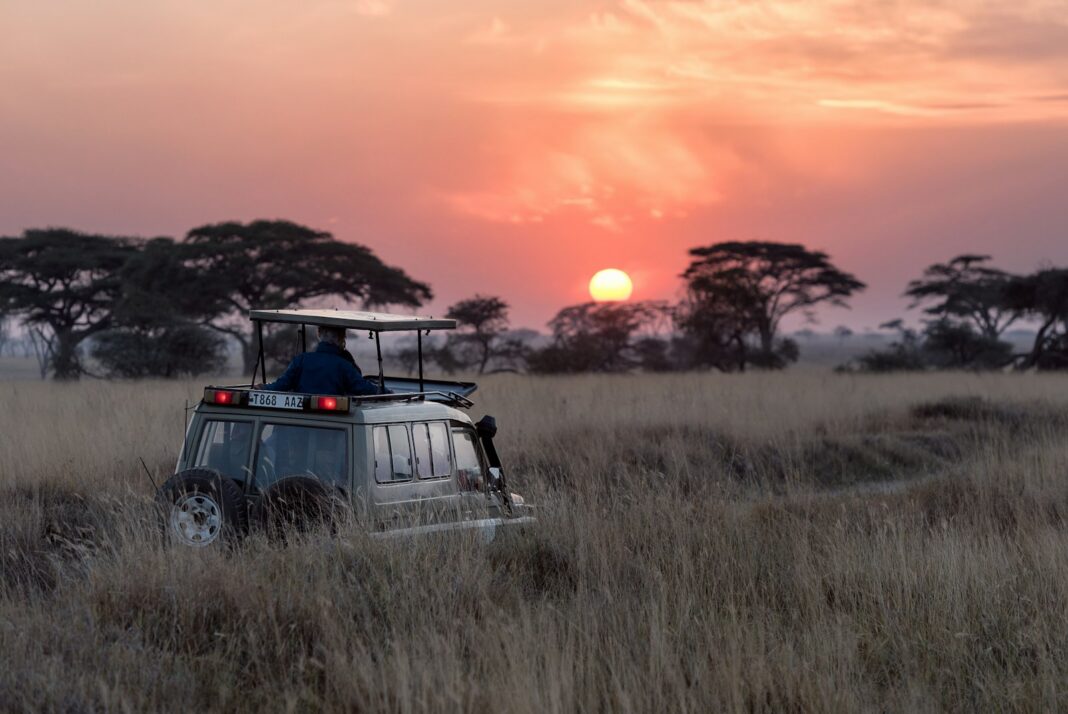

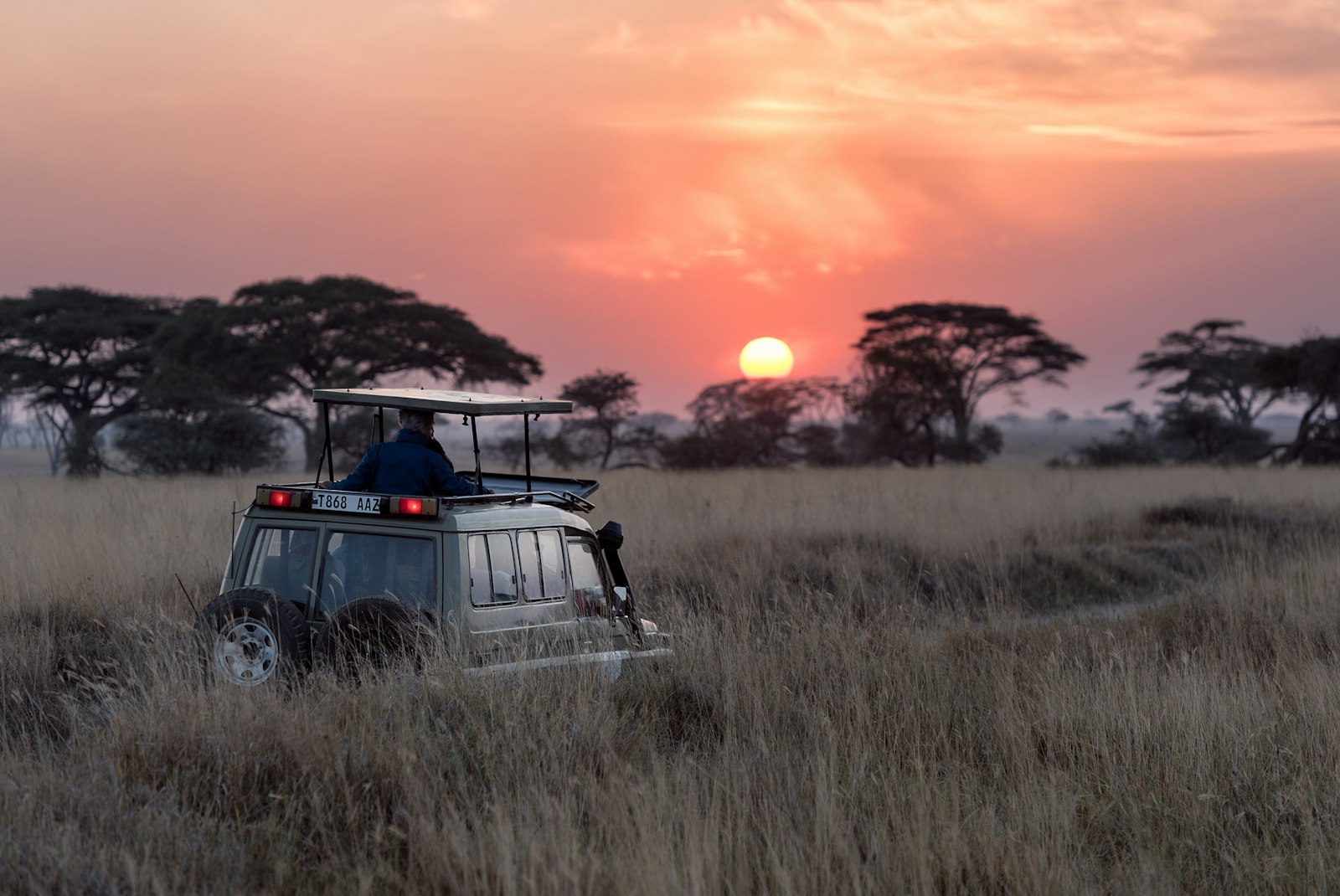
Kenya is where the modern luxury safari was invented — and, more than any other country in Africa, where it continues to evolve. The Masai Mara’s private conservancies have created a wildlife-viewing experience that rivals anywhere on the continent for exclusivity. Laikipia’s private ranches host rare species that don’t exist in the Mara. Amboseli offers the most iconic elephant photography in Africa, framed against Kilimanjaro. And Kenya’s mobile-camp tradition remains the gold standard for travelers who want a genuine bush experience with impeccable service.
We built this guide around the ten lodges and camps that consistently anchor top-tier safari itineraries — the properties booked by returning safari-goers, wildlife photographers, and the kind of guests who ask specifically for camps with private guides. For a broader look at the region, see our best luxury safari lodges in Africa guide.
Why Kenya for a Luxury Safari
Three features distinguish a Kenyan safari from its neighbors. Conservancy access: most of Kenya’s premier wildlife areas are private conservancies where night drives, walking safaris and off-road tracking are permitted — activities banned in national parks like the Serengeti. Guide quality: Kenya’s Professional Safari Guides Association credentials are the strictest in East Africa; a Silver or Gold-level guide dramatically changes what you see. Diversity within a short flight: you can go from Mara plains to Laikipia forests to Amboseli’s saline flats in one week, each area distinct in habitat and species.
Nightly rates for the properties below start around $1,500 per person all-inclusive in shoulder season and climb past $4,500 in peak Migration weeks. Costs typically include all meals, game drives, park and conservancy fees, laundry and house wines.
The 10 Best Luxury Safari Lodges in Kenya
1. Angama Mara — Mara Triangle
Perched 1,000 feet above the Mara plains on the Great Rift Escarpment, Angama Mara has become the region’s signature architectural safari camp. Fifteen glass-fronted tented suites look directly at the plain where the wildebeest cross. The property runs a photographic studio on site and pairs guests with specialist photographic guides on request. Game viewing is in the Mara Triangle, the least-crowded sector of the Reserve.
2. Cottar’s 1920s Camp — Olderkesi Conservancy
Cottar’s is a family-run property in the private Olderkesi Conservancy, adjacent to the southeast Mara. Ten canvas tents styled after the 1920s golden-age safari era include full-size clawfoot tubs and shaded verandas. The Cottar family has guided in Kenya for four generations, and the guiding here is often cited as the country’s best. Walking safaris and night drives are standard. Excellent for repeat safari travelers who prioritize guide quality.
3. Mara Plains Camp — Olare Motorogi Conservancy
Great Plains Conservation’s flagship Mara property sits on a private concession with a game density that rivals the main reserve. Seven raised suites face a permanent stream where elephants come to drink. Meals emphasize seasonal East African produce; wine pairings are included. The camp is small, service is personal, and vehicle-to-guest ratios are exceptional — a maximum of six guests per vehicle with a private option available.
4. Sanctuary Olonana — Mara Reserve
A recently rebuilt Sanctuary Retreats property on the Mara River, Olonana is designed around wildlife viewing from your suite — resident hippos vocalize below the deck through the night. Fourteen glass-walled suites include private plunge pools and outdoor showers. Complimentary balloon safaris are included in stays of three nights or more, a rare inclusion at this level.
5. Segera Retreat — Laikipia Plateau
Segera sits at 5,000 feet on the Laikipia Plateau, a landscape of open savannah, forest and rocky escarpments home to endangered Grevy’s zebra, reticulated giraffe and wild dog — species largely absent from the Mara. The property is as much an art destination as a safari camp, with a major private collection displayed across the grounds and villas. Kids’ programs are unusually well-developed for a top-tier lodge. Best for families and repeat travelers seeking species diversity.
6. Loisaba Tented Camp — Laikipia Conservancy
Loisaba is a private 58,000-acre conservancy in Laikipia known for its Star Beds — outdoor sleeping platforms guests can move to for a night under the sky. The tented camp itself has twelve suites overlooking the Ewaso Nyiro river system. Guided walks with Samburu warriors, camel treks and helicopter picnics are all on the activity menu. Excellent for adventurous travelers who want experiences beyond standard game drives.
7. Tortilis Camp — Amboseli National Park
Tortilis is the classic Amboseli camp, positioned on a private concession with the best unobstructed views of Kilimanjaro. The elephant photography from Tortilis is arguably the best on the continent — Amboseli’s dust-free saline flats create the crisp, clean backgrounds that professional wildlife photographers hunt for. Sixteen thatched tents and a family-only house give the property flexibility for multi-generational bookings.
8. Sirikoi — Lewa Wildlife Conservancy
Sirikoi is a small, exclusive lodge on the Lewa Wildlife Conservancy, one of Kenya’s most successful rhino conservation stories. Six cottages and a private house look out over a marshland teeming with wildlife. Lewa hosts significant populations of both black and white rhino, and the tracking here is exceptional. The property is small enough that most guests take their meals family-style with the owners.
9. Sasaab — Samburu National Reserve
Sasaab sits above the Ewaso Nyiro river in Samburu, a strikingly different ecosystem from the Mara — semi-arid, home to the “Samburu Five” (reticulated giraffe, Grevy’s zebra, Beisa oryx, gerenuk and Somali ostrich) not found further south. The Moorish-inspired architecture is unusual for a safari lodge and works beautifully in the landscape. Camel treks and cultural visits to Samburu manyattas are standout activities.
10. Giraffe Manor — Nairobi
An honorable mention that most first-time Kenya visitors book anyway: Giraffe Manor is a heritage-listed 1930s house on the outskirts of Nairobi, home to a resident herd of endangered Rothschild’s giraffe that come to the windows at breakfast. Twelve rooms are almost always sold out; book six to twelve months ahead. A one-night stay makes a memorable bookend to a longer safari itinerary.
When to Go
July through October is peak season for the Great Migration in the Mara, with the river crossings typically occurring from mid-July through mid-September. Expect the highest rates and most competition for vehicles.
January through March is the “green season” — new grass, calving herds in the southern Mara and lower rates. Wildlife density is still excellent and predator sightings can be exceptional.
June and November are shoulder months with strong game viewing, thinner crowds, and rates typically 20 to 30 percent below peak.
Laikipia and Amboseli have year-round game viewing with less dramatic seasonal variation.
How to Structure a Kenya Safari
Most successful luxury itineraries combine two or three regions across seven to ten days. A well-balanced first trip might read: two nights in Amboseli (Tortilis) for elephants and Kilimanjaro, three nights in Laikipia (Loisaba or Sirikoi) for species diversity, three nights in the Mara (Angama or Cottar’s) for big cats and — if timing allows — the Migration. Internal flights between regions are 45 to 90 minutes; private charter is common.
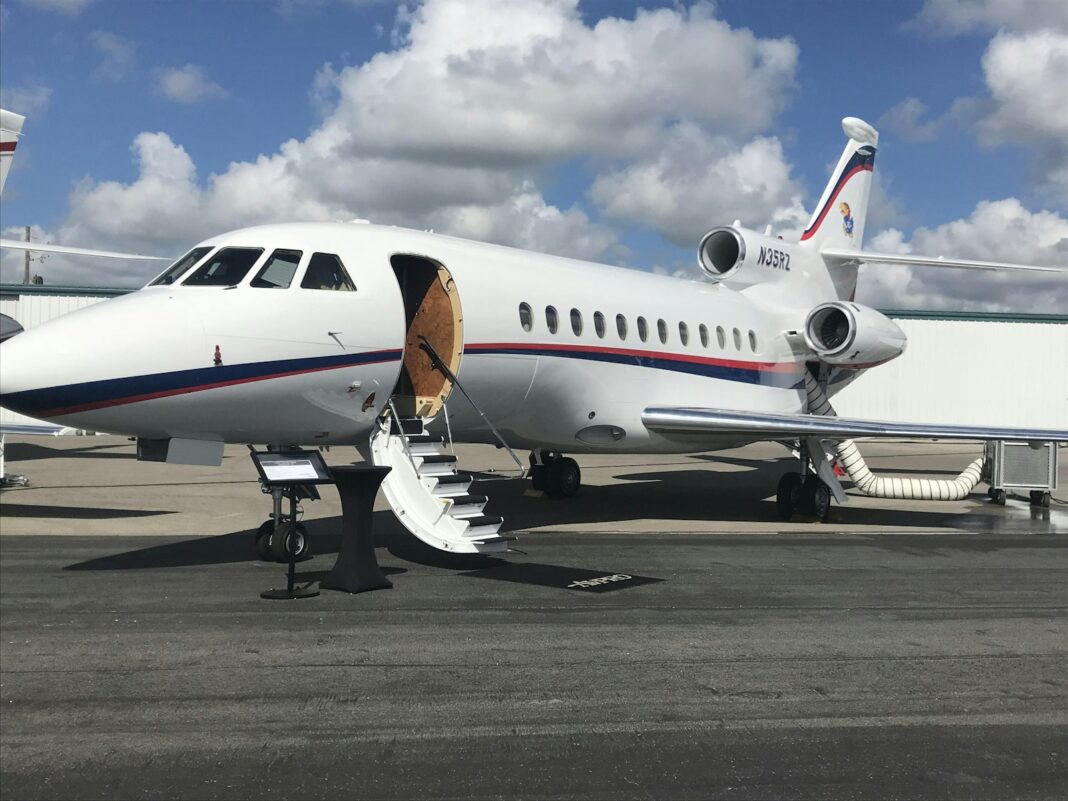
Getting to Kenya is straightforward from most global hubs. For guests flying private into Nairobi (WIL or NBO) or directly to bush airstrips, see our private jet charter cost guide.
Booking Tips
Peak-week Mara camps sell out 12 to 18 months ahead. Laikipia and Amboseli are more flexible but still book 6 to 9 months out for July–October dates. Direct booking with the lodge or via a specialist East Africa safari operator (Cottar’s, Great Plains, Sanctuary, ROAR AFRICA, Extraordinary Journeys) generally saves 5 to 15 percent versus general luxury travel agencies. Always request a private vehicle if your budget allows — the difference in what you see is significant.
The Bottom Line
Kenya’s luxury safari market is deeper and more diverse than any of its peers’. Whether you’re planning your first African safari and want the iconic Mara-and-Kilimanjaro combination, or your fifth trip and want species you can’t see anywhere else, the ten camps above form the backbone of what a great Kenyan itinerary looks like in 2026.