
Tokyo has quietly become the most competitive luxury hotel market in the world. In the last five years the city has added the Bulgari, the Janu, the Aman-branded Aman Nyoto (opening late 2026), and a full refresh of the Peninsula, while the incumbents — Aman, Four Seasons Otemachi, Mandarin Oriental, Palace Hotel — have upgraded suites, spas, and F&B to defend market share. Add the enduring cult favorites (Park Hyatt, Hoshinoya, Trunk House) and Tokyo now offers more genuine ultra-luxury inventory than Paris, London, or New York.
The catch: choosing between them matters more here than almost anywhere else. Neighborhood, view, and design philosophy vary enormously — a room at Aman feels like a different city than a room at the Peninsula, five miles apart. Here are the 10 best luxury hotels in Tokyo for 2026, ranked by the actual guest experience, not the star rating.
The 10 Best Luxury Hotels in Tokyo
1. Aman Tokyo (Otemachi)
Aman Tokyo occupies the top six floors of a Marunouchi tower, and the arrival — an elevator to the 33rd floor, into a 30-meter-high lobby with a black stone garden and cypress-wood beams — remains one of the great hotel entrances in the world. Rooms average 71 sq m (huge by Tokyo standards), with washi paper screens, ofuro soaking tubs, and views over the Imperial Palace or Mount Fuji on clear days. The 30-meter pool with floor-to-ceiling windows facing the palace is worth the stay by itself. Aman-tier service, Aman-tier prices ($1,800–$4,500/night). Compare with the brand at large in our Aman vs Rosewood comparison.
2. Bulgari Hotel Tokyo (Yaesu)
Opened April 2023 in the Tokyo Midtown Yaesu tower, floors 40–45. This is the most successful of the new-generation Tokyo luxury openings — Italian design (Antonio Citterio) that reads as Tokyo-appropriate rather than jarring, exceptional Il Ristorante Niko Romito (one Michelin star), and a spa with a 25-meter pool overlooking Tokyo Bay. 98 rooms and suites, all with floor-to-ceiling windows. Rates from $1,500/night, spiking to $8,000+ for the Bulgari Suite.
3. Four Seasons Hotel Tokyo at Otemachi
The city’s most consistent 5-star. Occupies floors 34–39 of the Otemachi One tower, with corner Executive Suites offering combined Imperial Palace + Tokyo Bay views. The est by Guillaume Bracaval (one Michelin star) is genuinely one of Tokyo’s best French restaurants, and the spa punches well above what most business-district hotels manage. Service is precise, unshowy, and impeccable. Rates from $1,100/night. Read our take on the brand in Ritz-Carlton vs Four Seasons.
4. The Peninsula Tokyo (Marunouchi)
The grande dame with the best location — steps from Ginza, the Imperial Palace, and Tokyo Station. Rooms are large (48 sq m base) with the signature Peninsula tech (nail-drying stations, one-touch privacy panels, tablet controls). Peter (the top-floor bar/restaurant) has the best skyline view of any hotel restaurant in the city. Rates from $900/night — one of the best price-to-experience ratios among Tokyo’s top tier.
5. Mandarin Oriental Tokyo (Nihonbashi)
Rooms occupy floors 30–36 of a Nihonbashi tower, with the Sensui Kaiseki restaurant (three Michelin stars) and Signature (one star) on-site. The spa — 21,500 sq ft, ten treatment rooms — is regularly ranked among the best hotel spas in Asia. The location has quieted since some Marunouchi flagships opened, but Nihonbashi remains an excellent walkable neighborhood. Rates from $1,000/night.
6. Hoshinoya Tokyo (Otemachi)
A vertical ryokan on a Tokyo street corner. You take off your shoes at the entrance and don’t put them back on until you leave. Rooms are tatami with futon beds, and each floor has a communal lounge serving tea and snacks. The rooftop onsen — fed by hot spring water drawn from 1,500 meters below Tokyo — is unlike anything else in the city. Not everyone loves the format (no beds, no on-property Western dining), but for travelers who want a real ryokan experience in the capital, nothing else compares. Rates from $850/night.
7. Park Hyatt Tokyo (Shinjuku)
The Lost in Translation hotel. Occupies floors 39–52 of the Shinjuku Park Tower. Rooms feel less contemporary than the newer openings, but the New York Bar (52nd floor) remains one of the most atmospheric hotel bars anywhere, and the Peak Lounge with its bamboo grove is a signature Tokyo space. Fully renovated and reopened after a multi-year refresh. Rates from $800/night.
8. Janu Tokyo (Azabudai Hills)
Aman’s sister brand debuted here in March 2024 with 122 rooms — the largest Aman-family hotel in the world. Wellness is the pitch: a 4,000 sq m spa with a 25-meter pool, sound therapy studios, and Tokyo’s most serious fitness center. Rates from $1,200/night, targeting a slightly younger, more social crowd than Aman proper.
9. Palace Hotel Tokyo (Marunouchi)
Independently owned and independently minded. Rooms with balconies (rare in Tokyo) overlooking the Imperial Palace moat, an Evian Spa, and Wadakura — a two-Michelin-star French restaurant that consistently over-delivers. Feels less internationally “corporate” than the chain flagships. Rates from $700/night; among the best value in Tokyo luxury.
10. The Ritz-Carlton, Tokyo (Roppongi)
Occupies the top nine floors of Midtown Tower, with the highest guest rooms in the city (floors 45–53). Views are spectacular, particularly the Fuji-facing corner suites. The 3,850 sq ft Ritz-Carlton Suite is Tokyo’s largest hotel room. Roppongi as a neighborhood has quieted from its 2000s peak but remains close to Nogi Shrine, Roppongi Hills, and the Mori Art Museum. Rates from $900/night.
Which Neighborhood Should You Stay In?
| Neighborhood | Vibe | Best For | Hotels |
|---|---|---|---|
| Marunouchi / Otemachi | Business, walkable, Imperial Palace | First-timers, business, shopping | Aman, Four Seasons, Peninsula, Palace, Hoshinoya |
| Nihonbashi | Older mercantile district, quieter | Repeat visitors, foodies | Mandarin Oriental |
| Roppongi | International, nightlife, museums | Younger travelers, art | Ritz-Carlton, Grand Hyatt |
| Azabudai Hills | Newest development, restaurants | Design-forward travelers | Janu, Aman Nyoto (2026) |
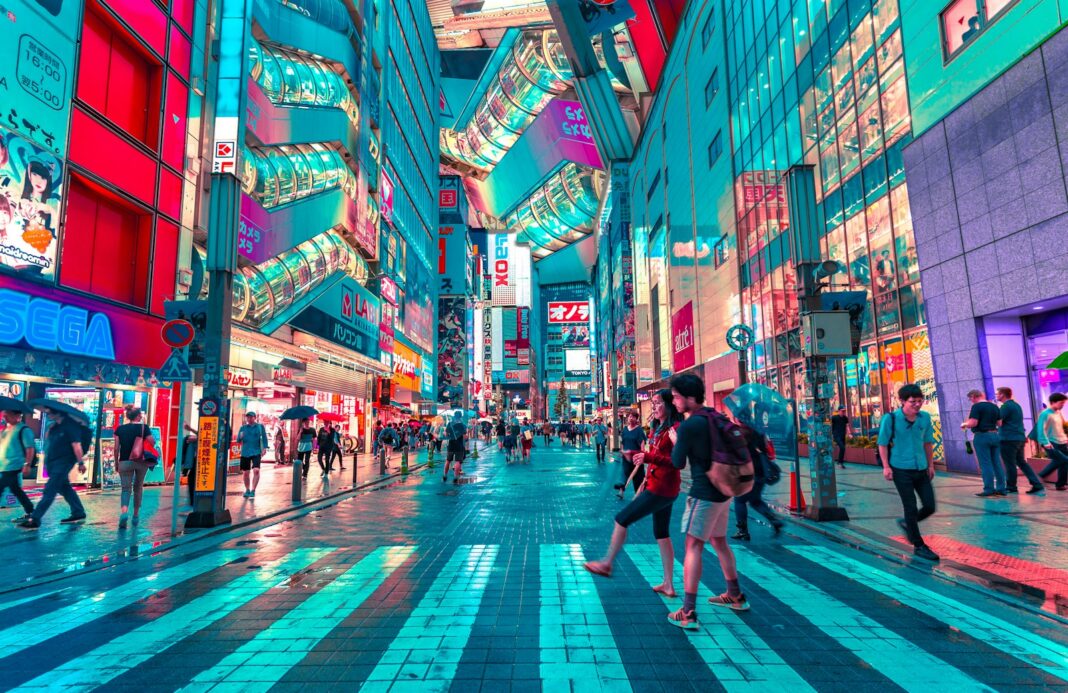
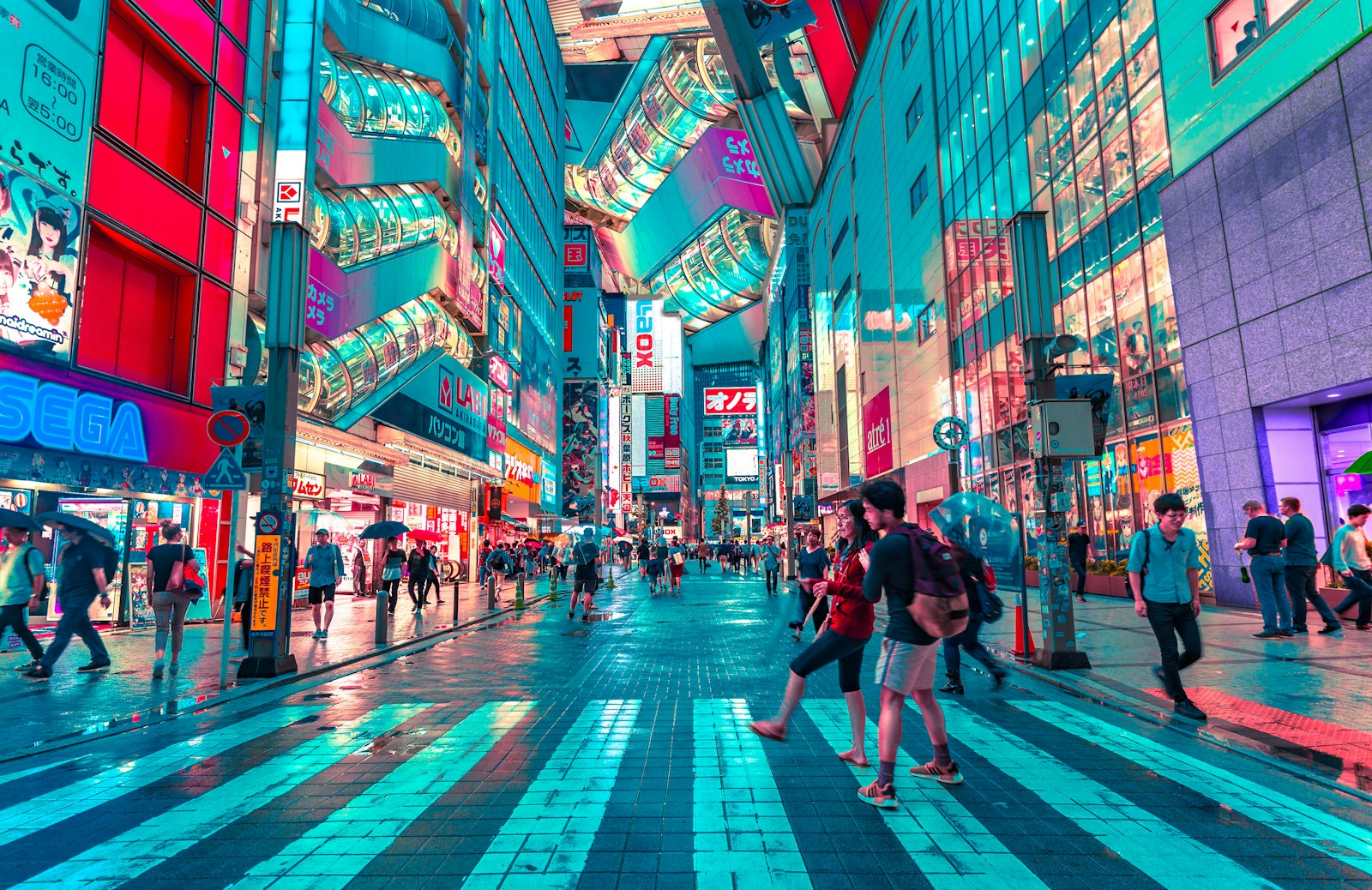
| Shinjuku | Chaotic, cinematic, transit hub | Nightlife, ease of transit | Park Hyatt |
| Ginza | Luxury shopping, dining | Shoppers, foodies | Muji Hotel, Hyatt Centric |
How to Choose
First-time Tokyo: Peninsula, Four Seasons Otemachi, or Palace. Marunouchi puts you within walking distance of Ginza, the Imperial Palace, and Tokyo Station.
Design and architecture pilgrims: Aman Tokyo, Bulgari, or Hoshinoya. Each is a different design statement worth studying.
Best skyline views: Ritz-Carlton (highest rooms) or Park Hyatt (best-known views).
Food-forward stay: Mandarin Oriental (3-star Sensui + 1-star Signature) or Palace (2-star Wadakura).
Wellness / spa focus: Janu Tokyo, Mandarin Oriental, or Aman.
Cherry blossom season (late March–early April): Palace Hotel Tokyo — the Imperial Palace moat, right outside, is one of the city’s best hanami spots.
When to Book
Cherry blossom season (late March through mid-April) is the tightest — book 8–12 months out for the top properties. Autumn (late October–November) foliage is nearly as competitive. Summer is the softest season and often the best value. Golden Week (early May) and New Year’s are near-impossible for walk-ups.
For F1 Japanese Grand Prix, Grand Sumo tournaments, and Cherry Blossom peak, expect 30–60% price surges. Compare with our London luxury hotel guide and Bali luxury hotel guide for how Tokyo pricing compares to other major Asia-Pacific destinations.
FAQ
What is the best luxury hotel in Tokyo?
Aman Tokyo is the most singular and design-forward. Four Seasons Otemachi is the most consistent. Peninsula Tokyo has the best location. All three are defensible “best” picks depending on priorities.
How much does a luxury hotel in Tokyo cost?
Entry-level luxury (Palace, Peninsula base rooms) starts around $700–$900/night. Top-tier flagships (Aman, Bulgari, Mandarin Oriental) run $1,500–$4,000+/night. Signature suites reach $8,000–$15,000/night.
Which Tokyo hotel has the best view?
The Ritz-Carlton Tokyo has the highest guest rooms. Park Hyatt has the most cinematically framed views. Aman Tokyo’s pool has the best framed Imperial Palace view.
Are ryokans a good luxury option in Tokyo?
Hoshinoya Tokyo is the only serious luxury urban ryokan and is genuinely excellent — but the tatami-and-futon format doesn’t suit everyone. Try it for one or two nights, not a full week.
Is Tokyo a walkable luxury city?
Marunouchi and Ginza are excellent for walking between hotels, restaurants, and shopping. Shinjuku and Roppongi are more taxi-dependent.
The Bottom Line
Tokyo’s luxury hotel market has more depth and character than any other city on earth right now. If it’s your first trip, stay in Marunouchi or Otemachi. If you’re returning, use it as a chance to sample a different design philosophy — Aman one visit, Bulgari the next, Hoshinoya the visit after. And don’t over-plan: half the pleasure of a Tokyo luxury stay is that the property itself is one of the best things you’ll experience in the city.
Compare live rates on Tokyo’s top luxury hotels on Booking.com.