
Rosewood and Four Seasons sit at the top of the luxury hospitality hierarchy, but they win in very different ways. Four Seasons is the flawless, familiar standard — a brand you can book blind on any continent and know what you’ll get. Rosewood is smaller, more design-forward, and built around the idea that a hotel should feel like it belongs to its city rather than to a global template.
If you’re deciding between the two for an anniversary trip, a milestone birthday, or a $2,000-per-night suite booking, the difference matters. Here’s an honest, on-property look at how they compare on service, room product, food, spa, loyalty, and value — and which one deserves your credit card in 2026.
Quick verdict: which brand wins?
Book Four Seasons if you want predictable five-star service in a major city, a reliable business-travel base, or a resort with strong family programming. It’s the safer choice — you will never be disappointed.
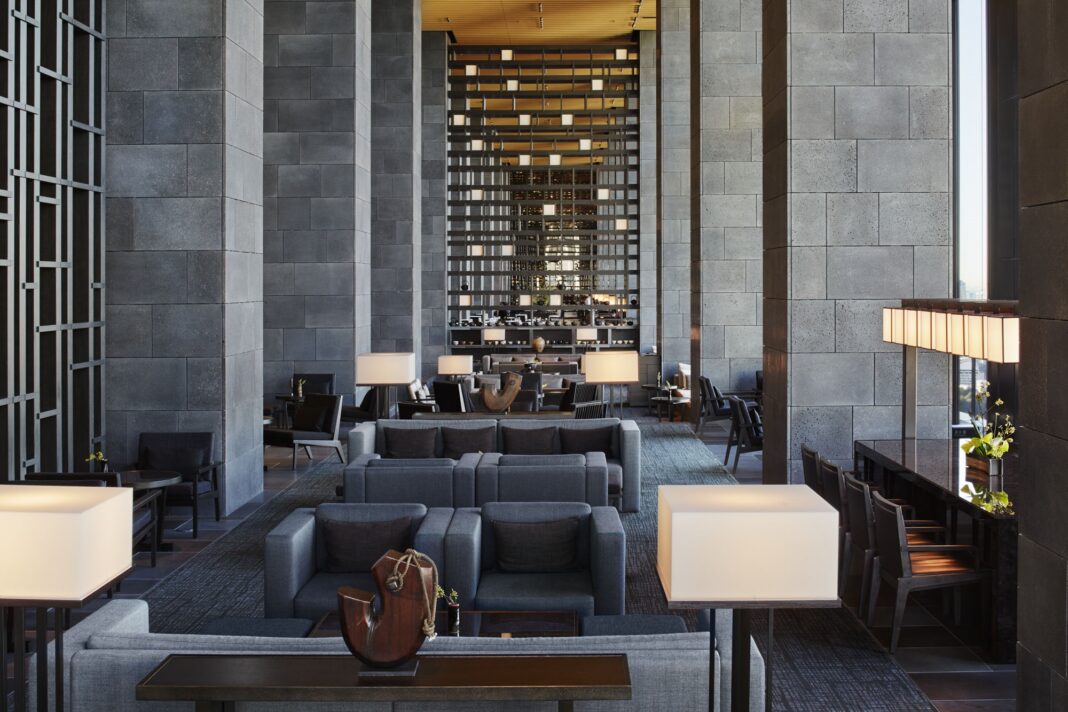
Book Rosewood if you want a hotel that feels like a residence, a distinctive sense of place, and design that photographs well. It’s the more interesting choice — and increasingly the one experienced luxury travelers reach for first.
The brands at a glance
| Metric | Rosewood | Four Seasons |
|---|---|---|
| Hotels worldwide | ~35 | ~130 |
| Founded | 1979 (Dallas) | 1961 (Toronto) |
| Design philosophy | “A Sense of Place” | Consistent global standard |
| Average nightly rate (entry) | $900–$1,800 | $700–$1,500 |
| Suite starting rates | $1,800–$4,500 | $1,500–$4,000 |
| Loyalty program | Rosewood Elite (invite-only) | None (relationship model) |
| Kids’ clubs | Select resorts | Nearly all resorts |
| Owner | Rosewood Hotel Group (HK) | Bill Gates / Alwaleed / Kingdom |
Service style: warm-formal vs. residential-personal
Four Seasons trains its staff to a script that works from Vancouver to Bangkok. The greeting, the turndown, the escort to your room, the way a bellman explains the minibar — it’s all been engineered. When it lands well, it feels like a masterclass in hospitality. On rare off days, it can feel a touch corporate.
Rosewood service is less choreographed and more residential. Staff learn your name and your coffee order fast, and there’s less of the “welcome-back-to-Four-Seasons-Mr-Brandt” formality. At a smaller property like Rosewood Little Dix Bay or Rosewood Sao Paulo, you’ll often feel like you’re the only guest that matters.
Where each pulls ahead
Four Seasons wins the arrival-to-departure consistency battle. Rosewood wins the “did they actually remember me?” battle. In a head-to-head on a first-time stay, Four Seasons tends to feel more polished; on a repeat stay, Rosewood pulls ahead because it remembers.
Rooms and suites: comparable size, very different feel
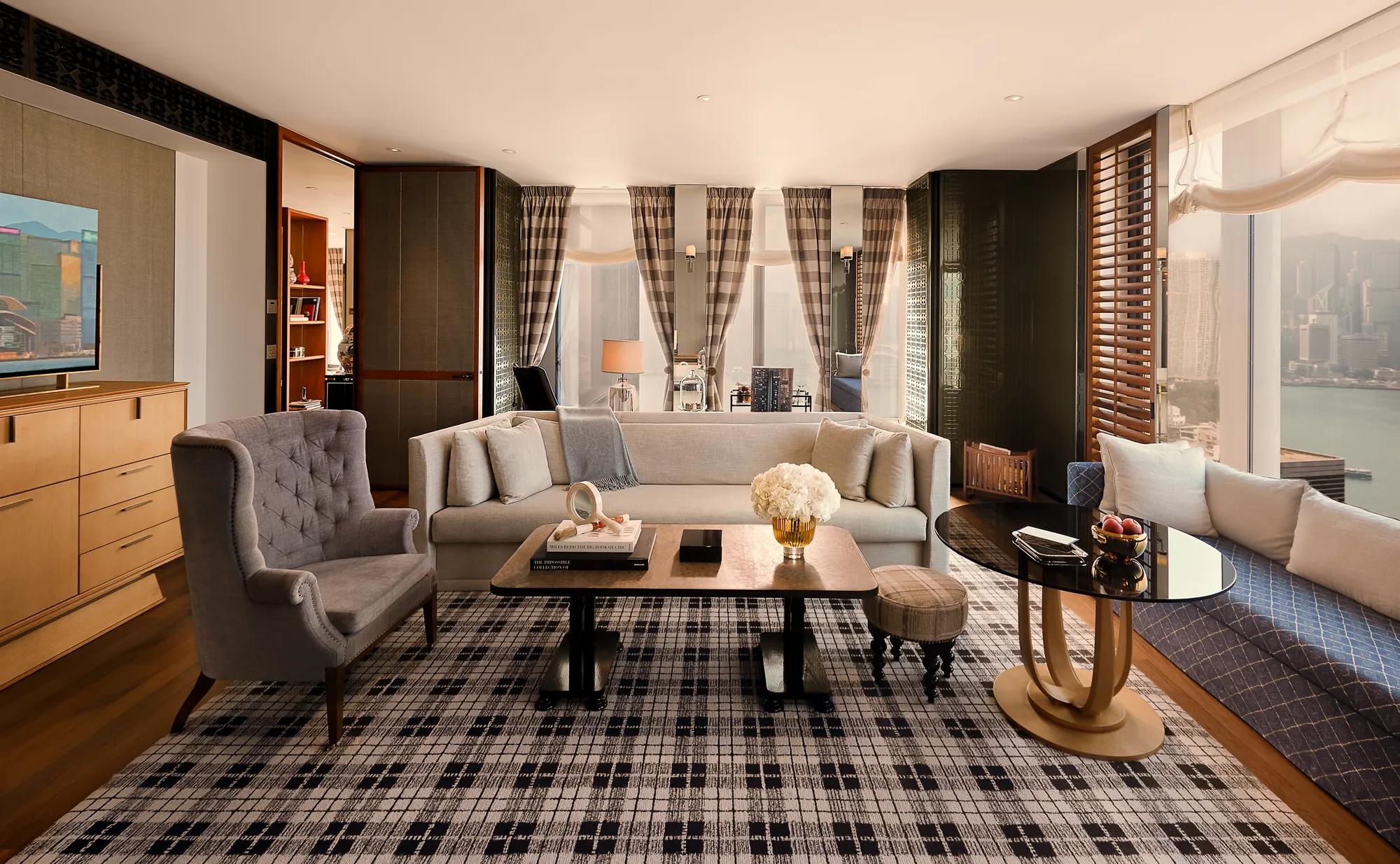
Four Seasons standard rooms average 450–600 sq ft in cities and 700+ sq ft at resorts. Furnishings are luxurious but restrained — neutral palettes, imported linens, marble baths. The brand recently refreshed its bedding program with heavier weighted duvets and higher-thread-count sheets across the portfolio.
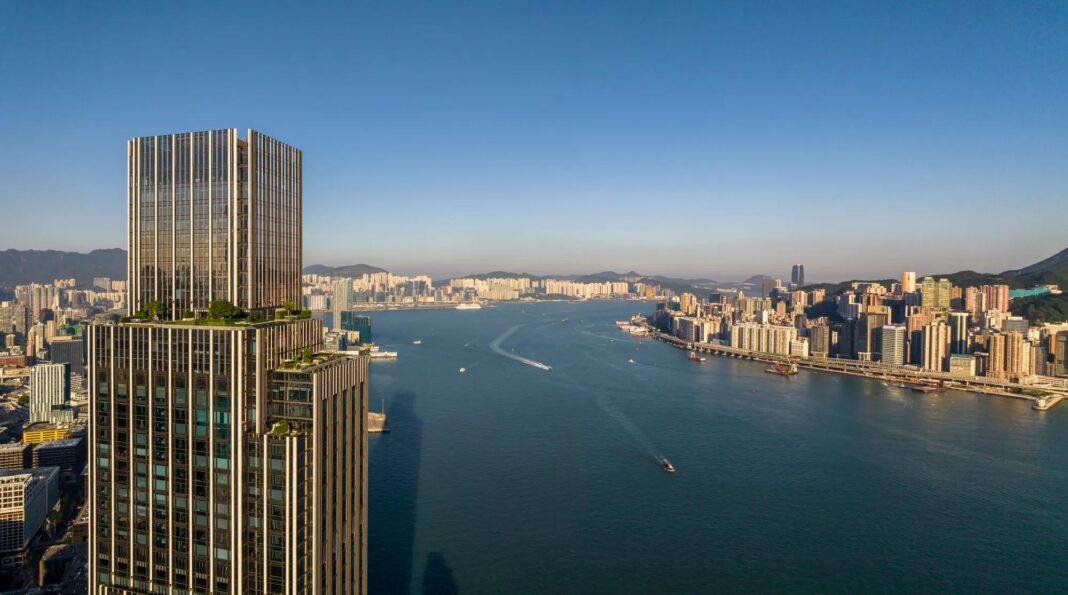
Rosewood rooms are similar in footprint but bolder in style. Expect commissioned artwork, statement lighting, local textiles, and bathrooms that lean toward standalone tubs and expensive stone. At Rosewood Hong Kong and Rosewood London (formerly The Chancery Court), the design language is unmistakable — you’d never confuse a room for another brand.
Food and beverage: two very different bets
Four Seasons owns some of the most reliable restaurant brands in luxury travel — its all-day dining rooms and afternoon-tea services are consistent from Milan to Maui. Ravello and Bar 1962 at Four Seasons Rome, Cut at Four Seasons Doha, and Culina at Four Seasons Beverly Wilshire all deliver.
Rosewood puts more chips on standalone destination restaurants. Manzanilla at Rosewood Mayakoba, HOLT at Rosewood Vienna, and Isabel’s at Rosewood Munich are booking-required tables that pull local diners, not just hotel guests. If you like a hotel that doubles as a dining destination, Rosewood usually wins.
Spa and wellness
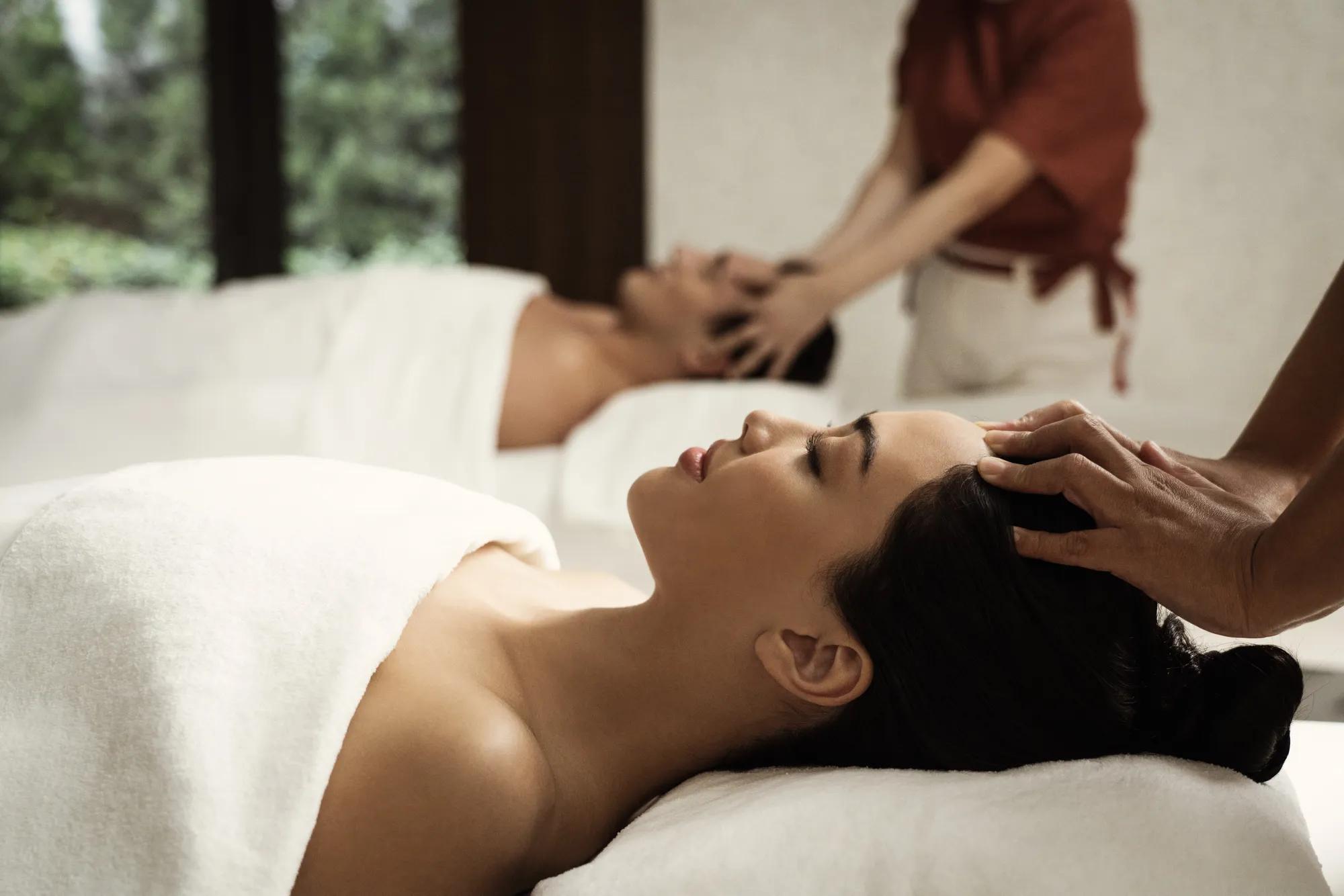
Four Seasons Spas are excellent but formulaic — you know the treatment menu before you arrive. Rosewood’s Asaya wellness concept is more ambitious, with multi-day programming, in-house doctors at select properties, and treatment rooms that don’t look like every other five-star. If wellness is the point of the trip, Asaya is a real differentiator (see also our luxury wellness & longevity guide).
Loyalty and recognition
Four Seasons has no points program. Loyalty is built through your travel advisor — book through a Four Seasons Preferred Partner and you get complimentary breakfast for two, $100 property credit, upgrade at check-in when available, and early check-in / late checkout. This is the single biggest value hack in the brand.
Rosewood Elite is an invite-only relationship program, not a points program. It comes with complimentary breakfast, $100 F&B credit, priority upgrades, and — most importantly — the actual GM or director of rooms watching your stay. If you stay 10+ nights a year with Rosewood or spend heavily, you’ll get invited.
Value for money
On paper, Four Seasons is 10–20% cheaper at the entry-room level in most cities. But Rosewood’s included amenities (welcome amenity, in-room minibar, tea/coffee) are often more generous, and its suites are typically better sized for the price. On a comparable one-bedroom suite in New York, London, or Hong Kong, the two brands land within $200/night of each other.
For a related comparison, see Aman vs Four Seasons and Ritz-Carlton vs Four Seasons.
Best cities to compare them head-to-head
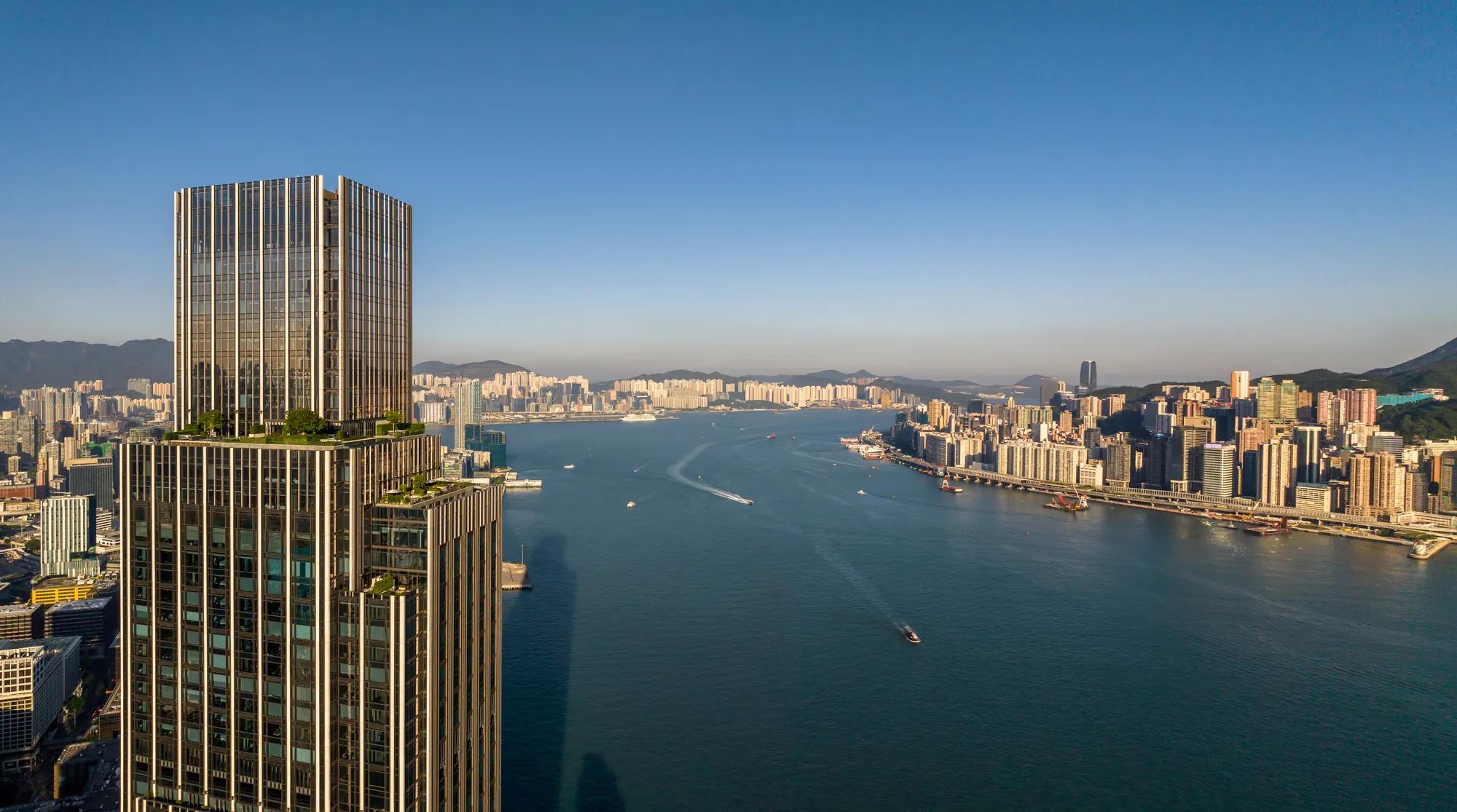
- Hong Kong: Rosewood Hong Kong is the more spectacular building; Four Seasons Hong Kong has the two-Michelin-star restaurants and IFC location.
- London: Rosewood London (Holborn) is a landmark restoration; Four Seasons Park Lane is more polished and closer to Mayfair.
- New York: Rosewood is not present in New York; Four Seasons New York Downtown is the choice.
- Paris: Four Seasons George V is a legend; Rosewood is not present.
- Mexico: Rosewood Mayakoba is a masterpiece; Four Seasons Punta Mita is the more polished resort.
Which one wins the bookings?
If we had to hand over a credit card for one brand for the next 12 months, we’d split it: Four Seasons for city stays and family resorts, Rosewood for milestone trips and design-driven escapes. Four Seasons is the safer default. Rosewood is the more memorable choice.
FAQ
Is Rosewood more expensive than Four Seasons?
On entry-level rooms, Rosewood tends to run 10–20% higher. On suites, the two are usually within $200/night of each other. Rosewood’s included amenities (welcome amenity, minibar, in-room tea) are typically more generous.
Does Rosewood have a loyalty program like Marriott Bonvoy?
No. Rosewood Elite is an invite-only recognition program with breakfast, credits, and upgrades — but no earnable points. Four Seasons also has no points program.
Which brand has better service?
Four Seasons wins on consistency across every property. Rosewood wins on personalization and recognition — its staff-to-room ratios are typically higher and turnover lower.
Are Rosewood hotels part of Marriott or Hyatt?
No. Rosewood is owned by Rosewood Hotel Group, based in Hong Kong. Four Seasons is majority-owned by Bill Gates’s Cascade Investment and Prince Alwaleed’s Kingdom Holding.