
Aman and Six Senses are the two brands most often compared by luxury travelers who’ve moved past Four Seasons and Ritz-Carlton. Both do remote, both do minimalist, both do wellness — and both are punishingly expensive. But they attract very different guests for very different reasons.
Aman is the older, more austere brand. Six Senses is the more program-driven, wellness-forward one. Choosing between them isn’t about which is “better” — it’s about which one matches the trip you actually want. Here’s how they compare in 2026, room-for-room and dollar-for-dollar.
The 30-second verdict
Book Aman if you want unbroken silence, an architecturally significant property, and a hotel where nobody talks to you unless you talk to them first. Aman is a place to disappear.
Book Six Senses if you want structured wellness — sleep programs, longevity clinics, breathwork, cold plunges, in-house doctors — plus a warmer, more family-friendly atmosphere. Six Senses is a place to reset.
The brands compared
| Metric | Aman | Six Senses |
|---|---|---|
| Resorts worldwide | ~35 | ~30 (growing fast) |
| Founded | 1988 (Phuket) | 1995 (Maldives) |
| Owner | Vladislav Doronin (OKO Group) | IHG (acquired 2019) |
| Design signature | Kerry Hill / Ed Tuttle stone and wood | Barefoot-luxury, recycled and local materials |
| Entry room rate | $1,600–$4,000/night | $900–$2,500/night |
| Suite / villa rate | $3,500–$25,000/night | $1,800–$12,000/night |
| Guest-to-staff ratio | ~1:4 | ~1:3 |
| Wellness focus | Emerging (Aman Wellness) | Core to the brand |
| Kids programming | Minimal, deliberately quiet | Robust; family-forward |
Atmosphere: monastery vs. sanctuary
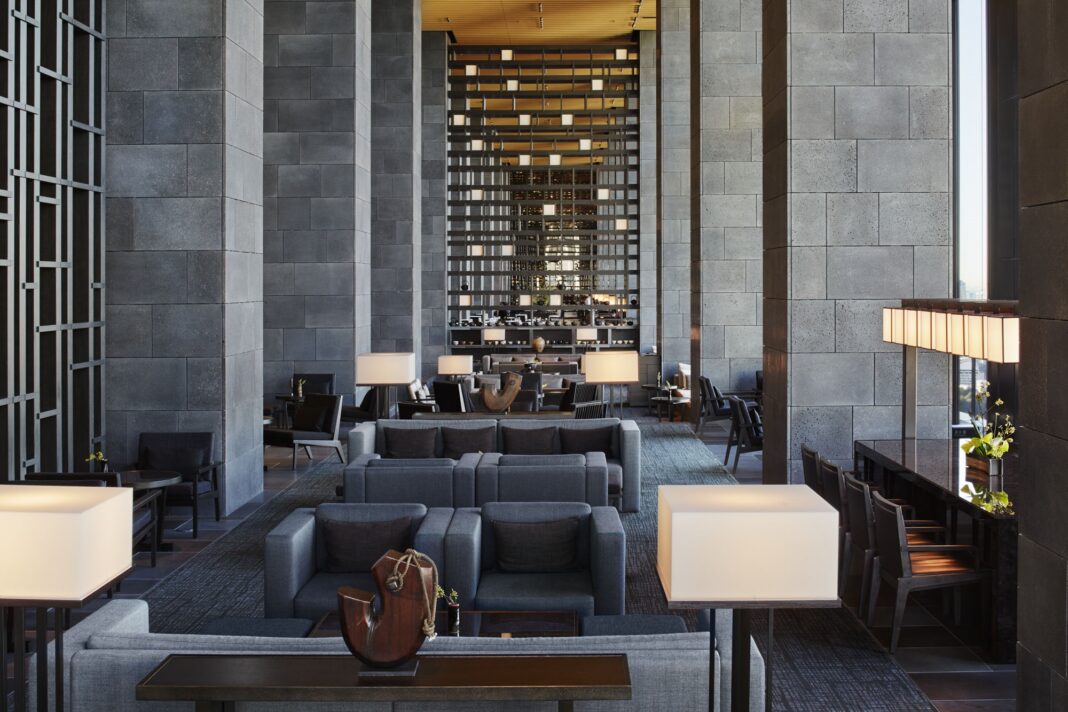
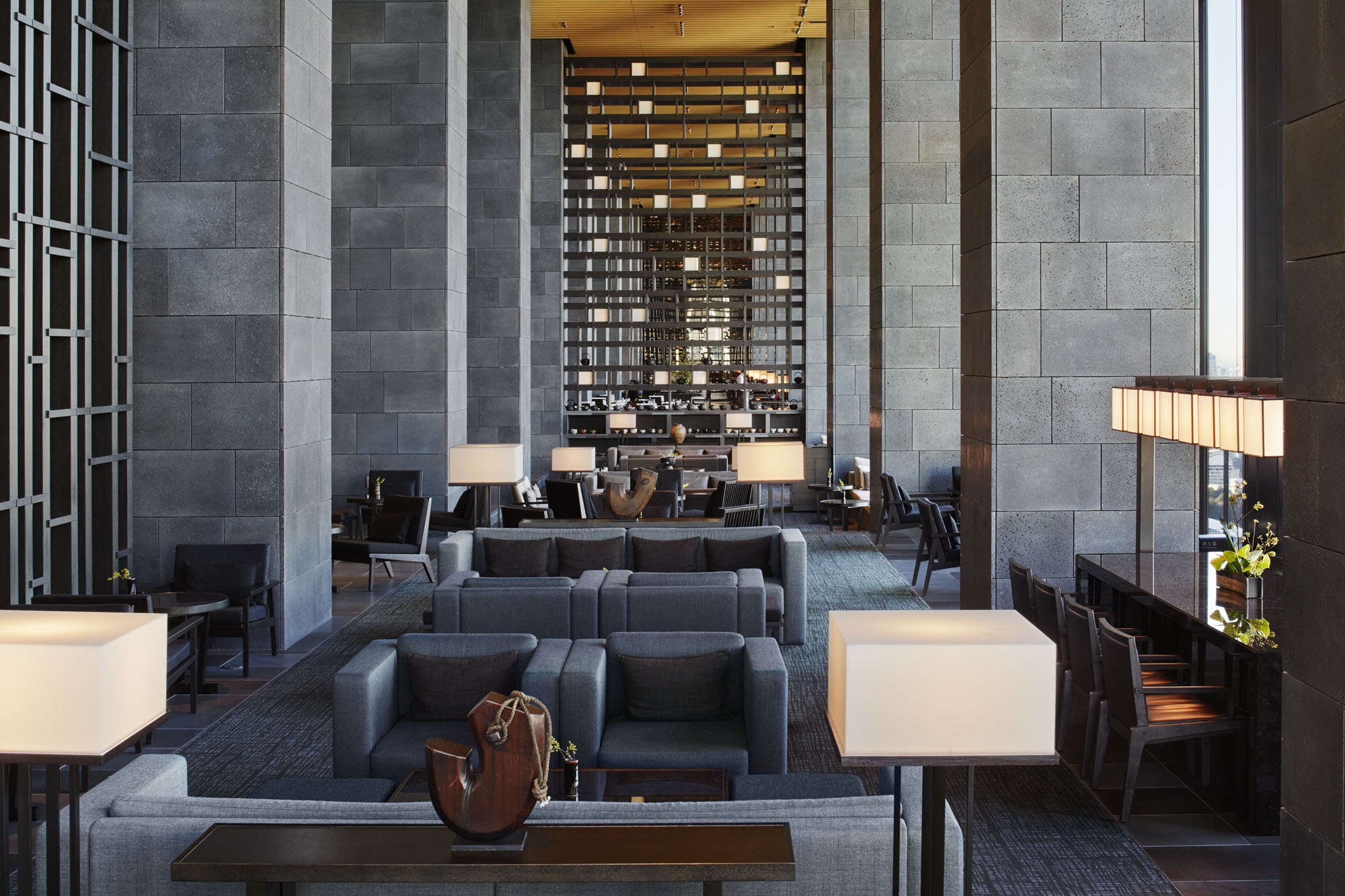
Walking into an Aman is like walking into a monastery — polished stone floors, low lighting, no music, no chatter, staff in linen who bow slightly. This is a brand where you can spend three days without small talk. Some guests love it. Others find it clinical.
Six Senses feels warmer from the moment you step in. There’s music, incense, cold towels, a welcome drink that isn’t just water — and the staff will remember your name by breakfast. It’s a wellness resort that hasn’t forgotten it’s also supposed to be fun.
Wellness: the real point of difference
Six Senses built the modern luxury-wellness playbook. Every Six Senses has a proper wellness village — usually five to ten treatment rooms, a yoga pavilion, hydrothermal circuits, and a resident wellness team that can build a program around sleep, longevity, detox, or fitness. Their Sleep With Six Senses program (developed with a neuroscientist) is the reason many guests book.
Aman got serious about wellness later, but Aman Wellness (rolled out portfolio-wide from 2022) is now closing the gap. Aman Tokyo, Amanpuri, and Aman New York have full immersion programs. That said, Aman’s wellness still feels like an amenity attached to a resort. Six Senses’ wellness is the resort.
See also our luxury wellness & biohacking longevity retreats guide.
Rooms and villas
Aman rooms average 900–1,600 sq ft. Villas often exceed 3,000 sq ft with private pools. Design is uniform across the portfolio: stone, teak, muted linens, one enormous bathtub, and no visible technology. It’s beautiful, but sometimes feels the same in Utah as it does in Bhutan.
Six Senses rooms are more locally expressive. A villa at Six Senses Ninh Van Bay is different from one at Six Senses Douro Valley or Six Senses Bhutan — same brand ethos, but rooted in the place. Bathrooms are the star; expect standalone stone tubs, indoor-outdoor showers, and organic-cotton everything.
Food
Aman cuisine is refined and quiet — think seasonal Japanese kaiseki at Amanemu, Italian at Aman Venice, and Peruvian-Nikkei tasting at Nai at Aman New York. Portions are small, wine lists are deep, service is unhurried.
Six Senses food is farm-to-table, often literally — most properties have working organic gardens supplying the kitchen. Menus are wellness-friendly but not preachy; expect Ayurvedic options next to a proper ribeye. The Douro Valley property has one of the best hotel wine programs anywhere.
Cost: which is actually more expensive?
Aman is, on average, 40–60% more expensive than Six Senses at comparable properties. Entry rooms at Aman rarely dip below $1,600/night; Six Senses entry rooms often start under $1,000/night in Asia. Villa-level bookings are where the gap closes — a two-bedroom villa at Aman Tokyo and Six Senses Ibiza can both hit $8,000+/night.
What Aman includes: breakfast (at most resorts), minibar (sometimes), and welcome amenity. What Six Senses includes: full breakfast, most minibar items, a wellness intro consultation, and daily group wellness activities. On an inclusive-value basis, Six Senses wins.
Where each brand really shines
Aman at its best
- Amankila, Bali — the original cliffside pool that launched a thousand imitations.
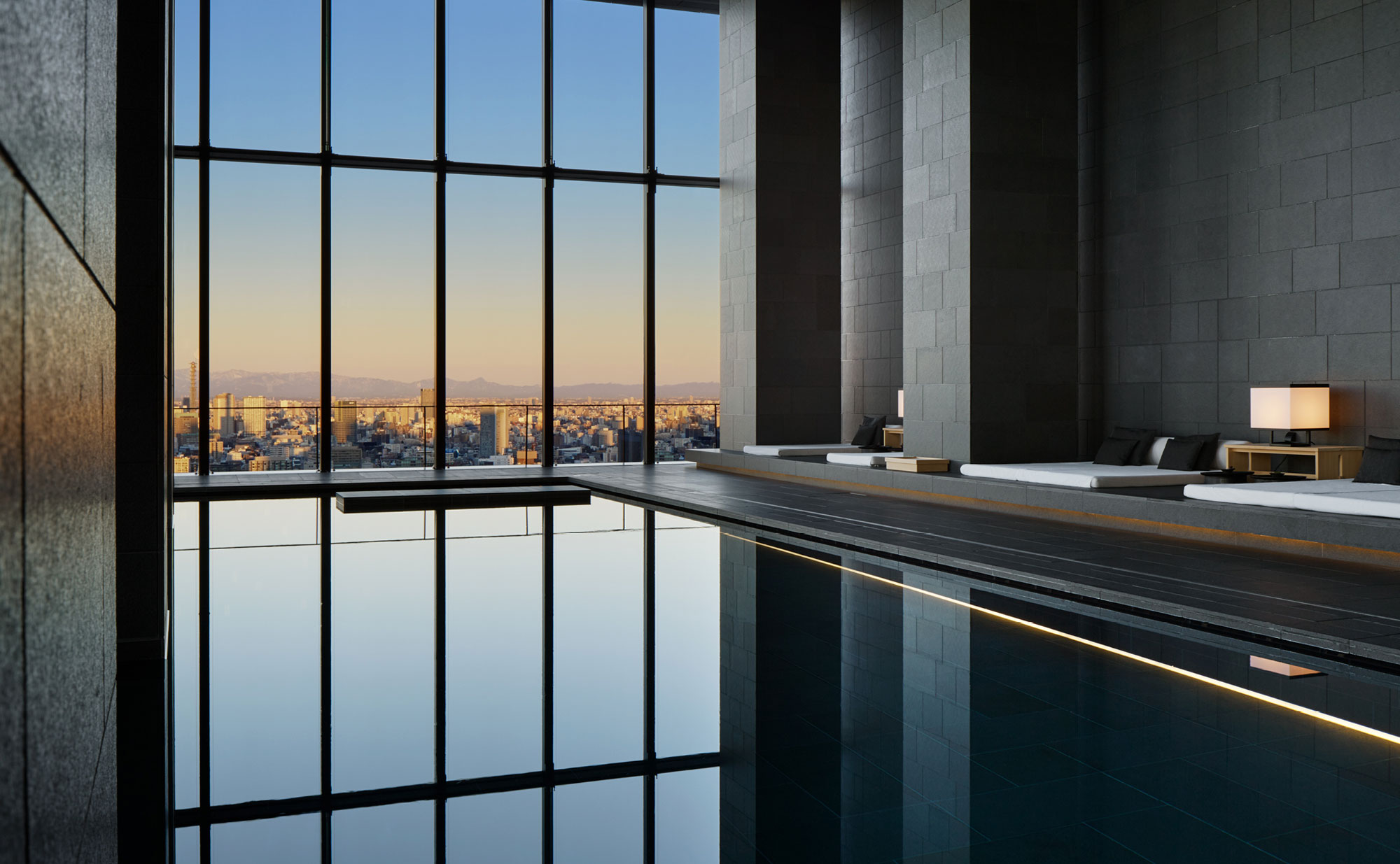
- Aman Tokyo — a stone garden 33 floors above Otemachi; still one of the world’s best urban hotels.
- Amangiri, Utah — the desert compound that turned Instagram into a booking channel.
- Aman Venice — Palazzo Papadopoli, private gardens on the Grand Canal.
Six Senses at its best
- Six Senses Bhutan — a five-lodge journey across the Himalayan kingdom.
- Six Senses Douro Valley — Portugal’s finest wine-country retreat.
- Six Senses Zil Pasyon, Seychelles — private-island wellness with dramatic granite scenery.
- Six Senses Ibiza — the brand’s answer to Mediterranean party-luxury done properly.
Loyalty and recognition
Aman has no points program. Repeat guests get recognized informally — the reservations team learns your patterns and quietly upgrades. Six Senses is part of IHG One Rewards since 2019, meaning you can earn and redeem IHG points on paid Six Senses stays and get Diamond Elite recognition (breakfast, upgrades, late checkout) at check-in. This is a real advantage for points-focused travelers.
Which one wins?
Aman wins for the milestone trip where the point is silence, architecture, and being left alone. Six Senses wins for the wellness reset, the family-friendly luxury week, and the trip where you want to leave feeling measurably better. If you can only pick one for 2026, and you’re between the two? Six Senses gives you more resort per dollar. Aman gives you the story.
See also: Aman vs Four Seasons and Aman vs Rosewood.
FAQ
Is Aman really worth double the price of Six Senses?
For architectural experiences (Aman Tokyo, Amangiri, Aman Venice) and for the “nobody talks to me” retreat, yes. For a wellness-focused week or a family trip, Six Senses is much better value.
Can I earn hotel points at Six Senses?
Yes. Six Senses is part of IHG One Rewards. You earn and can redeem points on paid stays, and Diamond Elite members get breakfast and upgrades. Aman has no points program.
Which brand is more family-friendly?
Six Senses. Most properties have kids’ clubs, family villas, and children’s wellness programming. Aman deliberately keeps things quiet — kids are welcome but not centered.
Which brand has the better spa?
Six Senses, by a clear margin. Wellness is core to the brand, with in-house doctors, sleep programs, and multi-day retreats. Aman’s wellness is excellent but not the point of the property.