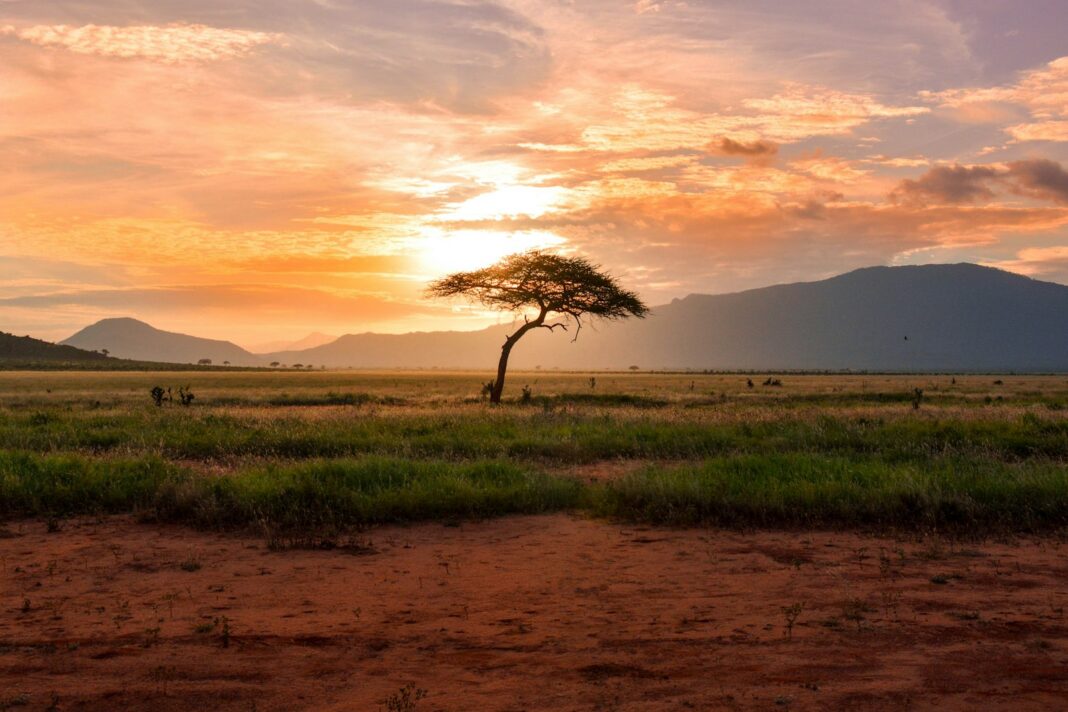

Tanzania is the dictionary definition of a luxury safari destination. The country contains the Serengeti, Ngorongoro Crater, Selous (now Nyerere National Park), Ruaha, and the Tarangire — five of Africa’s great wildlife ecosystems — and the lodges built within them have set the global standard for what a five-star safari experience looks like.
This guide ranks the 10 best luxury safari lodges in Tanzania for 2026, with real per-night pricing, what’s included in each rate, and the exact months you should visit each property.
How We Selected These Lodges
Every property here meets three criteria: (1) recognized by Travel + Leisure, Condé Nast Traveler, or Relais & Châteaux for sustained service excellence, (2) located inside or directly adjacent to a major wildlife area, and (3) offering all-inclusive rates that bundle guides, vehicles, drinks, and meals — the hallmark of a true luxury safari product.
The 10 Best Luxury Safari Lodges in Tanzania (2026)
1. Singita Sasakwa Lodge — Grumeti Reserve
Why it’s #1: Singita’s Edwardian-manor style lodge sits on a hill overlooking the 350,000-acre private Grumeti Reserve, adjacent to the western Serengeti. Twelve cottages, each with private pool, butler, and panoramic plains view.
Rate: $4,200–$6,800 per person, per night, all-inclusive (drinks, two daily game drives, laundry, private guide on request).
Best months: June–October (dry season, western migration corridor); December–March (calving season in Ndutu).
2. Four Seasons Safari Lodge Serengeti — Central Serengeti
Why it stands out: The only major-flag five-star resort inside the Serengeti National Park. 77 rooms with infinity pool overlooking a watering hole that elephants visit daily. Excellent for first-time safari travelers who want familiar service standards.
Rate: $1,800–$3,200 per person, per night, all-inclusive on the safari package.
Best months: Year-round, but June–October for predictable game viewing.
3. &Beyond Klein’s Camp — Northern Serengeti
Why it stands out: A private concession in the northern Serengeti, adjacent to the Mara River — peak migration crossing territory. Ten cottages, intimate atmosphere, walking safaris and night drives permitted (rare inside the park itself).
Rate: $1,950–$2,800 per person, per night, all-inclusive.
Best months: July–October for Mara River crossings.
4. Singita Faru Faru Lodge — Grumeti Reserve
Why it stands out: Singita’s contemporary-design sister property — nine glass-fronted suites stepped down a riverbank. More relaxed than Sasakwa, equally exceptional guiding.
Rate: $3,400–$5,200 per person, per night, all-inclusive.
Best months: June–October.
5. One Nature Nyaruswiga — Central Serengeti
Why it stands out: The newest entrant to the top tier, a Relais & Châteaux property with just 12 tented suites in the heart of the Seronera Valley — the densest year-round game-viewing area in the Serengeti.
Rate: $1,650–$2,400 per person, per night, all-inclusive.
Best months: Year-round wildlife concentration.
6. Asilia Namiri Plains — Eastern Serengeti
Why it stands out: The undisputed cheetah camp. Sits in a remote eastern corner of the Serengeti that was off-limits to tourism for 20 years to allow cheetah populations to recover. Ten tented suites, the most exclusive wildlife experience in Tanzania.
Rate: $1,750–$2,500 per person, per night, all-inclusive.
Best months: June–October, January–March.
7. The Highlands Ngorongoro — Ngorongoro Crater
Why it stands out: Eight geodesic dome suites on the rim of the Ngorongoro Crater. The architecture is unique in African safari, and crater descent is a 20-minute drive away.
Rate: $1,400–$2,100 per person, per night, all-inclusive.
Best months: Year-round (crater has resident wildlife always).
8. Sanctuary Ngorongoro Crater Camp — Ngorongoro
Why it stands out: The only mobile tented camp permitted on the Ngorongoro Crater floor. Falling asleep to lion calls inside the world’s largest intact volcanic caldera is unmatched in African safari.
Rate: $2,200–$3,100 per person, per night, all-inclusive.
Best months: July–March (camp closes during heavy rain).
9. Beho Beho — Nyerere National Park (Selous)
Why it stands out: Off the standard northern circuit, in Africa’s largest game reserve. Eight stone-and-thatch bandas with massive verandahs, hippo-filled river views, and walking safaris that are simply not possible in the busier northern parks.
Rate: $1,500–$2,200 per person, per night, all-inclusive.
Best months: June–October, late December.
10. Jabali Ridge — Ruaha National Park
Why it stands out: Asilia’s southern Tanzania flagship. Ruaha is Tanzania’s wildest park — massive lion prides, large elephant herds, and almost zero other vehicles. Eight suites tucked into a kopje of giant baobabs.
Rate: $1,400–$2,000 per person, per night, all-inclusive.
Best months: July–October.
When to Go: A Month-by-Month Guide
| Month | Where to Be | Why |
|---|---|---|
| January–March | Ndutu (southern Serengeti) | Calving season; ~8,000 wildebeest born per day at peak |
| April–May | Avoid (long rains) | Many camps close; deep discounts on those that stay open |
| June–July | Western/Central Serengeti | Migration moving north through Grumeti corridor |
| August–October | Northern Serengeti / Mara River | Peak migration river crossings |
| November | Central Serengeti, Ruaha | Short rains; lush, low-season pricing |
| December | Southern Serengeti, Ngorongoro | Migration returning south; holiday premium pricing |
The Singita vs. Four Seasons Question
It’s the most common comparison among first-time luxury safari travelers, and a useful proxy for the broader Tanzania lodge spectrum.
Singita is the artisanal, intimate, ultra-personalized end of the spectrum. Twelve cottages, private guides, no menus (the chef cooks what you want), and rates that reflect that scarcity. Best for travelers who’ve been on safari before and want the absolute pinnacle.
Four Seasons is the polished, brand-consistent, larger-resort experience. 77 rooms, kids’ programs, multiple restaurants, infinity pool overlooking the watering hole. Best for first-timers, multi-generational trips, or travelers who value Four Seasons program consistency.
Both are exceptional. Singita is a $5,000-per-night experience for $4,200; Four Seasons is a $2,500-per-night experience for $2,200.
How to Book a Luxury Tanzania Safari
Three booking paths, in order of typical traveler:
- Direct via the lodge group. Singita, &Beyond, and Asilia all accept direct bookings and run their own concierge teams. Cleanest path, no commission markup, but limited flexibility for multi-property itineraries.
- Via a specialist safari operator. Companies like Roar Africa, Cookson Adventures, and Yellow Zebra Safaris assemble multi-camp itineraries with private bush flights between properties. The right answer for first-time travelers and multi-camp trips.
- Via your travel advisor. A Virtuoso or Travel Leaders advisor can layer in benefits (room upgrades, complimentary game drives, early check-in) without changing the price.
What to Budget for a 7-Night Luxury Safari
A representative 7-night, two-camp Tanzania safari for a couple, including international flights, lodging, internal bush flights, and park fees:
- Entry luxury (Four Seasons + Highlands): $24,000–$32,000 for two
- Mid-luxury (&Beyond Klein’s + Highlands): $32,000–$42,000 for two
- Top luxury (Singita Sasakwa + Sanctuary Crater Camp): $58,000–$78,000 for two
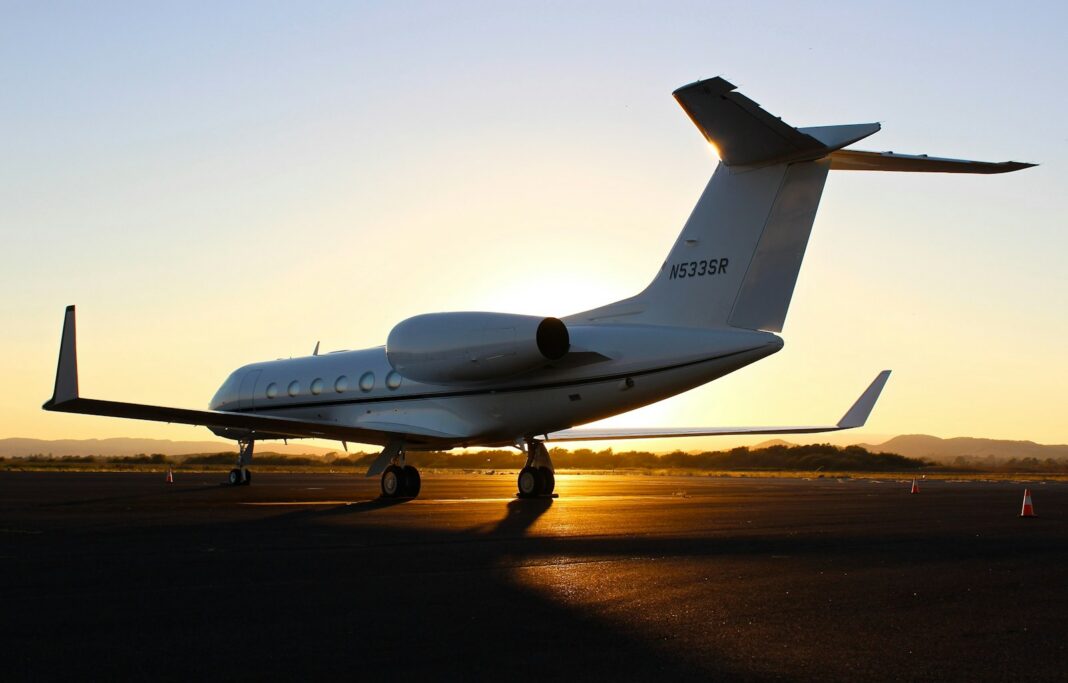
For travelers chartering a private jet to Tanzania, expect to add roughly $180,000–$260,000 for round-trip US–Arusha on a Gulfstream G450. Most luxury safari travelers fly commercial first or business class (Qatar Airways Doha–Kilimanjaro, KLM Amsterdam–Kilimanjaro, Emirates Dubai–Dar) and use bush flights or private charter within Tanzania.
Frequently Asked Questions
What’s the most luxurious safari lodge in Tanzania?
Singita Sasakwa Lodge, by consensus of the major travel publications and Travel + Leisure’s annual rankings. Singita’s three Grumeti properties — Sasakwa, Faru Faru, and Sabora — collectively define the top tier of African luxury safari.
Is a luxury safari in Tanzania worth the cost?
For most travelers, yes — but only if you’re willing to commit to 6+ nights. The internal logistics (bush flights, park fees, guide costs) mean a 3-night safari costs nearly the same as a 6-night safari per day. The marginal day of safari is dramatically cheaper than the first.
When is the cheapest time for a luxury Tanzania safari?
April–May (long rains). Lodge rates drop 30–50%, and weather isn’t always as bad as advertised. Game viewing in central Serengeti remains strong year-round.
How does Tanzania compare to Kenya for a luxury safari?
Kenya is more concentrated (the Maasai Mara is a fraction of the Serengeti’s size) and has stronger walking-safari infrastructure. Tanzania has the Serengeti, Ngorongoro Crater, and far less vehicle congestion at sightings. Most luxury travelers do both on separate trips.
The Bottom Line
Tanzania’s luxury safari product is the deepest in Africa, with options from $1,400-per-night intimate tented camps to $6,800-per-night private estates. Singita defines the top, Four Seasons defines the polished mid-tier, and Asilia owns the value-luxury intersection. Book 9–12 months ahead for peak migration months; 4–6 months is enough for shoulder season.
For specific itinerary help, the safari operators above all offer free consultations. Combine your safari with a few nights on Zanzibar for the classic Tanzania honeymoon arc.
Related reading: Private jet charter to Africa: cost guide · Aman vs Four Seasons