
Affiliate Disclosure: LUXGetaway may earn a commission from qualifying purchases or bookings made through links on this page, at no additional cost to you.
The best time to visit the Maldives is late November through April, when the northeast monsoon delivers dry, sunny days, calm seas, and the visibility on the reef that puts every Maldives photograph you’ve ever seen on Instagram. But the two-season simplicity of the archipelago hides a more interesting truth: prices swing by 40% or more between peak and shoulder, whale sharks and mantas are easiest to spot in the “wrong” season, and even the wet months rarely see more than an hour of afternoon rain a day.
This guide breaks down when to visit the Maldives by month, what the weather is actually doing, what you’ll pay at the top resorts, and the surprising windows most travelers miss.
The Two Seasons: Dry vs. Wet, Explained
The Maldives sits just north of the equator, and its climate is defined by two monsoons.
- Northeast monsoon (Iruvai) — December to April. This is the dry season. Trade winds come from the northeast, humidity drops, seas flatten, and visibility on the house reefs climbs to 30 metres or more. Rain is rare and brief.
- Southwest monsoon (Hulhangu) — May to November. The wet season. Winds shift, humidity rises, and short but heavy afternoon rains become common. Seas are choppier, especially in June and July.
What most travel guides won’t tell you: the wet season is not washed out. Rain in the Maldives arrives in bursts — a 45-minute downpour, then blue sky again. Total sunshine hours in July are still roughly 7 per day. What changes more meaningfully is water clarity, wind, and price.
The Best Time to Visit the Maldives, Month by Month
January — Peak Everything
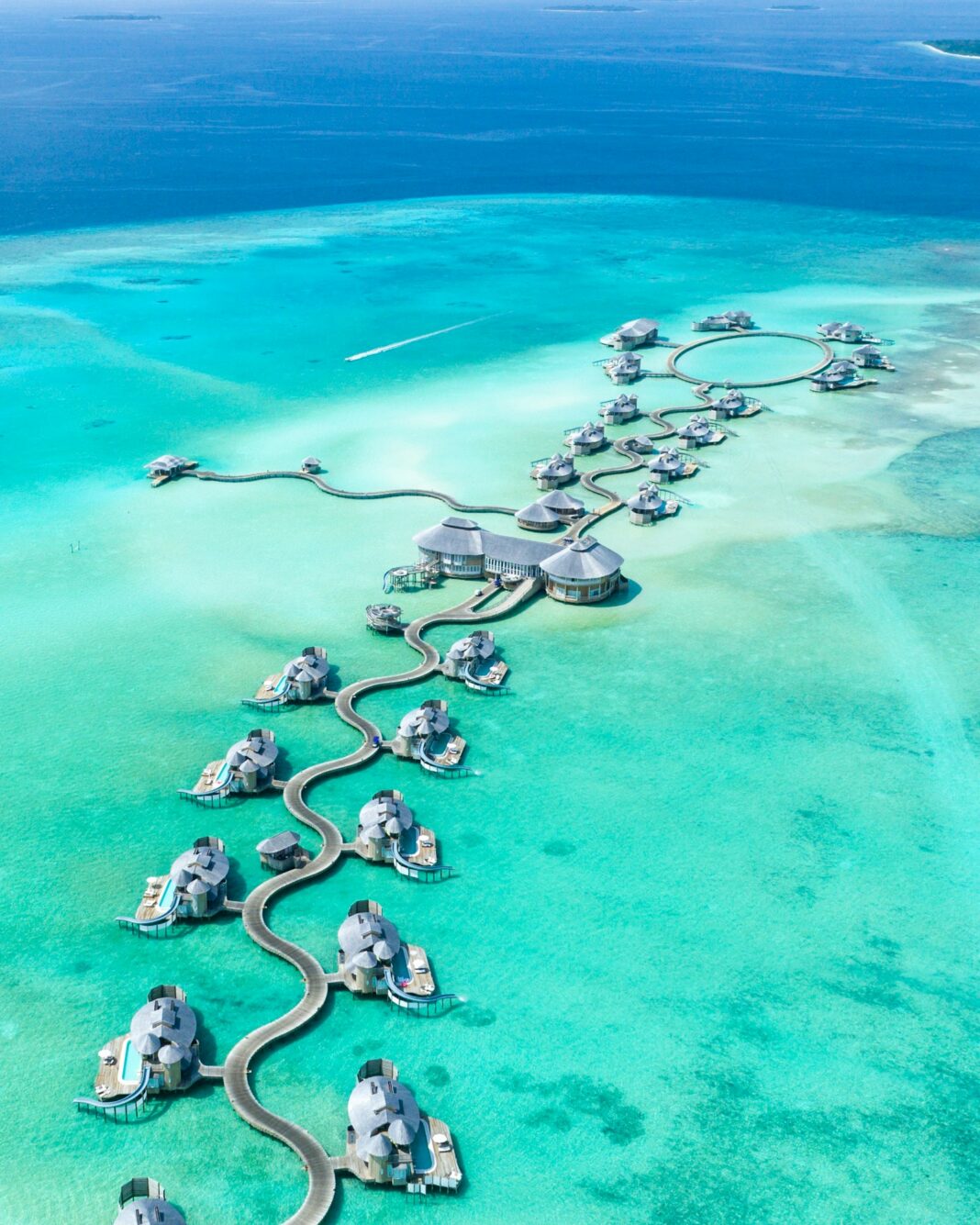
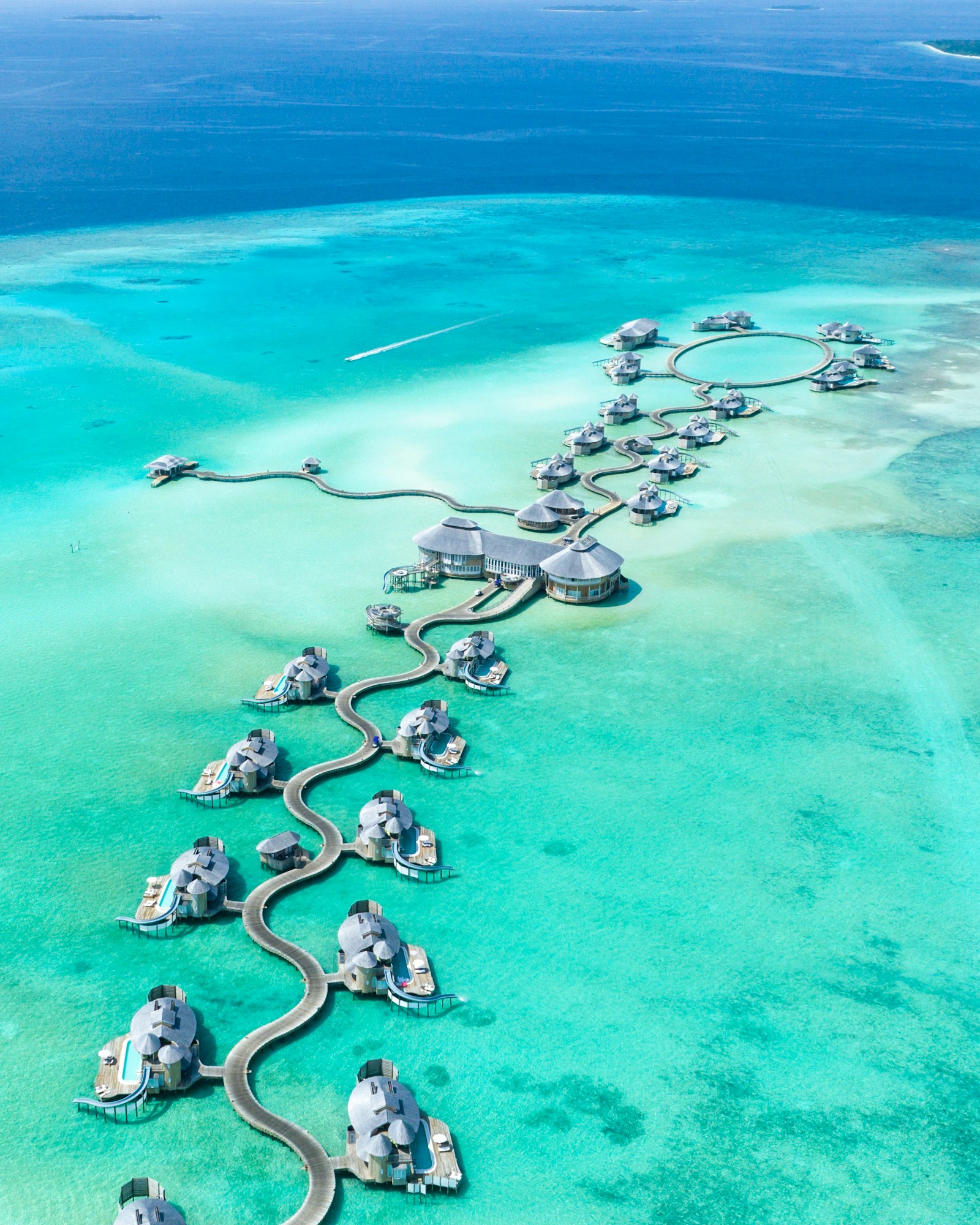
Peak dry season. Daytime highs of 29–30 °C, humidity below 75%, visibility on the house reef routinely above 30 m. This is also the most expensive month of the year — the top overwater villas at properties like Cheval Blanc Randheli, Soneva Jani, and the Waldorf Astoria Ithaafushi often list at $6,000–$12,000 per night, and even entry-level five-star resorts push $2,500+.
Book if: you want guaranteed weather and are honeymooning or celebrating something specific.
February — The Sweet Spot
Statistically the driest month in the archipelago, with the calmest seas of the year. Prices ease slightly from January’s peak, but this is still high season. February is when serious divers book — Hanifaru Bay closes to manta feeding until May, but visibility across the atolls is exceptional.
March — Warm and Clear
The last month of guaranteed dry weather before the seasons transition. Temperatures nudge to 31 °C, humidity climbs, and afternoon breezes drop off. Prices at most resorts stay near peak until mid-March, then begin to soften.
April — Shoulder Value Starts
This is the first big value window. The weather is essentially indistinguishable from March in the first half of the month, but resorts drop rates 15–25% as they enter shoulder season. Water temperature hits its annual high of 30 °C — spectacular for snorkeling, less pleasant for anyone hoping the ocean will cool them down.
May — The Transition Month
The southwest monsoon officially arrives. Rain increases sharply — expect 6–8 wet days across the month, mostly in short afternoon bursts. Rates drop another 20–30%. May is when Hanifaru Bay in the Baa Atoll begins its legendary manta ray congregation, one of the greatest marine spectacles on earth. If you want to swim with mantas and whale sharks, May is when you go.
June to August — Wet Season, Best Value
The rainiest and windiest stretch of the year, but also the cheapest. Expect afternoon squalls, choppier seas on the western side of atolls, and reduced visibility for diving. Rates at even the most exclusive resorts fall 30–45% below January. Families with school-age kids favor this window because it aligns with Northern Hemisphere summer holidays.
Pro tip: if you must travel in this window, choose a resort in the Baa or Raa atolls in the west, which see the strongest manta and whale-shark activity, or resorts on the eastern side of any atoll, which get more shelter from the prevailing wind.
September — The Cheapest Month
Statistically the wettest month, but the lowest-priced. If you’re willing to trade one afternoon of rain for a $4,000/night villa at $2,200/night, September is where the value lives. Manta activity peaks in the Baa Atoll.
October and November — The Turnaround
October is a genuine gamble — occasionally spectacular, occasionally soaked. November brings the return of trade winds and dropping humidity. By late November, seas flatten out, prices begin their climb back to peak, and the archipelago hits its stride again.
December — Back to Peak
Christmas and New Year weeks are the most expensive of the entire calendar. Most top resorts require 7-, 10-, or even 14-night minimum stays over the holidays, with premium villa rates 20–30% above their standard January price.
Best Time to Visit the Maldives for Specific Activities
- Honeymoon: Late January through mid-March. Best light, calmest seas, longest sunsets over the villa.
- Diving: February for visibility; May to November for manta and whale-shark encounters.
- Surfing: March to October, with the sweet spot in June to August at breaks like Chickens and Sultans in the North Malé Atoll.
- Value: Late April to early June, and mid-September to early November.
- Families: Late July to mid-August, aligning with school breaks; look for resorts with dedicated kids’ clubs and shallow reef entries.
How Much Prices Actually Move
To give real numbers: a beach villa at a leading five-star resort like Soneva Fushi that lists at roughly $3,600/night in January will typically fall to around $2,000/night in July, and closer to $1,700/night at the September floor. Overwater villas move more dramatically — the same resort’s Water Retreat category can swing from $8,500/night in peak to $4,800/night in wet season. Christmas and New Year weeks trade at 15–30% above peak.
If a specific resort matters to you, book 6–9 months out for peak dates. For wet-season stays, 2–3 months out is usually enough to get the villa category you want at the best rate.
Where to Stay Once You’ve Picked Your Window
Once you’ve decided when to go, the next question is where. Our guides to the best luxury hotels in the Maldives and the best Maldives overwater bungalow resorts break down the top private-island properties by atoll, villa category, and what each does best.
The Bottom Line
The best time to visit the Maldives is January through March if weather is non-negotiable. It’s late April, May, or late September through October if value is. And it’s June through August if you want a chance at swimming alongside a whale shark or a squadron of mantas. Whichever window you choose, the Maldives is one of the few destinations where the “off season” still delivers more than most beaches at their best.