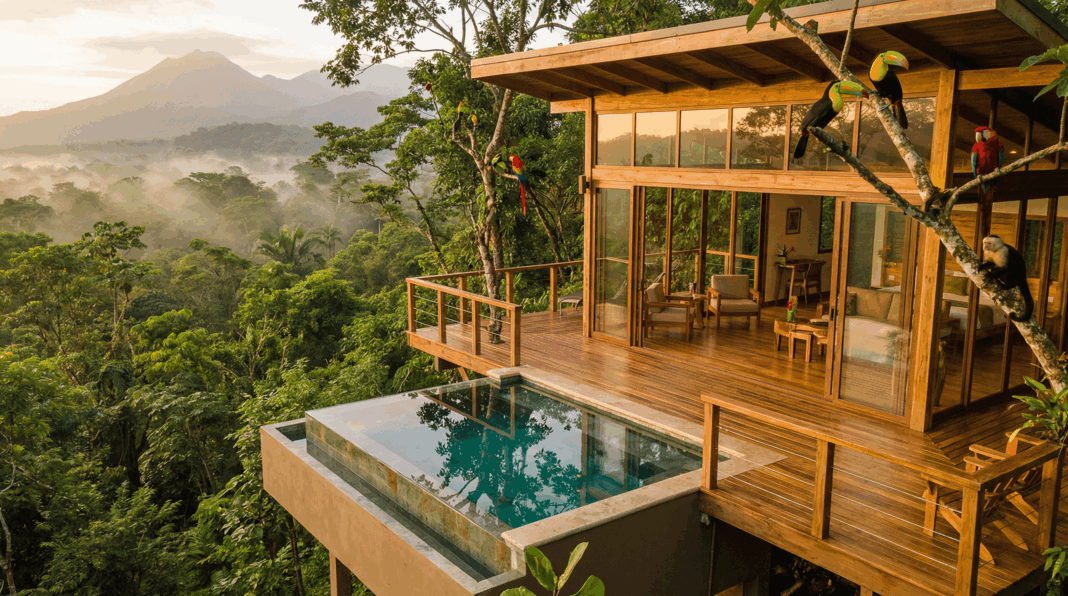

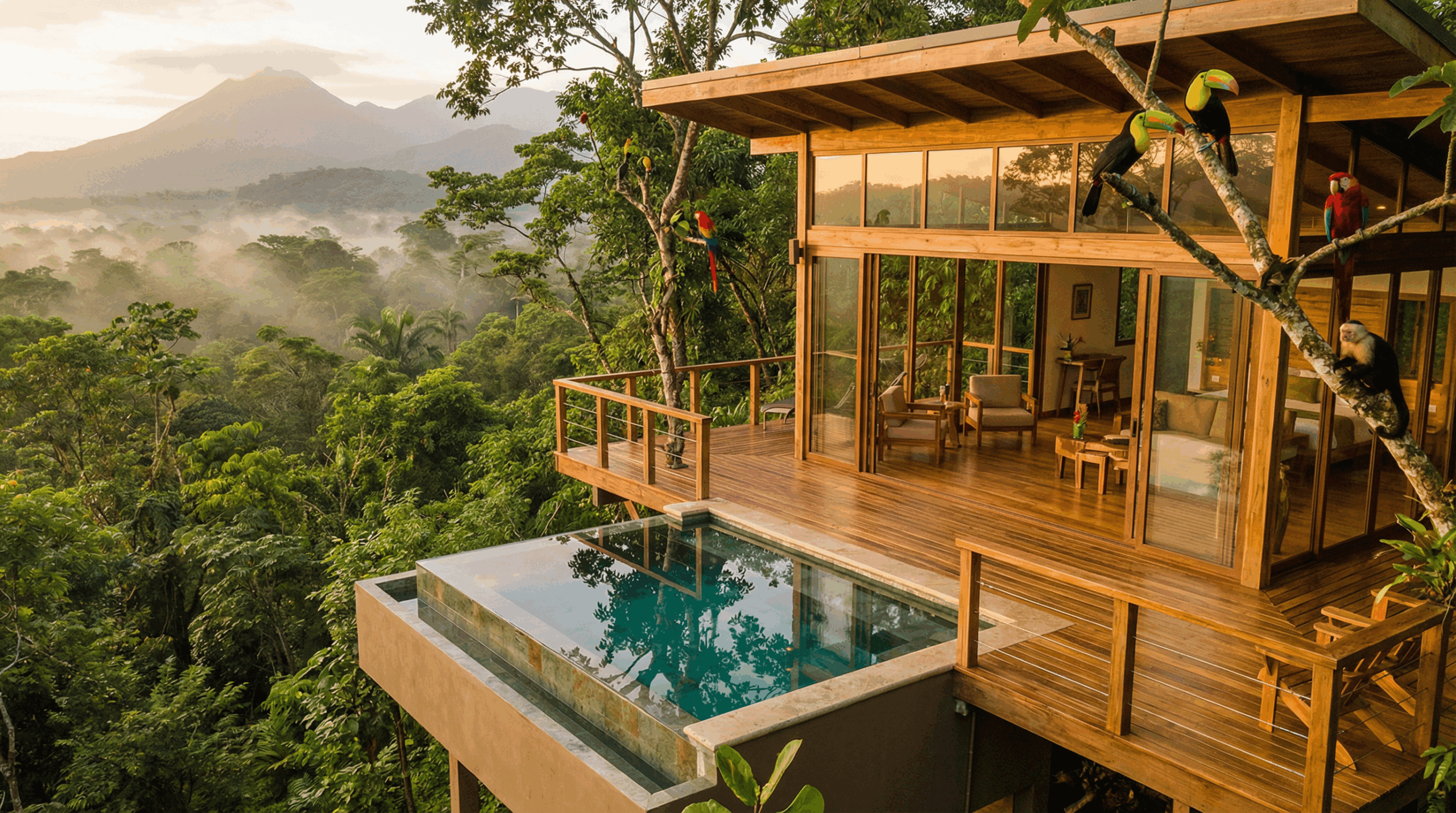
Costa Rica in 2026? Still the go-to spot for travelers who want their luxury with a big side of wild, unspoiled nature. Here, you can have it all—comfort, beauty, and the sense you’re doing right by the environment.
The country’s luxury eco-lodges don’t just set the bar for sustainable travel; they make sure you can unwind in style and leave the lightest possible footprint. It’s a delicate balance, but Costa Rica seems to pull it off with flair. For broader trip-planning context, our ultimate guide to luxury travel covers complementary destinations and frameworks.
Why choose a luxury eco lodge in Costa Rica? Well, for one, these places are as serious about the planet as they are about pampering their guests. You’re not just booking a fancy room—you’re stepping into a world where conservation is woven into everything.
There’s something special about waking up to birdsong, knowing your stay supports the rainforest rather than harming it. As more travelers weigh their impact, Costa Rica’s lodges show how responsible travel and real luxury can coexist.
1) Tortuga Lodge, Tortuguero National Park
Tortuga Lodge sits right on the banks of the Tortuguero River, surrounded by the kind of rainforest that feels almost primeval. It’s only accessible by boat, so getting there is half the adventure.
Wildlife is everywhere—howler monkeys, toucans, and all sorts of birds flit through the trees. The lodge’s eco-efficient air conditioning and glass doors mean you’re never far from nature, even when you’re inside.
Rooms are spacious and comfortable, and the open-air restaurant serves up river views alongside local cuisine. The lodge is Rainforest Alliance certified, so you know sustainability isn’t just a buzzword here.
You’ll find yourself exploring jungle canals one day and sipping cocktails by the water the next. For more, peek at Tortuga Lodge.
2) Lapa Rios Lodge, Osa Peninsula
Lapa Rios Lodge is tucked away on the Osa Peninsula, arguably Costa Rica’s wildest corner. It’s perched within a 1,000-acre private reserve—a haven for scarlet macaws, monkeys, and all manner of rainforest dwellers.
Rates start at around $900 per night, and yes, it’s definitely a splurge. But you’re paying for front-row seats to nature and a deep commitment to the planet.
The lodge holds a coveted Certification for Sustainable Tourism (CST) and has been a National Geographic Unique Lodge for years. Want wildlife? You’ll spot sloths, toucans, and maybe even a puma if you’re lucky.
Seventeen open-air bungalows, each with a private terrace and ocean view, let you soak it all in. Lapa Rios doesn’t just talk sustainability—they live it, from conservation programs to community involvement. Find out more at Lapa Rios Eco-Lodge.
3) Nayara Tented Camp, Arenal Volcano
Nayara Tented Camp brings safari-style luxury to the Arenal region, right on the edge of the rainforest. If you want to wake up to volcano views and the sound of tropical birds, this is your spot.
Nightly rates hover around $1,000, and it’s worth every penny for the privacy and wow-factor. The camp is part of the Nayara Resorts family, which holds the CST certification for sustainability.
Each tented suite has its own plunge pool fed by natural hot springs, plus a deck for wildlife watching. Expect to see tree frogs, toucans, and maybe an armadillo or two.
The camp’s eco-credentials are serious—solar power, reforestation, and support for local schools. It’s luxury with a conscience, and the tented suites somehow make it feel even more special.
4) Nekajui, a Ritz-Carlton Reserve, Guanacaste
Nekajui, a Ritz-Carlton Reserve, is the new kid on the block in Guanacaste and already making waves. It’s set in the Culebra Bay region, where dry forest meets the Pacific.
Nightly rates are steep, starting at $1,500, but you’re getting the Ritz-Carlton’s signature service wrapped in eco-friendly design. The property is working toward CST certification and has a strong focus on sustainable building and operations.
Wildlife? Think iguanas, monkeys, and rare birds, all just outside your suite. Nekajui’s standout features include private infinity pools and exclusive access to hidden beaches.
It’s undeniably luxurious, but there’s a real effort to blend into the landscape and give back to local communities. Not just another chain hotel—this one’s got soul.
5) Nayara Springs, Arenal Volcano
Nayara Springs is an adults-only hideaway in the lush Arenal rainforest. Each of the 35 villas comes with a private hot spring-fed plunge pool—honestly, it’s hard to leave your room.
Rates start at about $900 per night. The property has CST certification and is known for its strong conservation initiatives.
Wildlife is everywhere: you might spot a sloth on your way to breakfast or hear toucans calling at dusk. The spa, yoga pavilion, and two acclaimed restaurants round out the experience.
Nayara Springs manages to feel both exclusive and genuinely connected to the landscape. It’s a rare combination.
6) TreeHouse Lodge, Tortuguero
TreeHouse Lodge is for anyone who ever dreamed of sleeping in the treetops. Tucked in the Tortuguero jungle, it’s quirky, eco-friendly, and surprisingly comfortable.
Rates start at $400 per night, which feels fair for a private treehouse. The lodge is CST certified and uses reclaimed wood and solar power throughout.
Wake up to monkeys swinging by your balcony or parrots squawking overhead. Each treehouse is unique, with natural materials and open-air designs.
It’s a bit of an adventure, but that’s half the fun. If you want a stay that’s both memorable and sustainable, this is the place.
7) Kura Design Villas, Uvita
Kura Design Villas sits high above Uvita, where the rainforest meets the Pacific. It’s adults-only, sleek, and about as Instagrammable as it gets.
Nightly rates start at $1,000, and the resort is CST certified for its sustainability practices. The villas are minimalist but luxurious, with floor-to-ceiling glass and private terraces.
You’ll see toucans and maybe even whales from the infinity pool. The restaurant focuses on organic, local ingredients, and the vibe is pure relaxation.
Kura manages to be both cutting-edge and deeply respectful of its environment. Not an easy feat.
8) Hotel Punta Islita, Nicoya Peninsula
Hotel Punta Islita is tucked into the hills of the Nicoya Peninsula, overlooking the ocean. It’s a bit remote, but that’s part of its charm.
Rooms and villas start at $600 per night. The hotel holds CST certification and is big on community involvement and reforestation.
Wildlife here includes monkeys, iguanas, and plenty of birds. Guests can join turtle conservation projects or just relax in the spa.
It’s luxurious but never stuffy, with a real sense of place. The sunsets alone are worth the trip. Families weighing this kind of trip may also find our multigenerational family vacation planning guide useful.
9) El Silencio Lodge & Spa, Bajos del Toro
El Silencio Lodge & Spa is hidden in the cloud forests of Bajos del Toro. It’s a Relais & Châteaux property, so expect high standards and a touch of old-world charm.
Rates start at $700 per night. The lodge is CST certified and runs its own reforestation projects.
Wildlife encounters are frequent—think hummingbirds, butterflies, and maybe a tapir if you’re lucky. Private hot tubs and farm-to-table cuisine round out the experience.
It’s quiet, peaceful, and just a little bit magical. Perfect for those who want to unplug.
10) Makanda by the Sea, Manuel Antonio
Makanda by the Sea is perched above the Pacific, close to Manuel Antonio National Park. It’s adults-only and feels like a secret hideaway.
Nightly rates start at $700. The hotel is CST certified and has a strong focus on eco-friendly design and local sourcing.
Expect monkeys and sloths in the trees, and maybe a toucan or two. Villas come with private pools and ocean views.
The vibe is romantic and relaxed, with great food and a dreamy spa. It’s hard not to fall in love with the place. For travelers who would rather have the whole property handled, our best luxury all-inclusive resorts roundup is a useful next step.
What Defines a Luxury Eco Lodge in Costa Rica?
Luxury eco lodges in Costa Rica are all about finding that sweet spot between indulgence and responsibility. You get the creature comforts—think plunge pools, gourmet meals, and killer views—without the guilt.
Sustainability isn’t just a checkbox here. Lodges go big on solar panels, water recycling, and reforestation. Many are CST certified, which is about as official as it gets in Costa Rica’s green tourism world.
There’s a real focus on supporting local communities, too. From hiring locally to sourcing food and materials nearby, these lodges try to make sure everyone benefits.
In the end, it’s about more than just a fancy stay. It’s a chance to experience Costa Rica’s wild side, knowing you’re helping to protect it for the next traveler—or maybe even your future self.
Signature Luxury Amenities
Costa Rica’s luxury eco-lodges really know how to blend indulgence with wild beauty. You’ll find rooms or villas with sweeping rainforest or ocean views—sometimes both.
Private plunge pools, outdoor showers, and butler service? That’s pretty standard at this level. The food is a big draw too, with chefs leaning hard into local flavors and farm-to-table ingredients.
Spas here don’t just slap on a “natural” label. Many draw from indigenous wellness traditions, so treatments feel rooted in the place. It’s not unusual to have a massage surrounded by birdsong.
Most lodges offer private nature walks, yoga sessions, or whatever else helps you unplug. Every detail feels thought-out, but not in a way that makes you feel like you’re tiptoeing through a museum.
How Eco Lodges Support Conservation and Local Communities
These places aren’t just about plush linens and infinity pools. They’re putting real effort into protecting the land and the people who call it home.
Wildlife Preservation Efforts
Plenty of Costa Rica’s luxury eco-lodges are tucked into private reserves—Lapa Rios Lodge is a good example. It sits right in the Osa Peninsula’s rainforest, which is about as wild as it gets.
Solar panels, sustainable building—these aren’t just buzzwords. Lodges invest in real solutions to keep their footprint small.
Guided wildlife tours and educational programs are a big part of the experience. Guests get up close with the local flora and fauna, while their dollars help fund conservation.
Some lodges even team up with non-profits to protect threatened species or habitats. It’s not just about snapping photos of toucans; it’s about keeping them around for the next generation.
Engagement With Indigenous Cultures
Cultural connection matters here. Many lodges work with local and indigenous communities, hiring staff and supporting neighborhood economies.
There are often workshops or cultural nights where guests can meet artisans and try their hand at traditional crafts. Buying a handwoven basket or tasting food prepared the old way? It feels good knowing your vacation dollars are supporting real people.
Some places go further, backing projects that improve education or healthcare for their neighbors. It’s a two-way street: travelers get a richer experience, and the community benefits in tangible ways.
Frequently Asked Questions
If you’re eyeing Costa Rica’s luxury eco-lodges, you’re in for more than just a pretty room. These spots balance sustainability, style, and some wild experiences.
Which regions in Costa Rica offer the most exclusive luxury eco-lodges with standout wildlife and scenery?
The Osa Peninsula is a heavy hitter—think Lapa Rios Lodge surrounded by untamed rainforest and monkeys overhead. Arenal’s volcanic landscape is another favorite, and Manuel Antonio blends beaches with jungle.
What sustainability standards and certifications should I look for when booking a high-end eco-lodge in Costa Rica?
Look for the CST (Certification for Sustainable Tourism) badge. It’s the gold standard here. Properties like Nayara Springs and Nayara Tented Camp take it seriously, weaving sustainability into everything they do.
Which luxury eco-lodges deliver the best all-inclusive experience without compromising on local, seasonal cuisine?
Kura Design Villas is a standout for foodies, with menus that change based on what’s fresh and local. The best lodges don’t just talk about farm-to-table—they live it.
What should I budget per night for a truly luxury eco-lodge stay in Costa Rica, and what inclusions justify the rate?
Rates run from around $500 up to $1,500 a night. That usually covers all your meals, guided tours, and access to spa facilities. Kura Design Villas and similar spots justify the price with attentive service and off-the-charts amenities.
Which luxury eco-lodges are best suited for families, including multi-bedroom villas, kids’ programs, and easy logistics?
Lapa Rios Lodge is a solid pick for families, with spacious villas and activities for all ages. You’ll find programs for kids and logistics that don’t make parents want to pull their hair out.
Featured Luxury Eco-Lodges
Lapa Rios Lodge
Region: Osa Peninsula
Nightly Rate: $900–$1,300
Sustainability Certifications: CST, Rainforest Alliance
Wildlife Encounters: Scarlet macaws, monkeys, sloths, wild cats
Unique Features: Set in a 1,000-acre private reserve, open-air bungalows, guided wildlife hikes, family-friendly programs
Nayara Tented Camp
Region: Arenal
Nightly Rate: $1,000–$1,600
Sustainability Certifications: CST, Leading Hotels of the World Sustainability Leader
Wildlife Encounters: Tree frogs, toucans, armadillos
Unique Features: Luxury tents with volcano views, private plunge pools, on-site sloth sanctuary, immersive spa
Nekajui, a Ritz-Carlton Reserve
Region: Guanacaste (close to Manuel Antonio vibes)
Nightly Rate: $1,200–$2,000
Sustainability Certifications: LEED, local conservation partnerships
Wildlife Encounters: Howler monkeys, iguanas, sea turtles (seasonal)
Unique Features: Cliffside suites, curated cultural experiences, direct beach access, emphasis on local sourcing
Each of these lodges walks the line between high-end comfort and genuine eco-credentials. If you’re after a trip that feels both indulgent and responsible, you’ll find it here.
When is the best time to visit Costa Rica for ideal weather, fewer crowds, and prime wildlife viewing near eco-lodges?
Honestly, if you want Costa Rica at its best, aim for the dry season—December through April. That’s when the sun actually shows up and the rain takes a break.
You’ll get those bluebird skies, warm days, and, let’s be real, way fewer people crowding the trails or the breakfast buffet. Wildlife seems to be everywhere, especially near spots like Arenal Volcano.
It just feels easier to explore and actually relax.