
If you’re hoping to immerse yourself in Japanese culture, luxury ryokans are the ticket. These traditional inns wrap you in serene hospitality, blending centuries-old customs with a surprising dash of modern comfort.
You’ll find kaiseki meals that look as good as they taste, and onsen baths that melt away the world’s noise. It’s a whole vibe—part ritual, part indulgence.
1) Kinnotake Tonosawa, Hakone
Tucked away in the calm of Hakone, Kinnotake Tonosawa is an adults-only hideaway that feels worlds apart. The design leans into elegance and sophistication, and, honestly, it’s hard not to feel a bit spoiled here.
Each room comes with its own private open-air onsen bath. You just step in, slide the door shut, and let the mountain views and hot water do their thing.
The interiors balance contemporary style with those classic Japanese touches—think clean lines and a connection to the outdoors. The sense of freedom and peace is real.
Location-wise, you’re close to Hakone’s main sights, so you can explore by day and retreat in the evening. The dining? Expect refined Japanese cuisine, each dish as thoughtful as the setting.
There’s a shared lounge if you want to mingle, and a souvenir shop for a last-minute gift or two. Kinnotake Tonosawa manages to feel both modern and rooted in nature, which is no small feat in Hakone. More about Kinnotake Tonosawa.
2) Tawaraya Ryokan, Kyoto
Tawaraya Ryokan is the definition of old-school Kyoto hospitality. This place has been welcoming guests since 1709—imagine the stories those walls could tell.
The vibe is peaceful, almost meditative. Gardens weave through the property, inviting you to pause and breathe.
Inside, you’ll find tatami mats, sliding shoji doors, and an attention to detail that borders on obsession (in a good way). Service is personal—almost like visiting a distant, very refined relative.
Kaiseki meals here are an art form, each course reflecting Kyoto’s seasons. They’re served in your room, adding to the sense of privacy and ritual.
Notables like Steve Jobs have stayed here, and honestly, you feel the weight of history in every corner. It’s a classic, and for good reason.
3) Gora Kadan, Hakone
Gora Kadan is a jewel in Hakone, built on the grounds of the former Kan’in-no-miya Villa—yes, the Imperial Family’s old stomping grounds. The place radiates understated luxury.
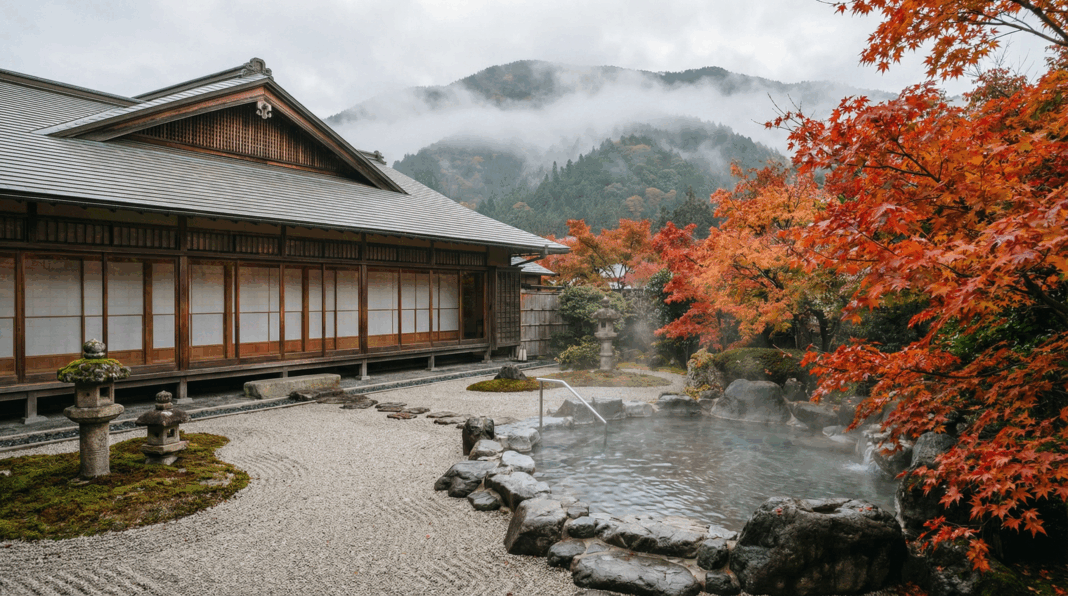
Onsen bathing here is something else. The hot springs are natural, and the baths (private and communal) are designed with a reverence for tradition.
Rooms blend tatami floors with modern design. It never feels stiff or museum-like; it’s more like a living homage.
The kaiseki dining is a highlight, with seasonal ingredients showcased in ever-changing menus. You can tell the chefs care deeply about every detail.
Mountain views add to the magic, and the location is perfect for exploring Hakone. Gora Kadan isn’t just a place to sleep—it’s an experience that lingers long after you leave.
4) Hiiragiya Ryokan, Kyoto
Hiiragiya Ryokan sits quietly in central Kyoto, its doors open since 1818. The place is steeped in heritage, yet it never feels stuck in the past.
There are 28 rooms, each with its own personality. Expect tatami floors, low furniture, and sliding doors. Some suites even have lacquered bathrooms—a little touch of luxury.
The main building is all about that classic sukiya style, while the newer wing mixes in some modern flair. It’s a peaceful spot, great for unwinding after a day in the city.
Service is famously attentive, and the seasonal kaiseki cuisine is a big draw. Every meal is a little celebration of what’s fresh and local.
5) Hoshinoya Kyoto
Hoshinoya Kyoto is tucked along the Hozu River in Arashiyama, a pocket of calm away from the city’s rush. Each room faces the river, so you’re never far from nature.
The architecture nods to Kyoto’s Machiya townhouses, with shoji screens and verandas that overlook the water. It’s traditional, but you won’t miss out on comfort.
Dining is all about kaiseki, with menus built around local, seasonal ingredients. Meals feel intimate and purposeful—definitely not your average dinner.
Getting here is half the fun: a private boat ride from Togetsukyo Bridge sets the tone for a truly secluded escape. Check out Hoshinoya Kyoto.
6) Beniya Mukayu, Kaga
Beniya Mukayu sits on a hill above Yamashiro Onsen town in Kaga. It’s all about minimalism and nature—think light, shadow, and lots of quiet.
Rooms come with private open-air hot spring baths and views of a Japanese garden. The design mixes tatami and shoji screens with modern touches, creating a space that feels both timeless and fresh.
You’ll notice the thoughtful details everywhere, from the architecture to the way the gardens are curated. It’s a place that invites you to slow down, maybe even reflect a little.
Unique experiences, like garden walks and local cuisine, let you dig into Kaga’s culture. Beniya Mukayu feels less like a hotel and more like a sanctuary. More details here.
7) Ryokan Sawanoya, Tokyo
Ryokan Sawanoya is a gem in Tokyo’s Yanaka district, a quieter corner of the city. It’s family-run, and that warmth really shows.
Rooms are tatami-floored and cozy. Some have ensuite baths, others share facilities, so you can pick what suits you.
The location is great for exploring Ueno Park and old Tokyo neighborhoods. There’s a real sense of community here, and guests from all walks of life are welcome.
Tea and coffee in the lounge, friendly chats, and a low-key vibe make Sawanoya a favorite for travelers who want something genuine. More on Sawanoya.
8) Kikunoi Honten, Kyoto
Kikunoi Honten is a Kyoto institution, revered for its kaiseki dining. The kitchen here is legendary—each dish is a small work of art.
Seasonality is everything. The menu changes constantly, so you’re always tasting something new and fresh.
The setting is elegant but never stuffy. Traditional design meets a touch of modern luxury, making it a place you’ll want to linger.
If you’re after a deep dive into Kyoto’s food culture, Kikunoi Honten is essential. See more at their website.
9) Nishimuraya Honkan, Kinosaki Onsen
Nishimuraya Honkan sits in Kinosaki Onsen, a town famous for its hot springs. The ryokan’s gardens are tranquil, perfect for a slow stroll or a moment of reflection.
Rooms are classic: tatami mats, simple elegance, and a sense of calm. Both communal and private onsen baths are available, fed by springs that have soothed travelers for over a millennium.
Kaiseki meals are a highlight, with ingredients pulled from the local area. The ryokan’s reputation is solid, and it’s part of the Relais & Châteaux group—a mark of quality if there ever was one.
It’s a top pick for anyone wanting the full onsen town experience. Learn more here.
10) Yoshikawa Inn, Takayama
Yoshikawa Inn in Takayama is all about blending tradition with comfort. It’s right in the heart of town, close to the old Edo district, so you can step out and explore with ease.
Rooms come in both Japanese and Western styles. The gardens are peaceful, and you’ll find yourself drawn to the quiet corners.
Onsen baths here are central to the experience—just relax and let the day fade away. Kaiseki meals showcase Takayama’s best local flavors.
Yoshikawa Inn is a solid choice for travelers who want a little luxury with their cultural immersion. More info here.
What Defines a Luxury Ryokan Experience
Luxury ryokans in Japan are really about the details—architecture that soothes, service that feels personal, and rooms that invite you to slow down.
It’s not just a place to stay, but an invitation to experience Japanese culture from the inside out.
Onsen & Ryokan Etiquette Tips
A few things to keep in mind: Always remove your shoes before entering guest areas. When using the onsen, wash thoroughly before getting in, and don’t bring towels into the water. Tattoos can sometimes be an issue, so check ahead.
Kaiseki dinners are usually served at set times, and it’s polite to wear the provided yukata robe to meals and around the inn. Try to keep voices low in communal spaces—these places are all about tranquility.
If you’re unsure, just watch what others do or ask the staff—they’re usually happy to help. The rituals might seem daunting at first, but that’s part of what makes the experience so memorable.
Architectural Elegance and Japanese Design
A hallmark of luxury ryokans is their architectural elegance, rooted in traditional Japanese design principles. You’ll see tatami mat flooring, sliding shoji screens, and minimalist interiors that just ooze calm and harmony.
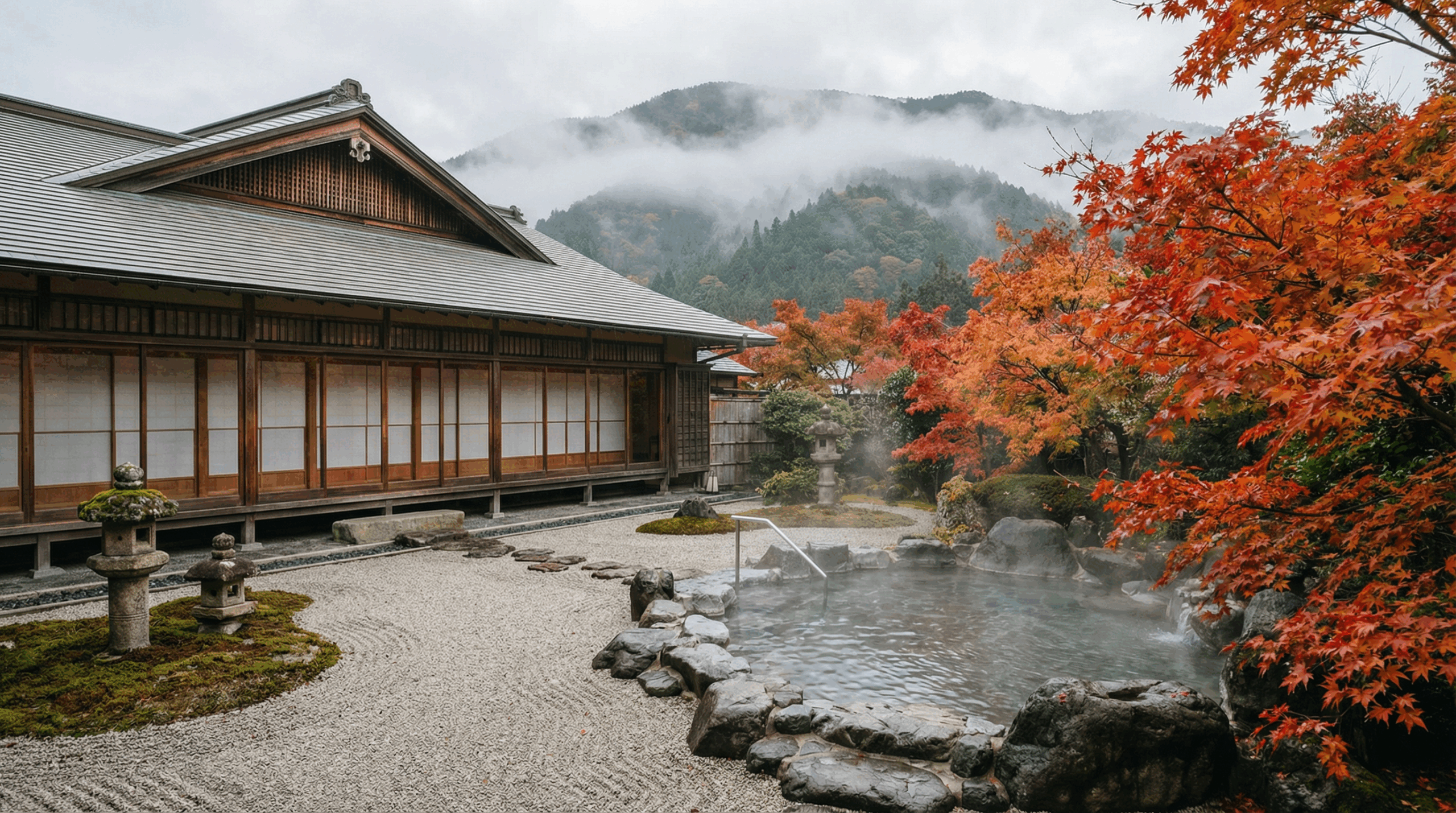
Natural materials—wood, stone, even bamboo—are everywhere, connecting you to the landscape in a way that feels intentional. Ryokans are usually tucked into scenic spots, with views of gardens, mountains, or steaming hot springs just outside.
The architecture is all about framing those vistas, blurring the line between indoors and out. It’s not just for show; it’s about atmosphere and that elusive sense of peace.
Every detail matters. Intricate woodwork, soft lighting, and clever layouts elevate the whole experience, making the space feel refined but not fussy.
Personalized Omotenashi Service
Omotenashi—the spirit of selfless hospitality—sits at the heart of the luxury ryokan experience. Staff seem to anticipate your needs before you even realize them, offering warmth and attentiveness without hovering.
From your first step inside, you’re greeted with genuine smiles and little gestures that make you feel noticed. It’s not uncommon to be invited to a sake tasting or a proper tea ceremony, each one offering a window into Japanese culture.
Kaiseki dining is another highlight. Meals are tailored to your tastes, with every course presented like a tiny work of art. It’s not just about food, it’s about feeling cared for.
In-Room Amenities and Tranquility
Rooms at luxury ryokans are designed for real relaxation. Think plush futons, crisp linens, and those fragrant yukatas you won’t want to take off.
Many have private onsen baths, so you can soak in mineral-rich waters without leaving your room. The vibe is intentionally peaceful—soft lights, maybe a bit of birdsong or the trickle of water outside.
Technology is there if you need it, but it never intrudes. Sometimes you’ll find fresh flowers or handmade sweets waiting for you—a small but memorable touch.
Cultural and Culinary Highlights in Japanese Ryokans
Ryokans are a gateway to Japanese culture and cuisine. Kaiseki feasts, private onsen rituals, and tea ceremonies all play their part in making a stay unforgettable.
Kaiseki Dining and Seasonal Cuisine
Kaiseki is more than a meal—it’s a slow, thoughtful journey through flavors and textures. Each course is tiny but packed with seasonal ingredients, arranged with a kind of quiet artistry.
You’ll get everything from grilled to raw, with colors and plating that almost make you hesitate to eat. It’s not just about taste; it’s about celebrating nature and the shifting seasons.
Chefs put serious care into every detail, crafting a meal that feels like an intimate reflection of time and place. Sometimes you’ll catch yourself marveling at how much work went into a single bite.
Private Onsen Rituals and Wellness
Nothing says ryokan like slipping into an onsen. These mineral-rich baths are the stuff of legend—relaxing, restorative, and deeply tied to Japanese wellness traditions.
Most top ryokans are built near natural hot springs, so the water itself is part of the draw. Privacy is a big deal too: many offer private baths so you can unwind solo or with a partner, no interruptions.
The ritual usually starts with a cleansing shower, then a slow soak that melts away stress. People swear by the healing powers of the water, and honestly, it’s hard to argue once you’ve tried it.
Traditional Tea Ceremonies
Participating in a tea ceremony at a ryokan is like stepping into another era. Guided by a tea master, you’ll watch as matcha is whisked and served with deliberate care.
Everything—the cups, the gestures, the silence—carries meaning. It’s not about the caffeine; it’s about mindfulness, respect, and being present in the moment.
There’s something meditative about it. Even if you’re not a tea person, the ritual leaves an impression. It’s a quiet reminder of the depth of Japanese culture.
Three Exceptional Luxury Ryokans in Japan
Beniya Mukayu
- Location: Yamashiro Onsen, Ishikawa Prefecture
- Nightly Rate: From ¥80,000 (~$550 USD) per person
- Onsen Type: Private and communal baths
- Kaiseki Dining: Yes, with seasonal, locally sourced menus
Beniya Mukayu sits on a forested hillside, and the architecture feels almost monastic—minimalist, but with big windows that frame the trees outside. The private open-air onsen baths in each room are a real treat, especially when the mist rolls in.
Their kaiseki dinners are inventive, leaning on local Kaga ingredients. There’s a sense of quiet luxury here that’s hard to put into words—maybe it’s the way the staff seem to appear just when you need them, or the hush that settles over the property at night.
Gora Kadan
- Location: Hakone, Kanagawa Prefecture
- Nightly Rate: From ¥100,000 (~$700 USD) per person
- Onsen Type: Private and communal baths
- Kaiseki Dining: Yes, with refined seasonal courses
Gora Kadan used to be a former imperial retreat, and you can feel the history in every hallway. The mix of traditional and modern design is seamless, and the gardens are meticulously kept.
Private onsen baths are available in many rooms, and the kaiseki meals are as beautiful as they are delicious. Service is discreet but attentive, and the whole place radiates a kind of elegant calm.
Hoshi Onsen Chojukan
- Location: Minakami, Gunma Prefecture
- Nightly Rate: From ¥30,000 (~$200 USD) per person
- Onsen Type: Communal and some private baths
- Kaiseki Dining: Yes, featuring regional mountain cuisine
Hoshi Onsen is one of the oldest ryokans in Japan, tucked away in the mountains. The main bathhouse has a rustic, almost magical vibe—think wooden beams, lantern light, and the sound of water echoing off the stones.
Meals here focus on hearty, local fare. It’s less polished than some luxury ryokans, but the sense of history and authenticity is unmatched. It’s a place for those who want to step back in time and experience something truly special.
Etiquette Tips for Ryokan Stays
There are a few things to keep in mind to avoid any faux pas. Take off your shoes at the entrance—always. You’ll usually change into slippers provided by the ryokan.
When using the onsen, wash thoroughly before entering the bath, and don’t bring towels into the water. Tattoos can be an issue at some places, so it’s best to check ahead.
Meals are often served at set times, and it’s polite to arrive promptly. Don’t be afraid to ask questions—staff are usually happy to explain customs or help you navigate the experience.
Most of all, try to embrace the slower pace and quiet. Ryokans are about stepping away from the rush and letting yourself sink into the moment.
Frequently Asked Questions
Luxury ryokans in Japan offer impeccable service, exquisite dining, and unique bathing experiences. Understanding the details of top ryokans, dining expectations, and pertinent etiquette ensures a memorable stay.
Which ryokans in Japan offer the most refined, high-touch service for discerning travelers?
Discerning travelers will find exceptional service at establishments like Gôra Kadan in Hakone and Tawaraya Ryokan in Kyoto. These ryokans are renowned for their meticulous attention to detail and personalized hospitality, ensuring that every guest feels valued and pampered.
What should I expect from a top-tier kaiseki dinner and traditional Japanese breakfast at an upscale ryokan?
At luxury ryokans, guests can anticipate kaiseki dinners that consist of multiple courses highlighting seasonal and local ingredients. The presentation is often as artful as it is delicious. A traditional Japanese breakfast usually features rice, grilled fish, miso soup, and an assortment of small side dishes, all prepared with the same commitment to quality and flavor.
Which luxury ryokans have private in-room onsen baths, and what are the key differences between them?
Many high-end ryokans, such as Kinnotake Tonosawa in Hakone and Hoshinoya Kyoto, offer private in-room onsen baths. The key differences often lie in the design and setting, with some offering more modern aesthetics while others maintain a traditional ambiance, offering views of gardens or natural landscapes.
How do I choose between a classic, historic ryokan like Tawaraya and a contemporary luxury ryokan?
Choosing between a historic ryokan and a contemporary one depends on the traveler’s preference for tradition versus modernity. Tawaraya Ryokan offers a rich history and traditional experience with tatami mats and paper screen doors, while contemporary luxury ryokans blend modern design sensibilities with traditional elements, providing a different type of luxury.
Where are the best destinations for an exceptional ryokan stay—Kyoto, Hakone, Kinosaki, or the Japanese Alps?
Each location offers a unique appeal. Kyoto is famed for its historic ryokans and proximity to cultural sites. Hakone’s allure lies in its stunning views of Mount Fuji and hot spring baths. Kinosaki is celebrated for its onsen town charm, and the Japanese Alps offer an escape into serene natural beauty, ideal for those seeking tranquility.
What are the essential etiquette rules for a seamless, respectful ryokan and onsen experience?
First things first: shoes off at the entrance. Always.
Slip into the yukata robe they provide—don’t worry if you’re not sure how, staff are happy to help.
Before stepping into the onsen, wash up thoroughly at the shower stations. This isn’t optional; it’s a sign of respect for everyone sharing the water.
Keep your voice down. Ryokans are peaceful escapes, and nobody wants loud chatter echoing off the walls.
If staff offer specific instructions, just go with it. They know what they’re doing.
Above all, be mindful of others’ privacy and space. That’s really the heart of the whole experience.
Book Your Luxury Ryokan in Japan
Experience Japan’s finest traditional inns — from Kyoto’s historic Tawaraya to Hakone’s mountain onsen retreats. Compare ryokan availability, read verified guest reviews, and book your authentic Japanese escape today.
Find Luxury Ryokans → Compare on Agoda →Affiliate links: We may earn a commission at no extra cost to you.