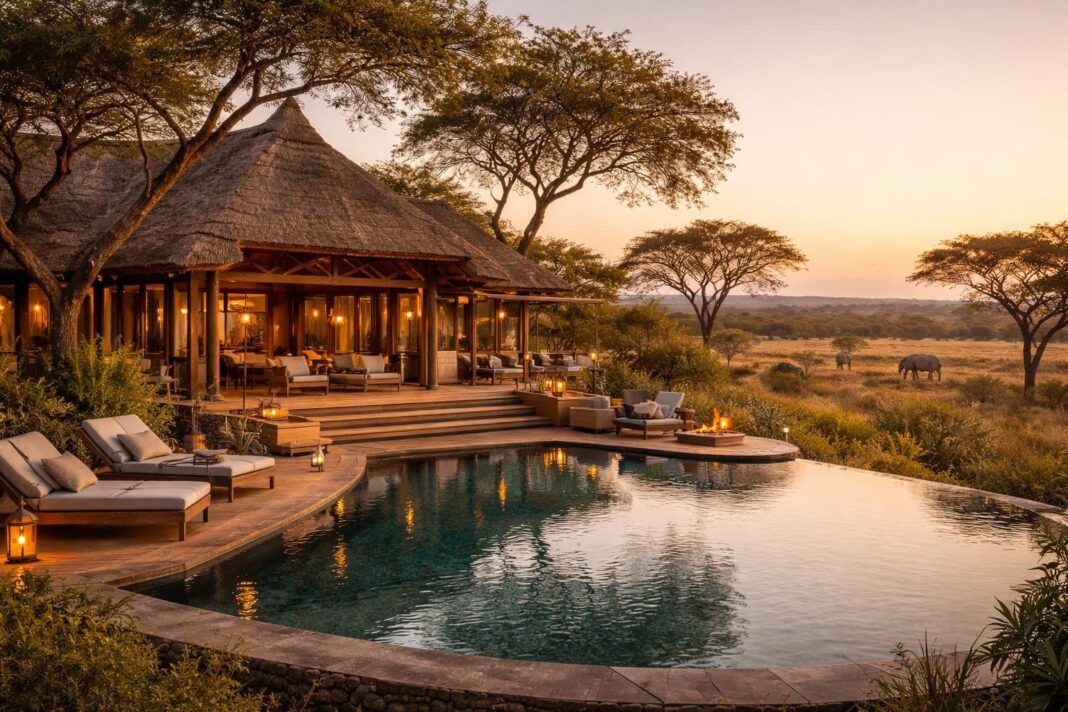

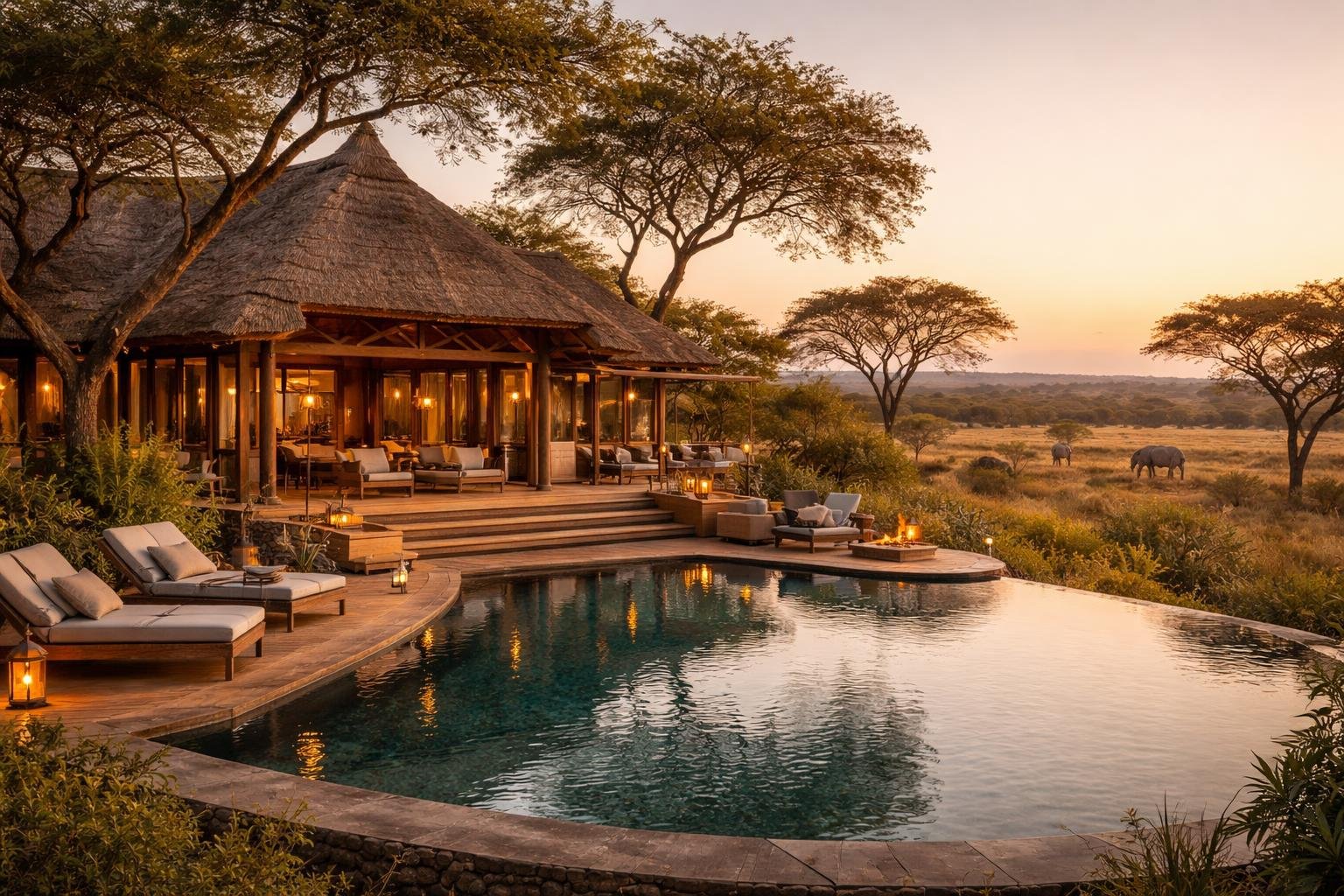
You can find luxury safari lodges across Africa that pair exceptional wildlife viewing with high-end comfort, personalized service, and private settings that let you focus on the animals and the landscape. If you want a safari that feels effortless and immersive—think private guides, gourmet meals, and rooms that open onto waterholes or savanna—these lodges deliver that experience while placing you inside iconic parks and conservancies. For broader trip planning context, see our ultimate guide to luxury travel.
This article will guide you through top-rated properties, standout features like exclusive camps and riverside suites, regional recommendations, and how to choose a lodge that matches your priorities for wildlife encounters, sustainability, and comfort. Expect practical comparisons and clear examples so you can pick a lodge that fits your travel style and expectations. Bringing the whole family along? Our multigenerational family vacation planning guide is a useful companion read.
Top-Rated Luxury Safari Lodges in Africa
These lodges deliver exceptional wildlife encounters, immaculate service, and accommodations that blend comfort with place. Expect private game drives, expert guides, and dining that highlights local ingredients.
Singita Sabi Sand
Singita Sabi Sand sits inside the Sabi Sand Game Reserve, bordering Kruger National Park, and excels at close-up leopard sightings. You’ll stay in spacious suites or villas with private plunge pools and floor-to-ceiling glass walls that maximize game-viewing from your room.
Guiding focuses on tracking and photographic safaris; professional guides and trackers work together so you see predators and learn animal behavior. Conservation funding and community projects are core to the lodge’s operations, so your stay supports habitat protection and local employment.
Expect refined South African cuisine, tailored wellness treatments, and a lodge team that arranges private drives, bush breakfasts, and after-dark spotlighting. Rooms book out well in peak season, so reserve early if you want a specific villa or guide.
Royal Malewane
Royal Malewane occupies a private concession in Thornybush and emphasizes exclusivity and classic safari style. You’ll find high-ceilinged suites, polished antiques, and attentive but discreet service that suits travelers seeking privacy and luxury.
Game activities focus on big-cat viewing and bespoke experiences such as photographic safaris, tracking walks, and night drives. Guides are highly experienced; trackers read spoor to position you for ambush-predator sightings and to explain ecosystem dynamics in plain language.
Dining highlights local and seasonal ingredients served with South African wine pairings. Add-on experiences include helicopter transfers and gallery-style conservation briefings that explain how tourism funds anti-poaching and community initiatives.
andBeyond Ngorongoro Crater Lodge
andBeyond Ngorongoro Crater Lodge perches on the crater rim in northern Tanzania, offering dramatic views over the Ngorongoro Crater floor. You’ll wake to panoramic vistas and reach crater game-viewing within minutes for dense wildlife sightings concentrated on a small area.
Accommodations feature opulent tented suites with African design motifs and terraces that look directly into the crater. Guides provide crater-level drives where you can reliably see black rhino, hippo, and large herbivore herds alongside predators.
Service blends Maasai cultural interactions, locally inspired cuisine, and conservation briefings focused on protecting endemic species. Security and transport logistics are tightly managed because the lodge sits inside a UNESCO World Heritage site with strict access rules.
Mombo Camp
Mombo Camp sits on Chief’s Island in the Okavango Delta and is renowned for high predator densities and exceptional birdlife. You’ll be based close to seasonal floodplains, giving you front-row access to hunting lions, leopards, and prolific elephant encounters.
Tented or stone-and-thatch suites place you near river channels; many suites include private viewing decks and plunge pools. Guides emphasize flexible, game-driven itineraries—early morning and late-afternoon drives capitalize on predator activity and changing light for photography.
Mombo’s conservation model includes research collaborations and community outreach; meals highlight regional flavors prepared with international technique. Availability is limited by a small number of suites, so plan dates well in advance to secure peak-season windows.
Unique Features of Exclusive Safari Lodges
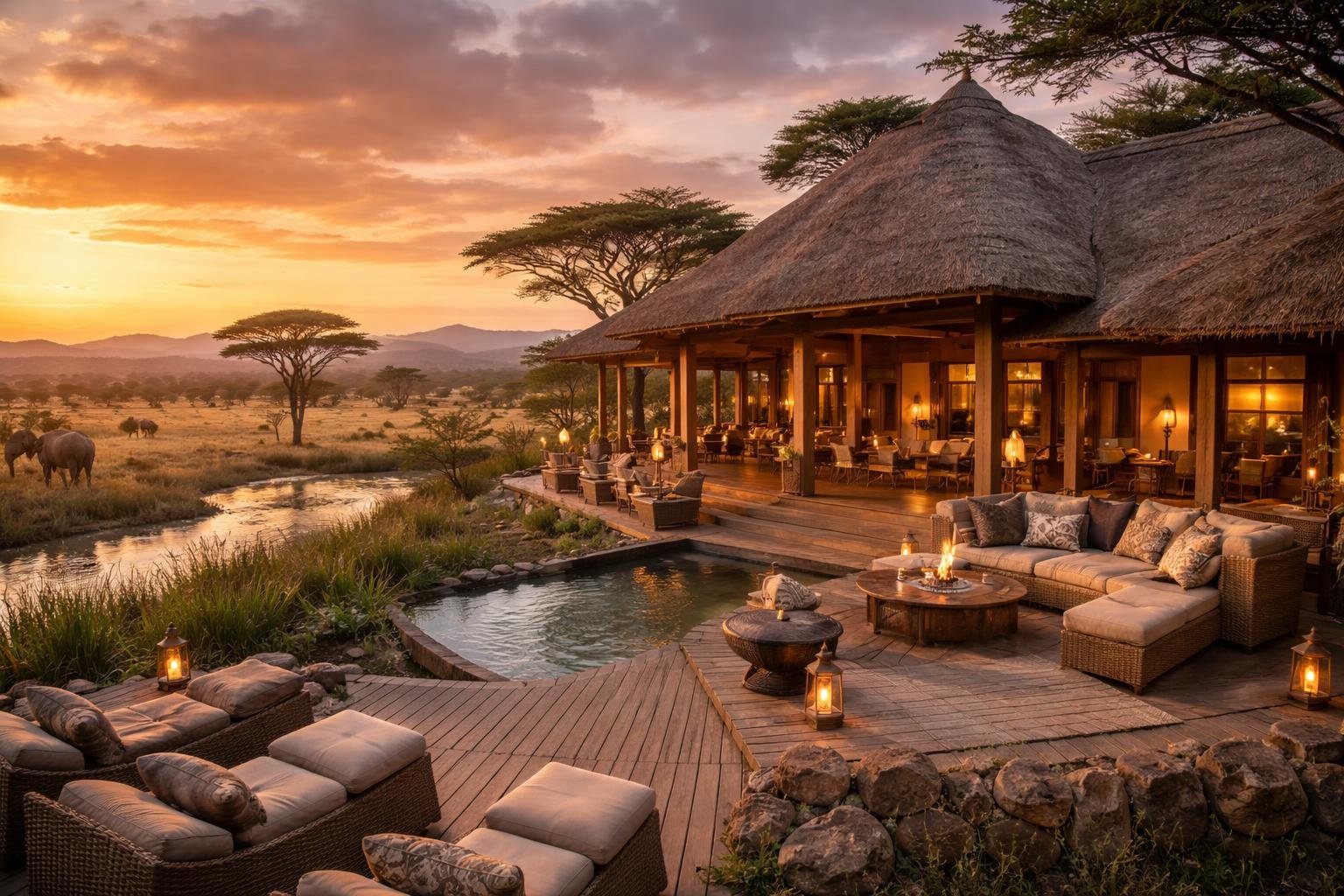
You can expect highly curated wildlife access, individualized service, and elevated cuisine designed around local ingredients and guest preferences. These lodges pair privacy and expert guides with comfort that supports extended time in the field. Many guests arrive by private jet charter for a truly seamless start to the trip.
Private Game Drives
You get game drives reserved only for your party, often with a dedicated guide and tracker who know individual animal histories and microhabitats. Vehicles are typically limited to one group, so your sightings are quieter and longer; that increases opportunities for close photographic work, daybreak tracking, and extended stakeouts at known predator or waterhole locations.
Routes are flexible and based on real-time intelligence from other rangers and radios, not fixed schedules. Drives may include walking segments, night drives with spotlights, or boat safaris where applicable. Expect safety briefings, binoculars and camera mounts provided, plus adjustable pacing for children, photographers, or mobility needs.
Personalized Guest Services
Staff create a profile for you on arrival and tailor room amenities, activity timing, and even dining preferences to that profile. You’ll find examples such as bespoke wake-up calls, private sundowner locations, and children’s programs or wellness treatments scheduled around your safari day.
Concierge-level logistics cover park permits, bush dinners at a chosen vista, and discreet transport between airstrips and the lodge. Communication is often proactive: managers check in daily with activity adjustments and can arrange cultural visits, specialist guides (ornithologists, trackers), or conservation briefings on demand.
World-Class Dining
Menus emphasize seasonal, regional produce—think game meats, freshwater fish, and heirloom vegetables sourced from lodge gardens or local suppliers. Chefs prepare multi-course meals that can be adapted for dietary restrictions, and they often explain provenance and preparation during service.
Dining settings vary: private boma dinners with firelight, elevated decks overlooking watering holes, or in-room private chefs for intimate meals. Beverage lists match cuisine with regional wines, craft cocktails, and non-alcoholic options; sommeliers or bar staff can recommend pairings based on your taste.
Best Safari Lodge Destinations by Region
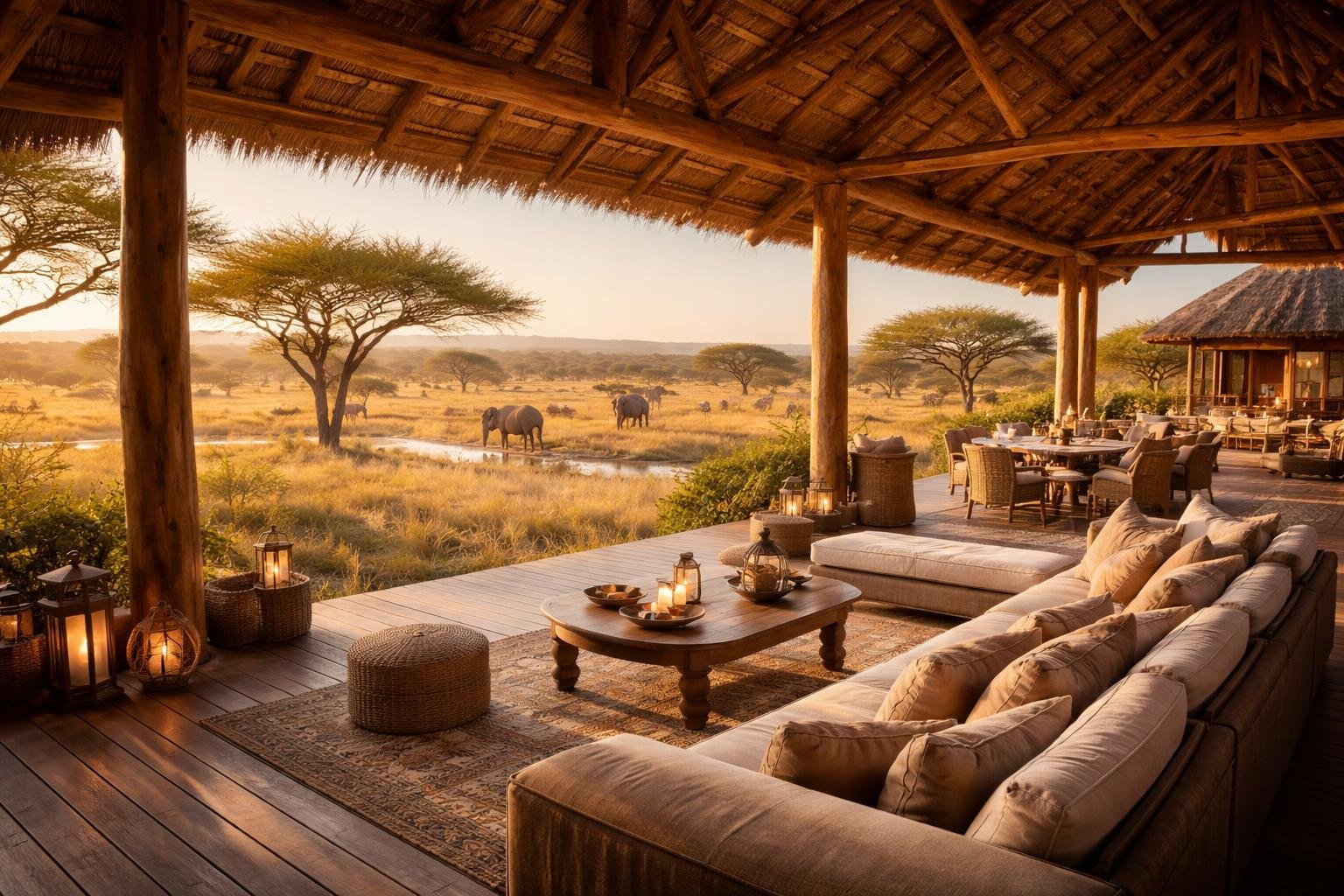
Expect a mix of private reserves, river-front camps, and vast national parks that deliver both intimate wildlife encounters and upscale comfort. Each region emphasizes different species, landscapes, and lodging styles—choose by whether you prioritize big cats, waterways, cultural visits, or endless plains.
South Africa
South Africa combines private concessions and well-managed national parks that let you see the Big Five with high guide-to-guest ratios. The Sabi Sand and Timbavati reserves adjacent to Kruger National Park are famous for reliable leopard sightings and luxury lodges with private plunge pools and game-viewing decks.
You can pair lodge-based game drives with short, scenic transfers to Cape Town for fine dining and wine estates. Many lodges focus on conservation and community partnerships, offering guided bush walks, night drives, and photographic safaris tailored to your interests.
Expect five-star service, ensuite suites or villas, and curated itineraries that balance wildlife viewing with relaxation and local cultural experiences.
Botswana
Botswana centers on water-driven safaris across the Okavango Delta and river systems, so lodges often sit on waterways or islands. Mokoro rides, boat safaris, and walking safaris deliver close encounters with hippos, elephants, and abundant birdlife—particularly in Moremi and the Delta’s private concessions.
Lodges tend to be intimate, with low guest numbers and high staff-to-guest ratios, offering exclusive access to wildlife corridors. You’ll find both mobile tented operations for immersive wilderness nights and luxury camps with private guides and helipad transfers for remote comfort.
Conservation fees and seasonal water levels affect activity options, so lodge choice and timing directly shape the type of safari you experience.
Kenya
Kenya offers classic savannah scenery and the prolific wildlife of the Maasai Mara, plus lesser-known gems like Laikipia and the Samburu ecosystem. The Mara’s private conservancies provide luxury tented camps with direct access to river crossings during the Great Migration and early-morning hot-air ballooning.
Laikipia delivers intimate ranch-style lodges and walking safaris with rhino tracking and community-run conservancies. Samburu’s arid landscapes bring rare species such as Grevy’s zebra and reticulated giraffe, often seen from lodge terraces or during guided drives.
Choose Kenya if you want migration spectacles, cultural visits with Maasai communities, and a range of lodging from mobile classic-camp experiences to multi-suite luxury lodges.
Tanzania
Tanzania combines the Serengeti’s endless plains and the Ngorongoro Crater’s high-density wildlife for dramatically different but complementary experiences. The Serengeti’s luxury camps position you for migration viewing and close predator action, while lodges around Ngorongoro offer crater rim vistas and guaranteed wildlife concentrations.
Northern circuit lodges emphasize game drives and fly-in convenience; southern circuits and Selous (Nyerere) emphasize remote riverine and walking safaris. Expect a mix of high-end tented camps and permanent lodges, many with strong conservation programs and opportunities for guided walks, night drives where permitted, and cultural visits to local communities.
Seasonal movement patterns dictate where to go, so align lodge selection with the timing of the wildebeest migration or dry-season concentrations.
Wildlife Experiences at Luxury Lodges
Luxury lodges place wildlife access, expert guiding, and comfort at the center of your stay. Expect tailored game drives, private-viewing hides, and experienced guides who read animal behavior and adapt each outing to maximize sightings and safety.
Big Five Sightings
You’ll often target the Big Five—lion, leopard, elephant, buffalo, and rhino—on early morning and late-afternoon drives when animals are most active. Guides use years of local experience, radio networks, and spoor-tracking to locate prides, solitary males, and elusive leopards.
Vehicles are typically purpose-built with open sides or photographic seating, letting you frame close-up shots while maintaining a safe distance. Many lodges offer private drives if you want uninterrupted time with a sighting or to follow a target animal for extended observation.
Expect lodges in Botswana’s Okavango Delta, South Africa’s Kruger region, and Kenya’s Maasai Mara to report the most consistent Big Five encounters. Conservation-minded properties also work with anti-poaching units and rhino monitoring teams, so your visit can support protection efforts directly.
Walking Safaris
Walking safaris let you approach wildlife at ground level under the guidance of an armed, licensed guide and often a tracking naturalist. You’ll learn to read tracks, droppings, and feeding signs to find smaller species and appreciate predator-prey dynamics that vehicles can miss.
These treks usually last 2–4 hours and take place in private concessions where vehicle access is restricted, reducing human disturbance and increasing the chance of intimate encounters.
Walking safaris emphasize wildlife safety and etiquette: you’ll keep quiet, follow the guide’s spacing rules, and avoid sudden movements. Lodges in Zambia, Zimbabwe, and certain Kenyan conservancies specialize in walking programs that pair experienced trackers with small guest groups for a personalized, educational experience.
Sustainable and Eco-Friendly Safari Lodges
Expect lodges that reduce environmental impact, actively protect wildlife, and invest in local economies. You’ll find solar power, water recycling, anti-poaching programs, and local procurement shaping the guest experience and conservation outcomes.
Conservation Initiatives
Look for lodges that fund or run measurable wildlife protection. Many operate anti-poaching patrols and vehicle-based or foot-based wildlife monitoring teams that log GPS data and population counts you can ask to see. Some properties partner with research organizations to support elephant and big cat tracking, provide funding for veterinary interventions, or host camera-trap programs that contribute to peer-reviewed studies.
Sustainable energy and resource management matters for habitat protection. Check whether the camp uses solar microgrids, greywater systems, and composting toilets to reduce fuel use and water extraction. Also verify on-site sourcing: lodges that grow seasonal produce or use certified suppliers lower supply-chain emissions and reduce pressure on surrounding ecosystems.
Community Engagement
You should expect lodges to employ local staff, pay living wages, and offer training that builds long-term skills. Look for programs that hire community rangers, guides trained in natural history, or hospitality apprentices from nearby villages. Transparent payroll and career-path examples are good indicators of genuine engagement.
Effective lodges invest in tangible community projects tied to tourism revenue. Typical initiatives include school bursaries, clinic support, and community-run conservancies where a percentage of room revenue funds local development. Ask for specifics: the percentage of revenue allocated, names of schools or clinics supported, and whether community members sit on the lodge’s management or trust board.
Choosing the Best Luxury Safari Lodge for Your Trip
Decide what matters most: the species you want to see, the level of privacy and service, and how much time you’ll spend on game drives versus relaxing at the lodge. Match those priorities to location, style, and logistics to avoid surprises and get the experience you expect.
Accommodation Styles
Luxury safari lodges range from canvas tented suites with en-suite bathrooms to stone-and-glass villas with private plunge pools. Tented camps often place you closer to wildlife sounds and night skies, while fixed-structure lodges generally provide better insulation, climate control, and larger indoor spaces.
Think about privacy and orientation. Private concession camps let you take off-road drives after dark and offer exclusive sightings; shared conservancy lodges schedule group game drives and limit off-road access. Check room amenities: mosquito screens, hot-water systems, indoor/outdoor showers, and reliable Wi‑Fi if you need to work or stay connected.
Service level matters as much as architecture. Butler service, private guides, and in-room dining change the daily rhythm. Ask about meal flexibility and whether spa, gym, or cultural excursions are included or charged separately.
Seasonal Considerations
Different parks peak at different times. Visit the Maasai Mara for the Great Migration in July–October, while South Luangwa’s dry-season (May–October) concentrates game around waterholes for dense sightings. Gorillas in Rwanda and Uganda have best visibility during drier months (June–September, December–February).
Weather affects travel times and road conditions. Rainy seasons can make airstrips and dirt roads unusable and increase charter cancellations. Confirm lodge contingency plans and refund policies for weather-related disruptions.
Consider wildlife behavior and foliage density. Dry seasons offer easier viewing and photographic opportunities, but green-season visits deliver lower rates, fewer guests, newborn animals, and dramatic landscapes. Balance your priorities: animal concentration versus accommodation availability and cost.
Travel Logistics
Work backward from your entry point. International flights arrive at hub airports like Nairobi, Johannesburg, or Kilimanjaro; most lodges require a charter flight or long road transfer afterward. Verify flight durations, baggage limits, and minimum-connection times before booking international legs.
Check visa and vaccination requirements for every country on your itinerary. Yellow fever certificates may be required for cross-border travel between some African countries. Carry printed copies of permits, lodge vouchers, and charter confirmations; remote lodges often have limited mobile coverage.
Plan luggage and kit carefully. Many small aircraft enforce strict weight and soft-bag policies. Pack neutral-colored clothing, layered outfits, sturdy shoes, and essential optics (binoculars, camera lenses). Confirm arrival times with your guide and lodge to avoid missed transfers.
What to Expect From a Luxury Safari Experience
You can expect personalized service from arrival to departure. Staff often learn guest preferences and tailor activities, meals, and downtime to your needs.
Daily rhythms center on wildlife viewing with flexible schedules. Morning and late-afternoon game drives are typical, and many lodges include guided walking safaris or night drives for different perspectives.
Accommodations combine comfort and authenticity. Suites or tented camps usually feature private decks, spacious bathrooms, and views that put you close to the landscape without sacrificing modern amenities.
Dining tends to be high quality and locally influenced. Expect multi-course meals, bespoke menus for dietary needs, and opportunities to sample regional ingredients prepared with professional flair.
Conservation and community engagement are commonly part of the stay. Many lodges support local conservation projects and involve guests through talks, guided visits, or optional volunteering.
Common inclusions and optional extras:
- Included: guided game drives, some meals, park fees in certain packages.
- Often extra: premium alcohol, spa treatments, private drives, and bespoke excursions.
Safety and guiding standards are high. Expert guides, strict vehicle limits during sightings, and clear briefing routines help you enjoy wildlife encounters responsibly.
Pace varies by lodge; choose yours. If you want intense wildlife focus pick private reserves or small concessions, while family-oriented lodges emphasize comfort and varied activities.
Book Your Luxury African Safari
Ready to experience Africa’s most exclusive safari lodges? Compare luxury camps in the Maasai Mara, Okavango Delta, Serengeti, and Kruger. Find the perfect private lodge with expert guides, gourmet dining, and unforgettable wildlife encounters.
Browse Luxury Safari Lodges → Explore andBeyond Lodges →Affiliate links: We may earn a commission at no extra cost to you.